

P0707 on 2016-2022 Honda HR-V: Transmission Range Sensor Circuit Low Causes and Fixes
On a 2016-2022 Honda HR-V, code P0707 almost always indicates a faulty Transmission Range Sensor (also called a Neutral Safety Switch). This can prevent the vehicle from starting or cause erratic shifting. Replacing the sensor is the most common fix, with an OEM part costing around $130.
- P0707 on a 2016-2022 HR-V indicates a low voltage signal from the Transmission Range Sensor.
- The most common symptoms are a no-start condition or erratic shifting, and the most likely fix is replacing the sensor itself.
- Driving with this code is not recommended as it can leave you stranded or cause the transmission to behave unpredictably.
- It is highly recommended to use a genuine Honda OEM replacement sensor (Part #: 28900-R9L-004) for this repair.
- Always check the wiring and connector for damage before replacing the sensor.
What's Unique About the 2016-2022 Honda HR-V
The 2016-2022 Honda HR-V uses a Continuously Variable Transmission (CVT). While the P0707 code is common across many vehicles, on this platform it almost always points directly to the externally mounted Transmission Range Sensor. Unlike some vehicles where this sensor is inside the transmission oil pan, the HR-V's sensor is more accessible, making diagnosis and replacement more straightforward. Owners report that using a genuine Honda OEM sensor is critical, as aftermarket versions can be unreliable.
Symptoms You May Notice
- Check Engine Light is on
- Vehicle will not start
- Inability to shift out of Park
- Erratic or harsh shifting
- Transmission enters 'limp mode' (stuck in one gear)
- Dashboard gear indicator (PRNDL) may be incorrect or not illuminated
- Delayed or sluggish gear engagement
- Replacing the PCM before verifying the sensor and wiring are functioning correctly.
- Assuming an internal transmission failure when the issue is a simple external sensor.
Most Likely Causes
- Faulty Transmission Range Sensor (Neutral Safety Switch) 🔴 High Probability → Shop Transmission Assembly The sensor is an electronic component exposed to heat and moisture in the engine bay, which can lead to internal failure over time. Water intrusion into the sensor housing is a known failure mode.
How to confirm: Use a multimeter to test the voltage output of the sensor at the electrical connector while moving the gear selector. Compare the readings to the specifications in the factory service manual. A reading below the minimum threshold (typically <0.5V) confirms a faulty sensor. A scan tool can also be used to monitor live data from the sensor.
Typical fix: Replace the Transmission Range Sensor. This typically involves removing the battery and air intake box for access. It is mounted on the top/front of the CVT.
Est. part cost: $130-$195 - Damaged Wiring or Corroded Connector 🟡 Medium Probability The wiring harness leading to the transmission can be exposed to road debris, moisture, and engine heat, potentially causing chafing, breaks, or corrosion in the connector pins.
How to confirm: Visually inspect the wiring harness and the connector for any signs of damage, corrosion (green crust), or loose pins. Perform a continuity test from the sensor connector to the PCM connector to check for opens or shorts in the circuit.
Typical fix: Repair the damaged section of wiring or clean the connector terminals with electrical contact cleaner. If damage is severe, the connector pigtail may need to be replaced.
Est. part cost: $10-$50
Rare But Worth Checking
- Faulty Powertrain Control Module (PCM): This is very rare. The PCM should only be considered after the sensor and wiring have been thoroughly tested and proven to be good.
- Misadjusted Shift Linkage: If recent transmission work has been performed, it's possible the shift linkage was not correctly aligned with the new sensor, causing it to send an incorrect signal.
- Low or Dirty Transmission Fluid: → Shop Transmission Assembly While less common for a specific circuit code, extremely low or degraded CVT fluid can cause a variety of transmission issues and codes. It's a crucial maintenance item to check first. Honda's Maintenance Minder system typically suggests a fluid change between 30,000 and 60,000 miles.
Diagnosis Steps
- Connect an OBD-II scanner to verify the P0707 code is present and check for any other related transmission codes.
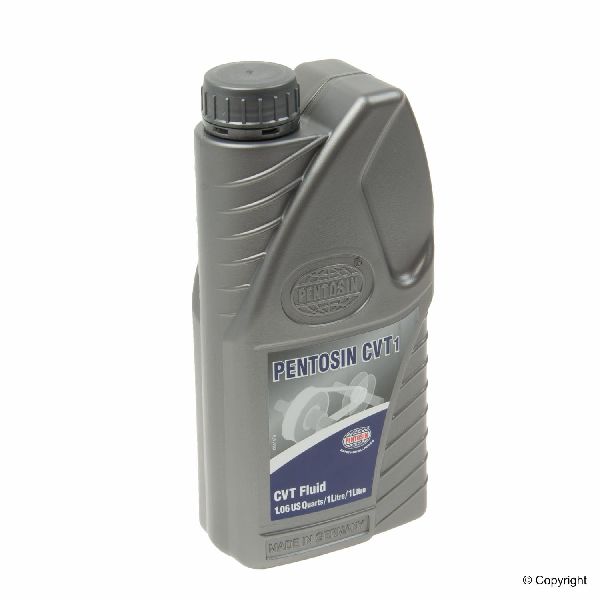
- Check the transmission fluid level and condition. The fluid should be Honda HCF-2 specific fluid. Low or dirty fluid can sometimes cause erratic behavior, though it's less likely to cause this specific circuit code.
- Visually inspect the Transmission Range Sensor's electrical connector and wiring harness for any obvious signs of damage, corrosion, or loose connections. The sensor is located on the top of the transmission, accessible after removing the air intake assembly.
- Using a scan tool that can display live data, monitor the voltage from the Transmission Range Sensor while moving the shifter through all gears. Look for a signal that is consistently below the manufacturer's specification (usually under 0.5 volts).
- If a scan tool is not available, use a multimeter to back-probe the signal wire at the sensor's connector. Check for the correct voltage in each gear position according to the vehicle's service manual.
- If the voltage is low or absent directly from the sensor, the sensor itself is likely faulty.
- If the sensor's output is correct, perform a continuity test on the wiring between the sensor connector and the PCM to rule out an open or short circuit.
- If both the sensor and wiring test good, the issue may be with the PCM, but this is extremely rare and should be the last consideration.
Parts You'll Likely Need
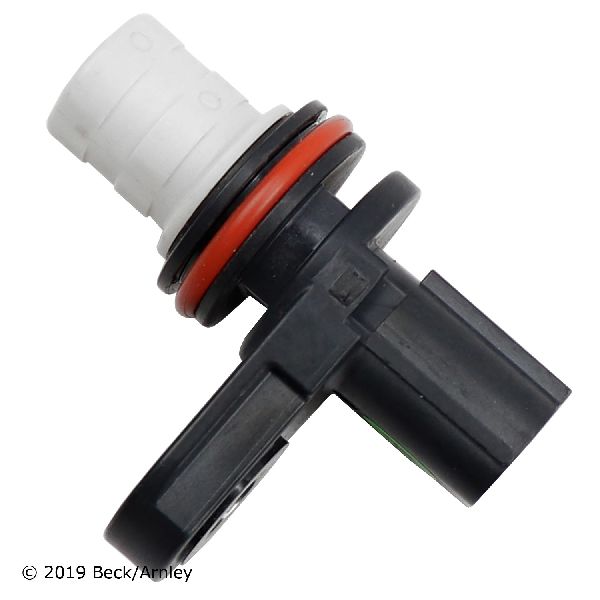
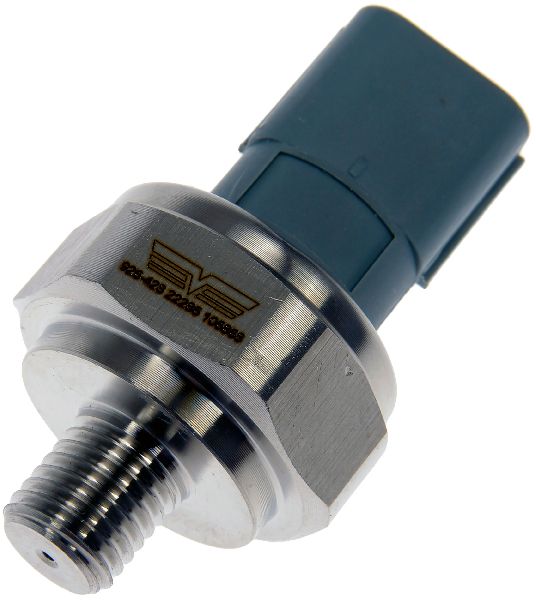
- Transmission Range Sensor (Neutral Safety Switch)
(OEM #28900-R9L-004)— This sensor is the most common failure point for the P0707 code on the HR-V.
Trusted brands: Honda (Genuine OEM)
OEM price range: $130-$195
Aftermarket price range: $50-$150
Related Codes That Often Appear With This One
- P0705 — P0705 indicates a general malfunction in the range sensor circuit, while P0707 specifically points to a low voltage condition. They can appear together if the sensor is failing intermittently.
- P0706 — This code indicates a range/performance problem with the sensor. It can appear with P0707 if the signal is erratic and not just consistently low.
- P0708 — This is the opposite of P0707, indicating a high voltage signal. Seeing both P0707 and P0708 intermittently strongly suggests a chafed wire that is shorting to both ground and a power source.
Technical Service Bulletins (TSBs) & Recalls
- TSB 21-047: Warranty Extension: 2016-20 HR-V CVT Premature Belt Deterioration. While not directly for P0707, this TSB addresses a known issue with the CVT belt. A failing transmission could potentially send debris or cause issues that might affect sensor readings, although this is not the primary cause of a P0707 code.
Platform-Specific Known Issues
- Owner Experience: No-Start Condition: A common owner complaint associated with P0707 is an intermittent or complete no-start condition. The engine will not crank because the PCM does not receive a valid signal that the transmission is in Park or Neutral. Often, all dashboard lights will illuminate as normal, but turning the key or pressing the start button results in no action from the starter.
Diagnostic Flowchart
Other Known Issues on This Vehicle
Issues unrelated to this code that are worth knowing about as an owner of this generation:
- Premature CVT Belt Deterioration 🔴 High — Common enough to warrant a warranty extension (TSB 21-047) for 2016-2020 models. Can lead to slipping, noise, and eventual transmission failure. (Ref: TSB 21-047)
- Failing Engine Start/Stop Switch 🟠 Medium — A known issue on 2016-2018 models causing a no-start condition, often with a 'KEYLESS START SYSTEM ERROR' message and DTC B12C5. (Ref: TSB 20-116 (Warranty Extension))
- Starter Motor Failure 🟠 Medium — Many owners report intermittent or complete starter failure at relatively low mileage, presenting as a no-crank, no-start condition.
- Fuel Pump Failure 🔴 High — Affects 2018-2020 models, leading to engine stalling or failure to start. This was subject to a safety recall. (Ref: NHTSA Recall 20V-314)
- Rear View Camera Failure 🟡 Low — A recall was issued for 2019-2022 models where the rearview camera image may not display when starting the vehicle. (Ref: NHTSA Recall 23V-046)
Real Owner Stories
Aggregated from forums and TSBs cited above. Mileages and costs reflect what owners reported in those sources.
2016-2022 Honda HR-V
Symptoms: The engine will not crank because the PCM does not receive a valid signal that the transmission is in Park or Neutral. All dashboard lights illuminate as normal, but pressing the start button results in no action from the starter.
What fixed it: Replacement of the Transmission Range Sensor (Neutral Safety Switch).
Source hint: vehicle_specific_issues: Owner Experience: No-Start Condition
2016-2022 Honda HR-V
Symptoms: Erratic shifting and a no-start condition. Was initially told by a shop that a full transmission replacement was required.
What fixed it: Replacing the external range sensor (neutral safety switch).
Source hint: Reddit r/HRV & r/Cartalk
2016-2020 Honda HR-V
Symptoms: P0707 and related P0706 codes appearing together; issues with the neutral safety switch.
What fixed it: Installation of OEM Honda part 28900-R9L-004 after aftermarket sensors failed to fix the issue.
Source hint: hrvforum.com
Related OBD-II Codes
Frequently Asked Questions
My 2017 HR-V won't start and the gear indicator on the dash is blank. Is this related to the CVT belt warranty extension (TSB 21-047)?
I'm seeing a 'KEYLESS START SYSTEM ERROR' on my 2018 HR-V. Is that the same as the P0707 code?
Can I use an aftermarket sensor to fix the P0707 code on my HR-V?
Where is the Transmission Range Sensor located on the 2016-2022 HR-V?
Is the P0707 issue common to other Honda models besides the HR-V?
What voltage should I see when testing the HR-V range sensor with a multimeter?
We Have This Part in Stock


The information in this article is provided for general reference and educational purposes only. Vehicle specifications, procedures, and part compatibility can vary by production date, trim level, and region. Always consult your vehicle's factory service manual and verify part numbers before purchasing or performing repairs. Safety-critical components such as airbags, seat belts, and braking systems should be installed by a qualified professional.
- Honda HR-V:
- 🧭 Diagnostic Flowchart
- 🛍️ Shop This Part
- What's Unique About the 2016-2022 Honda HR-V
- Symptoms You May Notice
- Most Likely Causes
- Rare But Worth Checking
- Diagnosis Steps
- Parts You'll Likely Need
- Related Codes That Often Appear With This One
- Technical Service Bulletins (TSBs) & Recalls
- Platform-Specific Known Issues
- Other Known Issues on This Vehicle
- Real Owner Stories
- 2016-2022 Honda HR-V
- 2016-2022 Honda HR-V
- 2016-2020 Honda HR-V
- Related OBD-II Codes
- Frequently Asked Questions
- 🎟️ Get 5% Off