

P0707 on 2013-2018 Toyota RAV4: Transmission Range Sensor Circuit Low Causes and Fixes
On a 2013-2018 RAV4, code P0707 almost always means the Transmission Range Sensor (also called a Neutral Safety Switch) has failed. This can prevent the vehicle from starting, cause it to start only in Neutral, or lead to erratic shifting. The most likely fix is replacing the sensor, which is located on top of the transmission under the airbox. Expect to pay $130-$210 for an OEM sensor (Part No. 84540-33021) and $40-$110 for an aftermarket replacement.
- P0707 on a 2013-2018 RAV4 is almost certainly caused by a bad Transmission Range Sensor (Neutral Safety Switch).
- Primary symptoms are a no-start condition or the ability to start only in Neutral, accompanied by a Check Engine Light.
- The fix involves replacing the sensor located under the airbox and ensuring the new part is correctly aligned.
- Driving with this issue is not recommended as it can cause erratic shifting and potentially leave you stranded.
What's Unique About the 2013-2018 Toyota RAV4
For the 2013-2018 (XA40 generation) RAV4, the P0707 code is a straightforward issue, almost always pointing to the externally mounted Transmission Range Sensor located on top of the transmission case, accessible after removing the air filter housing. Unlike more complex internal transmission problems, this is a common failure point due to its exposure to the elements. Misalignment of this sensor, especially after a transmission service, is another frequent cause specific to how this part is installed, which can trigger the code even if the sensor itself is not faulty.
Symptoms You May Notice
- Check Engine Light is on
- Vehicle will not start (no-crank condition)
- Engine only starts in Neutral, not Park
- Erratic or harsh shifting
- Transmission may enter 'limp mode' (stuck in one gear)
- Incorrect gear selection displayed on the instrument panel
- Delayed engagement when shifting into Drive or Reverse
- Increased fuel consumption
- Replacing the transmission solenoid
- Replacing the entire transmission
- Condemning the PCM/TCM without thorough circuit testing
Most Likely Causes
- Failed Transmission Range Sensor (Neutral Safety Switch) 🔴 High Probability → Shop Transmission Assembly The sensor is an electronic switch mounted on the exterior of the transmission, making it susceptible to moisture, road salt, and vibration over time, which can lead to internal shorts or corrosion.
How to confirm: Using a scan tool, check the live data for the transmission range sensor. The displayed gear should match the physical gear selector position. If it doesn't, or if the voltage reading is below the manufacturer's specification (typically < 0.5V), the sensor is likely faulty. You can also test for continuity across the sensor's pins with a multimeter as you shift through the gears; a failed test indicates a bad sensor.
Typical fix: Replace the Transmission Range Sensor. On the XA40 RAV4, this involves disconnecting the battery, removing the airbox for access, disconnecting the sensor's electrical connector and shift cable, removing the retaining bolts, and installing a new sensor. Crucially, the new sensor must be properly aligned in the Neutral position before tightening.
Est. part cost: $130-$210 (OEM), $40-$110 (Aftermarket) - Damaged Wiring or Corroded Connector 🟡 Medium Probability The wiring harness leading to the sensor is exposed to road debris, moisture, and heat, which can cause wires to chafe, break, or the connector pins to corrode.
How to confirm: Visually inspect the entire wiring harness leading to the Transmission Range Sensor for any signs of cracking, fraying, or heat damage. Unplug the connector and check for bent, broken, or corroded pins. Use a multimeter to check for proper voltage and ground at the connector.
Typical fix: Repair the damaged section of wiring or replace the connector pigtail. Clean any corrosion from the connector pins using an electrical contact cleaner.
Est. part cost: $10-$50 for a new connector pigtail - Misaligned Transmission Range Sensor ⚪ Low Probability → Shop Transmission Assembly This typically occurs after a transmission replacement or other service where the sensor or shift linkage was disturbed. If not correctly aligned during reinstallation, it will send an incorrect voltage signal.
How to confirm: If the code appeared immediately after a transmission service, this is a strong possibility. The alignment procedure involves setting the transmission to Neutral, then adjusting the sensor's position until the alignment marks (a groove and a line) on the sensor and its housing line up perfectly before tightening the bolts.
Typical fix: Re-align the existing sensor according to the factory service manual procedure.
Est. part cost: $0 (labor only)
Rare But Worth Checking
- Faulty Powertrain Control Module (PCM) or Transmission Control Module (TCM): → Shop Transmission Assembly This is very rare. Before condemning the control module, all other possibilities, including the sensor, wiring, and alignment, must be exhaustively ruled out. A module failure would typically be accompanied by other, unrelated trouble codes.
Diagnosis Steps
- Connect an OBD-II scanner and confirm P0707 is the active code. Note any other codes present.
- Using the scanner's live data function, monitor the Transmission Range Sensor (TRS) parameter. Shift the gear lever through P, R, N, D and observe if the data on the scanner matches the selected gear.
- If the data is incorrect or does not change, perform a visual inspection of the sensor, its connector, and the wiring harness. Look for obvious signs of damage, corrosion, or loose connections.
- If the visual inspection passes, disconnect the sensor's electrical connector. Use a multimeter to test for the correct reference voltage and ground at the connector (refer to a service manual for pinout details).
- If voltage and ground are present, test the sensor itself. Check for continuity between the appropriate terminals on the sensor as you move the selector lever. The switch should show continuity in Park and Neutral, and no continuity in Reverse or Drive.
- If the sensor and wiring test good, check the alignment of the sensor. Ensure it is properly aligned in the Neutral position by lining up the groove and the neutral basic line.
- If all the above steps pass, the issue may be with the PCM, but this is highly unlikely and requires advanced diagnostics.
Parts You'll Likely Need
- Transmission Range Sensor / Neutral Safety Switch
(OEM #84540-33021)— This is the most common failure point for the P0707 code on this vehicle due to wear and environmental exposure.
Trusted brands: Toyota (OEM), Standard Motor Products, Beck Arnley, Wells
OEM price range: $148-$211
Aftermarket price range: $40-$110
Related Codes That Often Appear With This One
- P0705 — P0705 indicates a general malfunction in the Transmission Range Sensor circuit, while P0707 specifically points to a low voltage condition. They often appear together as they relate to the same component's failure.
- P0706 — This code indicates a 'Range/Performance' issue with the sensor, meaning the signal is erratic. It can be triggered by the same root causes as P0707, such as a failing sensor or bad wiring.
Platform-Specific Known Issues
- Location of Sensor: On the 2013-2018 RAV4 with the 2.5L engine, the neutral safety switch is located on top of the transmission, underneath the air filter box assembly, on the driver's side of the engine bay.
- Owner Repair Experience: A YouTube video by 'MrPaulVoline1978' provides a detailed walkthrough of replacing the neutral safety switch on a 2015 RAV4. The process involves removing the airbox, disconnecting the shift linkage nut (14mm) and two 10mm bolts holding the sensor, and carefully prying the old sensor off the shaft. The new sensor is then installed and aligned.
Diagnostic Flowchart
Other Known Issues on This Vehicle
Issues unrelated to this code that are worth knowing about as an owner of this generation:
- Torque Converter Shudder 🟠 Medium — Common on 2013-2014 models, typically between 25-50 mph under light load. (Ref: T-SB-0023-15)
- Infotainment System Freezing/Rebooting 🟡 Low — Reported frequently across the generation. Can sometimes be fixed with a software update.
- Premature Rear Brake Wear 🟡 Low — Some owners report replacing rear pads and rotors as early as 15,000-20,000 miles. A TSB was issued for grinding noises from rear brakes on 2013-2015 models. (Ref: T-SB-0037-15)
- Power Liftgate Malfunction 🟠 Medium — While more documented on the related Highlander, some RAV4 owners experience issues with the power tailgate not opening or closing properly. (Ref: T-SB-0023-16 (Related model))
- Excessive Engine Vibration at Idle 🟡 Low — Owners of 2015-2016 models in particular report noticeable vibration through the steering wheel and pedals when stopped in Drive. Often linked to engine mounts.
Real Owner Stories
Aggregated from forums and TSBs cited above. Mileages and costs reflect what owners reported in those sources.
2015 Toyota RAV4 2.5L
Symptoms: The owner documented the replacement process for a failed neutral safety switch.
What fixed it: Replacement of the neutral safety switch. The process involved removing the airbox, disconnecting the 14mm shift linkage nut, removing two 10mm bolts, and prying the old sensor off the shaft before aligning the new one.
Source hint: YouTube video by 'MrPaulVoline1978'
2013-2018 Toyota RAV4 (General)
Symptoms: General difficulty removing the old Neutral Safety Switch and concerns regarding the calibration of the replacement unit.
What fixed it: Following a step-by-step guide for replacement and alignment, specifically ensuring the sensor is calibrated correctly during installation.
Source hint: Reddit - r/AskAMechanic: 'Removing old Neutral Safety Switch AND calibrating replacement'
Related OBD-II Codes
Frequently Asked Questions
Where is the Transmission Range Sensor located on my 2013-2018 RAV4?
My 2013 RAV4 is shuddering between 25-50 mph; is this related to code P0707?
Can I use an aftermarket part for the Neutral Safety Switch, and what is the cost?
Why does my RAV4 only start in Neutral but not in Park?
Is there a specific alignment procedure for the sensor on the XA40 RAV4?
What tools are needed to replace the sensor based on owner experiences?
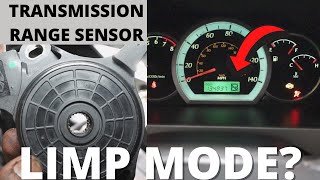
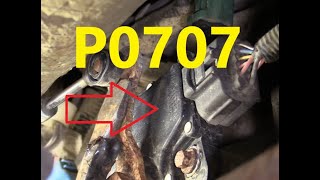
Helpful Videos


We Have This Part in Stock

The information in this article is provided for general reference and educational purposes only. Vehicle specifications, procedures, and part compatibility can vary by production date, trim level, and region. Always consult your vehicle's factory service manual and verify part numbers before purchasing or performing repairs. Safety-critical components such as airbags, seat belts, and braking systems should be installed by a qualified professional.
- Toyota RAV4:
- 🧭 Diagnostic Flowchart
- 🎬 Helpful Videos
- 🛍️ Shop This Part
- What's Unique About the 2013-2018 Toyota RAV4
- Symptoms You May Notice
- Most Likely Causes
- Rare But Worth Checking
- Diagnosis Steps
- Parts You'll Likely Need
- Related Codes That Often Appear With This One
- Platform-Specific Known Issues
- Other Known Issues on This Vehicle
- Real Owner Stories
- 2015 Toyota RAV4 2.5L
- 2013-2018 Toyota RAV4 (General)
- Related OBD-II Codes
- Frequently Asked Questions
- 🎟️ Get 5% Off