

P0712 on 2016-2022 Honda HR-V: CVT Temperature Sensor Circuit Low Causes and Fixes
On a 2016-2022 Honda HR-V, code P0712 is almost always caused by a failed CVT fluid temperature sensor, which is integrated into the internal transmission wire harness. The fix typically requires replacing this harness inside the transmission, a job for a professional costing between $450 and $750. This is an electrical fault, not an issue with the fluid's actual temperature.
- P0712 on your HR-V points to an electrical short in the transmission temperature sensor circuit, not a problem with the fluid itself.
- The sensor is part of a larger wire harness inside the transmission pan, making the repair more involved than a simple sensor swap.
- Driving with this code is not recommended as it can lead to poor drivability and potential long-term transmission damage.
- Ensure your vehicle has received the software update from Honda TSB 21-046, which is related to overall CVT health.
What's Unique About the 2016-2022 Honda HR-V
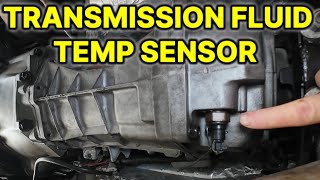
For the 2016-2022 HR-V with its second-generation Continuously Variable Transmission (CVT), the fluid temperature sensor is not a simple, separate part. It is integrated into the internal transmission wire harness (sometimes called the solenoid harness) located inside the transmission oil pan. This design means that a sensor failure often requires the replacement of the entire internal harness assembly, making the repair more complex than on vehicles with an external, screw-in sensor. This generation of HR-V also has known CVT durability concerns, leading Honda to issue a software update (TSB 21-046) and a warranty extension (TSB 21-047) for potential CVT belt failure, highlighting the sensitivity of this transmission.
Generation note: The 2016-2022 year range in North America covers the second generation (model code RU) of the Honda HR-V. The third generation began with the 2023 model year, so this guide is specific to the second generation.
Symptoms You May Notice
- Check Engine Light is on
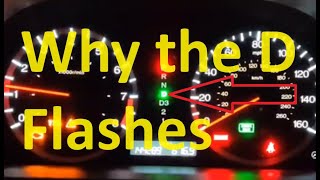
- Blinking 'D' (Drive) indicator on the instrument cluster 🎬 See why your D light is flashing and how to fix it.
- Harsh, erratic, or delayed shifting
- Vehicle may enter 'limp mode' with significantly reduced power
- Transmission may not shift at all
- Possible transmission overheating warning light, even if the fluid isn't hot
- Improper torque converter clutch operation
- Replacing only the transmission fluid. While old or low fluid can cause transmission problems, it will not cause the specific 'Circuit Low' electrical fault of P0712.
- Replacing the external engine coolant temperature sensor. This is a completely different sensor and circuit from the one inside the transmission.
- Replacing the entire transmission. While some shops may recommend this due to the high failure rate of CVTs, P0712 is an electrical circuit code that can often be fixed by replacing the much cheaper internal harness.
Most Likely Causes
- Failed Internal Transmission Wire Harness (with integrated Temperature Sensor) 🔴 High Probability → Shop Transmission Assembly On this CVT, the sensor is part of an internal harness that lives in hot transmission fluid, leading to degradation and electrical shorts over time. This is the most common point of failure for this specific code.
How to confirm: After confirming the short is not in the external wiring (see next cause), the fault is confirmed to be internal. A technician will disconnect the main transmission harness connector and check the sensor voltage; if it remains low, the short is external, but if the voltage goes high (open circuit), the short is internal to the transmission.
Typical fix: Drop the transmission oil pan and replace the entire internal wire harness assembly. 🎬 Watch: Step-by-step guide to replacing the internal CVT harness. This also requires refilling with approximately 4-5 quarts of the correct Honda HCF-2 CVT fluid.
Est. part cost: $150-$250 - Shorted External Wiring Harness 🟡 Medium Probability Wires can chafe against the chassis or other components, or connectors can become contaminated with moisture and corrode, leading to a short to ground in the sensor's signal circuit.
How to confirm: Disconnect the main harness connector at the transmission. Use a multimeter to check for continuity to ground on the temperature sensor signal wire running back to the PCM. If continuity is found, the external harness is shorted.
Typical fix: Locate the short in the wiring harness and repair the damaged section. Replace corroded connectors if necessary.
Est. part cost: $10-$50
Rare But Worth Checking
- Faulty Powertrain Control Module (PCM): → Shop Engine Control Module (ECM) This is the least likely cause. The PCM should only be suspected if both the internal and external wiring and the sensor itself have been tested and confirmed to be in good working order.
Diagnosis Steps
- Connect a professional OBD-II scanner (preferably a Honda HDS) to the vehicle.
- View the live data stream for the 'CVT Fluid Temperature' or 'TFT Sensor'.
- Confirm the reading is an illogically low value (e.g., -40°F) or that the sensor voltage is below the manufacturer's threshold (typically <0.07V).
- Perform a visual inspection of the external transmission wiring harness and its connectors for any signs of damage, corrosion, or loose pins.
- Disconnect the main electrical connector (the 8P connector) at the transmission case.
- Re-check the sensor voltage on the scan tool. If the voltage now reads high (indicating an open circuit), the short is located inside the transmission, pointing to a faulty internal harness/sensor.
- If the voltage remains low after disconnecting the harness, the short circuit is in the wiring between the connector and the PCM, or in the PCM itself.
- If the fault is internal, the transmission oil pan must be removed to access and replace the internal wire harness assembly.
- After the repair, refill the transmission with genuine Honda HCF-2 fluid, clear the code, and perform a test drive to ensure the transmission operates correctly and the code does not return.
Parts You'll Likely Need
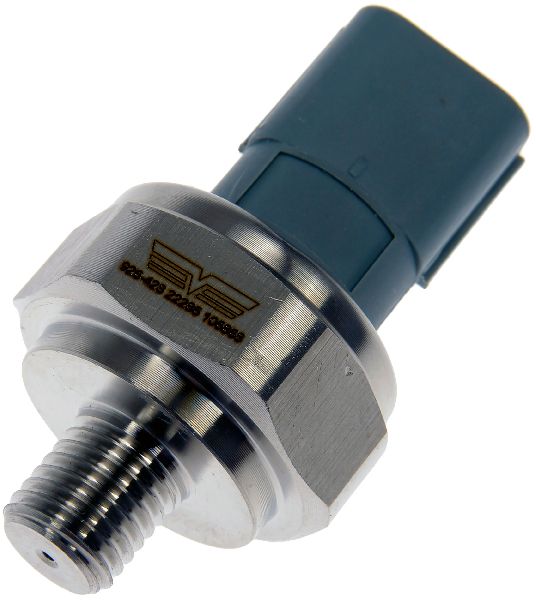
- Internal Transmission Wire Harness / Solenoid Harness
(OEM #28240-59B-000)— This is the most common failure point for a P0712 code on this vehicle, as the CVT fluid temperature sensor is integrated into this harness which fails from heat and fluid exposure.
Trusted brands: Honda (Genuine OEM)
OEM price range: $150-$250
Aftermarket price range: $100-$180 - Honda HCF-2 CVT Fluid
(OEM #08200-HCF2)— Required to refill the transmission after dropping the pan to replace the internal harness. Using the correct fluid is critical for CVT longevity.
Trusted brands: Honda (Genuine OEM)
OEM price range: $15-$25 per quart - Transmission Pan Gasket — Should be replaced when the transmission pan is removed to prevent leaks.
Trusted brands: Honda (Genuine OEM), Fel-Pro, Mahle
OEM price range: $20-$40
Aftermarket price range: $15-$30
Technical Service Bulletins (TSBs) & Recalls
- 21-046 - Product Update: 2016-20 HR-V Software Update and CVT Inspection
- 21-047 - Warranty Extension: 2016-20 HR-V CVT Premature Belt Deterioration
Platform-Specific Known Issues
- Honda Service Bulletin 21-046 addresses a software update for the PCM to improve CVT durability and prevent belt damage. An incorrect software value could cause excessive pressure on the belt, leading to breakage. This update helps revise operational loads and adds DTC P271E to detect early belt failure.
- Honda extended the warranty on the CVT for 2016-2020 models to 7 years or 150,000 miles due to potential premature belt deterioration (Service Bulletin 21-047). This highlights the importance of correctly functioning transmission sensors for the longevity of the unit.
Mechanic-Grade Diagnostic Values
- CVT Fluid Temperature Sensor Voltage (Live Data) — expected: Varies with temperature, but should be well above 0.07V.. Failure: A voltage reading of less than 0.07V indicates a short circuit.
- CVT Fluid Temperature Sensor Resistance — expected: Approximately 2.0-2.5 kOhms at 20°C (68°F). Resistance decreases as temperature increases.. Failure: A reading near zero ohms indicates an internally shorted sensor.
- Sensor Reference Voltage at Harness Connector — expected: Approximately 5.0V with key on, engine off.. Failure: A voltage significantly below 5.0V indicates a problem with the PCM or the wiring providing the reference signal.
- PCM Ground Circuit Voltage Drop — expected: Less than 0.1V (100mV).. Failure: A reading above 0.1V between the sensor's ground pin at the connector and the negative battery terminal indicates excessive resistance in the ground circuit.
Scan Tool Commands That Help
- Honda Diagnostic System (HDS): Jump SCS (Service Check Connector) line — This function is used to set up a specific diagnostic environment before performing continuity checks on the PCM connector pins, as part of the official troubleshooting procedure for an external wiring short.
- Professional Scan Tool (e.g., Honda HDS, Autel, Snap-on): Reset Transmission Adaptation Values — After replacing the internal harness or other major transmission components, resetting the learned shift adaptations is recommended to ensure the transmission operates smoothly with the new parts.
Wiring & Ground Locations
- G101 — Main engine ground, typically located on the engine block or thermostat housing area, at the left rear of the engine compartment.. A poor G101 ground can cause numerous electrical issues, including incorrect sensor readings. It serves as the power and logic ground for the ECU.
- PCM Connector B (51P), Pin B9 — This is a specific pin on the 51-pin connector (Connector B) at the Powertrain Control Module (PCM), which is located on the left side of the engine compartment.. This is the specific pin for the CVT fluid temperature sensor signal (TATF line) that must be tested for continuity to ground when diagnosing an external wiring short.
- Transmission Main Connector (8P) — This is the 8-pin main electrical connector on the transmission case that connects the internal harness to the engine wiring harness.. This is the primary disconnection point for isolating the fault between the internal transmission components and the external vehicle wiring.
Model Year Variations Within This Range
- 2019-2022: The 2019 model year introduced a facelift with new Sport and Touring trims. While the core 1.8L engine and CVT remained, Honda noted the CVT was recalibrated to 'maintain lower rpm' and provide more engine braking on deceleration, indicating software changes.
- 2016-2018: These earlier models were available with a 6-speed manual transmission option, which was discontinued for the 2019 facelift. The P0712 code only applies to CVT models.
- 2020-2022: The Honda Sensing suite of safety features became standard equipment on all trims starting in the 2020 model year.
Diagnostic Flowchart
Other Known Issues on This Vehicle
Issues unrelated to this code that are worth knowing about as an owner of this generation:
- CVT Premature Belt Deterioration 🔴 High — Common enough for Honda to issue a warranty extension to 7 years/150,000 miles for 2016-2020 models. (Ref: TSB 21-046, TSB 21-047)
- Starter Motor / Push-to-Start Button Failure 🟠 Medium — Numerous owner complaints of intermittent no-start conditions, where the starter doesn't engage on the first press. (Ref: TSB 20-116 (Warranty extension for start/stop switch))
- Peeling White Paint 🟡 Low — Affects specific white paint colors (e.g., White Orchid Pearl) on 2016-2018 models, leading to flaking and peeling. (Ref: TSB 19-057 (Warranty extension for paint))
- Fuel Pump Failure 🔴 High — A recall was issued for certain 2018-2020 models due to a fuel pump that may fail, causing the engine to stall. (Ref: NHTSA Recall 20V-314)
- Rear-View Camera Failure 🟡 Low — A recall was issued for 2019-2022 models where the rearview camera image may not display when starting the vehicle. (Ref: NHTSA Recall 23V-046)
Used vs. New Parts: Buying Guide for This Vehicle
When a used part is the smart pick: For this specific repair, using a used part is strongly discouraged for the primary failure component. A used Powertrain Control Module (PCM) could be considered as a last resort if the original is confirmed faulty, but it must be an exact part number match and will require professional programming.
Donor-vehicle mileage cap: roughly under 1 miles for the part to have meaningful remaining life.
What to inspect on the donor part:
- For a used PCM: Ensure the part number on the label is an exact match to the original. Inspect the connectors for any bent, corroded, or pushed-out pins. Avoid any units with signs of water damage or physical case damage.
- For a used internal harness (NOT RECOMMENDED): Check for brittle or stiff wiring, cracks in the plastic connectors, and any signs of corrosion on the pins. The risk of premature failure remains extremely high regardless of visual condition.
OEM-only on this vehicle (don't cheap out):
- Internal Transmission Wire Harness: This is the most common failure part. Given the labor involved in accessing it, using a new Genuine Honda OEM part is critical to ensure longevity and avoid a repeat repair.
- Honda HCF-2 CVT Fluid: This transmission is highly sensitive to fluid type. Using only the specified HCF-2 fluid is essential for proper operation and to prevent long-term damage.
Brands owners have reported issues with on this vehicle:
- Generic/unbranded internal wiring harnesses from online marketplaces. While cheap, their long-term durability when submerged in hot transmission fluid is questionable and they often have issues with pin fitment or wire quality.
Real Owner Stories
Aggregated from forums and TSBs cited above. Mileages and costs reflect what owners reported in those sources.
2016-2022 Honda HR-V
Symptoms: The 'D' (Drive) indicator light was blinking on the dashboard and the vehicle entered limp mode. The check engine light was on with codes P0712 and P177C stored.
What fixed it: Discussion among owners pointed to the failure of the internal transmission wire harness, which contains the temperature sensor, as the most likely cause of the problem.
Source hint: hrvforum.com thread titled 'p0712-and-p177c.45189/'
Related OBD-II Codes
Frequently Asked Questions
Is the transmission problem causing code P0712 on my 2018 Honda HR-V covered by a special warranty?
My mechanic says the internal transmission harness is the most likely cause for P0712 on my HR-V. Is this common?
Can I use a universal CVT fluid instead of the expensive Honda fluid after replacing the sensor?
Why did my HR-V start blinking the 'D' light and lose power when the P0712 code appeared?
Does the software update mentioned in TSB 21-046 fix the P0712 code?
My friend's Honda Fit has the same P0712 code. Is it the same problem?
Helpful Videos
We Have This Part in Stock


The information in this article is provided for general reference and educational purposes only. Vehicle specifications, procedures, and part compatibility can vary by production date, trim level, and region. Always consult your vehicle's factory service manual and verify part numbers before purchasing or performing repairs. Safety-critical components such as airbags, seat belts, and braking systems should be installed by a qualified professional.
- Honda HR-V:
- 🧭 Diagnostic Flowchart
- 🎬 Helpful Videos
- 🛍️ Shop This Part
- What's Unique About the 2016-2022 Honda HR-V
- Symptoms You May Notice
- Most Likely Causes
- Rare But Worth Checking
- Diagnosis Steps
- Parts You'll Likely Need
- Technical Service Bulletins (TSBs) & Recalls
- Platform-Specific Known Issues
- Mechanic-Grade Diagnostic Values
- Scan Tool Commands That Help
- Wiring & Ground Locations
- Model Year Variations Within This Range
- Other Known Issues on This Vehicle
- Used vs. New Parts: Buying Guide for This Vehicle
- Real Owner Stories
- 2016-2022 Honda HR-V
- Related OBD-II Codes
- Frequently Asked Questions
- 🎟️ Get 5% Off