

P0715 on 2010-2012 Audi A5 Cabriolet: Input Speed Sensor 'A' Circuit Failure Causes and Fixes
On a 2010-2012 Audi A5 Cabriolet, code P0715 is almost always caused by a failed sensor module inside the S-Tronic (DL501/0B5) transmission's mechatronics unit. The fix typically involves replacing this internal sensor module/PCB, which is a complex job best left to a professional. Expect costs to range from $800 to $2,500+ depending on labor and parts.
- P0715 on a 2010-2012 A5 Cabriolet points to a problem with the transmission's input speed sensor.
- The cause is almost always a failed internal sensor module within the S-Tronic (DL501) mechatronics unit, a known issue for this transmission.
- This is not a simple DIY fix. The repair is complex, requires special tools, and should be handled by a qualified professional specializing in European vehicles.
- Do not replace the entire transmission or mechatronics unit unless it is confirmed to be necessary; often, the less expensive internal repair kit is sufficient.
- Ignoring this code can lead to severe drivability problems and potentially catastrophic transmission damage.
What's Unique About the 2010-2012 Audi A5 CABRIOLET
The 2010-2012 Audi A5 Cabriolet often uses the 7-speed S-Tronic dual-clutch transmission, also known as the DL501 or 0B5. This specific transmission has a well-documented history of the internal sensor module failing. This module, which is a printed circuit board (PCB) inside the complex mechatronics unit, houses both the 'A' (G632) and 'B' (G612) input speed sensors. Therefore, unlike in many other vehicles where the sensor is an individual, externally accessible part, a P0715 code on this Audi almost always points to an internal transmission repair requiring removal of the mechatronics unit.
Diagnostic Flowchart
Tap your situation to follow the diagnostic path that matches what you're seeing on this vehicle.
Symptoms You May Notice
- "Gearbox Malfunction: You can continue driving" message on the dashboard.
- Flashing "PRNDS" gear selector indicator.
- Check Engine Light is on.
- Transmission enters limp mode, often stuck in one gear (e.g., 2nd or 3rd).
- Harsh, jerky, or delayed gear shifts, sometimes described as a "bang" or "jerk" when coming to a stop or shifting from Drive to Reverse.
- Vehicle may not move or accelerate properly.
- Delayed engagement when shifting into Drive or Reverse.
- Replacing the entire mechatronics unit (costing thousands) when only the internal sensor board/repair kit is needed.
- Replacing the entire transmission when the fault is isolated to the mechatronics unit.
- Replacing just the input speed sensor without realizing it's part of an internal module on this specific transmission.
- Performing only a fluid change hoping to fix an established electronic fault code.
Most Likely Causes
- Failed Mechatronics Internal Sensor Module/PCB 🔴 High Probability This is a widely recognized failure point on the DL501 (0B5) S-Tronic transmission, affecting models from approximately 2009-2013 most frequently. The circuit board, which is submerged in transmission fluid, can degrade from thermal stress and contamination from clutch wear particles, leading to electrical faults. Using non-specified fluid with certain additives can also cause the plastic circuit plates to delaminate.
How to confirm: Use an Audi-specific scan tool (like VCDS) to check for P0715 and related codes like P171F (Sensor 'B') or P179F (Drive Position Sensor). If these codes are present together, it strongly indicates a failure of the internal sensor module, as confirmed by Audi TSBs. Live data monitoring will show one or both input speed sensors reading 0 RPM or providing erratic signals while the engine is running in gear.
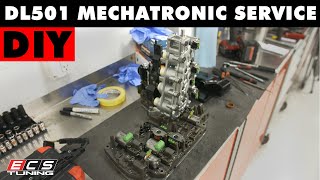
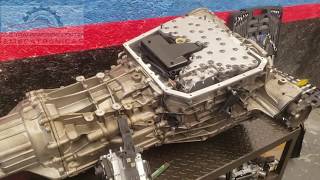
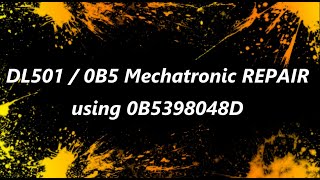
Typical fix: Replace the internal sensor module and wiring harness within the mechatronics unit. 🎬 Watch: A detailed guide on using the mechatronic repair kit. This is often sold as a comprehensive repair kit (e.g., OEM part number 0B5398009F).
Est. part cost: $350-$600 - Contaminated or Low Transmission Fluid 🟡 Medium Probability → Shop Transmission Assembly The DL501 has a shared oil circuit for the mechatronics and clutches, meaning clutch wear debris can contaminate the fluid and damage sensitive electronics. While this is a major contributing factor to the PCB failure, it's rarely the sole cause of the P0715 code by itself once the code is active.
How to confirm: Check the transmission fluid level and condition. The fluid should be clean and at the correct level. Dark, burnt-smelling, or metallic-looking fluid indicates a problem that has likely already caused electronic damage.
Typical fix: Perform a transmission fluid and filter change. However, if P0715 is present, this is unlikely to be the sole fix and is usually done as part of the mechatronics repair. Using only Audi-specified DSG fluid is critical, as some additives in other fluids can damage the plastic circuit boards.
Est. part cost: $200-$400 - Damaged Wiring or Connectors ⚪ Low Probability The external wiring harness is generally robust, but damage can occur during other maintenance or from road debris. This is much less common than the internal sensor module failure. The main circular connector at the transmission case is a potential point of failure if not handled carefully.
How to confirm: Visually inspect the main circular connector at the transmission case for corrosion, pushed-out pins, or damage. Perform a continuity test on the harness if damage is suspected.
Typical fix: Repair the damaged section of the wiring harness or replace the connector.
Est. part cost: $50-$300
Rare But Worth Checking
- Failed Transmission Control Module (TCM): → Shop Transmission Assembly The TCM is the computer brain integrated into the mechatronics unit. While it can fail, it's much more likely that the sensor circuit board providing it with information has failed. A repair kit will not fix a failed TCM; the entire mechatronics unit would need to be replaced or sent for specialized repair.
Diagnosis Steps
- Perform a full diagnostic scan with an Audi-specific tool (VCDS, ODIS) to read the fault codes from the Transmission Control Module (02-Auto Trans).
- Note P0715 and any other accompanying codes like P171F, P2765, or P179F. Check for specific DFCCs mentioned in TSB 2032211.
- Check the transmission fluid level and condition. Ensure the fluid is not burnt, dark, or full of metallic particles. Low or contaminated fluid warrants further investigation but won't be the sole fix for an active P0715.
- Inspect the main external wiring harness connector on the transmission for any visible damage, corrosion, or loose pins.
- Using the scan tool, monitor the live data for the input shaft speed sensors (G182/G632). If one or both are reading 0 RPM or providing erratic signals while the engine is running in gear, it confirms a sensor signal fault.
- If external wiring is intact and fluid is acceptable, the fault is almost certainly the internal mechatronics sensor module, requiring replacement via a repair kit.
Parts You'll Likely Need
- Mechatronics Sensor Module Repair Kit
(OEM #0B5398009F (supersedes C, D, E))— This is the most common failure point for a P0715 code on the DL501 transmission. The kit typically includes the two sensor PCBs, internal wiring, and sometimes solenoids or seals. Buying an OEM or high-quality aftermarket kit is recommended, as cheap knock-offs are known to fail quickly.
Trusted brands: Audi Genuine Parts, BorgWarner
OEM price range: $400-$600
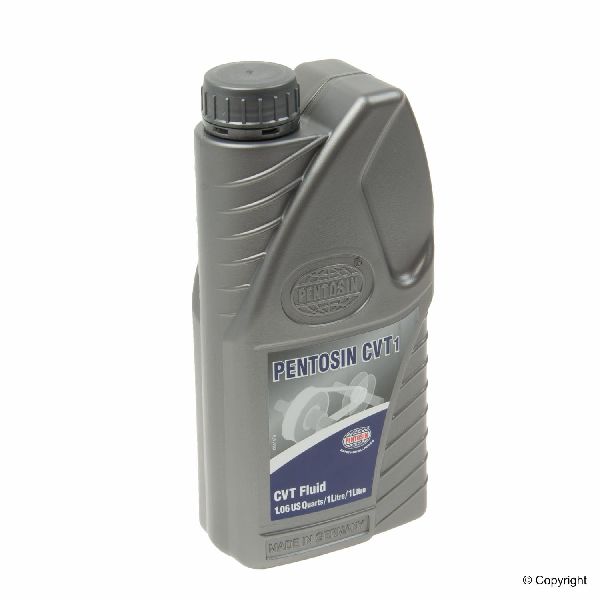
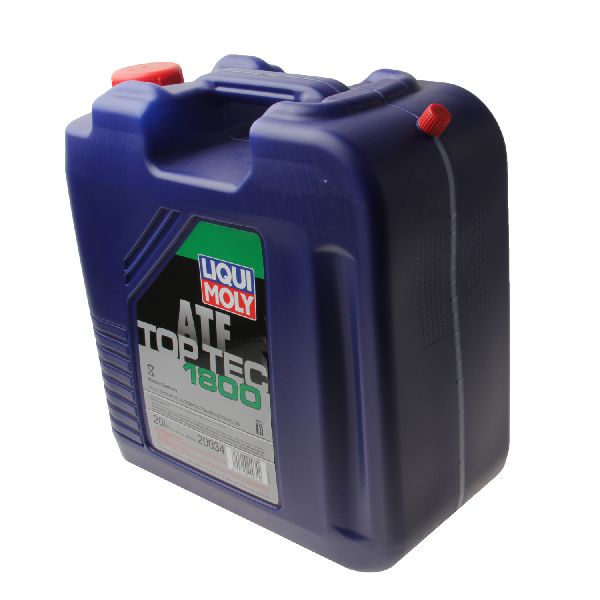
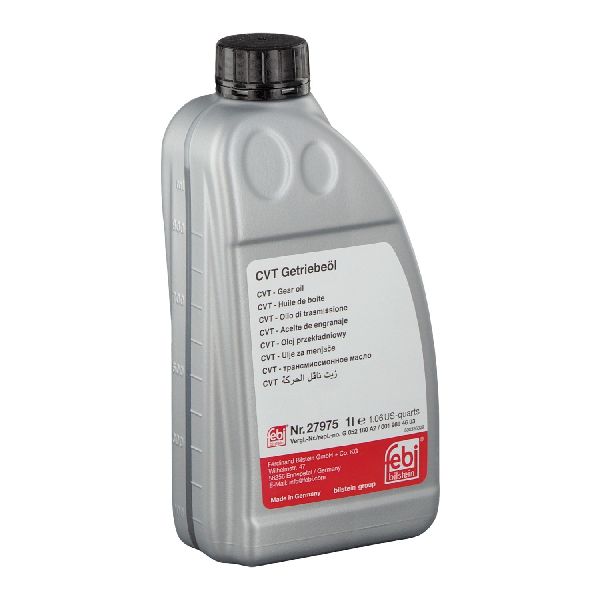
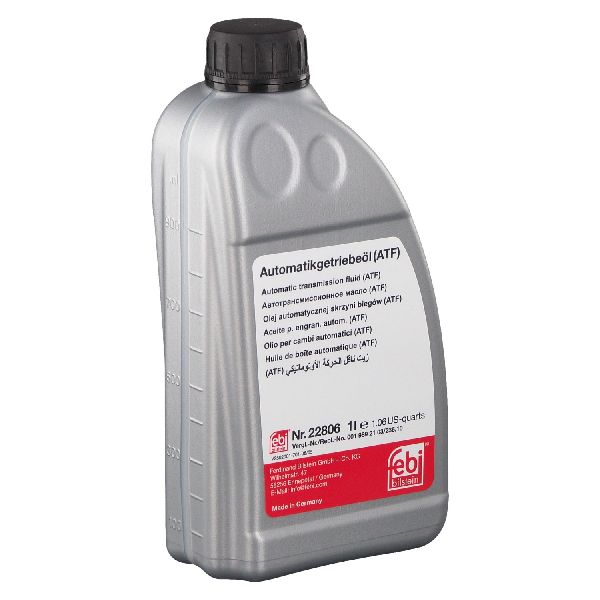
Aftermarket price range: $150-$350 - S-Tronic Transmission Fluid and Filter — New fluid and filter(s) are required when servicing the mechatronics unit. The DL501 has both an internal filter/strainer and an external filter, both of which should be replaced.
Trusted brands: Audi, Liqui Moly, Fuchs, Pentosin
OEM price range: $200-$300
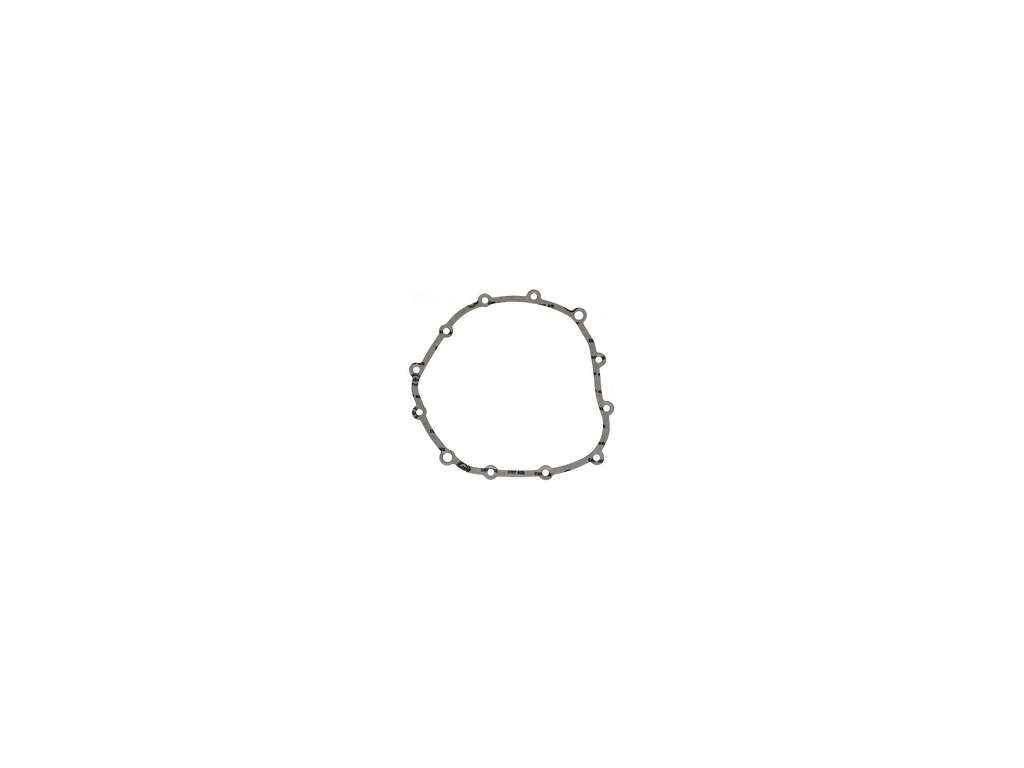
Aftermarket price range: $100-$200 - Transmission Pan Gasket
(OEM #0B5321371F)— The gasket should be replaced anytime the transmission pan is removed to prevent leaks.
Trusted brands: Audi, Elring, Victor Reinz
OEM price range: $30-$50
Aftermarket price range: $15-$30
Related Codes That Often Appear With This One
- P171F — This code is for the Transmission Input Speed Sensor 2 ('B'). Since both sensors are on the same circuit board inside the mechatronics unit, seeing them together is a very strong confirmation of a failed sensor module. Audi TSB 2032211/2 explicitly lists this as a related code.
- P2765 — This is another code for the Input/Turbine Speed Sensor 'B' Circuit. Its presence alongside P0715 points directly to the common internal sensor module failure and is also cited in TSB 2032211.
- P179F — This code relates to a 'Drive Position Sensor Malfunction'. This sensor is also part of the same internal mechatronics assembly, and this code frequently appears alongside the speed sensor faults, as noted in TSB 2032211.
Technical Service Bulletins (TSBs) & Recalls
- A351619 2032211- (and its revisions): Mentions P0715 (Input turbine/speed sensor ‘A’ circuit.) in conjunction with other speed sensor codes, indicating a known issue. The TSB outlines specific scenarios and associated DFCC codes that confirm the need to replace the internal G676 sensor module and circuit board.
Platform-Specific Known Issues
- The DL501 (0B5) S-Tronic transmission used in this vehicle is known for failures of the mechatronics sensor module printed circuit board (PCB), which directly causes code P0715. This issue was prevalent enough to be a subject of numerous forum discussions and repair guides.
- Audi issued Technical Service Bulletin (TSB) #2032211 (with several revisions, e.g., 2032211/9) which explicitly links DTC P0715 with other speed sensor codes (P171F, P2765) and drive position sensor codes (P179E, P179F) to the failure of the internal mechatronics circuit board.
Mechanic-Grade Diagnostic Values
- Resistance of Mechatronic Shift Fork Solenoids (N433, N434, N437, N438) — expected: ~5 Ohms at 25°C. Failure: Significant deviation from 5 Ohms indicates a failing solenoid, which is often replaced during mechatronic service.
- Resistance of K1 Clutch Control Solenoid (N435) — expected: ~15 Ohms. Failure: Significant deviation from 15 Ohms points to a solenoid failure within the mechatronic unit.
- Live Data of Transmission Input Speed Sensor (G182/G632) — expected: RPM should closely match engine RPM when in gear with the clutch engaged.. Failure: Reading jumps to 0/min or shows erratic values while output speed is greater than 100 RPM.
Hidden / Shadow Codes Worth Checking
- DFCC 8094, 8103, 18161: These are Diagnostic Fault Code Counters associated with P0715 in Audi's internal documentation (TSBs). They provide dealer-level confirmation of the specific fault condition related to the Input Speed Sensor 'A' circuit. (see via ODIS (dealer tool) or advanced VCDS scans.)
Scan Tool Commands That Help
- VCDS or ODIS: Basic Settings: Erase counter for start and stop processes — This is one of the first steps in the adaptation procedure after replacing the mechatronics repair kit or fluid. It resets learned values.
- VCDS or ODIS: Basic Settings: Clutch valve calibration — Performed with the engine running after replacing mechatronics components to calibrate the new clutch control valves/solenoids.
- VCDS or ODIS: Basic Settings: Adaptation of clutch kiss points — This is a critical final step in the adaptation process where the TCM learns the exact engagement point of the new clutches. This must be done to ensure smooth shifting.
- VCDS or ODIS: Basic Settings: Reset start point adaptation to factory settings — Used to clear old adaptation values from the TCM before starting the new calibration process.
Wiring & Ground Locations
- Ground Point 639 — On the left A-pillar, behind the kick panel.. This is a major chassis ground point for multiple control modules in the cabin area. A poor connection here could potentially cause communication or power issues for modules that interact with the TCM via the CAN bus.
- TCM Power Fuse — In the fuse box located in the plenum chamber (under the cowl cover in the engine bay).. This fuse supplies power to the mechatronics unit/TCM. While a blown fuse would likely cause a no-communication error, intermittent power loss from a poor connection could theoretically cause erratic behavior and fault codes.
- Main Transmission Connector — External, circular connector on the side of the transmission case.. This is the sole electrical interface between the car's wiring harness and the internal mechatronics unit. Corrosion or pushed-out pins here will directly interrupt signals from the input speed sensor, causing P0715.
Real Owner Repair Stories
- OBDeleven Forum user (2010 Audi Q5 2.0 TDI with 0B5 S-Tronic (same transmission)) — Felt an impact when shifting from P to D or R; strange pauses and jerks when changing gears.
❌ Tried (didn't work) The user noted that the long-term solution would be to replace the mechatronic and clutch pack.
✅ What actually fixed it As a temporary measure, the user performed a full basic settings adaptation using a scan tool. All adaptation steps were run in sequence. This resulted in the gearbox working 'very smoothly' afterward, though it was understood to be a software recalibration, not a permanent hardware fix.
OEM Part Supersession History
0B5398009A, 0B5398009B, 0B5398009C, 0B5398009D, 0B5398009E→0B5398009F— The mechatronics repair kit has been revised multiple times by Audi to improve reliability. Later revisions are believed to have more robust circuit boards and components to better withstand the thermal stress and fluid environment inside the transmission.
Heads up: All previous versions are superseded by 0B5398009F. It is critical to use the latest revision for the repair.
Model Year Variations Within This Range
- 2010-2012: While the core hardware (DL501 transmission) and the common failure point (mechatronic PCB) are consistent across this range, the specific software version on the TCM may vary. Audi released several software updates to address drivability concerns like harsh shifting. A dealer or specialist shop may recommend a software update as a first step, but an active P0715 code with accompanying speed sensor codes almost always indicates the hardware has failed and requires the repair kit.
Helpful Videos
We Have This Part in Stock


The information in this article is provided for general reference and educational purposes only. Vehicle specifications, procedures, and part compatibility can vary by production date, trim level, and region. Always consult your vehicle's factory service manual and verify part numbers before purchasing or performing repairs. Safety-critical components such as airbags, seat belts, and braking systems should be installed by a qualified professional.
- Audi A5 CABRIOLET:
- 🧭 Diagnostic Flowchart
- 🎬 Helpful Videos
- 🛍️ Shop This Part
- What's Unique About the 2010-2012 Audi A5 CABRIOLET
- Symptoms You May Notice
- Most Likely Causes
- Rare But Worth Checking
- Diagnosis Steps
- Parts You'll Likely Need
- Related Codes That Often Appear With This One
- Technical Service Bulletins (TSBs) & Recalls
- Platform-Specific Known Issues
- Mechanic-Grade Diagnostic Values
- Hidden / Shadow Codes Worth Checking
- Scan Tool Commands That Help
- Wiring & Ground Locations
- Real Owner Repair Stories
- OEM Part Supersession History
- Model Year Variations Within This Range
- 🎟️ Get 5% Off