

P0715 on 2017-2018 Land Rover Range Rover: Input Speed Sensor Fault Causes and Fixes
On a 2017-2018 Range Rover, P0715 often points to a TCM software error, especially if it occurs after an auto stop/start event with suffix code -64. A software update or adaptation drive cycle is the first-line fix per Land Rover TSBs. Otherwise, the cause is likely a faulty input/turbine speed sensor located inside the transmission's mechatronic unit, or related wiring.
- For a 2017-2018 Range Rover, P0715 is very often a software issue related to the auto stop/start system.
- Always check for and perform any required TCM software updates (per TSB LTB01205NAS1) before replacing any hardware.
- If hardware is the cause, the most likely culprit is the input speed sensor, which is located inside the transmission.
- This fault is serious and can affect drivability; it should be diagnosed and repaired promptly to avoid further transmission damage.
- The code is almost always accompanied by P0700, which simply confirms a fault has been logged in the transmission system.
What's Unique About the 2017-2018 Land Rover RANGE ROVER
For this specific Range Rover (L405 generation), the P0715 code, particularly with a '-64' suffix indicating a 'signal plausibility failure', is strongly linked to the vehicle's Eco/Auto Stop/Start system. Manufacturer Technical Service Bulletins (TSBs) reveal that a software glitch in the Transmission Control Module (TCM) can cause this code to appear immediately following a stop/start event, especially on low-mileage vehicles. This makes a software update or a specific 'adaption drive cycle' a primary diagnostic step, distinguishing it from a simple hardware failure that might be assumed on other vehicles.
Diagnostic Flowchart
Tap your situation to follow the diagnostic path that matches what you're seeing on this vehicle.
Symptoms You May Notice
- "Gearbox Fault" warning message on the instrument cluster.
- Flashing 'D' on the gear selector or instrument panel, especially after an auto stop/start.
- Erratic, harsh, or delayed shifting.
- Transmission gets stuck in one gear (limp mode).
- Failure to shift into higher gears, like overdrive.
- Vehicle may stall when shifting from Park to Drive or when coming to a stop.
- Noticeable "THUD" or jolt when accelerating from a stop or during low-speed shifts.
- Replacing the mechatronic unit or entire transmission without first checking for required software updates, especially when the fault is linked to the auto stop/start system and codes P0715-64 and P0700 are present.
- Assuming the transmission is mechanically failed when the issue is purely electrical (wiring) or software-based. A user on LandyZone shared an experience where a garage replaced the transmission, but the P0715 code returned due to a damaged wiring plug that was the original fault.
Most Likely Causes
- Transmission Control Module (TCM) Software Error 🔴 High Probability → Shop Transmission Assembly As documented in TSBs LTB01205NAS1 and SSM73847, a software error is a known cause for code P0715-64, specifically triggered by the auto stop/start system. This issue is noted to be common on 2017-2018 models, sometimes at very low mileage (under 2,500 miles).
How to confirm: A dealer or qualified shop must use a diagnostic tool like Land Rover's Pathfinder to check for applicable TSBs. If P0715-64 is present with P0700-02 and the issue follows a stop/start event, a software fix is indicated. TSB LTB01205NAS1 calls for a software update, while the earlier SSM73847 suggests performing a transmission adaptation drive cycle.
Typical fix: Update the TCM with the latest software version using Pathfinder version 170 or later. In some cases, clearing the codes and performing a specific 'adaption drive cycle' to relearn clutch values is the prescribed fix.
Est. part cost: $0 - Failed Input/Turbine Speed Sensor 🔴 High Probability → Shop Automatic Transmission Input Shaft Speed Sensor The sensor is a critical electronic component (Hall effect type) located inside the transmission that can fail over time due to heat cycles and internal wear. On the ZF 8HP transmission, the input and output speed sensors are integrated into the mechatronic unit and are not considered separately serviceable items by Land Rover.
How to confirm: If a software update doesn't resolve the issue, a technician can use a scan tool to monitor the input speed sensor's live data. An erratic, absent, or illogical signal (e.g., reading zero when the vehicle is moving) while the engine is running points to a bad sensor or wiring.
Typical fix: Because the sensor is part of the mechatronic assembly, the official repair is to replace the entire mechatronic unit. This requires removing the transmission oil pan for access. Some transmission specialists may be able to replace individual components on the mechatronic unit if ZF makes them available.
Est. part cost: $70-$150 for a sensor if sourced independently, but potentially $1000+ for a full mechatronic unit. - Damaged Wiring or Connector 🟡 Medium Probability The main transmission wiring harness connector can be exposed to moisture, leading to corrosion. Wiring can also be damaged during other service procedures. A forum user on LandyZone reported P0715 after a transmission replacement where the wiring plug was damaged during installation.
How to confirm: Visually inspect the transmission wiring harness and the main connector for any signs of damage, corrosion, or loose pins. A multimeter can be used to check for continuity and shorts in the circuit between the TCM and the sensor connector.
Typical fix: Repair the damaged section of the wiring harness or replace the faulty connector. The transmission connector sleeve is a common part to replace during service.
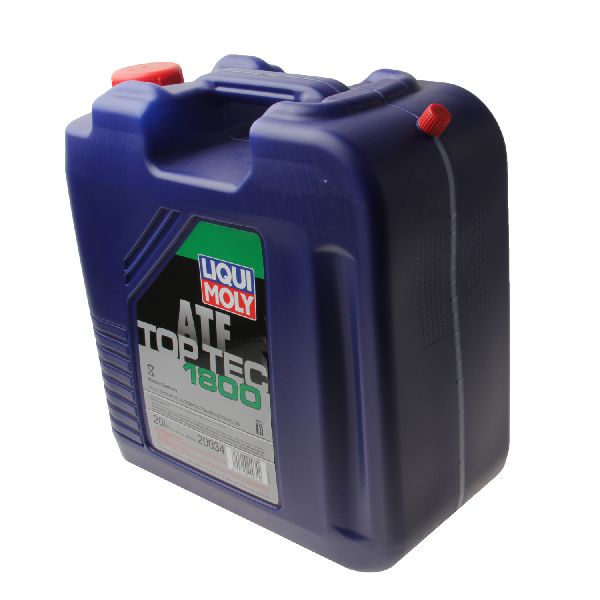
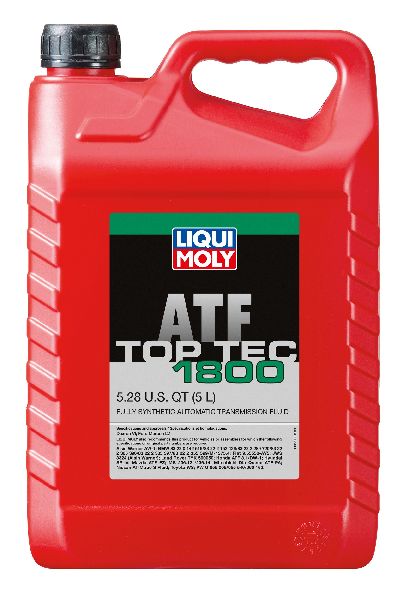
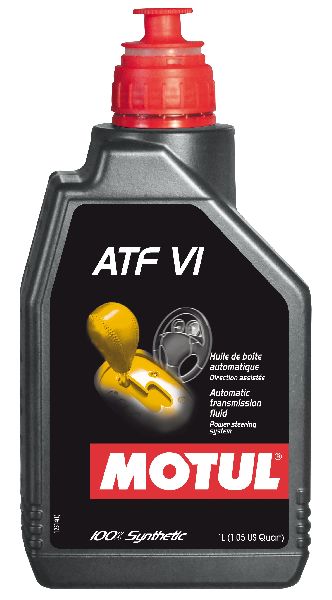
Est. part cost: $20-$100 - Low or Contaminated Transmission Fluid ⚪ Low Probability → Shop Transmission Assembly While not a direct cause of a circuit fault, very low or dirty fluid can cause erratic transmission behavior, overheating, and mechanical failures. Debris from failing clutches can contaminate the mechatronic unit and interfere with sensor operation.
How to confirm: Check the transmission fluid level and condition according to the manufacturer's procedure. The fluid should be at the correct level and not appear dark, burnt, or contain excessive metallic debris. A Reddit user noted that the fluid color and smell can tell the story of the transmission's internal health.
Typical fix: Perform a transmission fluid and filter change. 🎬 Watch this step-by-step guide to servicing your ZF 8HP transmission. If the fluid is heavily contaminated, it may indicate a more severe internal transmission problem.
Est. part cost: $200-$400
Rare But Worth Checking
- Faulty Mechatronic Unit (Valve Body): → Shop Transmission Valve Body The input speed sensor is part of the mechatronic assembly. TSB SSM73847 explicitly mentions that if a software adaption does not resolve the issue, a fault in the mechatronic valve block assembly is the likely cause, requiring replacement of the unit. This can be due to internal circuit failure or contamination from worn transmission components.
- Failed Transmission Control Module (TCM): → Shop Transmission Assembly Although uncommon, the TCM itself can fail and be unable to correctly process the signal from the speed sensor. This is typically diagnosed only after all other possibilities (sensor, wiring, software) have been ruled out.
Diagnosis Steps
- Connect a diagnostic scanner (preferably Land Rover's Pathfinder) and confirm the presence of P0715. Note any suffix codes (e.g., -64 for 'signal plausibility failure') and check for other codes like P0700-02.
- Check for applicable Technical Service Bulletins. Specifically, search for LTB01205NAS1 and SSM73847, especially if the fault occurs after an auto stop/start event.
- If TSB LTB01205NAS1 applies, follow the procedure to update the TCM software. This requires a stable battery power supply and Pathfinder version 170 or later.
- If TSB SSM73847 applies, use Pathfinder to clear the DTCs and perform a 'transmission control module adaption learn' drive cycle, ensuring at least 3 counts are achieved for each clutch. 🎬 See how to perform a transmission adaptation reset using a diagnostic tool.
- If software fixes do not apply or fail, perform a thorough visual inspection of the transmission's external wiring harness and main connector for damage, corrosion, or loose pins.
- Use a professional scan tool to monitor the live data from the input speed sensor PID. Compare its readings to the engine RPM and output speed sensor to check for illogical signals, dropouts, or a complete lack of a signal.
- Check the transmission fluid level and condition. Ensure it is clean and filled to the proper level. Burnt smell or dark color indicates internal wear.
- If the sensor signal is confirmed to be faulty and the wiring is intact, the next step is to replace the mechatronic unit, as the sensor is integrated. This requires draining the transmission fluid and removing the oil pan and filter.
- After the repair, clear all fault codes and perform a comprehensive road test, including several auto stop/start cycles, to ensure the problem is resolved.
Parts You'll Likely Need
- Transmission Mechatronic Unit — For the ZF 8HP transmission, the input speed sensor is integrated into the mechatronic assembly and not sold separately by Land Rover. If the sensor fails, the entire unit is typically replaced. TSB SSM73847 points to this as the next step if software adaptation fails.
Trusted brands: ZF (Original Equipment Manufacturer)
OEM price range: $1000-$1800
Aftermarket price range: N/A - Transmission Pan Gasket and Filter Kit
(OEM #LR065238 (V)
Related Codes That Often Appear With This One
- P0700 — P0700 is a generic code indicating that the Transmission Control Module (TCM) has stored a fault. It almost always accompanies specific transmission codes like P0715 to signal that a transmission-related issue exists. Both TSBs LTB01205NAS1 and SSM73847 explicitly mention P0700-02 appearing with P0715-64.
Technical Service Bulletins (TSBs) & Recalls
- LTB01205NAS1: Details the 'Flashing D' and 'Gearbox Fault' message with DTCs P0715-64 and P0700-02 after an auto stop/start event. The cause is listed as a TCM software error, and the fix is to update the TCM software using Pathfinder.
- SSM73847: An earlier bulletin for the same symptoms and codes. It lists the cause as either a TCM software error or a faulty mechatronic unit. The prescribed action is to clear codes and perform a transmission adaptation drive cycle. If the issue persists, it points to a hardware fault with the mechatronics.
Platform-Specific Known Issues
- A known software issue in the TCM can incorrectly trigger code P0715-64 after an auto stop/start event. This is the most common cause for this specific vehicle and model year range and should be the first diagnostic check.
- The issue is noted in TSBs as being particularly common on low-mileage vehicles (under 2500 miles), suggesting a software or adaptation problem from the factory rather than mechanical wear.
Mechanic-Grade Diagnostic Values
- Input Speed Sensor (ISS) Live Data PID — expected: Should match engine RPM when in Park or Neutral.. Failure: A flat, zero, erratic, or illogical reading when the engine is running.
- Input Speed Sensor Voltage (if Hall-effect type) — expected: A digital square wave pulse (e.g., 0-5V) that increases in frequency with RPM.. Failure: 0V, constant high voltage, or an erratic/distorted waveform on an oscilloscope.
- Sensor Resistance (general test, may not be applicable to all sensor types) — expected: Typically between 200-2000 ohms, but consult the specific workshop manual. A ZF 8HP output sensor, for example, has a specified range of 1,000-2,000 ohms.. Failure: An open circuit (infinite resistance) or a reading far outside the specified range.
Hidden / Shadow Codes Worth Checking
- P0715-64: Indicates an 'Input/Turbine Shaft Speed Sensor 'A' Circuit - signal plausibility failure'. This specific suffix is a major clue pointing towards the software-related issue described in Land Rover TSBs, especially when it occurs after an auto stop/start event. (see via A professional diagnostic scanner like JLR Pathfinder or an advanced OBD2 tool capable of reading manufacturer-specific codes and suffixes.)
Scan Tool Commands That Help
- JLR Pathfinder: Transmission control module adaption learn — This is the specific procedure mandated by TSB SSM73847 to resolve the P0715-64 fault when it's caused by a software error. It forces the TCM to relearn clutch fill times and pressures after clearing the DTCs.
- JLR Pathfinder or advanced equivalent: Reset Adaptation / Clear Transmission Adaptive Tables — This function should be performed before initiating a re-learn drive cycle. It erases the 'bad habits' the TCM has learned, creating a blank slate. This is also recommended after changing transmission fluid or replacing the mechatronic unit.
- Bench Programming Tools: TCM Cloning (EEPROM and Flash) — If the mechatronic unit (which contains the TCM) must be replaced, the critical data (VIN, coding, adaptations) from the original unit must be transferred to the replacement unit to ensure plug-and-play functionality without requiring online dealer programming.
Wiring & Ground Locations
- Input Speed Sensor — Integrated into the mechatronic (valve body) unit inside the transmission oil pan. It is not an externally accessible sensor.. Its internal location means replacement is a significant labor item requiring draining the fluid and removing the pan and filter.
- Mechatronic Connector Sleeve — The main round electrical connector that plugs into the side of the transmission case, connecting the vehicle harness to the internal mechatronic unit.. This sleeve's seals are a common failure point, leading to transmission fluid wicking into the connector pins and wiring harness, causing corrosion and circuit faults like P0715. On V8 models, access is restricted by the exhaust.
- Transmission Wiring Harness — Runs from the TCM to the main transmission connector. An example OEM part number for a 2017 Range Rover 5.0L is CK52-7C078-DE (or LR046847).. The harness can be damaged from heat, chafing, or during other service procedures, causing an open or short in the speed sensor circuit.
- TCM Ground — The TCM ground connection is integrated into the vehicle's main ground distribution system. Specific ground points (e.g., studs on the chassis) are detailed in the vehicle's official Electrical Wiring Diagrams.. A poor ground connection for the TCM can cause a host of erratic electronic faults, including implausible sensor readings that could trigger a P0715 code.
"I Checked Everything" — The Actual Cause
- The primary 'trap' for this code on this vehicle is not a physical fault but a software one. A technician could spend hours verifying the sensor signal, wiring continuity, and connector integrity—finding everything to be perfect—only to have the P0715-64 code return. The actual cause, as identified in TSBs LTB01205NAS1 and SSM73847, is a software glitch in the TCM triggered by the auto stop/start system. The fix is not a physical part replacement but a software update or a specific adaptation drive cycle performed with a dealer tool.
OEM Part Supersession History
CK52-7C078-DE→LR046847— Part number update for the transmission wiring harness for the L405.Unknown→LR082632— This is the OEM part number for the transmission valve body sleeve/connector for models including the 2017 Range Rover. It is a critical replacement part during transmission service to prevent leaks.
Heads up: Different transmission models (e.g., 6HP vs 8HP) use different sleeves. Ensure the part number is correct for the ZF 8HP transmission.
Model Year Variations Within This Range
- 2017-2018: These model years may be equipped with the 'Gen 3' ZF 8HP transmission, which uses a newer 'ES11' type Transmission Control Module (TCM). This is distinct from the Gen 1 and Gen 2 modules in earlier vehicles and may require different diagnostic software (e.g., specific modules in tools like PCMflash) for advanced functions like bench programming or tuning.
Helpful Videos
We Have This Part in Stock



The information in this article is provided for general reference and educational purposes only. Vehicle specifications, procedures, and part compatibility can vary by production date, trim level, and region. Always consult your vehicle's factory service manual and verify part numbers before purchasing or performing repairs. Safety-critical components such as airbags, seat belts, and braking systems should be installed by a qualified professional.
- Land Rover RANGE ROVER:
- 🧭 Diagnostic Flowchart
- 🎬 Helpful Videos
- 🛍️ Shop This Part
- What's Unique About the 2017-2018 Land Rover RANGE ROVER
- Symptoms You May Notice
- Most Likely Causes
- Rare But Worth Checking
- Diagnosis Steps
- Parts You'll Likely Need
- Related Codes That Often Appear With This One
- Technical Service Bulletins (TSBs) & Recalls
- Platform-Specific Known Issues
- Mechanic-Grade Diagnostic Values
- Hidden / Shadow Codes Worth Checking
- Scan Tool Commands That Help
- Wiring & Ground Locations
- "I Checked Everything" — The Actual Cause
- OEM Part Supersession History
- Model Year Variations Within This Range
- 🎟️ Get 5% Off