

P0715 on 2007-2012 Nissan Sentra: Input Speed Sensor and CVT Failure Guide
On a 2007-2012 Nissan Sentra, code P0715 often points to a failing Input Speed Sensor, but it is also a very common symptom of a larger internal failure of the CVT transmission. A sensor replacement is a possible but often temporary fix, with complete transmission replacement being the ultimate solution in many cases.
- P0715 on a 2007-2012 Sentra is a serious code that should be addressed immediately.
- While the code points to the Input Speed Sensor, it is very frequently a symptom of a much larger, and more expensive, internal CVT failure.
- Check the transmission fluid for a burnt smell or metallic debris; this is a strong indicator of the transmission's health.
- Replacing only the sensor may not be a permanent fix. If the code returns, a transmission replacement is the most likely solution.
- Due to the complexity of the CVT and the high stakes of misdiagnosis, professional service is strongly recommended.
What's Unique About the 2007-2012 Nissan Sentra
The 2007-2012 (B16 generation) Nissan Sentra primarily uses a Jatco CVT (Continuously Variable Transmission), model RE0F08A/B or RE0F10A depending on the engine. These specific CVTs are known to have a high failure rate. While P0715 is technically an electrical sensor circuit code, on this platform it is frequently a secondary code triggered by a primary mechanical failure inside the CVT, such as a slipping, damaged, or worn steel belt and pulleys. A failing flow control valve in the oil pump is another common root cause of low pressure, leading to belt slippage and eventual failure. The sensor correctly reports an illogical speed reading because the transmission's internal components are failing, not necessarily because the sensor itself is bad.
Symptoms You May Notice
- Check Engine Light is on
- Vehicle enters 'fail-safe' or 'limp' mode, often limited to a single gear ratio.
- Harsh, erratic, or delayed shifting.
- A 'thud' or 'clunk' noise when shifting from Park to Drive or during low-speed acceleration.
- Hesitation or lack of power, especially during acceleration.
- Transmission slipping, where engine RPMs jump without a corresponding increase in vehicle speed.
- A high-pitched whining noise from the transmission, which may get louder with speed.
- Reduced fuel economy.
- In some cases, the engine may stall.
- Transmission fluid may be pushed out of the breather tube due to overheating.
- Replacing only the input speed sensor when the transmission has failed internally. The new sensor works, but the code returns quickly because the mechanical issue (like a slipping belt) is still present, causing the illogical speed readings.
Most Likely Causes
- Internal CVT Transmission Failure 🔴 High Probability → Shop Transmission Assembly The Jatco CVTs used in this generation Sentra are widely documented to have issues with the steel drive belt stretching or breaking, and the pulleys becoming scored or damaged. A failing oil pump flow control valve is also a common culprit, leading to low hydraulic pressure.
How to confirm: Inspect the transmission fluid for a burnt smell or significant metallic debris. A professional diagnosis involves checking transmission fluid pressure and may require dropping the pan to inspect for debris. A borescope can sometimes be used to inspect the CVT belt. This is often the root cause if other transmission codes (like P0776, P1715, P17F0) are present.
Typical fix: Complete replacement of the CVT transmission with a new or remanufactured unit is the most common and reliable fix.
Est. part cost: $2500-$4500 - Faulty Input Speed Sensor (Turbine Speed Sensor) 🟡 Medium Probability The sensor can fail electrically or its magnetic tip can become covered in metallic debris from normal wear (or excessive wear from a failing transmission), disrupting its signal.
How to confirm: Remove and inspect the sensor. Check for a heavy accumulation of metallic shavings. The sensor's resistance can be tested with a multimeter and should be within manufacturer specs (typically 500-1500 ohms). A scan tool can monitor the sensor's output data in real-time to check for dropouts.
Typical fix: Replace the input speed sensor. If the sensor is covered in metal, it's a strong sign of a larger internal problem, and the fix may be temporary.
Est. part cost: $50-$180 - Damaged Wiring or Connectors ⚪ Low Probability Wiring to the transmission is exposed to heat, vibration, and road debris, which can cause corrosion or damage over time. Transmission fluid leaks can also saturate the harness and cause connection issues.
How to confirm: Visually inspect the wiring harness leading to the input speed sensor for any signs of fraying, corrosion, or loose connections. Perform a continuity test on the wires between the sensor connector and the TCM connector.
Typical fix: Repair or replace the damaged section of the wiring harness or the connector.
Est. part cost: $20-$150 - Low or Contaminated Transmission Fluid ⚪ Low Probability → Shop Transmission Assembly While not a direct cause of sensor failure, low or dirty fluid causes overheating, which accelerates wear on all internal components, leading to erratic operation that could trigger speed sensor codes.
How to confirm: Check the level and condition of the CVT fluid using the specific procedure outlined in the service manual (this transmission does not have a traditional dipstick). The fluid should be the correct Nissan NS-2 type, at the proper level, and not smell burnt or contain excessive debris.
Typical fix: Perform a transmission fluid drain and fill using Nissan NS-2 CVT fluid. This is unlikely to fix the code if a hard part has already failed but is critical for preventative maintenance.
Est. part cost: $100-$250
Rare But Worth Checking
- Faulty Transmission Control Module (TCM): → Shop Transmission Assembly This is very rare. The TCM is the computer that controls the transmission. It should only be considered after all other possibilities (sensor, wiring, and the transmission itself) have been exhaustively ruled out.
Diagnosis Steps
- Scan for all stored trouble codes. Note if any other transmission-related codes are present, such as P1715, P0776, or P17F0.
- Check the level and condition of the CVT fluid per the factory service procedure. Look for a burnt smell or excessive metallic particles, which indicate severe internal wear.
- Use a professional scan tool to monitor the live data from the Input Speed Sensor 'A'. Observe if the signal is present, erratic, or drops out while driving. Compare input speed to engine RPM; they should be nearly identical when the torque converter is locked.
- Listen for a characteristic high-pitched whine from the transmission during operation, which is a common symptom of CVT failure.
- Visually inspect the input speed sensor's wiring harness and connector for damage, corrosion, or loose connections.
- If wiring appears okay, remove the input speed sensor. Inspect the magnetic tip for a large accumulation of metallic debris. A small amount of fine fuzz is normal, but large shavings or chunks indicate a serious internal problem.
- If the sensor is clean and wiring is good, test the sensor's internal resistance with a multimeter and compare it to the manufacturer's specifications (typically 500-1500 Ω).
- If the sensor and wiring test good, the issue is highly likely to be an internal mechanical failure of the CVT, requiring professional diagnosis or replacement.
Parts You'll Likely Need
- CVT Assembly (Remanufactured) — This is the most common definitive fix for P0715 on this platform due to the high rate of internal CVT failure.
Trusted brands: Nissan (OEM), Jatco (OEM supplier)
OEM price range: $3500-$4500
Aftermarket price range: $2500-$3500 - Input Speed Sensor (Turbine Speed Sensor)
(OEM #31935-8E006)— This is the part directly indicated by the code and may be the sole cause of the issue, though it's often just a symptom of a larger problem.
Trusted brands: Nissan (OEM), Hitachi, Bosch, NTK
OEM price range: $120-$180
Aftermarket price range: $50-$100
Related Codes That Often Appear With This One
- P1715 — This is a Nissan-specific code for the input speed sensor, which can be stored along with the generic P0715 code.
- P0776 — This code relates to a pressure control solenoid. It can appear with P0715 when there are significant internal hydraulic or mechanical issues within the CVT.
- P17F0 / P17F1 — These codes indicate 'CVT Judder' and point towards internal wear, often on the chain/belt. They are strong indicators of mechanical failure when seen with P0715.
Technical Service Bulletins (TSBs) & Recalls
- NTB17-034 Series (a, f, g, l): While covering slightly different models/years, this series of TSBs is highly relevant as it addresses CVT
- TSB Bulletin #NTB22-030: Although issued for other Nissan models like the Pathfinder, this bulletin highlights a similar condition where a "SERVICE AT POWER REDUCED" warning is displayed alongside DTC P0715 stored in the TCM.
Platform-Specific Known Issues
- For many 2007-2012 Nissan Sentras, the P0715 code is an early warning sign of catastrophic internal CVT failure, specifically a slipping or failing drive belt.
- A Nissan Technical Service Bulletin (NTB17-034 series) for similar models and CVTs details a diagnostic pattern where judder and codes like P0746 or P17F0 warrant an internal inspection of the CVT, often leading to valve body or full CVT replacement.
- Nissan TSB NTB15-083 discusses a scenario of reduced performance and noise after high-speed driving due to CVT fluid temperature protection logic, which can sometimes be related to the conditions that trigger P0715.
Mechanic-Grade Diagnostic Values
- Input Speed Sensor Resistance — expected: 450 - 650 Ω. Failure: A reading outside of this range indicates a faulty sensor.
- Input Speed Sensor Signal Voltage (at TCM connector) — expected: 5V reference signal. Failure: Absence of a 5V signal points to a wiring issue or a problem with the TCM itself.
Scan Tool Commands That Help
- Nissan CONSULT: Data Monitor for 'TRANSMISSION' — Use this to observe live data from the primary speed sensor. The DTC confirmation procedure involves monitoring this data while driving under specific conditions (e.g., over 6 MPH in 'D' with engine speed over 450 RPM) for at least 5 seconds to see if the code reappears.
Wiring & Ground Locations
- Input Speed Sensor (Primary Speed Sensor) — Located on the top side of the transmission case, held by a 10mm bolt.. This is the sensor 'A' referenced in the P0715 code. Its connector and wiring are common points of failure due to heat and vibration.
- Output Speed Sensor (Secondary Speed Sensor) — Also located on the top of the transmission case, near the input sensor, and held by a 10mm bolt. The two sensors have different shapes to prevent mixing them up.. While not the direct cause of P0715, its location is important to know to avoid confusion during diagnosis. A fault in the output sensor can cause similar symptoms and may have related codes.
- Transmission Ground Bolt — A common grounding point is a bolt on the transmission casing, often used in aftermarket grounding kits to improve electrical performance.. A poor ground connection for the transmission can cause erratic behavior in various sensors, including the speed sensors. Ensuring a clean, tight ground is a crucial diagnostic step.
Real Owner Repair Stories
- YouTube user 'Sir Kaz' (2008 Nissan Sentra) — Check Engine Light with code P0715.
❌ Tried (didn't work) The user was preparing to buy a new sensor.
✅ What actually fixed it The user located the input speed sensor connector, disconnected it, and cleaned the contacts on both the black input sensor connector and a nearby green connector with a dry rag. After reconnecting, the code was erased and did not return. - NHTSA ODI #11388651: An owner reported that their vehicle would not go fast enough and started to roll back; a scan revealed P0715 along with P0744 and P285A.
OEM Part Supersession History
31935-8E002→31935-8E004, which was then superseded by 31935-8E006— Standard part revision and improvement over time.
Heads up: The latest part number, 31935-8E006, is the correct replacement for the earlier versions.
Model Year Variations Within This Range
- 2007-2012: The 2007-2012 Sentra used the Jatco JF011E (Nissan RE0F10A) CVT. The subsequent generation (2013+) moved to the JF015E (RE0F11A), which is a completely different design with an auxiliary gearbox and is not compatible.
- 2011-2012: Some owner forums suggest that Nissan made tweaks to the CVT for the 2011-2012 model years to improve longevity compared to the 2007-2010 models, though official documentation on this is scarce.
Diagnostic Flowchart
Other Known Issues on This Vehicle
Issues unrelated to this code that are worth knowing about as an owner of this generation:
- Passenger-Side Engine Mount Failure 🔴 High — Very common. The fluid-filled hydraulic mount collapses, causing severe vibration at idle and clunking noises when shifting or accelerating.
- Exhaust Hanger and Bracket Rust 🟠 Medium — Common, especially in regions that use road salt. The metal hangers for the muffler and mid-pipe can rust through, causing the exhaust to sag or break.
- Throttle Body Failure 🟠 Medium — Occurs with some frequency, leading to rough/fluctuating idle, poor acceleration, and stalling.
- Mass Airflow (MAF) Sensor Failure 🟡 Low — Can fail and cause symptoms similar to a bad throttle body, such as rough idle and stalling. Sometimes an ECM reprogram under TSB NTB12-051k is the actual fix for the related P0101 code. (Ref: NTB12-051j/k)
- Blower Motor Failure 🟡 Low — The HVAC blower motor is known to fail, resulting in the fan not working on some or all speeds.
Used vs. New Parts: Buying Guide for This Vehicle
When a used part is the smart pick: A used input speed sensor is generally not recommended due to the low cost of a new aftermarket part. A complete used CVT assembly from a junkyard is a viable, lower-cost alternative to a remanufactured unit, but it carries significant risk.
Donor-vehicle mileage cap: roughly under 80000 miles for the part to have meaningful remaining life.
What to inspect on the donor part:
- Verify the donor vehicle's mileage if possible; lower is always better.
- Ask for any available service history, specifically looking for CVT fluid changes.
- Inspect the fluid from the donor transmission. If it is dark, burnt-smelling, or full of metal, reject the part immediately.
- Check the electrical connectors for any signs of corrosion or damage.
- If possible, get a short-term warranty from the salvage yard.
OEM-only on this vehicle (don't cheap out):
- CVT Transmission Assembly: While aftermarket remanufactured units exist, a new or remanufactured unit from Nissan/Jatco is the safest, albeit most expensive, option for ensuring compatibility and longevity.
Aftermarket brands forum-validated for this vehicle:
- Hitachi
- Bosch
- NTK
Brands owners have reported issues with on this vehicle:
- Unnamed, no-brand 'white box' sensors from online marketplaces, as their quality and accuracy can be inconsistent.
Real Owner Stories
Aggregated from forums and TSBs cited above. Mileages and costs reflect what owners reported in those sources.
2007 Nissan Sentra
Symptoms: Transmission slips between 2000-3000 RPM, with codes P0715 and P0778 present.
What fixed it: The owner attempted to fix the issue by replacing the step motor and both speed sensors, but this was unsuccessful as the root cause was a larger internal CVT failure.
Source hint: Reddit r/Nissan - CVT P0715... Please help
2007-2012 Nissan Sentra
Symptoms: A 'THUD' or 'clunk' noise when shifting from Park or during low-speed acceleration, followed by a P0715 code.
What fixed it: The issue was diagnosed as a malfunctioning input speed sensor circuit, which causes hard, clunky shifts because the transmission control module cannot determine the correct shift points.
Source hint: Reddit r/MechanicAdvice - Difficulty in Changing Gears + Error Code P0715
2010 Nissan Rogue
Symptoms: Poor acceleration and a P0715 trouble code.
What fixed it: The forum thread highlighted common misdiagnoses, but the symptoms are consistent with the known CVT issues shared with the Sentra, typically pointing towards internal failure or a faulty speed sensor circuit.
Source hint: NissanForums.com - Code P0715
Related OBD-II Codes
Frequently Asked Questions
Is the P0715 code on my 2007-2012 Sentra just a bad sensor, or something more serious?
What does it mean if my Sentra is making a high-pitched whining noise along with the P0715 code?
I have other codes like P0776, P1715, or P17F0 along with P0715. What does this combination mean?
My mechanic found a lot of metal shavings on the input speed sensor. What does that indicate?
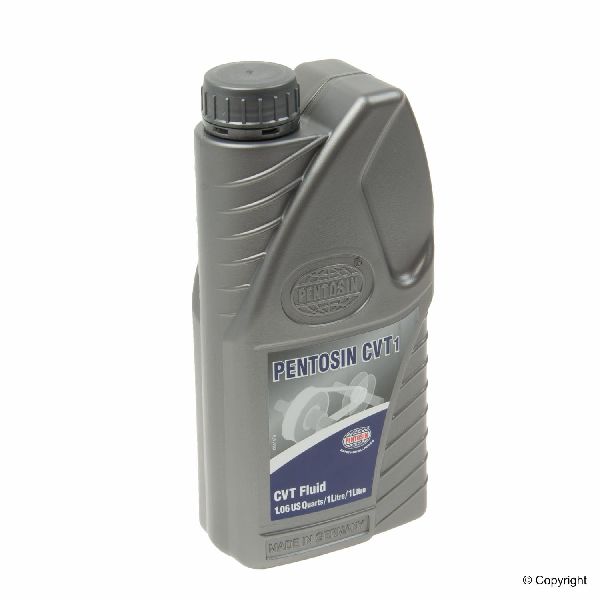
What type of transmission fluid should be used in my 2007-2012 Sentra's CVT?
Are there any Nissan Technical Service Bulletins (TSBs) that relate to this issue?
We Have This Part in Stock

The information in this article is provided for general reference and educational purposes only. Vehicle specifications, procedures, and part compatibility can vary by production date, trim level, and region. Always consult your vehicle's factory service manual and verify part numbers before purchasing or performing repairs. Safety-critical components such as airbags, seat belts, and braking systems should be installed by a qualified professional.
- Nissan Sentra:
- 🧭 Diagnostic Flowchart
- 🛍️ Shop This Part
- What's Unique About the 2007-2012 Nissan Sentra
- Symptoms You May Notice
- Most Likely Causes
- Rare But Worth Checking
- Diagnosis Steps
- Parts You'll Likely Need
- Related Codes That Often Appear With This One
- Technical Service Bulletins (TSBs) & Recalls
- Platform-Specific Known Issues
- Mechanic-Grade Diagnostic Values
- Scan Tool Commands That Help
- Wiring & Ground Locations
- Real Owner Repair Stories
- OEM Part Supersession History
- Model Year Variations Within This Range
- Other Known Issues on This Vehicle
- Used vs. New Parts: Buying Guide for This Vehicle
- Real Owner Stories
- 2007 Nissan Sentra
- 2007-2012 Nissan Sentra
- 2010 Nissan Rogue
- Related OBD-II Codes
- Frequently Asked Questions
- 🎟️ Get 5% Off