

P0716 on 2014-2021 Dodge Durango: Input Speed Sensor Causes and Fixes
On a 2014-2021 Durango, P0716 usually points to a faulty transmission input speed sensor or, more commonly, a damaged internal wiring harness often integrated into a 'lead frame' or 'conductor plate'. This requires a technician to drop the transmission pan and often the valve body for diagnosis and repair, with costs typically ranging from $400 to $900, but can be higher if the entire lead frame assembly needs replacement.
- P0716 on a 2014-2021 Durango indicates a problem with the transmission's input speed sensor signal.
- Common symptoms are serious and include harsh shifting and the transmission entering a protective "limp mode".
- The most likely causes are a failed input speed sensor, a damaged internal wiring harness, or low/dirty transmission fluid.
- This is not a DIY-friendly repair. Due to the complexity of modern 8-speed transmissions, professional service is strongly recommended.
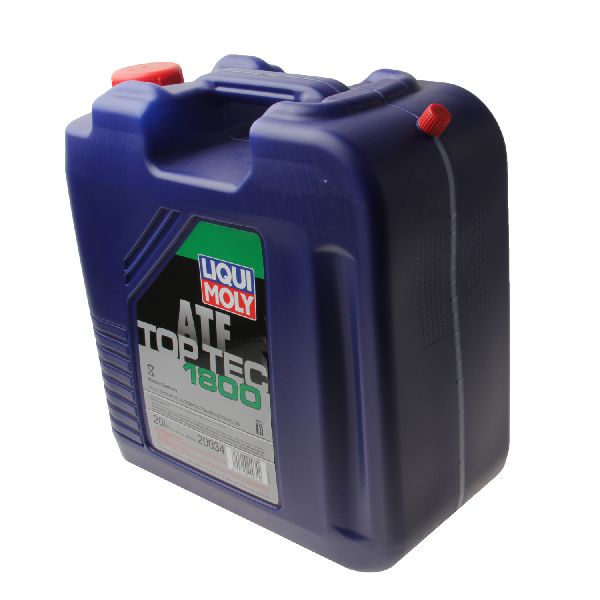
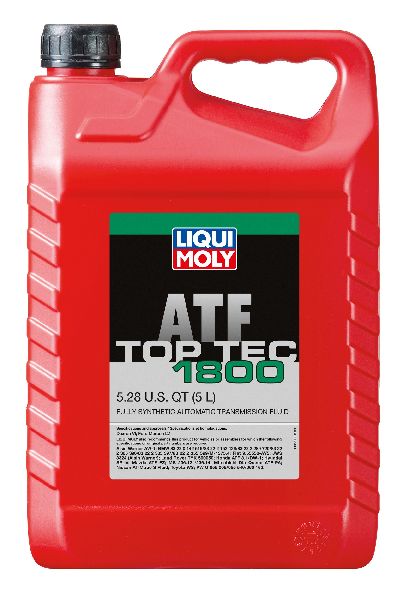
- Always use the manufacturer-specified transmission fluid (Mopar 8&9 Speed ATF) during service to prevent future issues.
What's Unique About the 2014-2021 Dodge DURANGO
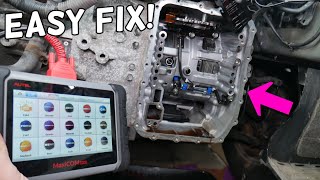
The 2014-2021 Durango uses several versions of the sophisticated ZF-designed 8-speed automatic transmission (like the 8HP70, 850RE, etc.). While generally reliable, these units are known to have issues with internal components. In these transmissions, the input and output speed sensors are often integrated into a larger plastic assembly known as a 'lead frame' or 'conductor plate', which also contains the internal wiring harness. This entire assembly is mounted to the valve body inside the transmission. Thermal cycling and constant exposure to hot fluid can cause this molded plastic and its integrated circuits to fail, leading to P0716 and other related codes. 🎬 Watch: How to fix P0716 and related transmission codes Manufacturer Technical Service Bulletins (TSBs) confirm that P0716 is a known fault code for these specific transmissions, often appearing alongside other transmission-related codes, pointing to this common failure pattern.
Diagnostic Flowchart
Tap your situation to follow the diagnostic path that matches what you're seeing on this vehicle.
Symptoms You May Notice
- Check Engine Light or Transmission Warning Light is on.
- Harsh, erratic, or delayed gear shifts, sometimes feeling like a clunk.
- Vehicle enters "limp mode," getting stuck in one gear. 🎬 Watch: How to diagnose and reset your car's limp mode
- Sluggish or poor acceleration.
- Fluctuating or incorrect speedometer readings.
- Cruise control may become inoperable.
- Replacing the entire transmission when only a sensor or internal harness is needed.
- Replacing the input speed sensor without checking the internal wiring harness (lead frame), leading to a quick return of the code.
- Confusing the transmission input/output speed sensors with the wheel speed sensors used for the ABS system.
Most Likely Causes
- Faulty Input/Turbine Speed Sensor or Integrated Lead Frame 🔴 High Probability → Shop Automatic Transmission Input Shaft Speed Sensor In many ZF 8-speed transmissions, the sensor is not a standalone part but is integrated into a 'lead frame' or 'conductor plate'. This plastic assembly, which also houses wiring and other sensors, is submerged in hot transmission fluid and can become brittle, crack, or have its internal circuits fail over time. This is the most common point of failure.
How to confirm: A technician will use a scan tool to monitor the input speed sensor data in real-time. Dropouts, erratic readings, or a value that doesn't correlate with engine RPM indicate a fault. Visual inspection of the lead frame for cracks or damage after removing the valve body is also a key diagnostic step.
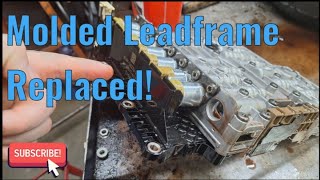
Typical fix: Replace the input speed sensor. If it's part of the lead frame assembly, the entire lead frame must be replaced. 🎬 See this walkthrough of a molded lead frame replacement This requires removing the transmission pan and valve body.
Est. part cost: $50-$150 for a standalone sensor, $250-$500 for a lead frame assembly. - Damaged Internal Transmission Wiring or Connectors 🟡 Medium Probability → Shop Transmission Assembly This is often linked to the lead frame failure, as the wiring is integrated. Constant exposure to heat and transmission fluid can degrade the plastic and wiring, causing intermittent shorts or open circuits. The TSBs group P0716 with other codes, which strongly points to a harness or connector issue affecting multiple components simultaneously.
How to confirm: After dropping the pan, visually inspect the wiring harness (lead frame) leading to the input speed sensor and other solenoids for signs of cracking, chafing, or broken wires. A continuity test with a multimeter should show a resistance of 5.0 Ohms or less on the signal and ground circuits.
Typical fix: Replace the internal transmission wiring harness, which is typically the entire lead frame assembly. This is often done at the same time as a sensor replacement as they are part of the same component.
Est. part cost: $250-$500 - Low or Contaminated Transmission Fluid 🟡 Medium Probability → Shop Transmission Assembly These transmissions are highly sensitive to fluid level and quality. Low fluid can cause pressure issues and erratic operation, while old, dirty fluid containing metallic clutch debris can interfere with the magnetic speed sensor or clog the fine passages in the valve body.
How to confirm: Check the transmission fluid level and condition according to the manufacturer's procedure. This is a sealed transmission, so it must be checked by a technician. The fluid should be the correct color (ZF Lifeguard 8 is typically greenish) and not smell burnt. Dark, burnt-smelling fluid full of debris is a clear indicator of internal wear.
Typical fix: Perform a transmission fluid and filter change using the correct fluid (Mopar 8&9 Speed ATF or ZF-Lifeguard 8). If the fluid is heavily contaminated, it may be a sign of a more serious internal failure.
Est. part cost: $150-$300 - Failing Transmission Control Module (TCM) or Powertrain Control Module (PCM) ⚪ Low Probability → Shop Engine Control Module (ECM) While less common, software glitches or internal failure of the control module can cause it to misinterpret a valid sensor signal. The TCM is part of the 'Mechatronic' unit, which combines the valve body and control module, and is located inside the transmission.
How to confirm: This is a process of elimination. If the sensor, lead frame, and fluid are all confirmed to be good, the TCM becomes the primary suspect. A technician may need to re-flash the module with updated software before condemning it.
Typical fix: Reprogram or replace the faulty control module (Mechatronic unit). Replacement is very expensive and requires programming it to the vehicle's VIN.
Est. part cost: $800-$2000
Rare But Worth Checking
- Internal Mechanical Transmission Failure: → Shop Transmission Assembly Although rare, excessive metal debris from a failing clutch pack (Clutch A and E are known weak points in some ZF 8-speeds) or bearing can contaminate the fluid and stick to the magnetic tip of the speed sensor, causing erratic readings. This would typically be accompanied by other severe symptoms like grinding noises, slipping, or major shifting failures.
- Weak or Failing Battery: On modern Chrysler/Dodge/Jeep vehicles, a battery that is failing or has corroded terminals can cause a host of seemingly unrelated electronic issues, including transmission codes. The sensitive control modules require stable voltage to operate correctly.
Diagnosis Steps
- Connect a professional OBD-II scanner to read the code and check for any other related transmission codes.
- Check and rule out a weak battery or corroded terminals, as this is a known cause of spurious codes on these vehicles.
- Check the transmission fluid level and condition. This must be done by a qualified technician as these are sealed units with a specific fill procedure.
- Use the scan tool to monitor the live data stream for the Input Speed Sensor while driving. Look for erratic signals, dropouts, or readings that don't logically follow engine RPM.
- Inspect the external transmission wiring harness connector for any signs of damage, corrosion, or loose pins.
- If the signal is faulty, the next step is to lift the vehicle and drop the transmission oil pan.
- Visually inspect the input speed sensor and its wiring harness (the lead frame) for any obvious damage, cracks, or signs of overheating.
- Test the sensor's resistance and the circuit's continuity with a multimeter, comparing the readings to the manufacturer's specifications.
- If the sensor and wiring test good, the problem may lie with the valve body or the TCM/PCM, which may require software updates or further specialized testing.
Parts You'll Likely Need
- Transmission Internal Wiring Harness / Lead Frame — This is the most common failure. The plastic frame houses the speed sensors and wiring harness internally. It becomes brittle from heat and fluid exposure, causing circuit failures.
Trusted brands: Mopar, ZF, Dorman
OEM price range: $300-$500
Aftermarket price range: $200-$350 - Transmission Input Speed Sensor — If not integrated into a lead frame, the sensor itself can fail. However, for most 8-speed transmissions in this vehicle, it is part of the lead frame assembly.
Trusted brands: Mopar, NTK, Delphi
OEM price range: $100-$180
Aftermarket price range: $50-$120 - Transmission Pan Gasket, Filter, and Fluid
(OEM #68233701AA (Pan/Filter Kit for some models))— These parts are required for any repair that involves opening the transmission pan. Using the correct Mopar 8&9 Speed ATF (or approved ZF-Lifeguard 8) is critical for proper transmission function.
Trusted brands: Mopar, Mahle, ATP
OEM price range: $200-$350 (for pan/filter kit and fluid)
Aftermarket price range: $150-$250
Related Codes That Often Appear With This One
- P0717 — This code indicates "Input/Turbine Speed Sensor 'A' Circuit No Signal," which is a closely related fault indicating a complete loss of signal rather than an erratic one.
- P0721 — This code relates to the Output Speed Sensor's performance. The PCM compares input and output speeds, so a fault in one can sometimes trigger a code for the other.
- P0733 — This is a code for "Gear 3 Incorrect Ratio." The TSBs S2621000003 and S2621000003 REV.A list P0716 and P0733 together, indicating that an incorrect speed sensor reading prevents the TCM from verifying the correct gear ratio.
- P0700 — This is a generic code indicating that the Transmission Control Module (TCM) has stored a fault. It often appears alongside more specific transmission codes like P0716.
Technical Service Bulletins (TSBs) & Recalls
- S2621000003 REV.A: Groups P0716 with other transmission codes (P07E4, P1DB2, P1B14, P0733, etc.) for a wide range of 8-speed transmissions (845RE, 8HP45, 850RE, 8HP70, etc.), suggesting a common electrical fault path like the internal harness/lead frame.
- S2621000003: The original version of the TSB, also listing P0716 as a known fault code for various 8-speed transmissions like the 850RE and 8HP70.
Platform-Specific Known Issues
- Lead Frame Failure: The most common real-world failure for P0716 on the ZF 8-speed family is the internal molded lead frame. This component serves as a circuit board connecting the TCM to various sensors and solenoids. Owners report that after replacing standalone sensors with no success, the final fix is often the replacement of this entire internal harness assembly, which is a more involved and costly repair.
- Confusion with Wheel Speed Sensors: Some owners and even some repair cost estimators confuse the transmission input/output speed sensors with the ABS wheel speed sensors. These are entirely different parts with different functions and locations. A P0716 code specifically refers to the internal transmission input speed sensor.
Mechanic-Grade Diagnostic Values
- Input Speed Sensor Signal Voltage — expected: Approx. 0.5V at idle, rising proportionally with engine speed to 4.0-4.5V at wide-open throttle.. Failure: Readings outside the 0.5V - 4.5V range, or readings that are erratic and do not follow engine RPM.
- Input Speed Sensor Signal/Ground Circuit Resistance — expected: Below 5.0 Ohms.. Failure: Resistance above 5.0 Ohms indicates an open circuit.
- Input Speed Sensor Signal/Ground Circuit Short to Ground — expected: High resistance (not shorted).. Failure: Resistance below 5.0 Ohms between the circuit and ground indicates a short.
Scan Tool Commands That Help
- wiTECH (Dealer Tool): Quick Learn — Required after replacing the transmission, valve body/TCM (Mechatronic), or clearing adaptation memory cells. It allows the TCM to learn new clutch fill times and pressures. This should not be performed if other TCM DTCs are present.
- wiTECH (Dealer Tool): Reset Adaptive Values — Used before performing the 'Quick Learn' procedure to clear the old learned data from memory. This is a necessary first step to address shift quality concerns or after major component replacement.
- Professional Bidirectional Scanners (Autel, Snap-on, etc.): Transmission Adaptation Reset / Relearn — Used to reset the learned shift patterns stored in the TCM. This can resolve harsh or erratic shifting after a repair or if the vehicle was previously driven differently. The vehicle must be warmed up and the procedure followed exactly as prompted by the scan tool.
Wiring & Ground Locations
- G901a — Left rear of the engine compartment.. A poor ground at this location can cause a variety of electrical issues for components controlled by the PCM/TCM, potentially leading to erratic sensor readings or module behavior.
- G903a — Right front of the engine compartment.. This is another primary engine bay ground point. Corrosion or a loose connection here can affect the stability of the electrical system, impacting sensitive modules like the TCM.
- Transmission Main Connector — On the side of the transmission case, where the main vehicle harness connects to the transmission's internal harness (lead frame).. This is the primary connection point for all transmission electronics, including the input speed sensor. It is a critical point to check for corrosion, bent pins, or fluid intrusion before proceeding with internal repairs.
OEM Part Supersession History
Unknown→68225344AA— This is the current Mopar part number for the transmission oil pan assembly, which includes the integrated filter, gasket, and bolts.
Heads up: This pan fits various ZF 8-speed transmissions including the 8HP45, 850RE, 8HP70, and 8HP75 used across Dodge, Jeep, and Ram models. Always verify fitment with the vehicle's VIN.
Model Year Variations Within This Range
- 2014 - early 2015: A number of owner reports from this period mentioned a rash of valve body issues in Durangos and Grand Cherokees, which could contribute to or be misdiagnosed as a P0716 fault.
- 2014-2021: The specific 8-speed transmission can vary. V6 models typically use the Chrysler-built 845RE or 850RE, while V8 models use the ZF-built 8HP70. While the core design is the same, there are internal differences in clutch packs and torque capacity. The P0716 failure mode related to the lead frame is common to all of them.
Helpful Videos
We Have This Part in Stock



The information in this article is provided for general reference and educational purposes only. Vehicle specifications, procedures, and part compatibility can vary by production date, trim level, and region. Always consult your vehicle's factory service manual and verify part numbers before purchasing or performing repairs. Safety-critical components such as airbags, seat belts, and braking systems should be installed by a qualified professional.
- Dodge DURANGO:
- 🧭 Diagnostic Flowchart
- 🎬 Helpful Videos
- 🛍️ Shop This Part
- What's Unique About the 2014-2021 Dodge DURANGO
- Symptoms You May Notice
- Most Likely Causes
- Rare But Worth Checking
- Diagnosis Steps
- Parts You'll Likely Need
- Related Codes That Often Appear With This One
- Technical Service Bulletins (TSBs) & Recalls
- Platform-Specific Known Issues
- Mechanic-Grade Diagnostic Values
- Scan Tool Commands That Help
- Wiring & Ground Locations
- OEM Part Supersession History
- Model Year Variations Within This Range
- 🎟️ Get 5% Off