

P0716 on 2013-2019 Ford Escape 2.5L: Input Speed Sensor Failure Causes and Fixes
P0716 on a 2013-2019 Ford Escape most often indicates a failing Input/Turbine Speed Sensor (TSS) on the 6F35 transmission. This causes harsh shifting, sluggish acceleration, and can force the vehicle into 'limp mode'. Replacing the externally-mounted sensor or repairing its wiring harness are the most common fixes.
- P0716 on your Escape almost always points to a problem with the Input Speed Sensor (TSS) or its wiring.
- Symptoms are serious and include harsh shifting and the transmission entering a protective 'limp mode'.
- Do not drive for an extended period with this code, as it can cause severe, expensive damage to the transmission's internal clutches.
- The most likely fix is replacing the Input Speed Sensor, which is located on the outside of the transmission and is accessible for a moderately skilled DIYer.
- Always check the transmission fluid level and condition as a first step.
What's Unique About the 2013-2019 Ford Escape
The 2013-2019 Ford Escape with the 2.5L engine uses the 6F35 automatic transmission. For this specific vehicle, the Input/Turbine Speed Sensor (TSS) is a known failure point that can cause erratic and severe shifting behavior. Unlike some transmissions where the sensor is buried deep inside, the TSS on the 6F35 is mounted externally on the top of the transmission case, making it more accessible for diagnosis and replacement, typically after removing the air filter housing.
Symptoms You May Notice
- Harsh, erratic, or delayed gear shifts, sometimes described as a violent 'bang' or 'clunk' when shifting into gear.
- Vehicle enters "limp mode," often stuck in 3rd gear.
- Illuminated Check Engine Light or Wrench light.
- "Transmission Fault Service Now" message on the dashboard.
- Sluggish acceleration as the engine revs but the vehicle doesn't speed up accordingly.
- In some cases, the speedometer may act erratically.
- Manual shift mode may become inoperable.
- Replacing the Output Speed Sensor (OSS) instead of the Input Speed Sensor (TSS). While they work together, P0716 specifically points to the input sensor circuit.
- Replacing the entire valve body when only the externally-mounted sensor is at fault.
- Condemning the entire transmission for a rebuild when the cause is a simple sensor or a single broken wire.
Most Likely Causes
- Faulty Input/Turbine Speed Sensor (TSS) 🔴 High Probability → Shop Automatic Transmission Input Shaft Speed Sensor The sensor is a common failure point on the 6F35 transmission used in the Escape. It can fail internally from heat and age, or the seal can leak, allowing fluid to contaminate the electronics.
How to confirm: Using a scan tool, monitor the live data for the Input Speed Sensor RPM (PID: TSS_SRC). If the reading is erratic, drops to zero intermittently while driving, or doesn't correlate with engine RPM, the sensor is likely bad. A visual inspection may also reveal transmission fluid leaking from the sensor's connector.
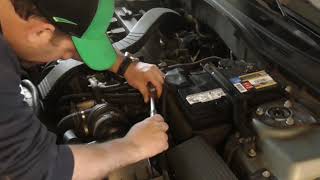
Typical fix: Replace the Input/Turbine Speed Sensor. On the 2.5L Escape, this sensor is located on the outside of the transmission case, often accessible after removing the air filter box. The OEM part number is often cited as DL8Z-7M101-A 🎬 Watch this step-by-step sensor replacement guide or superceded by DY-1253.
Est. part cost: $40-$100 - Damaged Wiring or Connector 🟡 Medium Probability The wiring harness near the transmission is exposed to heat, vibration, and potential fluid leaks, which can cause wires to fray, insulation to crack, or connector pins to corrode. A single broken wire right at the connector, sometimes inside the insulation, is a very common failure point.
How to confirm: Visually inspect the wiring harness leading to the Input Speed Sensor for any signs of damage, melting, or corrosion. Gently tug on each wire at the connector to check for a break inside the insulation. Unplug the connector and check for bent or corroded pins. Perform a continuity test on the signal and ground wires between the sensor and the TCM; resistance should be less than 5 ohms.
Typical fix: Repair the damaged section of the wire or replace the connector pigtail. The Motorcraft pigtail kit is WPT-1285. 🎬 See how to fix the sensor wiring connector Clean any corrosion from the connector pins.
Est. part cost: $15-$40 - Low or Contaminated Transmission Fluid ⚪ Low Probability → Shop Transmission Assembly
How to confirm: Check the transmission fluid level and condition according to the manufacturer's procedure. If the fluid is very low, dark, or has a burnt smell, it can cause a variety of transmission issues, including erratic sensor readings. Poor fluid condition is a known killer of the 6F35 transmission.
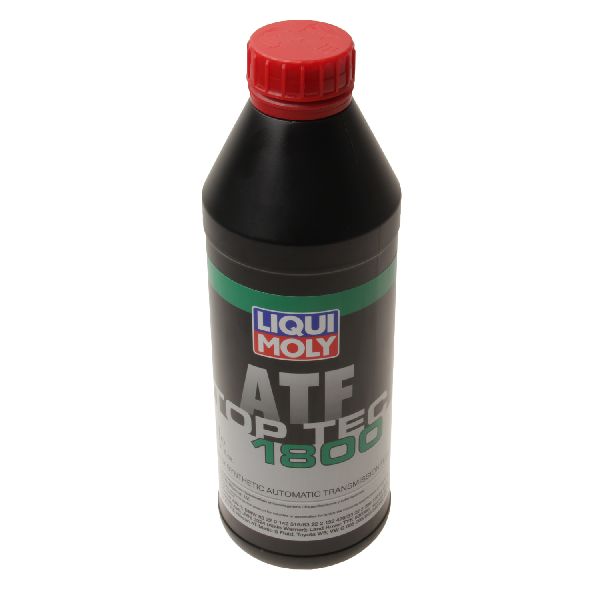
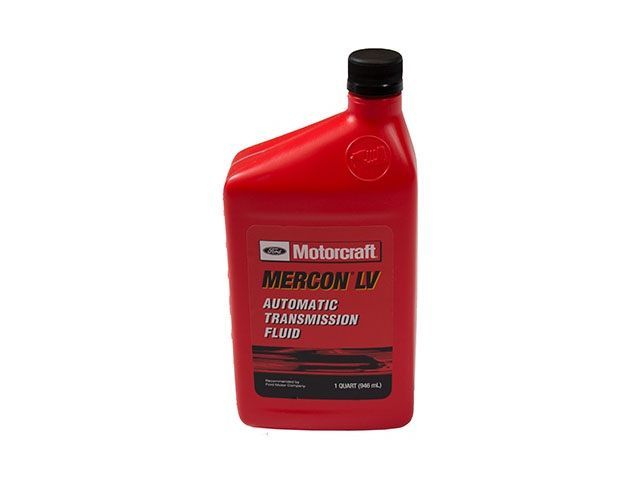
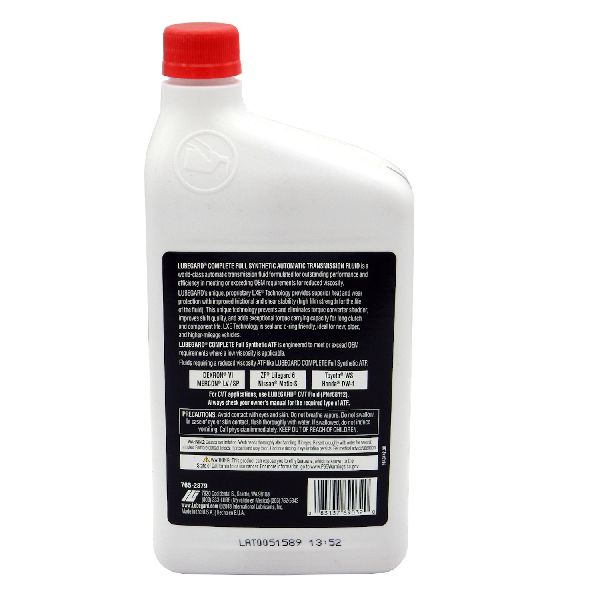
Typical fix: Top off the fluid to the correct level or perform a transmission fluid drain and fill using the specified fluid (Ford MERCON LV). If the fluid is heavily contaminated with metal debris, it may indicate a more severe internal transmission problem.
Est. part cost: $60-$150 for fluid
Rare But Worth Checking
- Faulty Transmission Control Module (TCM) or Powertrain Control Module (PCM): → Shop Engine Control Module (ECM) This is rare for this specific code on the 6F35, unlike on the DPS6 transmission used in the Focus. The control module can fail to interpret a correct sensor signal, but all other causes, especially the sensor and wiring, should be ruled out first.
- Internal Mechanical Transmission Failure: → Shop Transmission Assembly If the transmission fluid is full of metal shavings, it could indicate a failing torque converter or damaged clutch components, which would cause the input shaft speed to be genuinely erratic. This is a worst-case scenario and would likely be accompanied by other severe symptoms.
Diagnosis Steps
- Connect an OBD-II scanner and confirm P0716 is present. Check for any other transmission-related codes like P0715 or P0717.
- Use a scanner with live data capability to monitor the 'Input/Turbine Speed Sensor' RPM (PID: TSS_SRC) while driving. Observe if the signal is erratic, jumps around, or drops to zero, especially during shifts.
- Check the transmission fluid level and condition. The fluid should be at the proper level and reddish in color, not dark brown or black.
- Visually inspect the wiring harness and connector for the Input Speed Sensor. Look for any signs of damage, corrosion, or fluid contamination. Gently pull on each wire at the connector to check for breaks hidden by the insulation.
- If the wiring looks good, the next step is to replace the Input Speed Sensor, as it is the most common failure point.
- After replacement, clear the codes and perform a test drive. If the code returns, a more thorough wiring test is needed.
- Perform a continuity and resistance test on the wiring between the sensor connector and the TCM connector to rule out an intermittent open or short circuit. Resistance should be less than 5 ohms, and resistance to ground should be greater than 10,000 ohms.
- If the sensor and wiring are confirmed to be good, the problem may lie with the Transmission Control Module (TCM), which may require professional diagnosis.
Parts You'll Likely Need
- Input/Turbine Speed Sensor (TSS)
(OEM #DL8Z-7M101-A (Motorcraft DY-1253))— This sensor is the most frequent cause of the P0716 code on the 6F35 transmission due to internal failure or leaking seals.
Trusted brands: Motorcraft, Delphi, NTK
OEM price range: $70-$120
Aftermarket price range: $40-$80 - Input Speed Sensor Connector Pigtail
(OEM #WPT-1285 (Motorcraft))— Often the wires break right at the connector due to vibration and heat, requiring the connector to be cut off and a new pigtail spliced in.
Trusted brands: Motorcraft, Dorman
OEM price range: $25-$40
Aftermarket price range: $15-$30 - Ford MERCON LV Automatic Transmission Fluid
(OEM #XT-10-QLVC)— Required if the fluid level is low or if a drain and fill is performed during the repair. Using the correct fluid is critical for transmission health.
Trusted brands: Motorcraft
OEM price range: $8-$12 per quart
Related Codes That Often Appear With This One
- P0715 — This code indicates a complete loss of signal ('Circuit Malfunction') from the input speed sensor, while P0716 indicates an erratic signal ('Range/Performance'). They often point to the same failing component and can appear together.
- P0717 — Similar to P0715, this code means 'No Signal' from the input speed sensor. It's common to see these codes together or interchangeably depending on the exact failure mode of the sensor or wiring.
- P0700 — This is a generic code indicating that the Transmission Control Module (TCM) has stored a fault. P0716 is the specific fault that the TCM detected.
Technical Service Bulletins (TSBs) & Recalls
- TSB 16-0125: Addresses a delayed engagement or shudder when shifting from Drive to Reverse on 2016 models with the 2.5L engine, fixed by a PCM reprogram.
Platform-Specific Known Issues
- A Ford Technical Service Bulletin (TSB 16-0125) was issued for some 2016 Escapes with the 2.5L engine for a delayed engagement or shudder when shifting from Drive to Reverse. The fix is a PCM reprogram. While it doesn't cite P0716 directly, it addresses related transmission control software.
Mechanic-Grade Diagnostic Values
- TSS Sensor Signal Voltage — expected: ~0.5V at idle, rising proportionally with engine speed to 4.0-4.5V at wide-open throttle.. Failure: Any reading outside the 0.5V - 4.5V range, or a signal that is erratic or drops out.
- TSS Circuit Continuity (Sensor to TCM) — expected: Less than 5.0 ohms.. Failure: Resistance higher than 5.0 ohms indicates an open or high resistance in the wiring.
- TSS Circuit Short to Ground — expected: Greater than 10,000 ohms.. Failure: Resistance less than 10,000 ohms indicates a short to ground in the circuit.
Scan Tool Commands That Help
- FORScan or Ford IDS: Clear Transmission Adaptive Tables — This function MUST be performed after replacing the transmission, valve body, or a speed sensor to reset the PCM's learned shift strategy. Failure to do so can result in continued poor shifting even after the repair. Some technicians recommend running the procedure three times, cycling the key between each attempt, to ensure it completes successfully on quirky PCMs.
- FORScan or Ford IDS: Transmission Characterization Update — This is required when replacing the valve body or entire transmission, as it programs the unique solenoid strategy ID from the new component into the PCM. It is not typically required for just a sensor replacement.
Wiring & Ground Locations
- G104 — Located on the top rear of the transmission.. This is a major ground point for powertrain components. A loose or corroded connection at G104 can cause erratic sensor readings and various transmission-related fault codes. It should be inspected and cleaned as part of a thorough wiring diagnosis.
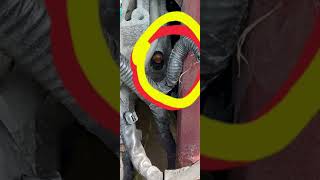
- TSS Connector — Externally on top of the transmission case, often under the air filter housing.. This is the primary point of failure for wiring issues. Wires can break inside the insulation right at the connector due to heat and vibration. A 'wiggle test' on this harness while monitoring live data can expose an intermittent connection.
Real Owner Repair Stories
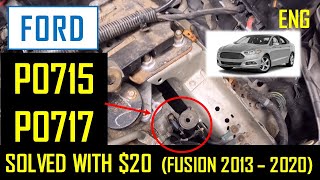
- YouTube video from a Ford Fusion owner (same 6F35 transmission) (Ford Fusion with 6F35 transmission) — Severe 'banging' and 'clunking' during shifts, codes P0715/P0717.
❌ Tried (didn't work) A transmission shop diagnosed the issue as a failed transmission requiring a full rebuild.
✅ What actually fixed it The owner found a single broken wire in the harness leading to the speed sensor. Repairing the wire resolved all symptoms and codes.
OEM Part Supersession History
9L8Z-7M101-A, 9L8Z-7M101-B→DL8Z-7M101-A (Motorcraft Service Part Number DY-1253)— Part revision and consolidation over time.
Heads up: The current part DL8Z-7M101-A / DY-1253 is the correct replacement for the entire 2013-2019 generation.
Model Year Variations Within This Range
- 2017-2019: The 2017 model year introduced a mid-generation facelift with updated exterior styling and the replacement of the MyFord Touch infotainment system with SYNC 3. While the 2.5L engine and 6F35 transmission remained, be aware of these changes when sourcing other unrelated parts.
Diagnostic Flowchart
Other Known Issues on This Vehicle
Issues unrelated to this code that are worth knowing about as an owner of this generation:
- Degraded Shifter Cable Bushing 🔴 High — Extremely common across millions of Ford vehicles, including the 2013-2019 Escape. Can fail at any mileage. (Ref: Recall 22S43 (also 18S20). The bushing can detach, causing the vehicle to not be in the gear selected by the driver (e.g., shows Park but is in Neutral), leading to rollaway risk.)
- Engine Coolant Intrusion (EcoBoost Engines) 🔴 High — A widespread and well-documented issue primarily on the 1.5L, 1.6L, and 2.0L EcoBoost engines, not the 2.5L. Often occurs between 60k-100k miles. (Ref: TSB 19-2375 addresses this for the 1.5L engine, often requiring a short block replacement.)
- Faulty Door Latches 🟠 Medium — Common on 2013-2015 models, leading to doors that won't close properly or could open while driving. (Ref: Recall 16S30. Ford issued multiple recalls to replace the faulty door latch components.)
- Transmission Failure (Early Models) 🟠 Medium → Shop Transmission Assembly — More common in 2013-2014 models, with complaints of complete transmission failure, though some issues were related to fluid leaks from axle seals. (Ref: TSB 16-0043 addresses a leaking driver-side front axle seal.)
Used vs. New Parts: Buying Guide for This Vehicle
When a used part is the smart pick: For this repair, using used parts is generally not recommended. The primary failure items (sensor, connector pigtail) are low-cost wear items. A used sensor carries the same risk of failure as the one being replaced. A used wiring pigtail from a junkyard might be an option if a new one is unavailable, but its plastic may be brittle.
Donor-vehicle mileage cap: roughly under 80000 miles for the part to have meaningful remaining life.
What to inspect on the donor part:
- For a wiring pigtail: Check for flexible, non-brittle wiring insulation.
- Ensure the connector's locking tab is intact.
- Inspect pins for any signs of corrosion or being pushed out.
OEM-only on this vehicle (don't cheap out):
- Input/Turbine Speed Sensor (TSS)
- Transmission Fluid (MERCON LV)
Aftermarket brands forum-validated for this vehicle:
- Motorcraft (OEM for sensor and pigtail)
- NTK (often an OEM supplier, good reputation for sensors)
Brands owners have reported issues with on this vehicle:
- Unnamed, no-brand 'white box' sensors from online marketplaces. Forum discussions frequently mention these failing shortly after installation, leading to repeat labor.
Real Owner Stories
Aggregated from forums and TSBs cited above. Mileages and costs reflect what owners reported in those sources.
2013-2020 Ford Fusion 2.5L
Symptoms: Severe 'banging' symptoms and codes P0715/P0717. A repair shop had quoted a full transmission replacement.
What fixed it: The owner discovered a broken wire at the sensor connector rather than a failed internal transmission component.
Source hint: https://www.youtube.com/watch?v=k_zO-b8b35s - A detailed video from a Ford Fusion owner (same 6F35 transmission)
Related OBD-II Codes
Frequently Asked Questions
My 2016 Ford Escape 2.5L has a shudder when shifting into Reverse; is this related to code P0716?
Where is the Input Speed Sensor located on the 2.5L Escape, and can I change it myself?
I was told I need a whole new transmission for my Ford Escape, but I only have P0716. Is there a cheaper fix?
Is there a specific wiring kit I should use to fix a damaged TSS connector?
Could my P0716 code be caused by the shifter cable bushing recall?
Does the 2.5L engine suffer from the same coolant intrusion issues as other Escapes?
Helpful Videos
We Have This Part in Stock


The information in this article is provided for general reference and educational purposes only. Vehicle specifications, procedures, and part compatibility can vary by production date, trim level, and region. Always consult your vehicle's factory service manual and verify part numbers before purchasing or performing repairs. Safety-critical components such as airbags, seat belts, and braking systems should be installed by a qualified professional.
- Ford Escape:
- 🧭 Diagnostic Flowchart
- 🎬 Helpful Videos
- 🛍️ Shop This Part
- What's Unique About the 2013-2019 Ford Escape
- Symptoms You May Notice
- Most Likely Causes
- Rare But Worth Checking
- Diagnosis Steps
- Parts You'll Likely Need
- Related Codes That Often Appear With This One
- Technical Service Bulletins (TSBs) & Recalls
- Platform-Specific Known Issues
- Mechanic-Grade Diagnostic Values
- Scan Tool Commands That Help
- Wiring & Ground Locations
- Real Owner Repair Stories
- OEM Part Supersession History
- Model Year Variations Within This Range
- Other Known Issues on This Vehicle
- Used vs. New Parts: Buying Guide for This Vehicle
- Real Owner Stories
- 2013-2020 Ford Fusion 2.5L
- Related OBD-II Codes
- Frequently Asked Questions
- 🎟️ Get 5% Off