

P0720 on 2003-2010 BMW 5 Series (E60): Output Speed Sensor Fault Causes and Fixes
On the 2003-2010 BMW 5 Series (E60) with the ZF 6HP transmission, code P0720 is rarely a bad sensor. It's almost always caused by internal hydraulic leaks due to failed rubber seals on the mechatronics unit. The fix involves replacing the transmission pan/filter, fluid, and a set of inexpensive but critical seals located inside the transmission.
- P0720 on an E60 BMW is a transmission code that almost never means the sensor itself has failed.
- The most common cause is failed rubber seals (sealing sleeve and bridge seal) for the mechatronics unit, leading to internal hydraulic pressure loss.
- The correct repair involves a transmission service: dropping the pan/filter, replacing the seals, and refilling with the correct fluid.
- This is not a beginner-friendly DIY job and is best left to a qualified technician familiar with BMWs.
- Do not confuse the internal transmission speed sensor with the external ABS wheel speed sensors.
What's Unique About the 2003-2010 BMW 5 Series
The 2003-2010 (E60) 5 Series primarily uses a ZF 6-speed automatic transmission (ZF 6HP19, 6HP26, or 6HP28 depending on the engine). Unlike many vehicles where the output speed sensor is an easily replaceable external part, on the ZF 6HP it's integrated within the transmission's complex electronic valve body, known as the mechatronics unit. Consequently, a P0720 code is very rarely solved by replacing the 'sensor' but by addressing the common hydraulic pressure losses that cause the sensor's readings to conflict with other transmission data. The TCM interprets this hydraulic slip as an impossible speed reading, triggering the P0720 fault.
Symptoms You May Notice
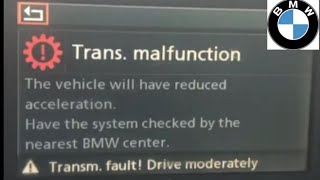
- "Transmission Fault" or "Transmission Malfunction" message on the iDrive display
- Vehicle enters 'limp mode,' often getting stuck in a single high gear (e.g., 3rd or 4th).
- Extremely sluggish acceleration from a stop
- Harsh, jerky, or delayed gear shifts, sometimes described as a 'slam' into gear.
- Illuminated Check Engine Light or Transmission Warning Cog icon
- Speedometer may function erratically or not at all
- Inability to shift out of Park, requiring manual override.
- Attempting to replace a standalone 'Output Speed Sensor'. This part is not available separately for the ZF 6HP transmission; it is integrated into the mechatronics unit.
- Confusing the transmission Output Speed Sensor with the ABS/DSC Wheel Speed Sensors. Wheel speed sensors are located at each wheel hub and are part of the braking and stability control systems, not the transmission.
- Replacing the transmission without diagnosing the root cause. Many transmissions have been replaced when a much cheaper mechatronics seal and fluid service would have solved the problem.
Most Likely Causes
- Failed Mechatronics Sealing Sleeve and Bridge Seal 🔴 High Probability The rubber seals become hard and brittle with age and heat cycles, causing them to lose their sealing ability. This results in internal hydraulic pressure loss between the mechatronics unit and the transmission casing, which the TCM interprets as a fault because the clutches slip.
How to confirm: This is the most likely cause and is typically diagnosed by ruling out other issues. The definitive confirmation is visual inspection of the seals after removing the mechatronics unit, where cracks or flattening will be evident. A common symptom is the fault appearing only after the transmission warms up, as the fluid becomes less viscous and leaks more easily through the bad seals.
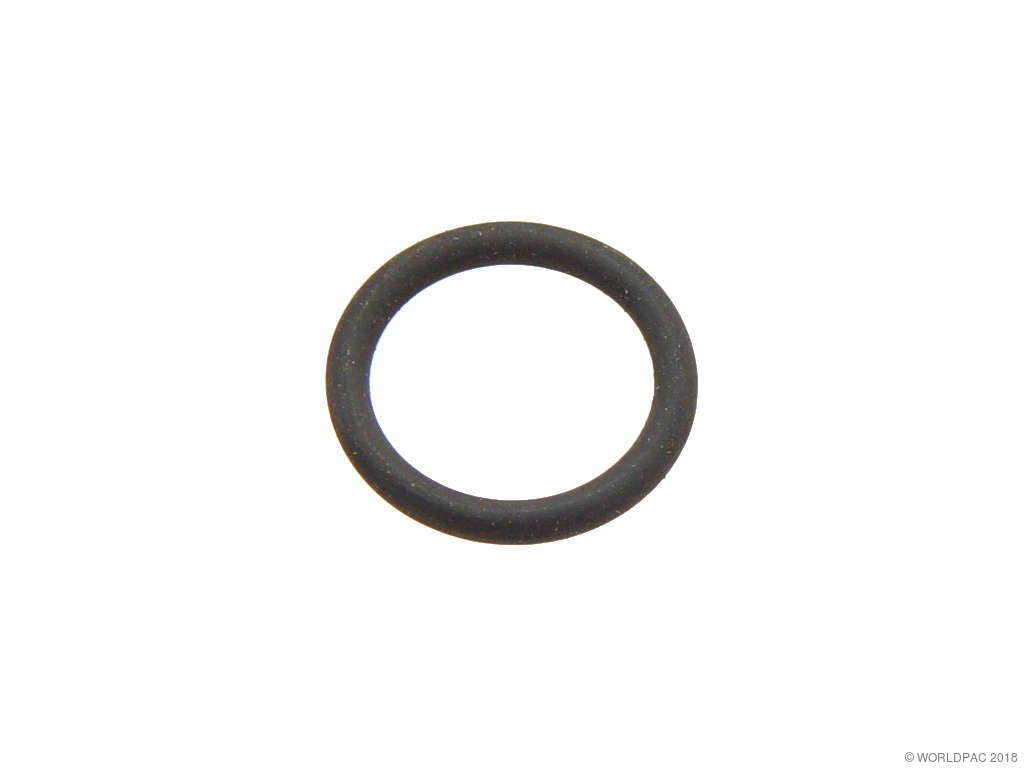
Typical fix: Replace the mechatronics sealing sleeve (adapter), the bridge seal, and often a set of four smaller tube seals. This is done as part of a larger service that includes a new pan/filter and fluid.
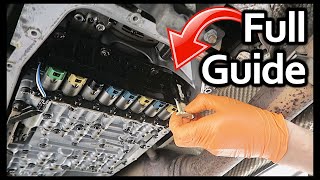
Est. part cost: $50-$100 for the full seal and pan kit 🎬 See this walkthrough for replacing the mechatronic seals and sleeves.
- Low or Degraded Transmission Fluid 🟡 Medium Probability → Shop Transmission Assembly BMW marketed the fluid as 'lifetime,' but it degrades significantly after 60,000-80,000 miles, losing its viscosity and hydraulic properties. This can cause the same symptoms as seal failure.
How to confirm: Check for leaks under the vehicle, especially around the pan gasket and the electrical connector sleeve. The fluid level can only be accurately checked by a technician, as it requires the vehicle to be level and the fluid to be at a specific temperature (typically 30-50°C). Dark, burnt-smelling fluid is a clear indicator of degradation.
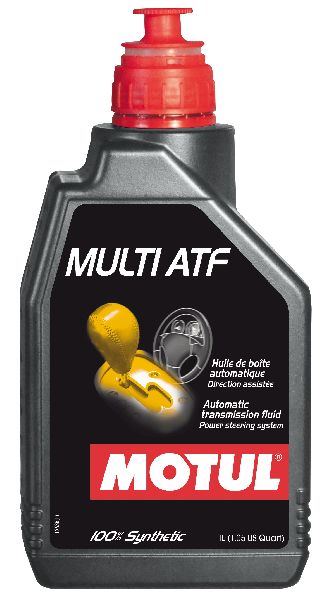
Typical fix: Perform a transmission fluid and filter service. This involves draining the old fluid, replacing the transmission pan (which has an integrated filter), and refilling with the correct type of fluid (e.g., ZF Lifeguard 6). This is often done in conjunction with replacing the seals.
Est. part cost: $150-$300 for a pan/filter kit and fluid - Faulty Mechatronics Solenoids ⚪ Low Probability The solenoids are electro-hydraulic valves that control fluid flow for gear changes. They can wear out or fail electrically over time, causing erratic shifting and pressure control issues that can mimic other faults.
How to confirm: Requires advanced diagnostics with BMW-specific software (like ISTA/INPA) to test solenoid function and view adaptation values. Often diagnosed after replacing seals and fluid does not resolve the issue. A resistance check can be performed with the mechatronics removed.
Typical fix: Replace the set of solenoids on the mechatronics unit. This is an expensive and labor-intensive job, but can be done with the mechatronics unit removed from the car.
Est. part cost: $400-$800 for a solenoid kit
Rare But Worth Checking
- Failed Mechatronics Unit (TCU): → Shop Transmission Valve Body This is the 'brain' of the transmission. While rare, a complete failure of the unit's internal electronics (which house the speed sensors) can occur. This is a last resort after all other causes have been eliminated, as it is very expensive. A user in a forum reported this was the fix for their E60 530i.
- Wiring Harness Damage: The wiring harness leading to the transmission's main connector could be damaged, though this is uncommon. Fluid can leak through a failed sealing sleeve and wick up the wiring harness, causing corrosion and connection issues at the TCM. Check for any signs of physical damage or ATF contamination at the main connector.
Diagnosis Steps
- Scan the vehicle for fault codes using a BMW-capable scanner to confirm P0720 and any other related transmission codes (e.g., 4F85, 507D). Note if the fault occurs only when hot.
- With the engine off, inspect the transmission case and pan for any signs of fluid leaks. Pay close attention to the area around the main electrical connector, as this indicates a failed sealing sleeve.
- Check the main electrical connector on the transmission for fluid intrusion, corrosion, or damage.
- Given the high probability of seal failure, the most practical next step is to plan for a transmission service. This is a significant job requiring a lift and specialized tools.
- Drop the transmission pan to drain the fluid. Inspect the fluid's condition (color, smell) and check the magnets in the pan for excessive metal debris (a sign of severe internal wear).
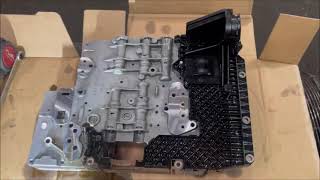
- Carefully remove the mechatronics unit following a detailed guide. It is heavy and must be lowered straight down.
- Inspect and replace the mechatronics sealing sleeve (adapter), the bridge seal, and the four tubular seals. The old seals will likely be cracked and hard.
- While the mechatronics unit is out, consider replacing the solenoids as a preventative measure if the vehicle has high mileage.
- Reinstall the mechatronics unit, ensuring the gear selector is correctly engaged. Torque bolts to specification in the correct sequence (typically 8-10 Nm).
- Install a new transmission pan/filter assembly with a new gasket and bolts.
- Refill the transmission with the correct fluid (e.g., ZF Lifeguard 6 or equivalent) 🎬 Watch: A step-by-step guide to the ZF6HP fluid replacement procedure. following the precise manufacturer procedure, which involves cycling through gears and checking the level at a specific fluid temperature (usually 40°C).
- Clear all fault codes and reset transmission adaptations using a diagnostic tool. Perform a test drive to ensure normal shifting operation.
Parts You'll Likely Need
- Transmission Pan and Filter Kit
(OEM #24152333907)— The filter is integrated into the pan and must be replaced during a fluid service. Kits often include new bolts and a fill plug.
Trusted brands: ZF, Vaico, Febi
OEM price range: $150-$200
Aftermarket price range: $80-$150 - Mechatronics Sealing Sleeve (Adapter)
(OEM #24107536339)— This is a primary failure point for hydraulic pressure loss that triggers the P0720 code. A revised part exists.
Trusted brands: ZF, Genuine BMW
OEM price range: $15-$25
Aftermarket price range: $10-$20 - Mechatronics Valve Body Seal Adapter (Bridge Seal)
(OEM #24347588725)— The 'figure 8' or 'bridge' seal is the other critical seal that hardens and causes pressure loss between the valve body and transmission case.
Trusted brands: ZF, Transtec
OEM price range: $20-$30
Aftermarket price range: $15-$25 - Mechatronics Valve Body Tube Seals (Set of 4)
(OEM #24107519314, 24107519315, 24107520715)— These four small tubular seals also fail along with the bridge seal and sleeve, and should always be replaced at the same time.
Trusted brands: ZF
OEM price range: $20-$40 (for set)
Aftermarket price range: $15-$30 (for set)
Related Codes That Often Appear With This One
- P0721 — Stands for 'Output Speed Sensor Circuit Range/Performance'. It often appears with P0720 as it indicates the sensor signal is irrational, which is a direct result of the same underlying hydraulic issues.
- P0722 — Stands for 'Output Speed Sensor Circuit No Signal'. This can be triggered if the hydraulic failure is severe enough that the TCM receives no plausible signal at all.
- 4F85 — This is a BMW-specific code for 'Ratio monitoring, clutch E'. It directly points to clutch slippage, which is the mechanical result of the hydraulic pressure loss that causes the irrational speed sensor readings of P0720.
Technical Service Bulletins (TSBs) & Recalls
- SI B 24 08 06 - Dated March 2010, this BMW Service Information bulletin addresses 'ZF 6HP Transmissions - Mechatronic Sealing Sleeve Seepage'. It notes that fluid seepage is caused by the sealing sleeve's O-rings and provides the updated part number 24 34 7 588 725. It cautions that 'oil wetness' alone does not justify a repair, only a substantial leak.
Platform-Specific Known Issues
- DIY Repair Experience on 5Series.net: A user on 5Series.net documented their experience replacing the mechatronic unit. Key tips include leaving two pan bolts loose to let the pan drain at an angle for hours, the difficulty of prying out the old sealing sleeve, and the importance of lubricating the new square seals before installation.
- YouTube DIY Walkthrough: A detailed YouTube video by user 'dcal' for a 2006 530Xi shows the entire process, including torque specs (8Nm for mechatronic bolts, 6Nm for solenoid module bolts) and a step-by-step list from removing panels to reinstalling the mechatronic unit. The user was fixing a 'clunk' when shifting from 3rd to 2nd when hot.
- Technician Discussion on iATN: A professional technician on the iATN network described a case where P0720 would only set when the car was idling in Drive. They observed erratic turbine speed readings on their scanner, jumping from 0 to over 3000 RPM while stationary, which correctly pointed them away from a mechanical speed sensor issue and towards a hydraulic or electronic control problem.
Mechanic-Grade Diagnostic Values
- Mechatronics Solenoid Resistance — expected: 5.0 Ohms at 20°C (68°F). Failure: A reading significantly higher or lower than 5.0 Ohms indicates a faulty solenoid coil.
- Live Data - Input Speed Sensor (Turbine Speed) — expected: Should mirror engine RPM in Park or Neutral. Should drop to zero when shifted into Drive with the brake applied. Should increase with vehicle speed when driving.. Failure: No reading in Park, or an erratic/unchanging reading while driving, points to a sensor or wiring issue within the mechatronics unit.
Scan Tool Commands That Help
- ISTA (BMW Dealer Software): Clear transmission adaptations / Reset learned values — This function must be performed after replacing mechatronics components like seals or solenoids, or after a fluid service. It forces the TCM to relearn clutch fill times and pressures with the new/clean components, ensuring smooth shifting and preventing premature wear.
- ISTA: Vehicle Test / Component Test Plan — ISTA can run a guided diagnostic test plan for the P0720 fault, which may include actuating individual solenoids and checking for expected pressure responses to help isolate a faulty component.
Wiring & Ground Locations
- Main Transmission Connector (16-pin) — On the passenger side of the transmission case, towards the rear. The mechatronics sealing sleeve (a common leak point) seals this connector.. This is the sole electrical connection to the mechatronics unit, carrying power, ground, and CAN bus signals. A leak through the sealing sleeve can contaminate these pins, causing a wide range of faults including P0720. Pinouts are critical for advanced diagnostics.
- Pin 13 & Pin 16 (Ground) — On the 16-pin main transmission connector.. These are the two ground pins for the mechatronics unit (TCM). A poor connection here due to corrosion from a fluid leak can cause erratic sensor readings and trigger P0720.
- Pin 14 (Power) — On the 16-pin main transmission connector, provides permanent positive voltage.. This pin supplies power to the entire mechatronics unit. Voltage drop or intermittent connection here will shut down the TCM and all sensors, logging multiple faults.
- Pin 2 (CAN Low) & Pin 6 (CAN High) — On the 16-pin main transmission connector.. These pins carry the communication signals between the TCM and the rest of the vehicle. A fault here will prevent the TCM from reporting shaft speed to the DME and other modules, causing limp mode and P0720.
Real Owner Repair Stories
- Reddit user in r/E90 (2006 BMW 330i (E90) with ZF 6HP transmission) — Transmission fault alert, "Drive moderately" message, diagnosed with worn clutch E and slipping between 4th and 5th gear.
❌ Tried (didn't work) Initial diagnosis suggested a full transmission rebuild.
✅ What actually fixed it The user replaced the mechatronic sleeves, all solenoids, and performed a fluid/filter service. This completely resolved the 4-5 slip and the fault codes. - Reddit user in r/BmwTech (BMW E60 (model unspecified)) — "Transmission failsafe activated" message, harsh/slamming engagement into Drive, and delayed engagement.
❌ Tried (didn't work) A transmission fluid flush was performed, which only temporarily resolved the issue for a few months.
✅ What actually fixed it Another user reported they had to swap the entire transmission after replacing solenoids and seals did not fix their issue, indicating a more severe internal mechanical failure.
When the Usual Fixes Don't Work
- While the vast majority of P0720 faults on the E60 are resolved by replacing the mechatronics seals and sleeve, there are documented cases where this does not solve the problem. One owner on a forum reported that after replacing the seals and solenoids, the issue persisted. The final solution was to replace the entire transmission, suggesting a deeper mechanical failure such as a cracked clutch drum or worn internal hard parts that were causing the slippage and irrational speed readings.
OEM Part Supersession History
ZF 050121627201→BMW 24347588725— The original bridge seal design was prone to hardening and cracking over time. The updated part is made from a more durable rubber compound to better withstand heat cycles and maintain its sealing properties longer.
Model Year Variations Within This Range
- 2003-2007 (Pre-LCI): Primarily used the 'Generation 1' ZF transmissions (6HP19, 6HP26, 6HP32). These have slightly different internal components and mechatronics programming than later models.
- 2008-2010 (LCI): Switched to 'Generation 2' ZF transmissions (6HP21, 6HP28). These units featured an upgraded mechatronic for faster shifts and improved oil flow. The solenoids, valve body separator plate, and some internal seals are different from Gen 1 and are not interchangeable. The electronic shift-by-wire gear selector was also introduced.
Diagnostic Flowchart
Other Known Issues on This Vehicle
Issues unrelated to this code that are worth knowing about as an owner of this generation:
- N52/N54 Electric Water Pump Failure 🔴 High — Very common. Fails with little warning, typically between 60,000 and 100,000 miles. Failure can cause rapid overheating and engine damage.
- Oil Leaks (Valve Cover, Oil Filter Housing, Oil Pan Gaskets) 🟠 Medium — Extremely common on all engine variants as the vehicle ages. Gaskets become brittle and leak oil onto other components. Typically starts after 80,000 miles.
- iDrive CCC Unit Failure 🟠 Medium — Common on pre-LCI (pre-2008) models. The Car Communication Computer fails, leading to a blank screen, constant rebooting, or battery drain. Often heat-related.
- Active Roll Stabilization (Dynamic Drive) Hydraulic Leaks 🔴 High — Common on equipped vehicles. The hydraulic lines or the stabilizer bar itself can develop leaks, which is an expensive repair. Some owners opt to replace it with a standard sway bar.
- N54 High-Pressure Fuel Pump (HPFP) Failure 🔴 High — Specific to the 535i models with the N54 twin-turbo engine. Early versions of the HPFP were prone to failure, causing long cranks, reduced power, and limp mode. Subject to recalls and extended warranties. (Ref: Multiple recalls and extended warranties were issued by BMW.)
- Suspension Control Arm Bushing Wear 🟡 Low — Front control arm bushings (thrust arms) wear out, causing clunking noises over bumps and vague steering feel. Typically needs replacement every 50,000-70,000 miles.
Used vs. New Parts: Buying Guide for This Vehicle
When a used part is the smart pick: A complete, used transmission from a low-mileage donor car can be a cost-effective alternative to a full rebuild if significant internal hard-part damage is confirmed (e.g., excessive metal in the pan). A used mechatronics unit is risky, as it likely has the same age-related seal and solenoid issues.
Donor-vehicle mileage cap: roughly under 80000 miles for the part to have meaningful remaining life.
What to inspect on the donor part:
- Verify the donor vehicle's mileage and VIN to confirm compatibility (Pre-LCI vs. LCI).
- Ask for a service history; a transmission that has had a fluid service is preferable.
- Inspect the fluid from the donor transmission if possible. It should not be black or smell burnt.
- Check the main electrical connector for any signs of fluid leaks, indicating the seals are already failing.
OEM-only on this vehicle (don't cheap out):
- Mechatronics Sealing Sleeve
- Mechatronics Bridge Seal and Tube Seals
- Transmission Pan/Filter Gasket
Aftermarket brands forum-validated for this vehicle:
- ZF (Original Equipment Manufacturer for the transmission, pan, and seals)
- Sonnax (Offers 'Zip Kits' which are highly regarded for addressing valve body wear and hydraulic leaks)
- Transtec (Known for quality aftermarket seal kits)
Brands owners have reported issues with on this vehicle:
- Unbranded, no-name solenoid kits from online marketplaces. The quality control is often poor, and they can fail quickly or cause performance issues.
Real Owner Stories
Aggregated from forums and TSBs cited above. Mileages and costs reflect what owners reported in those sources.
2006 BMW 530Xi
Symptoms: Experienced a 'clunk' when shifting from 3rd to 2nd gear specifically when the transmission was hot.
What fixed it: Performed a DIY mechatronic service including replacing the mechatronic unit seals and fluid, using specific torque specs of 8Nm for mechatronic bolts and 6Nm for solenoid module bolts.
Source hint: YouTube DIY Walkthrough by user 'dcal'
2003-2010 BMW 5 Series
Symptoms: Documented difficulty prying out the old sealing sleeve and emphasized the need to lubricate new square seals to ensure a proper fit.
What fixed it: Replacement of the mechatronic sealing sleeve and internal seals; recommended leaving two pan bolts loose to allow the pan to drain at an angle for several hours.
Source hint: 5Series.net - 'Sealing Sleeve or Mechatronic Unit Replacement Tips'
2003-2010 BMW 5 Series
Symptoms: The vehicle would set P0720 only when idling in Drive. Scanner data showed erratic turbine speed readings jumping from 0 to 3000+ RPM while the vehicle was stationary.
What fixed it: The technician identified the issue as a hydraulic or electronic control problem rather than a mechanical speed sensor failure based on the erratic digital readings.
Source hint: iATN - 'transmission going in fail safe mode/ code p0720'
Related OBD-II Codes
Frequently Asked Questions
My 2006 530Xi has a clunk when downshifting from 3rd to 2nd when hot; is this related to P0720?
Does BMW Service Bulletin SI B 24 08 06 apply to my 5 Series sealing sleeve leak?
Why does my iDrive display 'Transmission Malfunction' only after the car warms up?
BMW says my transmission fluid is 'lifetime.' Should I change it to prevent P0720?
Can I just replace the sealing sleeve, or do I need to do the bridge seal too?
My speedometer is acting erratically along with the transmission fault; is this normal for a 5 Series?
Helpful Videos
We Have This Part in Stock


The information in this article is provided for general reference and educational purposes only. Vehicle specifications, procedures, and part compatibility can vary by production date, trim level, and region. Always consult your vehicle's factory service manual and verify part numbers before purchasing or performing repairs. Safety-critical components such as airbags, seat belts, and braking systems should be installed by a qualified professional.
- BMW 5 Series:
- 🧭 Diagnostic Flowchart
- 🎬 Helpful Videos
- 🛍️ Shop This Part
- What's Unique About the 2003-2010 BMW 5 Series
- Symptoms You May Notice
- Most Likely Causes
- Rare But Worth Checking
- Diagnosis Steps
- Parts You'll Likely Need
- Related Codes That Often Appear With This One
- Technical Service Bulletins (TSBs) & Recalls
- Platform-Specific Known Issues
- Mechanic-Grade Diagnostic Values
- Scan Tool Commands That Help
- Wiring & Ground Locations
- Real Owner Repair Stories
- When the Usual Fixes Don't Work
- OEM Part Supersession History
- Model Year Variations Within This Range
- Other Known Issues on This Vehicle
- Used vs. New Parts: Buying Guide for This Vehicle
- Real Owner Stories
- 2006 BMW 530Xi
- 2003-2010 BMW 5 Series
- 2003-2010 BMW 5 Series
- Related OBD-II Codes
- Frequently Asked Questions
- 🎟️ Get 5% Off