

P0720 on 2005-2010 Chevrolet Cobalt: Output Speed Sensor Fixes
P0720 on a 2005-2010 Cobalt most often indicates a failed Output Speed Sensor (OSS), also called a Vehicle Speed Sensor (VSS). This can cause harsh shifting, an erratic speedometer, and loss of power steering assist. Replacing the sensor is a common fix, with parts costing between $30 and $100.
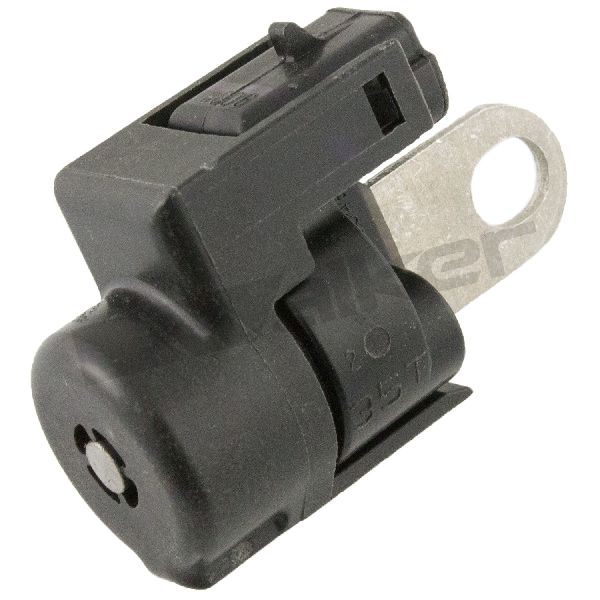
- P0720 on a Cobalt is most commonly caused by a bad Output Speed Sensor (VSS), GM Part Number 24232088.
- Symptoms are serious and include harsh shifting, a dead speedometer, and a unique an
What's Unique About the 2005-2010 Chevrolet Cobalt
The first-generation Chevrolet Cobalt, while generally reliable, can experience this issue due to the external placement of the speed sensor on the 4T45-E automatic transmission, making it susceptible to damage from road debris and weather. Additionally, a unique and concerning symptom tied to how the Cobalt's modules share speed data is the loss of electric power steering assist when the OSS fails. Many owners report that a faulty speed sensor signal causes the power steering warning to appear and assist to be disabled, requiring a vehicle restart to temporarily fix.
Symptoms You May Notice
- Harsh, erratic, or delayed gear shifting
- Speedometer reads zero or behaves erratically
- Check Engine Light is on
- Loss of electric power steering assist (message may appear on dash)
- Inability to use cruise control
- Vehicle may enter "limp mode," getting stuck in a single gear
- Stalling when coming to a stop
- Reduced fuel economy
- Odometer may show dashes instead of numbers
- Replacing the Transmission Control Module (TCM) 🎬 Watch: How to diagnose and fix TCM issues when the issue is a simple sensor or wiring fault.
- Assuming an internal transmission failure without first testing the output speed sensor and its circuit.
- Replacing the input speed sensor instead of the output speed sensor.
Most Likely Causes
- Failed Output Speed Sensor (OSS/VSS) 🔴 High Probability The sensor is an electronic component that can fail over time due to heat cycles and vibration. Its location on the transmission case exposes it to the elements, road debris, and potential fluid contamination.
How to confirm: Use a scan tool to monitor the output speed sensor data while driving. If the reading is zero or erratic while the vehicle is moving, the sensor is likely faulty. You can also test the sensor's internal resistance with a multimeter and compare it to the manufacturer's specifications.
Typical fix: Replace the Output Speed Sensor. On the Cobalt with the 4T45-E transmission, it is located on the side of the transmission, accessible after removing the driver's side front wheel and inner fender liner.
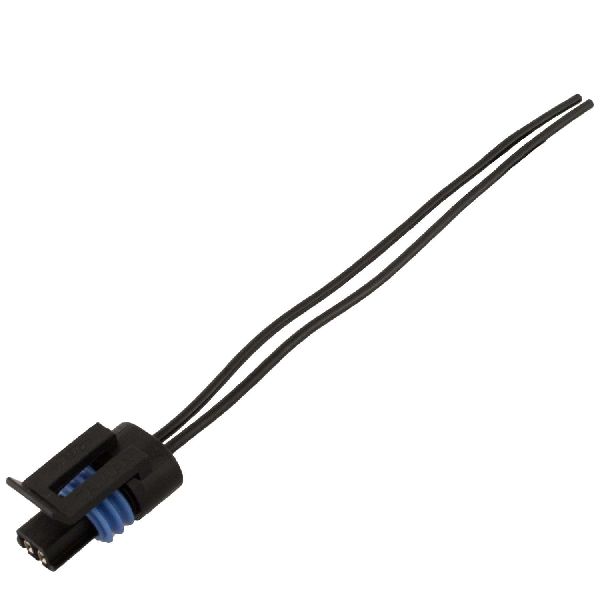
Est. part cost: $30 - $100 - Damaged Wiring or Connector 🟡 Medium Probability The wiring harness leading to the sensor is located low on the vehicle and can be damaged by road debris, corrosion, or heat from the engine and exhaust. Wires can become frayed, shorted, or connections can become loose.
How to confirm: Visually inspect the wiring harness and connector for any signs of damage, corrosion, or loose pins. Perform a continuity test on the wires between the sensor and the PCM/TCM.
Typical fix: Repair the damaged section of wiring or replace the connector pigtail.
Est. part cost: $15 - $50 - Dirty or Low Transmission Fluid ⚪ Low Probability → Shop Transmission Assembly
How to confirm: Check the transmission fluid level and condition using the dipstick. The fluid should be at the correct level, pinkish-red in color, and not smell burnt. Dark or metallic-flecked fluid indicates internal wear that can interfere with sensor operation.
Typical fix: Perform a transmission fluid and filter change. If the fluid is heavily contaminated, it may indicate a more severe internal transmission problem requiring further diagnosis.
Est. part cost: $50 - $150
Rare But Worth Checking
- Faulty Powertrain Control Module (PCM) or Transmission Control Module (TCM): → Shop Engine Control Module (ECM) This is the least likely cause. All other possibilities, especially the sensor and its wiring, should be thoroughly ruled out before considering PCM/TCM replacement. In some cases, a poor ground to the TCM has been found to cause erratic behavior and false codes.
- Internal Transmission Issues: → Shop Transmission Assembly Mechanical problems inside the transmission, such as a damaged reluctor wheel (the part the sensor reads) or a failing valve body, can cause the output shaft speed to be genuinely erratic, triggering the code. This is rare and would typically be accompanied by other severe symptoms.
Diagnosis Steps
- Use an OBD-II scanner to confirm the P0720 code and check for any other related codes.
- Check the level and condition of the automatic transmission fluid. Low or dirty fluid can cause shifting problems and should be addressed first.
- Visually inspect the Output Speed Sensor's wiring harness and connector for any obvious signs of damage, corrosion, or loose connections.
- With a scan tool capable of viewing live data, monitor the Output Speed (VSS) PID while driving. The reading should increase smoothly with vehicle speed. If it is erratic, intermittent, or stays at zero, the problem is likely the sensor or its circuit.
- If the signal is faulty, disconnect the sensor and test its internal resistance using a multimeter. Compare the reading to the manufacturer's specification.
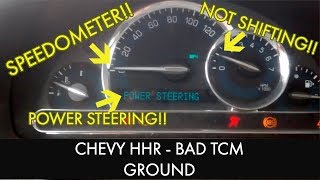
- If the sensor tests good, check for proper voltage and ground at the sensor's connector. A bad ground at the TCM has also been 🎬 See how to fix a bad TCM ground noted as a potential cause of this issue on similar GM platforms.
- Inspect the sensor's reluctor wheel inside the transmission for damage if possible, though this is an advanced step.
- If the sensor, wiring, and connections are all confirmed to be good, the issue may lie with the Powertrain Control Module (PCM) or Transmission Control Module (TCM), though this is rare.
Parts You'll Likely Need
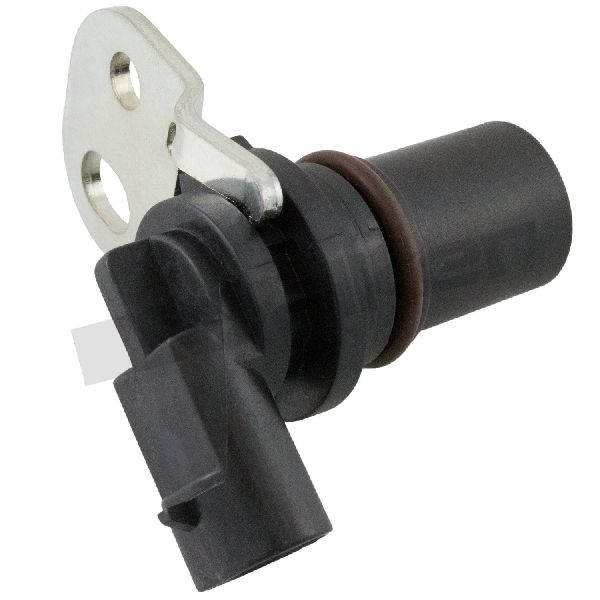
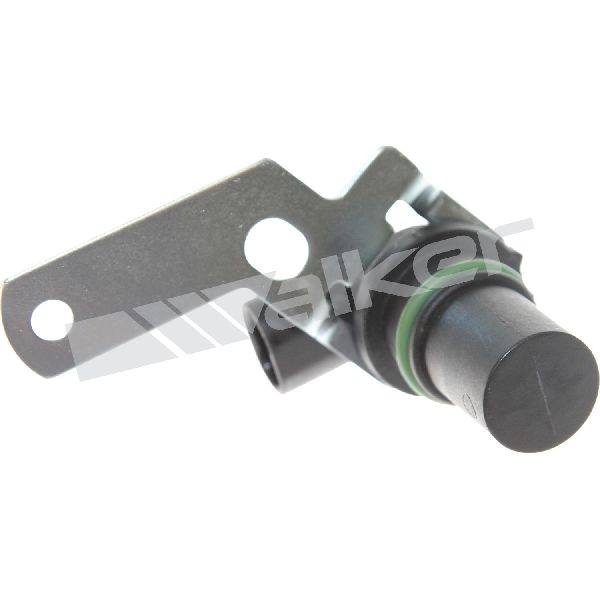
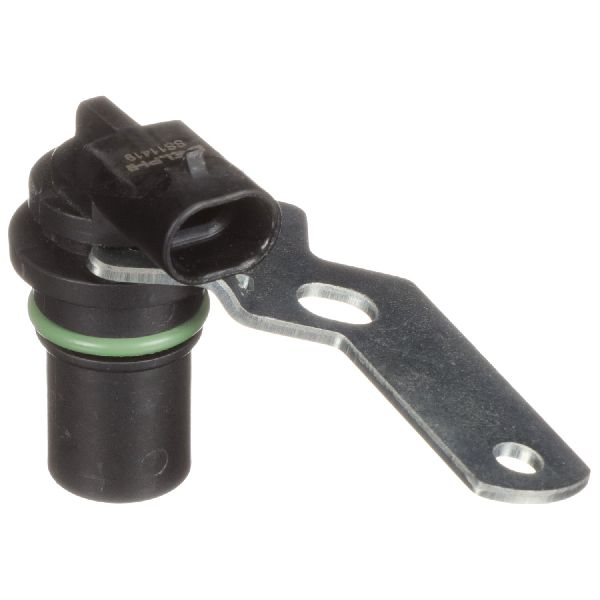
- Output Speed Sensor / Vehicle Speed Sensor (VSS)
(OEM #24232088)— This sensor is the most common point of failure for the P0720 code due to its electronic nature and exposure to heat and vibration.
Trusted brands: ACDelco (GM Genuine), Delphi, NTK, Dorman
OEM price range: $45-$65
Aftermarket price range: $20-$50
Related Codes That Often Appear With This One
- P0700 — P0700 is a general Transmission Control System Malfunction code. It often appears alongside more specific transmission codes like P0720 to indicate that the TCM has requested the Check Engine Light to be turned on.
- P0722 — This code means 'Output Speed Sensor Circuit No Signal,' which is a more specific version of the P0720 fault, pointing directly to a complete loss of signal rather than just an erratic one.
- P0721 — This code means 'Output Speed Sensor Circuit Range/Performance,' indicating the sensor's readings are erratic or illogical compared to other sensors like the input speed sensor or engine RPM.
- P0500 — This code stands for 'Vehicle Speed Sensor (VSS) Malfunction.' Since the OSS often serves as the primary VSS, this code can appear alongside P0720.
Technical Service Bulletins (TSBs) & Recalls
- 14632: Special Coverage Adjustment for an automatic transmission shifter issue that could prevent the ignition key from being removed.
Platform-Specific Known Issues
- A known issue on some 2009 models involved the transmission shift cable adjustment clip not being fully engaged, which could lead to the shifter position not matching the actual gear. This was subject to recall 09V073000. While not directly causing P0720, it's a related transmission issue to be aware of.
- The 2005-2010 Cobalt was subject to a major recall (10V073000) for the electronic power steering motor. A failing OSS can mimic symptoms of this recall by cutting power steering assist, leading to potential misdiagnosis. It's crucial to check for P0720 before assuming the power steering motor itself is the root cause of the failure.
- A TSB (Special Coverage Adjustment 14632) was issued for the automatic transmission shifter, which could prevent the ignition key from being removed. This highlights potential electrical communication issues within the transmission and shifter systems on this platform.
Wiring & Ground Locations
- Output Speed Sensor (OSS/VSS) Wires — In the two-pin connector leading to the Output Speed Sensor, located on the back side of the transmission, near the firewall and above the right drive axle.. The wire colors are violet and yellow. Knowing these colors is critical for performing continuity tests between the sensor and the Transmission Control Module (TCM) to rule out a wiring break.
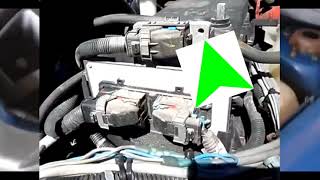
- TCM Ground Stud — A bolt on the top of the transmission case where several ground wires terminate.. This is a primary ground point for the TCM. Corrosion and wire breakage at this stud are common, leading to a loss of communication (U-codes), erratic sensor readings, and symptoms like a dead speedometer and harsh shifting that can be misdiagnosed as a bad sensor or TCM.
- Wiring Harness Chafe Point — The section of the engine wiring harness that runs near the oil filter housing.. This area is a known weak point where the harness can rub against engine components, leading to chafed wires and intermittent short circuits for various transmission sensors and solenoids, which can trigger a P0720 code.
Real Owner Repair Stories
- YouTube user 'Just a little bit of everything' (2007 Chevrolet Cobalt) — No communication with TCM (U101 code), speedometer not working, no-start condition.
❌ Tried (didn't work) Initial inspection of the output speed sensor wiring didn't reveal the problem.
✅ What actually fixed it The ground wires at the main ground stud on top of the transmission were found to be corroded and broken inside their insulation. The final fix was to cut back the bad wiring, clean the terminal, and solder on new wire with new ring terminals, then re-secure it to the transmission stud. - YouTube user 'Zach Tracer' (2006-2008 Chevrolet Cobalt (general)) — Speedometer not working, transmission not shifting correctly, poor performance, and a 'power steering' message on the dash.
❌ Tried (didn't work) Checking fuses and inspecting wiring connectors at the TCM did not solve the issue.
✅ What actually fixed it A poor ground at the Transmission Control Module (TCM) was the cause. The fix involved adding a supplementary ground wire from one of the TCM mounting bolts directly to the chassis ground point on the strut tower, which restored all functions.
OEM Part Supersession History
10456568, 12523306→24232088— Part consolidation and design updates by GM.
Diagnostic Flowchart
Other Known Issues on This Vehicle
Issues unrelated to this code that are worth knowing about as an owner of this generation:
- Electric Power Steering (EPS) Motor Failure 🔴 High — Very common across all model years. A recall was issued (10V073000) but failures can still occur. (Ref: Recall 10V073000, 14V153000)
- Ignition Switch Failure / Key Stuck in Ignition 🔴 High — Extremely common, leading to a major, widely publicized recall. Can cause the vehicle to shut off while driving. (Ref: Recall 14V047000, 14V171000, TSB 14632)
- Fuel Leaks / Fuel Pump Module Issues 🔴 High — Common enough to warrant multiple recalls. The plastic supply or return port on the fuel pump module can crack. (Ref: Recall 09V419000, 12V459000)
- Timing Chain Tensioner Failure 🟠 Medium — A known issue on the 2.2L Ecotec engine, often presenting as a rattling noise on a cold start. If ignored, it can lead to the chain skipping time or breaking, causing severe engine damage.
- Shifter Cable Failure 🟡 Low — The shifter cable can fail, causing a mismatch between the gear selected and the actual gear, and may prevent the key from being removed from the ignition. (Ref: Recall 09V073000)
Used vs. New Parts: Buying Guide for This Vehicle
When a used part is the smart pick: A used wiring harness pigtail or connector can be a good choice if the original is physically damaged, as it's a non-wear item. A complete used engine wiring harness from a low-mileage donor could also be viable if extensive damage is found, but it's a labor-intensive job.
Donor-vehicle mileage cap: roughly under 100000 miles for the part to have meaningful remaining life.
What to inspect on the donor part:
- For connectors/pigtails, check for brittle plastic, cracked locking tabs, and any signs of corrosion on the pins.
- For a full harness, inspect for any previous repairs (e.g., splices, electrical tape), signs of melting near exhaust components, and flexibility (a stiff, brittle harness is a bad sign).
OEM-only on this vehicle (don't cheap out):
- Transmission Control Module (TCM) - Aftermarket or used modules often have programming and compatibility issues. A new or properly remanufactured OEM unit is the safest bet.
Aftermarket brands forum-validated for this vehicle:
- ACDelco (GM Genuine)
- Delphi
- NTK/NGK
Brands owners have reported issues with on this vehicle:
- No-name, unbranded sensors from online marketplaces are frequently cited in forums as being dead-on-arrival or failing prematurely.
Real Owner Stories
Aggregated from forums and TSBs cited above. Mileages and costs reflect what owners reported in those sources.
2007 Chevrolet Cobalt
Symptoms: The security light would come on, the gas gauge would drop to empty, and the power steering warning would display, eventually leading to a total loss of power steering.
What fixed it: Diagnosis of electrical/sensor issues impacting the power steering system.
Source hint: ChevroletForum.com thread titled '07 cobalt power steering/security light issues'
2005-2010 Chevrolet Cobalt
Symptoms: Intermittent loss of power steering, sometimes accompanied by the entire gauge cluster malfunctioning.
What fixed it: Addressing electrical gremlins where sensor data loss impacts multiple systems including the electric power steering.
Source hint: CobaltSS.net thread titled 'Intermittent power steering loss'
Related OBD-II Codes
Frequently Asked Questions
Can the P0720 code cause my power steering to stop working on my 2005-2010 Chevrolet Cobalt?
Where is the Output Speed Sensor located on a Cobalt with the 4T45-E transmission?
Is there a recall for the transmission shifter that might be related to my shifting issues?
Why does my speedometer read zero and my odometer show dashes when P0720 is present?
Could my P0720 code be caused by a bad ground on my Cobalt?
Will changing my transmission fluid fix a P0720 code?
Helpful Videos
We Have This Part in Stock


The information in this article is provided for general reference and educational purposes only. Vehicle specifications, procedures, and part compatibility can vary by production date, trim level, and region. Always consult your vehicle's factory service manual and verify part numbers before purchasing or performing repairs. Safety-critical components such as airbags, seat belts, and braking systems should be installed by a qualified professional.
- Chevrolet Cobalt:
- 🧭 Diagnostic Flowchart
- 🎬 Helpful Videos
- 🛍️ Shop This Part
- What's Unique About the 2005-2010 Chevrolet Cobalt
- Symptoms You May Notice
- Most Likely Causes
- Rare But Worth Checking
- Diagnosis Steps
- Parts You'll Likely Need
- Related Codes That Often Appear With This One
- Technical Service Bulletins (TSBs) & Recalls
- Platform-Specific Known Issues
- Wiring & Ground Locations
- Real Owner Repair Stories
- OEM Part Supersession History
- Other Known Issues on This Vehicle
- Used vs. New Parts: Buying Guide for This Vehicle
- Real Owner Stories
- 2007 Chevrolet Cobalt
- 2005-2010 Chevrolet Cobalt
- Related OBD-II Codes
- Frequently Asked Questions
- 🎟️ Get 5% Off