

P0720 on 2010-2016 Hyundai Elantra: Output Speed Sensor Causes and Fixes
On a 2010-2016 Hyundai Elantra, code P0720 is most often caused by a failed transmission output speed sensor. On 2011-2016 models with the 6-speed A6GF1 transmission, this sensor is part of an internal wire harness, making replacement a complex job. On the 2010 model with the 4-speed automatic, it is typically an external sensor that is easier to access and replace.
- P0720 on a Hyundai Elantra points directly to a problem with the output speed sensor or its circuit.
- The repair difficulty varies significantly by year: 2010 models have an easy-to-access external sensor, while 2011-2016 models have a difficult-to-access internal sensor harness.
- Symptoms include erratic shifting and a faulty speedometer; driving for extended periods is not recommended.
- Before replacing any parts, always inspect the wiring harness for damage, as this is a common and cheaper-to-fix cause.
- If replacing the internal sensor on a 2011-2016 model, it is critical to use the correct Hyundai-specific transmission fluid (SP-IV) during reassembly.
What's Unique About the 2010-2016 Hyundai Elantra
The 2010-2016 Elantra range spans two distinct generations, which dramatically changes the location and repair of the output speed sensor. The 2010 model (fourth generation, HD) uses a 4-speed automatic transmission and typically has an externally mounted sensor that is relatively easy to access from under the hood. However, the 2011-2016 models (fifth generation, MD/UD) feature the 6-speed A6GF1 automatic transmission with an internal sensor assembly. This assembly, which also includes the input speed sensor and transmission temperature sensor, is located inside the transmission and requires removing the transmission oil pan and valve body for access, making the repair significantly more complex and labor-intensive.
Generation note: This range covers the end of the 4th generation (2010 Elantra HD) and the full 5th generation (2011-2016 Elantra MD/UD). The primary difference for this code is the location of the output speed sensor. On the 2010 model with the 4-speed automatic, it is typically external and accessible from the top of the transmission, near the driver's side. On 2011-2016 models with the 6-speed automatic (A6GF1), it is internal, requiring removal of the transmission pan and valve body.
Symptoms You May Notice
- Check Engine Light is on
- Harsh, erratic, or delayed gear shifts
- Transmission gets stuck in one gear (limp mode), often 3rd or 4th gear
- Speedometer reads incorrectly or not at all
- Cruise control does not work
- Possible stalling when coming to a stop
- Decreased fuel efficiency
- ABS or Traction Control lights may illuminate simultaneously
- Replacing the external vehicle speed sensor (VSS) on the wheel hub, which is used for the ABS system, instead of the transmission output speed sensor. A bad wheel speed sensor will typically trigger ABS and traction control lights.
- Replacing the output speed sensor without first thoroughly inspecting the external wiring harness for damage, which can cause the same symptoms.
- On 2011-2016 models, unnecessarily replacing the entire transmission when only the internal harness has failed. TSB 16-AT-003 was issued specifically to prevent this misdiagnosis.
Most Likely Causes
- Faulty Output Speed Sensor (or internal sensor harness) 🔴 High Probability On 5th generation (2011-2016) models, the input and output sensors are part of an internal wire harness assembly that is a known high-failure component. The harness, which also contains the transmission fluid temperature sensor, can degrade from heat and fluid exposure. Hyundai issued Technical Service Bulletin (TSB) 16-AT-003 (later superseded by 20-AT-011H) for related codes, acknowledging this issue across many models 🎬 Watch: How to diagnose the internal harness and related codes. using the A6GF1 transmission.
How to confirm: A diagnostic scan tool that can read live transmission data is essential. Monitor the output speed sensor data while driving. A lack of signal, or a signal that is erratic and doesn't correspond to vehicle speed, points to a bad sensor or circuit. For internal sensors, this is the primary confirmation before disassembly.
Typical fix: For 2011-2016 models, replace the internal transmission wire harness which includes the input and output speed sensors. For 2010 models, replace the individual external output speed sensor.
Est. part cost: $50-$180 - Damaged Wiring or Connectors 🟡 Medium Probability Wiring leading to the transmission's main connector can become brittle from heat cycles and exposure to the elements, leading to frayed wires or corroded connector pins, especially on older, higher-mileage vehicles. A Reddit user with a 2016 Elantra experienced a persistent P0722 code even after a transmission swap, with a broken wire in the harness being the likely culprit.
How to confirm: Visually inspect the external wiring harness leading to the transmission for any signs of damage, corrosion, or loose connections. Perform a continuity test on the wires between the TCM and the transmission connector with a multimeter.
Typical fix: Repair the damaged section of the wire or replace the faulty connector. Clean any corrosion from the connector pins.
Est. part cost: $10-$50 - Low or Contaminated Transmission Fluid ⚪ Low Probability → Shop Transmission Assembly
How to confirm: The 2011-2016 Elantra does not have a traditional dipstick. The fluid level must be checked via a fill/check plug on the side of the transmission case while the fluid is at a specific temperature. 🎬 See this walkthrough on checking the fluid level without a dipstick. The fluid should be at the correct level and appear clean and red, not brown, black, or burnt-smelling.
Typical fix: Top off the fluid to the correct level or perform a transmission fluid drain and fill. 🎬 Watch: Step-by-step guide to changing your Elantra's transmission fluid. Use only Hyundai-specified fluid (e.g., SP-IV for the 6-speed automatic).
Est. part cost: $40-$120
Rare But Worth Checking
- Faulty Powertrain Control Module (PCM) or Transmission Control Module (TCM): → Shop Engine Control Module (ECM) This is very uncommon and should be considered a last resort. All other possibilities, especially the sensor, internal harness, and external wiring, must be exhaustively ruled out before considering the control module. A faulty module can fail to process the signal from a perfectly good sensor.
Diagnosis Steps
- Scan for codes: Use an OBD-II scanner to confirm P0720 and note any other transmission-related codes like P0717, P0722, or P0711.
- Check Transmission Fluid: For 2011-2016 models, this requires the vehicle to be level and the fluid to be at a specific operating temperature (around 122-140°F) to check via the side fill plug. Low or dirty fluid can cause shifting problems.
- Inspect External Wiring: Carefully examine the wiring harness going to the transmission for any visible damage, corrosion, or loose connections. This is a common point of failure and was the root cause for at least one owner even after a transmission replacement.
- Live Data Scan: Use an advanced scan tool to monitor the output speed sensor signal in real-time while driving. The reading should be smooth and correspond to vehicle speed. If it's zero, erratic, or intermittent, the problem is likely the sensor or its circuit.
- Test the Sensor Circuit: If the sensor is external (2010 models), disconnect it and test for reference voltage and ground at the connector. Test the sensor's internal resistance with a multimeter.
- Confirm Sensor Location: Based on the model year, determine if the sensor is external (2010 4-speed) or internal (2011-2016 6-speed).
- Internal Inspection: For 2011-2016 models, if all external checks pass, the next step is to drain the fluid and remove the transmission side pan and then the valve body to inspect and replace the internal harness and sensors.
Parts You'll Likely Need
- Transmission Input/Output Speed Sensor Harness
(OEM #46307-2F000)— For 2011-2016 models with the 6-speed A6GF1 automatic, this internal harness contains both the input and output speed sensors and is the most common failure part. It is also referred to as a 'Harness-Oil Pressure Switch'.
Trusted brands: Hyundai / Kia (OEM)
OEM price range: $100-$180
Aftermarket price range: $70-$120 - Output Speed Sensor (External)
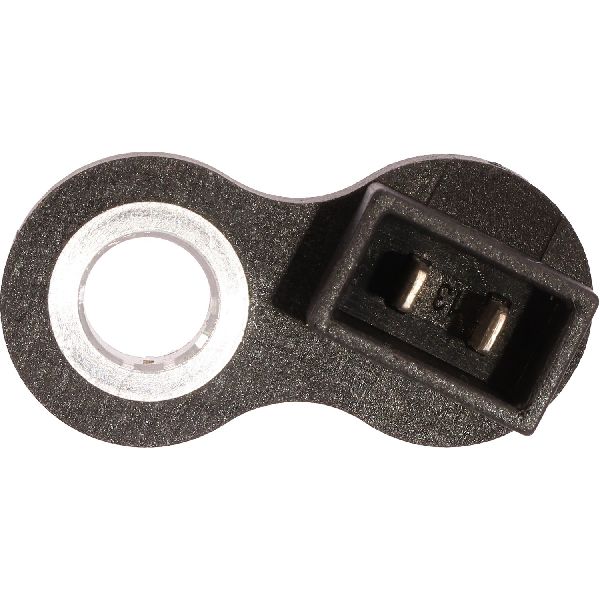
(OEM #42621-23010 (Verify by VIN))— For the 2010 model with a 4-speed automatic, the sensor is external and can be replaced individually. It is located on the top/front of the transmission.
Trusted brands: NTK, Delphi, Standard Motor Products (SC347), Beck Arnley (090-0020)
OEM price range: $80-$130
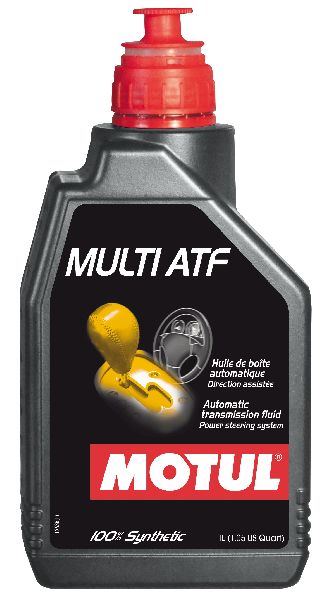
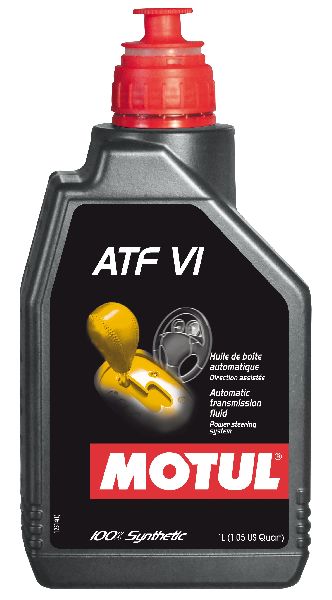
Aftermarket price range: $20-$90 - Hyundai SP-IV Automatic Transmission Fluid — Required when replacing the internal sensor harness, as the fluid must be drained. Approximately 4-5 quarts are needed for a drain and fill. Using the correct OEM fluid is critical for Hyundai transmissions.
Trusted brands: Hyundai (OEM), Idemitsu TLS-LV (SP-IV compatible), Valvoline MaxLife ATF (SP-IV compatible)
OEM price range: $15-$25 per quart
Aftermarket price range: $8-$15 per quart
Related Codes That Often Appear With This One
- P0717 — This code is for 'Input Speed Sensor Circuit No Signal'. On 2011-2016 models with an internal harness, the input and output sensors are part of the same assembly and often fail together.
- P0721 / P0722 — These are related codes for 'Output Speed Sensor Range/Performance' and 'No Signal'. They point to the same component and circuit as P0720 and are often logged together.
- P0711 — This code is for the 'Transmission Fluid Temperature Sensor'. On later 5th-gen models, this sensor is integrated into the same internal harness as the speed sensors and can fail as part of the same assembly.
Technical Service Bulletins (TSBs) & Recalls
- 16-AT-003: Addresses DTCs P0717, P0721, & P0722 for 2011-2017 Elantras, instructing technicians to replace the internal sensor/harness assembly rather than the entire transmission. This TSB confirms the issue is widespread enough to warrant a specific procedure.
- 20-AT-011H: This TSB supersedes 16-AT-003, expanding the list of affected vehicles to include more Hyundai and Kia models that use the same 6-speed automatic transmission, further confirming this is a common failure across the platform.
Platform-Specific Known Issues
- Owner Replaces Transmission, Code Persists: → Shop Transmission Assembly A user on Reddit with a 2016 Elantra reported having the P0722 code (No Output Speed Signal). After replacing the sensor three times without success, they were advised by two shops to replace the transmission. They sourced a used transmission and had it installed, but the same code immediately returned. This strongly suggests the actual fault was in the vehicle's external wiring harness leading to the transmission, a possibility that was overlooked, leading to a very expensive and unnecessary repair.
- Confusion Between External and Internal Sensors: Multiple forum and video sources highlight the critical difference between the 4-speed (2010 and older) and 6-speed (2011+) transmissions. Owners of 2011+ models sometimes mistakenly purchase an inexpensive external sensor, only to find their vehicle has the internal harness assembly, leading to frustration and wasted time.
Mechanic-Grade Diagnostic Values
- Output Speed Sensor (OSS) internal resistance (2011-2016 A6GF1) — expected: 5.8 MΩ (Megaohms). Failure: A reading significantly different from the specification, or an open/short circuit.
- Input Speed Sensor (ISS) internal resistance (2011-2016 A6GF1) — expected: 3.8 MΩ (Megaohms). Failure: A reading significantly different from the specification. This is often tested in conjunction with the OSS as they are on the same harness.
- Sensor reference voltage at harness connector (Key On, Engine Off) — expected: 5.0V ± 0.5V. Failure: No voltage or low voltage indicates a problem with the PCM or the wiring, not necessarily the sensor itself.
- Sensor ground circuit resistance — expected: < 0.1 Ω to chassis ground. Failure: High resistance indicates a poor ground connection, which can cause erratic signals.
Scan Tool Commands That Help
- Hyundai GDS (Global Diagnostic System) or equivalent advanced scanner: Live Data Monitoring (A/T Menu -> Data Analysis -> Output Speed Sensor) — This is the primary diagnostic step to confirm a faulty sensor signal. While driving, the OSS reading should smoothly increase with vehicle speed. A reading of zero, or one that is erratic and doesn't match road speed, confirms a fault in the circuit or sensor.
- Hyundai GDS (Global Diagnostic System): Reset Adaptive Values — After replacing the sensor or harness, the transmission's learned shift adaptations should be reset to ensure smooth shifting with the new component.
Wiring & Ground Locations
- PCM/TCM Location — On 2011-2016 models, the TCM is integrated with the PCM, located under the driver's side dashboard.. This is the destination for the sensor's signal wire. Testing continuity or checking for shorts requires accessing the connector at the PCM.
- GE02 Ground Point — Located at the left front corner of the vehicle in the engine compartment.. This is a primary engine bay ground. A corroded or loose connection here can affect various sensors, including those for the transmission.
- GM01 Ground Point — Located at the left top of the dash panel, near the driver's side.. This is a key ground point for components inside the cabin, including the PCM/TCM. A fault here could disrupt the computer's ability to correctly process sensor signals.
OEM Part Supersession History
Varies (e.g., 46307-3B***)→46307-2F000 (common aftermarket/generic reference), but OEM part number varies by specific model/engine.— Hyundai TSB 20-AT-011H, which supersedes an earlier bulletin, indicates an ongoing effort to resolve sensor harness issues. The procedure and parts have been updated over time.
Heads up: Crucially, TSB 20-AT-011H lists specific harness part numbers (e.g., 46307-3B*** for the Elantra 1.8L) that should be used. Using a generic part number like 46307-2F000 without verifying VIN compatibility is risky. Always verify the exact OEM part number for the vehicle's specific year and engine.
Model Year Variations Within This Range
- 2011-2016: The A6GF1 transmission in this range uses a 'Generation 1' valve body with 8 solenoids. Later Hyundai models (post-2016) may use a 'Generation 2' valve body with 7 solenoids. This is a critical distinction when sourcing a replacement valve body or complete transmission assembly.
Diagnostic Flowchart
Used vs. New Parts: Buying Guide for This Vehicle
When a used part is the smart pick: For the 2010 model with an external sensor, a used sensor from a low-mileage donor vehicle is a possibility, but given the low cost of new aftermarket parts, it's generally not worth the risk or effort. For all other parts related to this repair, new is strongly recommended.
Donor-vehicle mileage cap: roughly under 60000 miles for the part to have meaningful remaining life.
What to inspect on the donor part:
- For an external sensor, check that the plastic housing is not cracked and the connector pins are clean and straight.
- Verify the donor vehicle was not in a front-end collision that could have damaged the transmission case or wiring.
OEM-only on this vehicle (don't cheap out):
- Internal Transmission Harness (Part family 46307-XXXXX): This is the single most critical part to buy OEM. It is a known high-failure item that degrades from heat and fluid exposure. The labor to replace it is extensive, so using a questionable aftermarket part that might fail prematurely is a very poor economic choice.
Aftermarket brands forum-validated for this vehicle:
- NTK (for external 2010 sensor)
- Delphi (for external 2010 sensor)
- Standard Motor Products (for external 2010 sensor)
Brands owners have reported issues with on this vehicle:
- Unbranded, 'white-box' internal wiring harnesses from online marketplaces. While tempting due to low price, their material quality and longevity are unverified, and failure requires repeating a 4-5 hour labor job.
Real Owner Stories
Aggregated from forums and TSBs cited above. Mileages and costs reflect what owners reported in those sources.
2016 Elantra
Symptoms: Check Engine Light with code P0722 (No Output Speed Signal).
What fixed it: The issue was not resolved after replacing the sensor three times and then replacing the entire transmission. The code returned immediately, strongly suggesting the actual fault was in the vehicle's external wiring harness.
Source hint: Reddit r/Elantra: A 2016 Elantra owner detailed their expensive journey of replacing the transmission for a P0722 code...
2004 Elantra
Symptoms: Erratic shifting.
What fixed it: Replacing both the input and output speed sensors did not provide a lasting fix, as the problem returned the following day, indicating a more complex underlying issue.
Source hint: Reddit r/mechanics: A user with a 2004 Elantra described replacing both input and output sensors for erratic shifting...
Related OBD-II Codes
Frequently Asked Questions
My 2013 Elantra has a P0720 code. Is the output speed sensor inside or outside the transmission?
I saw a TSB for this speed sensor issue. Does it apply to my 2016 Elantra?
How do I check the transmission fluid level on my 2015 Elantra? I can't find a dipstick.
My speedometer stopped working and my ABS light is on. Is this related to the P0720 code?
My mechanic wants to replace the entire transmission for this code. Is that necessary?
What other Hyundai or Kia vehicles share this same transmission sensor problem?
Helpful Videos
We Have This Part in Stock




The information in this article is provided for general reference and educational purposes only. Vehicle specifications, procedures, and part compatibility can vary by production date, trim level, and region. Always consult your vehicle's factory service manual and verify part numbers before purchasing or performing repairs. Safety-critical components such as airbags, seat belts, and braking systems should be installed by a qualified professional.
- Hyundai Elantra:
- 🧭 Diagnostic Flowchart
- 🎬 Helpful Videos
- 🛍️ Shop This Part
- What's Unique About the 2010-2016 Hyundai Elantra
- Symptoms You May Notice
- Most Likely Causes
- Rare But Worth Checking
- Diagnosis Steps
- Parts You'll Likely Need
- Related Codes That Often Appear With This One
- Technical Service Bulletins (TSBs) & Recalls
- Platform-Specific Known Issues
- Mechanic-Grade Diagnostic Values
- Scan Tool Commands That Help
- Wiring & Ground Locations
- OEM Part Supersession History
- Model Year Variations Within This Range
- Used vs. New Parts: Buying Guide for This Vehicle
- Real Owner Stories
- 2016 Elantra
- 2004 Elantra
- Related OBD-II Codes
- Frequently Asked Questions
- 🎟️ Get 5% Off