

P0722 on 2012-2017 Hyundai Azera: Output Speed Sensor Failure Causes and Fixes
On a 2012-2017 Azera, code P0722 is almost always caused by a failed internal transmission wiring harness that contains the output speed sensor. This is a known issue documented in Hyundai TSBs. The fix requires replacing the harness inside the transmission, a complex job costing a shop between $650 and $1,200.
- Do not replace the transmission. The problem is almost certainly the much cheaper internal wiring harness.
- This is not a simple sensor swap. The part is inside the transmission and requires removing the valve body, making it a complex job for experienced DIYers or professionals.
- The correct replacement part is the complete internal wiring harness, OEM part number 46307-3B650.
- Expect the vehicle to be stuck in 3rd gear ('limp mode') until the repair is completed. Driving should be limited.
- Ensure you use a new pan gasket and refill with 5-6 quarts of SP-IV specification transmission fluid.
What's Unique About the 2012-2017 Hyundai Azera
For the 2012-2017 Hyundai Azera (HG generation) with the 6-speed A6LF1 automatic transmission, the output speed sensor is not a simple, externally-mounted part. It is integrated into a larger wiring harness assembly located inside the transmission, attached to the valve body. This internal harness is a well-documented failure point, prone to becoming brittle from heat cycles and exposure to transmission fluid. Hyundai acknowledged this by issuing Technical Service Bulletin 20-AT-011H (which supersedes 14-AT-013 and 16-AT-003), instructing technicians to replace the internal harness for this code rather than pursuing more expensive, unnecessary transmission replacements.
Symptoms You May Notice
- Transmission is stuck in 3rd gear (fail-safe or "limp mode")
- Check Engine Light is on
- Very slow or sluggish acceleration from a stop
- Inability to shift up or down automatically
- Harsh or banging engagement when shifting from Park into Drive or Reverse
- Speedometer may work normally (it often uses wheel speed sensors, not the transmission output sensor)
- Replacing the entire transmission. This is an expensive and unnecessary repair. Hyundai TSBs specifically advise against this, pointing to the internal harness as the culprit.
- Replacing an external vehicle speed sensor. The sensor causing this code is internal to the transmission. Many generic repair quotes may incorrectly price the job based on an easily accessible external sensor.
Most Likely Causes
- Failed Internal Transmission Wiring Harness 🔴 High Probability → Shop Transmission Assembly The wiring harness, which contains the integrated speed sensors, is located inside the transmission and is known to become brittle and fail from constant exposure to heat and transmission fluid. This is a documented pattern failure addressed by Hyundai TSBs 20-AT-011H and 14-AT-013.
How to confirm: After confirming with a scan tool that the output speed sensor shows 0 RPM while driving and that external wiring is intact, the next step is to perform the internal harness replacement as outlined in the TSB.
Typical fix: Replace the internal transmission wiring harness assembly. This requires draining the transmission, removing the oil pan, and removing the valve body to access the part.
Est. part cost: $140-$200 - Damaged External Wiring or Connector ⚪ Low Probability Less common than internal failure, but road debris or rodents can damage the main harness leading to the transmission case.
How to confirm: Visually inspect the wiring harness leading to the main transmission case connector for any signs of damage, corrosion, or loose pins. Perform a continuity test from the TCM to the transmission connector.
Typical fix: Repair the damaged section of the wiring harness or clean/replace the connector.
Est. part cost: $10-$50 - Low or Contaminated Transmission Fluid ⚪ Low Probability → Shop Transmission Assembly
How to confirm: Check the transmission fluid level and condition. While low or dirty fluid can cause many shifting problems, it is unlikely to be the sole cause of a 'No Signal' code but should be checked as a basic maintenance step. A manufacturer record (NHTSA ODI #10143151) noted a P0722 code on a Hyundai vehicle where the transmission fluid level and condition were found to be poor.
Typical fix: Perform a transmission fluid drain and fill with the correct SP-IV ATF.
Est. part cost: $60-$120
Rare But Worth Checking
- Faulty Powertrain Control Module (PCM/TCM): → Shop Engine Control Module (ECM) This is very rare. Hyundai's own TSB instructs to only consider this possibility if the P0722 code returns *after* the internal wiring harness has been replaced.
Diagnosis Steps
- Connect an OBD-II scanner and confirm that P0722 is the primary code. Note any other transmission-related codes like P0717 or P0711.
- Use the scanner's live data function to monitor the Output Speed Sensor (OSS) and Input Speed Sensor (ISS) RPMs while driving slowly. If the OSS reads 0 RPM while the vehicle is moving, the fault is active.
- Visually inspect the main external wiring harness and connector going to the transmission case for any obvious damage, corrosion, or loose pins.
- If external wiring appears okay, the next step is to follow the procedure outlined in Hyundai TSB 20-AT-011H.
- Drain the transmission fluid and remove the transmission oil pan.
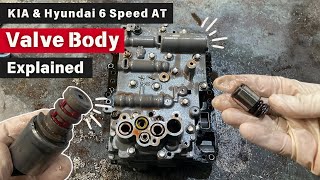
- Carefully remove the transmission valve body to gain access to the internal wiring harness. This is a complex step; refer to a factory service manual for detailed instructions.
- Disconnect and remove the old wiring harness assembly.
- Install the new wiring harness (Part No. 46307-3B650), ensuring all connectors are securely seated.
- Reinstall the valve body, torquing the bolts to specification (typically 7.2-8.7 lb-ft) in the correct sequence as shown in the service manual.
- Reinstall the transmission pan with a new gasket.
- Refill the transmission with approximately 5-6 quarts of Hyundai SP-IV (or equivalent) automatic transmission fluid.
- Using a Hyundai GDS or equivalent scan tool, perform the 'Resetting Auto T/A values' function.
- Clear the trouble codes with the scanner and perform the adaptive value relearn procedure by driving the vehicle through all gears multiple times to confirm the repair and ensure smooth shifting.
Parts You'll Likely Need
- Internal Transmission Wire Harness
(OEM #46307-3B650)— This is the primary point of failure for code P0722 on this vehicle. It is an integrated assembly that includes the input, output, and temperature sensors. This part number supersedes older versions like 46307-3B610 and 46307-3B620.
Trusted brands: Hyundai Genuine Parts, Kia Genuine Parts
OEM price range: $140-$200
Aftermarket price range: $90-$150 - Automatic Transmission Pan Gasket — A new gasket is required when the transmission pan is removed to prevent leaks.
Trusted brands: Hyundai Genuine Parts, Fel-Pro
OEM price range: $20-$40
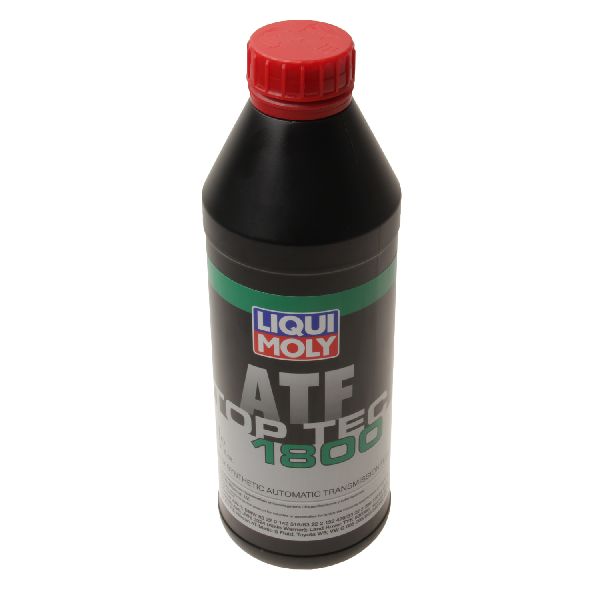
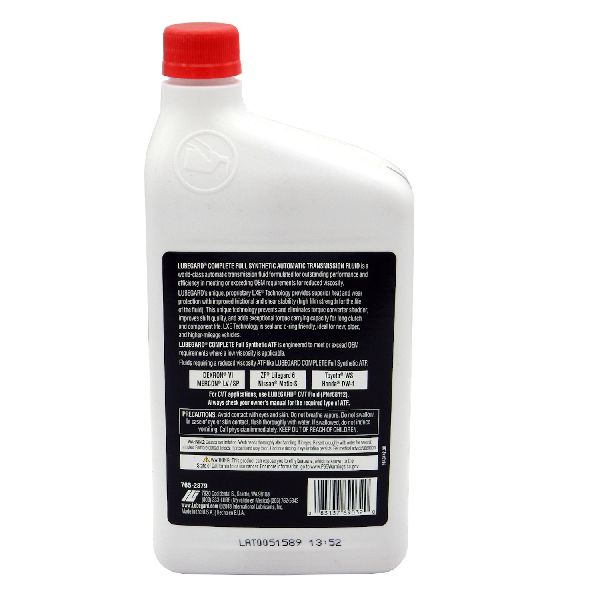
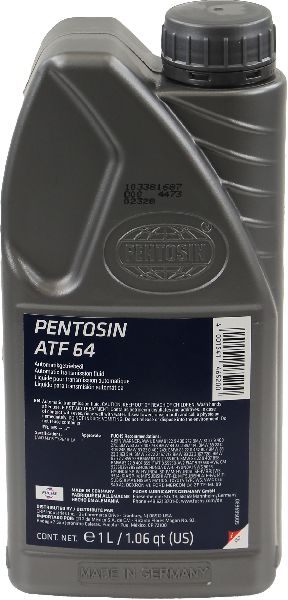
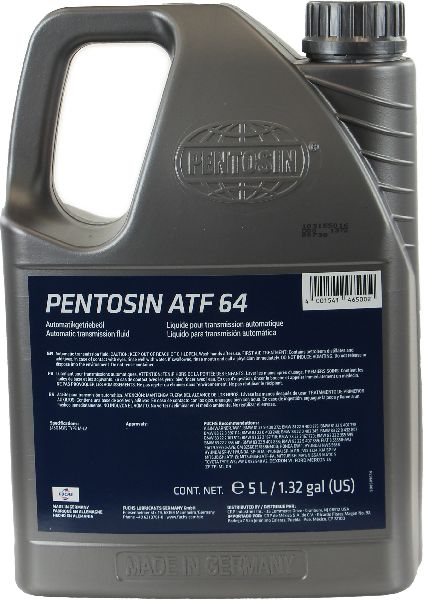
Aftermarket price range: $15-$25 - Hyundai SP-IV Automatic Transmission Fluid
(OEM #00232-19045)— The transmission must be refilled with 5-6 quarts of the correct OEM-specific fluid after the repair.
Trusted brands: Hyundai/Kia Genuine SP-IV, Idemitsu, Castrol Transmax, Valvoline MaxLife
OEM price range: $15-$25 per quart
Aftermarket price range: $10-$18 per quart
Related Codes That Often Appear With This One
- P0717 — This code for 'Input Speed Sensor Circuit No Signal' often appears with P0722 because both the input and output sensors are part of the same internal wiring harness that fails.
- P0711 — This code for 'Transmission Fluid Temperature Sensor Circuit Range/Performance' can also appear because the temperature sensor is also integrated into the same failure-prone internal harness.
- P0721 — This code for 'Output Speed Sensor Circuit Range/Performance' is another related DTC that TSB 20-AT-011H addresses with the same harness replacement fix.
Technical Service Bulletins (TSBs) & Recalls
- TSB 20-AT-011H: Supersedes previous versions and provides the definitive procedure for replacing the internal oil pressure harness/speed sensor assembly for DTCs P0717, P0721, and P0722 on the 2012-2017 Azera (HG).
- TSB 14-AT-013: An earlier version of the bulletin that also identifies the internal harness and sensor as the primary cause of the fault.
- TSB 16-AT-003: Another superseded bulletin that addressed this issue on other models like the Santa Fe and Veloster, later consolidated into 20-AT-011H.
Platform-Specific Known Issues
- A known issue, documented by Hyundai in TSB 20-AT-011H, points to the internal transmission wiring harness as the cause for P0722, P0717, and P0721 codes. The bulletin specifically instructs technicians to replace this harness rather than the entire transmission.
- The 6-speed automatic transmission in this Azera is from the 'A6' family (specifically A6LF1), which is shared across a wide range of Hyundai and Kia vehicles. This makes the P0722 harness failure a very common and well-understood problem in the Hyundai/Kia repair community.
Mechanic-Grade Diagnostic Values
- Output Speed Sensor (OSS) Resistance — expected: Approximately 5.8M ohms. Failure: A reading significantly different from 5.8M ohms, or an open/short circuit.
- Variable Force Solenoid (VFS) Resistance — expected: Approximately 5.1 - 5.3 ohms. Failure: Readings outside this range indicate a faulty solenoid. While not a direct cause of P0722, it's a common test while the valve body is accessible.
- On/Off Shift Solenoid (SSA/SSB) Resistance — expected: Approximately 10-11 ohms. Failure: Readings outside this range indicate a faulty on/off solenoid.
- Valve Body Bolt Torque — expected: 7.2-8.7 lb-ft (10-12 Nm). Failure: Incorrect or uneven torque can cause valve body warpage, leading to shifting issues.
Scan Tool Commands That Help
- Hyundai GDS (Global Diagnostic System): Resetting Auto T/A values — This function must be performed after replacing the transmission, valve body, or internal wiring harness to clear the old learned shift adaptations. Failure to do so can result in poor shift quality even after the repair is complete.
- Hyundai GDS (Global Diagnostic System): AT Adaptation Mode — This is the relearn procedure that follows the reset. The technician follows on-screen prompts to drive the vehicle, allowing the TCM to learn the new characteristics of the repaired transmission for optimal shift quality.
Wiring & Ground Locations
- Transmission Ground Wiring Assembly — A dedicated ground strap that connects the transmission case to the vehicle's chassis, often near the bell housing or starter motor area.. A poor or corroded transmission ground can cause a variety of electrical issues, including erratic sensor signals. While less common than internal harness failure, it's a critical check. The OEM part number for the Azera is 91880-3V020.
- TCM Connector — The main electrical connector on the outside of the transmission case where the internal harness connects to the main vehicle harness leading to the TCM.. This is the primary location for testing the external wiring. A technician would perform a continuity test from the pins corresponding to the OSS at this connector back to the TCM to rule out an external wiring fault before opening the transmission.
Real Owner Repair Stories
- Reddit user, r/Elantra (2016 Hyundai Elantra (uses a similar A6-family transmission with the same failure pattern)) — Car would not accelerate when put in Drive, throwing code P0722.
❌ Tried (didn't work) Replacing the speed sensor three times., Replacing the entire transmission with a used unit (26k miles).
✅ What actually fixed it The problem persisted even after a transmission swap, leading the final diagnosis to be a fault in the wiring harness between the transmission and the ECU, or a faulty ECU itself. This highlights that even when the internal harness is new (as part of the replacement transmission), a fault in the external vehicle harness can cause the same code.
OEM Part Supersession History
46307-3B610, 46307-3B620→46307-3B650— Improved materials and construction to address the original design's susceptibility to heat and fluid degradation.
Heads up: The older part numbers have been replaced and should not be used. Always install the latest revision (46307-3B650) to ensure the most durable repair.
Diagnostic Flowchart
Other Known Issues on This Vehicle
Issues unrelated to this code that are worth knowing about as an owner of this generation:
- Connecting Rod Bearing Failure (3.3L GDI) 🔴 High — Increasingly reported as vehicles age, can lead to sudden engine seizure. NHTSA is investigating claims as of early 2024.
- Carbon Buildup on Intake Valves (3.3L GDI) 🟠 Medium — Common to all Gasoline Direct Injection (GDI) engines. Can cause rough idle, misfires, and reduced power over 60,000-80,000 miles.
- Panoramic Sunroof Rattle/Creaking 🟡 Low — A common complaint where the sunroof assembly develops noises. Often requires lubrication or felt tape application as per TSBs. (Ref: TSB 13-BD-004, Warranty Extension)
- Electronic Parking Brake (EPB) Failure 🟠 Medium — The EPB switch can break internally, or the actuator motor can fail, preventing the parking brake from engaging or disengaging.
- Steering Column MDPS Failure 🔴 High — Complaints logged for the Motor Driven Power Steering (MDPS) unit in the steering column failing, leading to a loss of power steering. (Ref: TSB 20-ST-001H-2)
Used vs. New Parts: Buying Guide for This Vehicle
When a used part is the smart pick: For this specific P0722 repair, buying a used internal wiring harness is NOT recommended. The part fails due to heat and age, so a used part from a junkyard has already been subjected to the same conditions and is likely near the end of its life. A used valve body assembly might be considered if solenoids are also needed, but the harness itself should be new.
Donor-vehicle mileage cap: roughly under 15000 miles for the part to have meaningful remaining life.
What to inspect on the donor part:
- If considering a complete used transmission, verify the donor vehicle's mileage is exceptionally low.
- Ask for a video of the donor car running and driving, if possible, to see if it exhibited any shifting issues.
- Inspect the transmission fluid from the donor unit. If it's dark, burnt, or contains metal particles, reject the part.
OEM-only on this vehicle (don't cheap out):
- Internal Transmission Wiring Harness (46307-3B650)
Aftermarket brands forum-validated for this vehicle:
- For the wiring harness, only Hyundai/Kia Genuine Parts are recommended due to the high failure rate of the original design. Aftermarket versions may not have the same material improvements as the latest OEM revision.
Brands owners have reported issues with on this vehicle:
- Unbranded or no-name harnesses from online marketplaces. The labor to replace this part is significant, and using a low-quality part presents a high risk of repeat failure.
Real Owner Stories
Aggregated from forums and TSBs cited above. Mileages and costs reflect what owners reported in those sources.
2012-2017 Hyundai Azera
Symptoms: The user described getting code P0722 and was confused because the speedometer was still working normally despite the speed sensor code.
What fixed it: The discussion confirmed the sensor is internal and difficult to access, requiring the replacement of the internal harness as per the TSB.
Source hint: Reddit - r/Hyundai - 'Automatic transmission'
2012-2017 Hyundai Azera
Symptoms: Transmission speed sensor reported as dead; owner expressed frustration regarding the difficulty of accessing the internal sensor for repair.
What fixed it: Replacement of the internal transmission wiring harness assembly.
Source hint: Hyundai Forums - 'P0722 Tranny speed sensor dead but shifting normally'
Documented NHTSA Reports
Hyundai Transmission Engagement Issues
Symptoms: An owner reported that the car does not go into drive at all before the check engine light illuminates with code P0722.
What fixed it: While the owner was still seeking repair, the diagnostic confirmed the P0722 fault was preventing the vehicle from engaging gears.
Source hint: NHTSA ODI #11427357
Manual Mode Fail-Safe
Symptoms: A report describes a vehicle forced to use manual 1st and 2nd gears while reverse remained functional, with an auto parts store scan revealing code P0722 despite no initial dash lights.
What fixed it: Diagnostic appointment scheduled to address the input/output speed sensor fault.
Source hint: NHTSA ODI #11696914
Related OBD-II Codes
Frequently Asked Questions
Which Hyundai TSB provides the definitive repair procedure for P0722 on my 2012-2017 Azera?
Why does my speedometer still work if the Output Speed Sensor (P0722) is failing?
What is the specific part number for the internal harness used to fix this code?
Can I just replace the sensor, or do I have to replace the whole transmission?
What type of transmission fluid should be used when refilling after the harness repair?
Is the P0722 code common on other Hyundai models besides the Azera?
Helpful Videos
We Have This Part in Stock


The information in this article is provided for general reference and educational purposes only. Vehicle specifications, procedures, and part compatibility can vary by production date, trim level, and region. Always consult your vehicle's factory service manual and verify part numbers before purchasing or performing repairs. Safety-critical components such as airbags, seat belts, and braking systems should be installed by a qualified professional.
- Hyundai Azera:
- 🧭 Diagnostic Flowchart
- 🎬 Helpful Videos
- 🛍️ Shop This Part
- What's Unique About the 2012-2017 Hyundai Azera
- Symptoms You May Notice
- Most Likely Causes
- Rare But Worth Checking
- Diagnosis Steps
- Parts You'll Likely Need
- Related Codes That Often Appear With This One
- Technical Service Bulletins (TSBs) & Recalls
- Platform-Specific Known Issues
- Mechanic-Grade Diagnostic Values
- Scan Tool Commands That Help
- Wiring & Ground Locations
- Real Owner Repair Stories
- OEM Part Supersession History
- Other Known Issues on This Vehicle
- Used vs. New Parts: Buying Guide for This Vehicle
- Real Owner Stories
- 2012-2017 Hyundai Azera
- 2012-2017 Hyundai Azera
- Documented NHTSA Reports
- Hyundai Transmission Engagement Issues
- Manual Mode Fail-Safe
- Related OBD-II Codes
- Frequently Asked Questions
- 🎟️ Get 5% Off