

P0722 on 2007-2017 Jeep Compass: Output Speed Sensor Circuit No Signal Causes and Fixes
On a 2007-2017 Jeep Compass, code P0722 typically indicates a failed transmission Output Speed Sensor (OSS) or a wiring issue. This often causes the vehicle to enter 'limp mode,' resulting in poor shifting and an erratic or dead speedometer. Replacing the sensor is the most common fix, but wiring must be checked first.
- P0722 on a Jeep Compass most commonly points to a bad output speed sensor.
- Driving with this code is risky as the vehicle can enter 'limp mode,' causing unpredictable shifting and potential safety hazards.
- Always check the wiring and connectors to the sensor before replacing it, as this is a common and less expensive failure point.
- The repair procedure varies significantly depending on whether the vehicle has a CVT or a 6-speed automatic. Accessing the sensor on the CVT is more labor-intensive.
What's Unique About the 2007-2017 Jeep Compass
The first-generation Jeep Compass (2007-2017) was commonly equipped with a Jatco JF011E CVT (Continuously Variable Transmission), which is known for having sensor-related issues. While later models offered a more conventional 6-speed automatic, many owners encounter P0722 due to problems within the CVT. The location and replacement procedure for the output speed sensor can differ significantly between the CVT and the 6-speed automatic transmission. On many CVT models, the sensor is located inside the transmission, requiring removal of the pan and sometimes the valve body to access it.
Symptoms You May Notice
- Check Engine Light is on
- Vehicle enters 'limp mode' (stuck in one gear) 🎬 Watch how a bad output speed sensor causes shifting issues.
- Harsh, erratic, or delayed shifting
- Speedometer reads 0 MPH or behaves erratically
- Decreased fuel economy
- Vehicle may stall when coming to a stop
- Cruise control is inoperative
- Replacing the entire transmission when only the internally-located sensor or its wiring was faulty.
- Replacing the PCM/TCM when the actual problem is a simple wiring short or a failed sensor.
- Replacing the output speed sensor when the root cause is metal debris from a failing component interfering with the sensor's magnetic pickup.
Most Likely Causes
- Faulty Output Speed Sensor (OSS) 🔴 High Probability The sensors used in the Jatco CVT are a common failure point due to internal coil damage or contamination from metallic debris in the fluid.
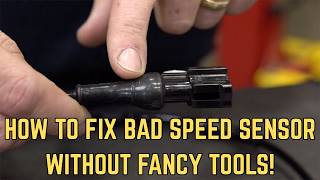
How to confirm: Use a scan tool to monitor the output speed sensor data stream while driving. If the reading remains at 0 RPM while the vehicle is moving, the sensor is not sending a signal. The sensor's internal resistance can also be tested with a multimeter and compared to specifications. 🎬 See how to test a speed sensor with a multimeter.
Typical fix: Replace the output speed sensor. On many CVT models, this requires draining the fluid, removing the transmission oil pan, and sometimes the valve body to access the sensor.
Est. part cost: $20 - $80 - Damaged Wiring or Connectors 🟡 Medium Probability Wiring harnesses near the transmission are exposed to heat, moisture, and road debris, leading to corrosion, chafing, or broken wires, sometimes internally where the damage isn't visible.
How to confirm: Visually inspect the wiring harness leading to the output speed sensor for any signs of damage, melting, or corrosion. Perform a continuity test on the wiring between the sensor and the TCM/PCM with a multimeter. A common failure point is a few inches from the connector where wires can break inside the loom.
Typical fix: Repair or replace the damaged section of the wiring harness or the connector. This can sometimes involve splicing in new wire or replacing a pigtail connector.
Est. part cost: $10 - $100 - Low or Contaminated Transmission Fluid 🟡 Medium Probability → Shop Transmission Assembly
How to confirm: Check the transmission fluid level and condition. Dark, burnt-smelling fluid or fluid containing metal shavings indicates a problem. Note that CVT models do not have a traditional dipstick, making this check more difficult for a DIYer.
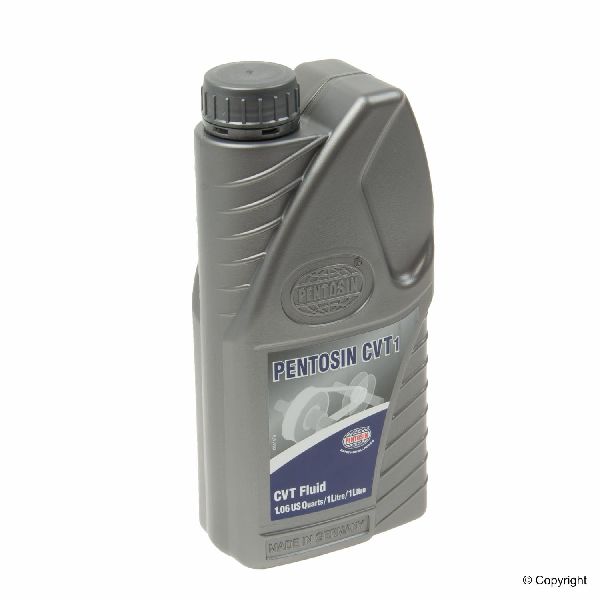
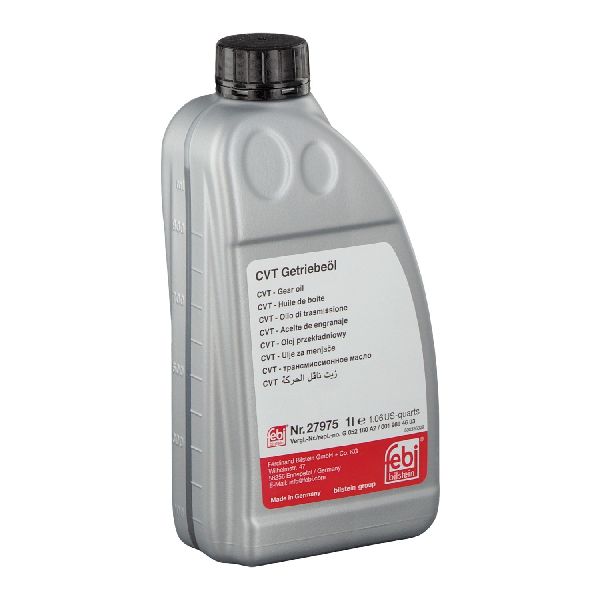
Typical fix: Perform a transmission fluid and filter change using the correct CVT-specific fluid. If significant metal debris is found, internal transmission damage is likely, and a fluid change alone will not solve the problem.
Est. part cost: $50 - $200 for fluid and filter - Internal Transmission Failure ⚪ Low Probability → Shop Transmission Assembly The Jatco JF011E CVT has known failure modes including worn belts, pulleys, and valve body issues. Metal shavings from these failing components can contaminate the fluid and interfere with the magnetic speed sensor, or indicate a much larger problem.
How to confirm: This is often a diagnosis of exclusion after the sensor and wiring have been confirmed to be good. A significant amount of metal debris in the transmission pan is a strong indicator of internal failure.
Typical fix: This may require a transmission rebuild or replacement, which is a significant and costly repair.
Est. part cost: $2000+
Rare But Worth Checking
- Faulty Powertrain Control Module (PCM) or Transmission Control Module (TCM): → Shop Engine Control Module (ECM) This is uncommon. A faulty TCM input circuit or corrupted software can cause a P0722 code. Before replacing a control module, all other possibilities, including the sensor, wiring, and internal transmission components, should be thoroughly ruled out. Sometimes a software re-flash can resolve the issue.
Diagnosis Steps
- Check for other stored trouble codes with an OBD-II scanner.
- Inspect the transmission fluid level and condition. Look for signs of burning or metal contamination.
- Perform a thorough visual inspection of the output speed sensor's wiring harness and connector for any damage, corrosion, or loose connections.
- Use a scan tool with live data capability to monitor the Output Speed Sensor (OSS) reading while driving. A consistent reading of 0 RPM indicates a lack of signal.
- If the wiring appears intact, test the sensor's resistance with a multimeter and compare it to the manufacturer's specifications.
- Test the wiring for proper voltage (often a 5V or 12V reference), ground, and continuity between the sensor connector and the TCM/PCM.
- If the sensor and wiring test good, the problem may be internal to the transmission (such as the valve body) or, in rare cases, the control module itself.
Parts You'll Likely Need
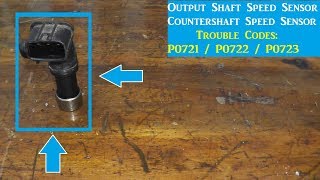
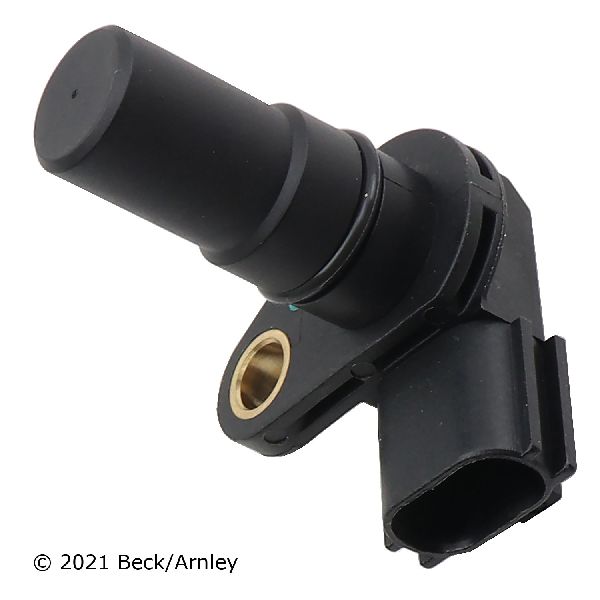
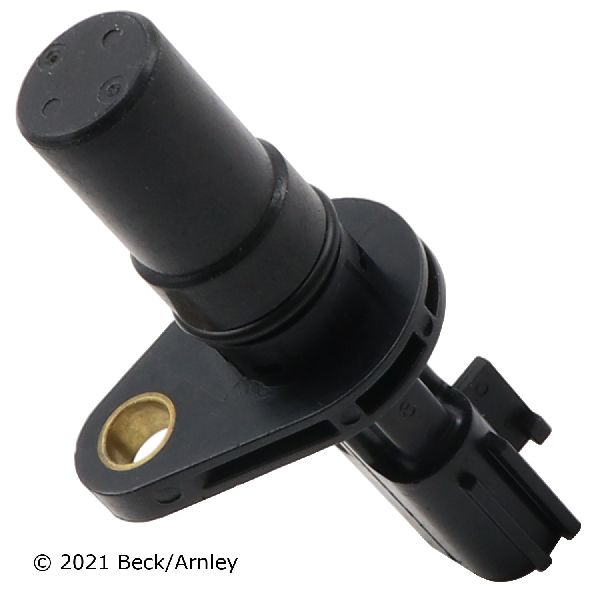
- Transmission Output Speed Sensor
(OEM #04800879 (Note: Part numbers can vary by specific year and transmission type. Verify with VIN.))— This sensor is the most frequent cause of a P0722 code due to electrical failure.
Trusted brands: Mopar, NTK, Delphi, Standard Motor Products
OEM price range: $60-$120
Aftermarket price range: $20-$80
Related Codes That Often Appear With This One
- P0717 — This code indicates 'Input Speed Sensor Circuit No Signal'. Since the input and output speed sensors are often located near each other and may share a wiring harness, a problem with the harness can cause both codes to appear simultaneously.
- P0700 — This is a general transmission fault code. The TCM sends this code to the PCM to illuminate the check engine light, indicating that a specific transmission-related code, like P0722, has been stored in the TCM.
- P0746 — This code relates to the Pressure Control Solenoid. A user on 2CarPros reported this code along with P0722, which, combined with metal shavings in the fluid, pointed towards a significant internal CVT failure.
Platform-Specific Known Issues
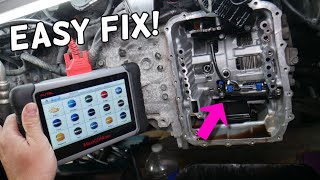
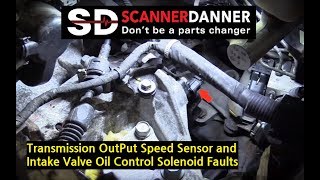
- On models with the Jatco CVT, the input and output speed sensors are often replaced as a pair since they are located internally and require significant labor to access. A YouTube video by 'Electrical Car Repair LIVE' shows the location of these sensors on the valve body for a similar Jeep transmission. 🎬 Watch this diagnostic walkthrough for a Jeep Compass CVT P0722 code.
- The Jatco JF011E CVT is known for several common failure points that can lead to codes like P0722, including overheating, belt and pulley wear, and valve body/solenoid failures.
Mechanic-Grade Diagnostic Values
- Output Speed Sensor (Hall Effect Type) Signal Voltage — expected: A digital pulse signal switching between 0 and 4.5 volts, best observed with an oscilloscope.. Failure: A flat line at 0V or a constant voltage with no pulse indicates a failed sensor or a wiring/power issue.
- Output Speed Sensor (Hall Effect Type) Frequency at 12 mph (20 km/h) — expected: Approximately 460Hz.. Failure: A reading of 0Hz while the vehicle is moving confirms a lack of signal.
- Sensor Power Supply Voltage at Harness Connector (Key On, Engine Off) — expected: Approximately 5V reference voltage.. Failure: No voltage or significantly low voltage points to a problem with the TCM or the wiring, not the sensor itself.
- Sensor Ground Circuit Resistance — expected: Less than 5 Ω to a known good chassis ground.. Failure: High resistance or an open circuit (O.L.) indicates a bad ground connection, which will prevent the sensor from working.
Scan Tool Commands That Help
- wiTECH (Chrysler/Jeep Dealer Tool): Reprogram the TCM with the latest software. — This should be considered if no physical faults are found with the sensor or wiring. Manufacturers sometimes release software updates to improve sensor interpretation, which can resolve false P0722 codes.
Wiring & Ground Locations
- G102 / G103 — On top of the transmission housing.. These are primary grounds for components on the transmission. A loose or corroded ground here can cause erratic behavior from sensors and solenoids, including the output speed sensor.
- G305 — Located in the left kick panel area, inside the cabin.. This is an interior ground point. While less likely to be the direct cause, interior grounds can affect the Powertrain Control Module or other related control units that process the transmission sensor data.
Model Year Variations Within This Range
- 2014-2017: Starting in the 2014 model year, Jeep began offering a conventional 6-speed automatic transmission (Hyundai Powertech 6F24) as an alternative to the CVT on certain trims. The diagnostic process and sensor location for the 6-speed are different. The sensors on the 6-speed are typically located on the exterior of the transmission case, making them much easier to access than the internal sensors on the Jatco CVT.
Diagnostic Flowchart
Other Known Issues on This Vehicle
Issues unrelated to this code that are worth knowing about as an owner of this generation:
- Front and Rear Subframe Corrosion 🔴 High — Very common, especially in salt-belt regions. Can become structurally unsafe. (Ref: TSB 23-007-17 REV B (X69 Warranty Extension) was issued, extending the warranty to 10 years for this issue on some model years.)
- CVT Transmission Overheating/Failure 🔴 High → Shop Transmission Assembly — A well-documented weakness of the Jatco JF011E CVT used in these vehicles, often leading to costly repairs or replacement.
- Electronic Throttle Body Failure 🟠 Medium — Commonly reported, causing the 'lightning bolt' warning light, stalling, and limp mode. (Ref: Recalls have been issued for throttle body issues on some Jeep models.)
- Water Leaks into Cabin 🟡 Low — Frequently reported, often from the sunroof drains, roof seams, or grommets, leading to wet headliners and carpets.
- Alternator and Charging System Faults 🟠 Medium — Owners report premature alternator failure, faulty pulleys, and persistent battery warning lights even after replacement.
- Premature Suspension Component Wear 🟠 Medium — Reports of early failure of struts, ball joints, and control arm bushings are common.
Used vs. New Parts: Buying Guide for This Vehicle
When a used part is the smart pick: For this repair, a used part is generally not recommended for the sensor itself, as it is an electronic component with a finite lifespan located inside the transmission. However, a used wiring harness pigtail or a complete engine/transmission harness from a reputable salvage yard can be a cost-effective solution if the original wiring is damaged beyond simple repair.
Donor-vehicle mileage cap: roughly under 80000 miles for the part to have meaningful remaining life.
What to inspect on the donor part:
- For a wiring harness, inspect for any signs of brittleness, cracking in the insulation, or corrosion on the connector pins.
- Ensure the donor vehicle was not in a front-end collision that could have stressed the harness.
- Check for any signs of previous repairs, such as splices or non-factory electrical tape.
OEM-only on this vehicle (don't cheap out):
- Transmission Control Module (TCM) - Due to programming requirements specific to the vehicle's VIN, a new or professionally refurbished OEM unit is the only reliable option.
Aftermarket brands forum-validated for this vehicle:
- NTK
- Standard Motor Products (SMP)
- Delphi
Brands owners have reported issues with on this vehicle:
- No-name, unbranded sensors from online marketplaces should be avoided, as their quality and accuracy can be inconsistent, potentially leading to a repeat failure.
Real Owner Stories
Aggregated from forums and TSBs cited above. Mileages and costs reflect what owners reported in those sources.
2011 Jeep Compass 2.4L — 133333 miles
Symptoms: The car broke down and was not drivable. The RPMs did not move when pressing the gas pedal and the vehicle would not move after a fluid change.
What fixed it: The presence of metal scrapings in the transmission fluid indicated internal failure, requiring a transmission rebuild or replacement.
Source hint: 2CarPros: 'Codes p0746 and P0722?'
2011 Jeep Compass — ~100000 miles
Symptoms: Vehicle entered limp mode with multiple trouble codes, a flashing ETC (Electronic Throttle Control) light, and a traction light.
What fixed it: The issue was traced to a bad pin/connection at the PCM connector.
Source hint: Cartalk Community: '2011 Jeep Compass Limp Mode+misfire'
Related OBD-II Codes
Frequently Asked Questions
Is there a TSB for the subframe corrosion issues on my 2007-2017 Jeep Compass?
Why does my Jeep Compass speedometer read 0 MPH even while I am driving?
Can I check the transmission fluid level myself to see if it's causing the P0722 code?
Why are both the input and output speed sensors often replaced at the same time on this vehicle?
Could a bad connection at the PCM cause my Compass to go into limp mode with a P0722?
What does it mean if I find metal scrapings in my CVT fluid while diagnosing P0722?
Helpful Videos
We Have This Part in Stock

The information in this article is provided for general reference and educational purposes only. Vehicle specifications, procedures, and part compatibility can vary by production date, trim level, and region. Always consult your vehicle's factory service manual and verify part numbers before purchasing or performing repairs. Safety-critical components such as airbags, seat belts, and braking systems should be installed by a qualified professional.
- Jeep Compass:
- 🧭 Diagnostic Flowchart
- 🎬 Helpful Videos
- 🛍️ Shop This Part
- What's Unique About the 2007-2017 Jeep Compass
- Symptoms You May Notice
- Most Likely Causes
- Rare But Worth Checking
- Diagnosis Steps
- Parts You'll Likely Need
- Related Codes That Often Appear With This One
- Platform-Specific Known Issues
- Mechanic-Grade Diagnostic Values
- Scan Tool Commands That Help
- Wiring & Ground Locations
- Model Year Variations Within This Range
- Other Known Issues on This Vehicle
- Used vs. New Parts: Buying Guide for This Vehicle
- Real Owner Stories
- 2011 Jeep Compass 2.4L — 133333 miles
- 2011 Jeep Compass — ~100000 miles
- Related OBD-II Codes
- Frequently Asked Questions
- 🎟️ Get 5% Off