

P0729 on 2018-2023 Ford Mustang: Gear 6 Incorrect Ratio Causes and Fixes
On 2018-2023 Ford Mustangs, code P0729 is almost always caused by a known internal failure in the 10R80 10-speed transmission, specifically a faulty CDF clutch drum. This is a major repair requiring transmission removal and overhaul, with costs ranging from $2,500 to over $7,000. The updated OEM part is designed to prevent a repeat failure.
- P0729 on a 2018-2023 Mustang is not a simple sensor issue; it points to a serious internal transmission problem.
- The most probable cause is a well-documented design flaw in the 10R80 transmission's CDF clutch drum.
- Repair is not a DIY job. It requires transmission removal, specialized tools, and costs several thousand dollars.
- Ensure the repair shop uses the updated, redesigned CDF clutch drum from Ford to prevent the issue from recurring.
- Do not ignore this code. Driving with it will likely lead to more extensive and expensive transmission damage.
What's Unique About the 2018-2023 Ford MUSTANG
The 2018-2023 Mustang uses the Ford-GM 10-speed 10R80 automatic transmission, which is known for a specific, widespread issue. A component called the CDF (Clutch C-D-F) clutch drum contains an internal sleeve that is prone to moving out of position, uncovering hydraulic passages and causing pressure leaks. This design flaw leads to a host of shifting problems and incorrect gear ratio codes, including P0729. Ford has issued multiple Technical Service Bulletins (TSBs) and even redesigned the part for vehicles built after mid-2022, confirming this is a well-documented platform weakness.
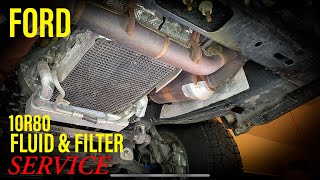
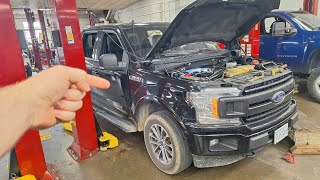
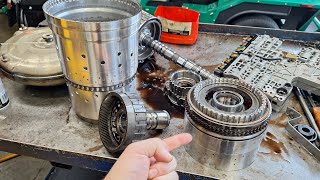
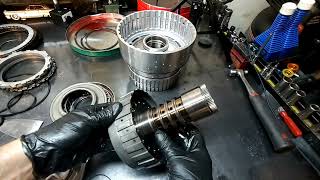
🎬 Watch: A Ford technician explains common 10-speed transmission issues.Diagnostic Flowchart
Tap your situation to follow the diagnostic path that matches what you're seeing on this vehicle.
Symptoms You May Notice
- Check Engine Light is on
- Harsh, jerky, or delayed shifts, especially into 6th gear
- A flare in RPMs when shifting between gears, particularly 3-4, 4-5, or into 6th
- Transmission slipping (engine RPMs rise without an increase in vehicle speed)
- Failure to shift into 6th gear, may feel stuck in 5th
- Reduced fuel economy
- Grinding or humming noises when the transmission tries to engage 6th gear
- Delayed or harsh engagement when shifting from Park into Drive or Reverse
- Replacing only the input or output speed sensors. While these sensors provide the data, the P0729 code on this platform is almost never due to a bad sensor itself, but rather a mechanical slip that the sensors are correctly reporting.
- Performing only a fluid and filter change. If the CDF drum has failed, new fluid will not fix the internal hydraulic leak and the problem will persist.
Most Likely Causes
- CDF Clutch Drum Failure 🔴 High Probability → Shop Transmission Clutch Pressure Plate This is a well-documented design flaw in the 10R80 transmission used in these Mustangs. The sleeve inside the CDF clutch drum can move axially ('walk'), uncovering hydraulic passages and causing pressure loss to the C, D, and/or F clutches. This prevents clutches from engaging properly, leading to ratio errors. Ford has released multiple TSBs about this exact issue and created an updated part with a machined lip to prevent the sleeve from moving.
How to confirm: A technician will perform a pressure test on the transmission's hydraulic circuits using specialized equipment like the Rotunda Pressure Vacuum Transducer Kit. Finding a leak in the CDF clutch circuit confirms the diagnosis, as outlined in Ford's TSBs. Visually, a teardown will reveal the sleeve has moved and uncovered an oil passage.
Typical fix: The transmission must be removed and disassembled to replace the faulty CDF clutch drum with the updated, redesigned part (OEM Part No. JL3Z-7H351-B). This is an extensive repair that often includes replacing seals, gaskets, and sometimes the valve body as a preventative measure.
Est. part cost: $150-$400 for the updated CDF drum and associated gaskets/seals. - Low or Burnt Transmission Fluid 🟡 Medium Probability → Shop Transmission Assembly While not a design flaw, high operating temperatures, especially in performance applications, can degrade the fluid over time. The 10R80 is specified only for Motorcraft Mercon ULV fluid; using the wrong type can cause shifting problems. If the fluid level is low or its quality is poor, it can't provide the necessary hydraulic pressure for clutch engagement.
How to confirm: Check the transmission fluid level and condition via the service plug. This is a complex procedure on this transmission requiring the vehicle to be at a specific operating temperature (96-101°C or 206-215°F) to get an accurate reading. The fluid should be at the correct level, pinkish-red, and not smell burnt. Dark, brown, or burnt-smelling fluid indicates a problem, likely internal wear.
Typical fix: Perform a transmission fluid drain and fill, or a complete fluid flush, using only Motorcraft ULV fluid. This is often a first step, but if the CDF drum is failing, it will not be a permanent solution.
Est. part cost: $200-$350 for 13 quarts of Motorcraft ULV fluid and a new filter/gasket kit. - Main Control (Valve Body) Failure ⚪ Low Probability The valve body can suffer from sticking solenoids or internal cross-leaks, which disrupt the flow of hydraulic fluid needed to apply clutches. Debris from a failing CDF drum can contaminate the valve body, leading to issues. While this can cause P0729, it is less common than the CDF drum issue but is often replaced during the CDF drum repair as a precautionary measure.
How to confirm: A professional scan tool can command individual solenoids and monitor pressure responses. A technician may also inspect the valve body for contamination or damage during a transmission service. TSBs exist for valve body overhauls for related symptoms.
Typical fix: Replace or overhaul the main control valve body assembly. This is a complex job but can sometimes be done without removing the entire transmission.
Est. part cost: $800-$1500 for a new valve body assembly.
Rare But Worth Checking
- Faulty Transmission Control Module (TCM): → Shop Transmission Assembly While possible, electronic failure is far less common than the mechanical issues known to plague the 10R80 transmission. The TCM should only be suspected after all mechanical and hydraulic causes have been ruled out.
- Engine Misfire: In rare cases, an engine misfire can be misinterpreted by the transmission control module as a gear slip, setting a ratio code. One documented case showed a 2019 F-150 with P0735 (5th gear ratio error) was ultimately fixed by replacing spark plugs to resolve a misfire, after a full transmission rebuild failed to solve the problem.
Diagnosis Steps
- Verify the Check Engine Light and retrieve all DTCs using an OBD-II scanner. Note any other transmission-related codes, especially for other gear ratios or solenoids.
- Check the transmission fluid level and condition. This is a complex check requiring the vehicle to be level and at a specific temperature (96°C - 101°C / 206°F - 215°F). Ensure it is full and does not appear dark, burnt, or contaminated.
- Perform a road test to confirm the symptoms, paying close attention to the shift quality into and out of 6th gear, as well as other gears like 3rd, 4th, and 5th.
- If fluid is okay, the next step is professional diagnosis. A technician will reference the latest TSBs, such as TSB 24-2254.
- The technician will likely perform a hydraulic pressure test on the transmission circuits to check for leaks, specifically targeting the CDF clutch circuit as outlined in the TSBs.
- If a hydraulic leak is confirmed in the CDF clutch circuit, the diagnosis is a failed CDF drum, requiring transmission removal and overhaul to replace it with the updated part.
Parts You'll Likely Need
- CDF Clutch Drum
(OEM #JL3Z-7H351-B)— This is the component with the known design flaw that causes the hydraulic leak and subsequent gear ratio error. The fix requires the updated, redesigned version of this part which has a machined lip to prevent the internal sleeve from moving.
Trusted brands: Motorcraft
OEM price range: $150-$400
Aftermarket price range: $150-$400 - Transmission Main Control (Valve Body) Assembly — Often replaced as part of the TSB procedure or if it's suspected of having internal leaks or faulty solenoids causing the shifting issues. Debris from the failing clutches can also contaminate the valve body.
Trusted brands: Motorcraft
OEM price range: $800-$1500
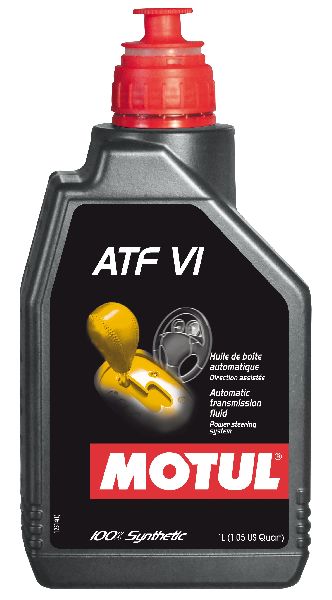
Aftermarket price range: $600-$1200 - Automatic Transmission Fluid
(OEM #Motorcraft Mercon ULV (XT-12-QULV))— The transmission must be refilled with new, correct-specification fluid after the repair. The 10R80 requires this specific Ultra-Low Viscosity fluid; using any other type can cause severe damage.
Trusted brands: Motorcraft
OEM price range: $20-$30 per quart
Related Codes That Often Appear With This One
- P0731-P0735 — These are incorrect gear ratio codes for gears 1-5. When the CDF drum fails, its hydraulic leaks can affect multiple clutch circuits, causing ratio errors in several gears, not just 6th.
- P0751, P0756, P0761, etc. — These are performance codes for specific shift solenoids (A, B, C, etc.). The hydraulic leaks from the CDF drum failure can cause the TCM to flag solenoid performance issues, even if the solenoids themselves are functional. These codes are listed alongside P0729 in Ford's TSBs.
- P2700-P2705 — These codes relate to the apply time for various friction elements (clutches). A hydraulic leak from the CDF drum will cause a clutch to take too long to apply, triggering these codes along with the ratio error.
Technical Service Bulletins (TSBs) & Recalls
- TSB 24-2254: Supersedes previous TSBs. Outlines the issue of axial movement of the CDF clutch cylinder sleeve causing hydraulic leaks and lists numerous DTCs including P0729. It details the diagnostic procedure of verifying hydraulic circuit leakage before replacing the CDF drum.
- TSB 23-2350: Also addresses harsh/delayed shifts in 2018-2021 Mustangs with the 10R80, pointing to potential valve body overhaul or adaptive learning resets as part of the diagnostic path.
Platform-Specific Known Issues
- The 10R80 10-speed automatic transmission in 2018-2023 Mustangs is subject to multiple Technical Service Bulletins (TSBs) related to harsh shifting and incorrect gear ratio codes.
- The primary documented cause is a design flaw in the CDF clutch drum where an internal sleeve moves and causes hydraulic circuit leaks. Ford acknowledged this by redesigning the part (JL3Z-7H351-B) for vehicles built after mid-2022 and for service repairs.
- Owner experiences on forums like Mustang6G.com frequently describe harsh shifting, delayed engagement, and eventual transmission failure requiring a rebuild to replace the CDF drum. One user noted their dealer replaced the entire transmission under warranty after experiencing harsh engagement and sloppy shifting, suspecting the CDF drum was the root cause.
Mechanic-Grade Diagnostic Values
- Shift Solenoid (A-F) Resistance — expected: 5.0 - 5.4 Ohms at 68°F (20°C). Failure: Readings outside this range indicate a faulty solenoid coil.
- Transmission Fluid Temperature for Level Check — expected: 96°C - 101°C (206°F - 215°F). Failure: Checking the fluid level outside this temperature range will result in an inaccurate reading (either too high or too low).
Scan Tool Commands That Help
- Ford IDS (or compatible professional scanner): Reset Adaptive Learning / Clear Transmission Adaptive Tables — This function should be performed after replacing major transmission components like the valve body or the entire CDF drum assembly. It clears the TCM's learned shift behavior, forcing it to recalibrate to the new parts, which is crucial for preventing harsh or erratic shifting after the repair.
- Ford IDS (or compatible professional scanner): Solenoid Body Strategy Data Download — If the main control valve body (solenoid body) is replaced, the unique 13-digit strategy number from the new part must be programmed into the TCM. Failure to do so will result in poor shift quality and potential DTCs.
Wiring & Ground Locations
- C175T — This is a main connector at the Powertrain Control Module (PCM), typically located on the firewall.. This connector contains the circuits for essential transmission sensors and solenoids. For P0729, key pins include Pin 25 (Output Shaft Speed Sensor), Pin 16 (Turbine/Transmission Shaft Speed Sensor), and Pin 19 (Transmission Fluid Temperature Sensor), which provide the data the PCM uses to calculate gear ratios.
- Pin 10 (CET08) on C175T — At the PCM connector C175T.. This is the control circuit for Shift Solenoid D (SSD). While P0729 is a ratio code, issues with the solenoids that control the clutches for 6th gear can be a contributing factor.
- Pin 11 (CET19) on C175T — At the PCM connector C175T.. This is the control circuit for Shift Solenoid E (SSE). Problems with this circuit could affect clutch engagement for gears that use the E clutch, potentially contributing to ratio errors.
Real Owner Repair Stories
- Mustang6G.com forum user (Ford Mustang (year not specified, but S550 generation)) — Multiple shifting issues.
✅ What actually fixed it The user self-diagnosed the issue as the CDF drum based on common problems. The dealer service department confirmed the diagnosis and replaced the CDF drum, which resolved the shifting problems. The user noted the revised part has the internal bushing welded or secured in place to prevent it from moving.
OEM Part Supersession History
HL3Z-7H351-A, JL3Z-7H351-A→JL3Z-7H351-B— The original CDF clutch drum design allowed an internal bushing/sleeve to 'walk' or move out of position, which would uncover hydraulic passages and cause pressure loss. The updated JL3Z-7H351-B part has a machined lip on the drum that physically prevents the sleeve from moving, providing a permanent fix to the problem.
Model Year Variations Within This Range
- 2018 - Mid-2022: Vehicles built on or before August 15, 2022, were originally equipped with the faulty CDF clutch drum (e.g., HL3Z-7H351-A) that is prone to failure.
- Mid-2022 - 2023: Vehicles built on or after August 16, 2022, should have the updated CDF clutch drum (JL3Z-7H351-B) installed from the factory, which has the redesigned lip to prevent the internal sleeve from moving. While this significantly reduces the likelihood of P0729 from this specific cause, other valve body or solenoid issues can still occur.
Helpful Videos

We Have This Part in Stock


The information in this article is provided for general reference and educational purposes only. Vehicle specifications, procedures, and part compatibility can vary by production date, trim level, and region. Always consult your vehicle's factory service manual and verify part numbers before purchasing or performing repairs. Safety-critical components such as airbags, seat belts, and braking systems should be installed by a qualified professional.
- Ford MUSTANG:
- 🧭 Diagnostic Flowchart
- 🎬 Helpful Videos
- 🛍️ Shop This Part
- What's Unique About the 2018-2023 Ford MUSTANG
- Symptoms You May Notice
- Most Likely Causes
- Rare But Worth Checking
- Diagnosis Steps
- Parts You'll Likely Need
- Related Codes That Often Appear With This One
- Technical Service Bulletins (TSBs) & Recalls
- Platform-Specific Known Issues
- Mechanic-Grade Diagnostic Values
- Scan Tool Commands That Help
- Wiring & Ground Locations
- Real Owner Repair Stories
- OEM Part Supersession History
- Model Year Variations Within This Range
- 🎟️ Get 5% Off