

P0729 on 2008-2011 Land Rover Range Rover: Gear 6 Incorrect Ratio Causes and Fixes
On a 2008-2011 Range Rover, code P0729 almost always indicates a serious internal transmission problem, often related to a worn stator bushing as cited in a Land Rover TSB. Other common failure points in the ZF 6HP26 transmission include the Mechatronic valve body, solenoids, and the Mechatronic adapter sleeve. The fix typically requires a transmission rebuild or replacement, which is a costly and complex repair.
- P0729 on a 2008-2011 Range Rover is a serious code that points to transmission slippage in 6th gear.
- A Land Rover TSB confirms that a common cause is internal wear of a stator bushing, which is a major repair.
- While checking the transmission fluid level and condition is a necessary first step, be prepared for the high likelihood of needing a transmission rebuild or replacement.
- Do not replace speed sensors as a first step; the fault is almost always mechanical slippage, not a sensor error.
- Due to the complexity, this repair is not recommended for DIY and should be handled by a transmission specialist.
What's Unique About the 2008-2011 Land Rover RANGE ROVER
The 2008-2011 Range Rover (L322) uses a ZF 6-speed automatic transmission, specifically the 6HP26 and later the 6HP28. Land Rover has specifically identified that wear of an internal stator bushing can cause this code, along with a range of other gear ratio faults (P0730-P0735). This points to a known mechanical weakness within the transmission. Furthermore, issues with the Mechatronic unit (valve body and TCM), its solenoids, and its various seals are extremely common causes for pressure loss and shifting problems in this transmission family.
Diagnostic Flowchart
Tap your situation to follow the diagnostic path that matches what you're seeing on this vehicle.
Symptoms You May Notice
- Check Engine Light and/or Transmission Malfunction warning on the dashboard.
- Failure to shift into 6th gear, or delayed, harsh shifting into 6th.
- Transmission slipping, where engine RPMs increase but vehicle speed does not, especially at highway speeds.
- Vehicle enters 'limp mode' with limited gear availability.
- Reduced fuel economy, particularly at highway speeds.
- A clunking or jerking sensation when the transmission attempts to engage 6th gear.
- Grinding or humming noises when trying to engage 6th gear.
- Replacing input or output speed sensors. While these sensors provide the data, they rarely fail. The P0729 code is about the TCM's *interpretation* of that data, which usually points to a mechanical slip or hydraulic pressure loss, not a bad sensor.
- Only changing the fluid without addressing underlying leaks. If the Mechatronic sleeve or pan gasket is leaking, a fluid change is only a temporary fix before the problem returns.
Most Likely Causes
- Worn Internal Transmission Components (Stator Bushing, Clutches) 🔴 High Probability → Shop Transmission Assembly A specific Land Rover Technical Service Bulletin (LTB00514NAS1) directly links P0729 to wear of the stator lead-free bushing, a known issue in these ZF transmissions that causes internal pressure loss. Driving with other failing components (like a bad valve body) accelerates this wear.
How to confirm: This requires transmission disassembly and inspection by a qualified technician. A significant amount of metallic debris in the transmission pan during a fluid service is a strong indicator of bushing and clutch wear.
Typical fix: The transmission must be removed and either rebuilt with updated parts (including a full bushing kit) or replaced with a remanufactured unit.
Est. part cost: $2000-$5000 - Faulty Valve Body (Mechatronic Unit) or Solenoids 🔴 High Probability → Shop Transmission Valve Body The ZF 6HP26 Mechatronic unit is a very common failure point. Sticking solenoids, worn bores in the valve body, and failing internal seals cause significant hydraulic pressure loss, leading to clutch slippage and gear ratio codes. Problems often start as harsh shifts and escalate to codes like P0729 if not addressed.
How to confirm: A professional scan tool can monitor solenoid commands vs. actual performance and line pressure. The valve body can be pressure tested on a specialized bench. Often, visual inspection of the solenoids and seals 🎬 See how to inspect and service the Mechatronic unit. during a pan drop reveals the issue.
Typical fix: Replacement of the entire solenoid block (e.g., ZF part #1068 298 043) or a complete remanufactured Mechatronic unit. Sometimes a valve body rebuild kit (like a Sonnax Zip Kit) can fix worn bores.
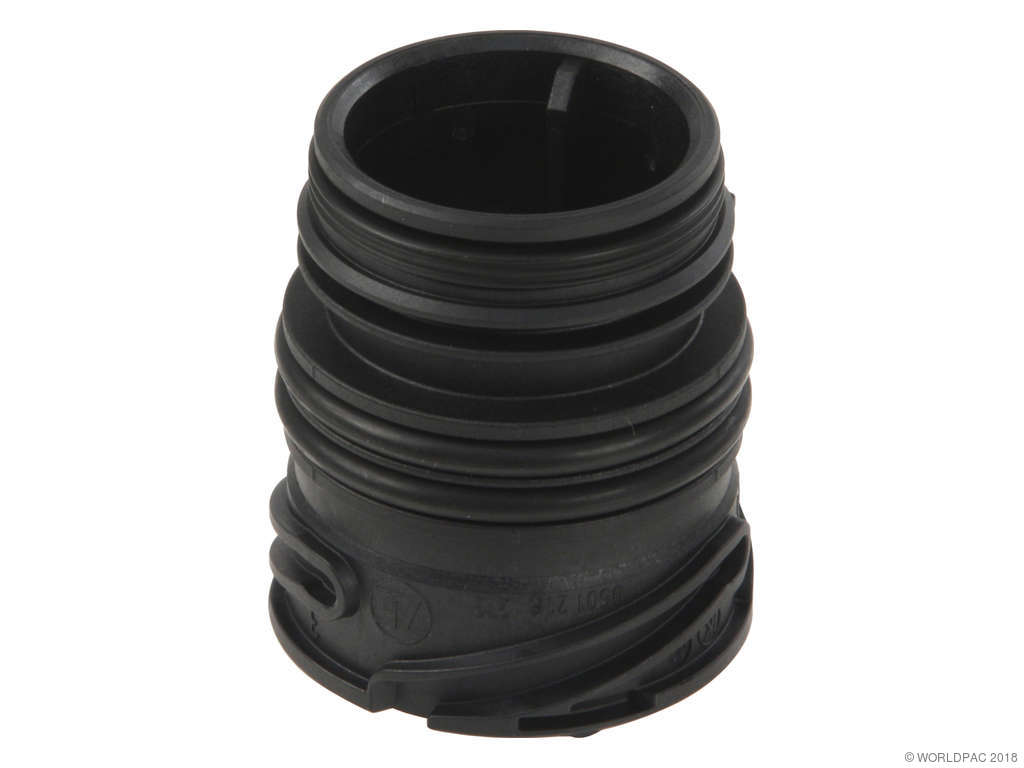
Est. part cost: $400-$1600 - Low or Degraded Transmission Fluid / Leaking Seals 🟡 Medium Probability → Shop Transmission Assembly The ZF 6HP transmission is sensitive to fluid level and condition. A common leak point is the Mechatronic connector sleeve (Part # TZV500010), which has a seal that hardens and leaks over time, causing fluid loss and erratic shifting. This sleeve should be replaced during any transmission service.
How to confirm: Check the transmission fluid level and condition according to the manufacturer's procedure (this requires the vehicle to be at a specific temperature). Fluid that is dark, burnt, or has a foul smell is degraded. Inspect the area around the transmission electrical connector for signs of fluid leakage.
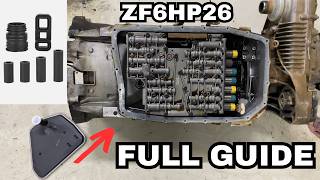
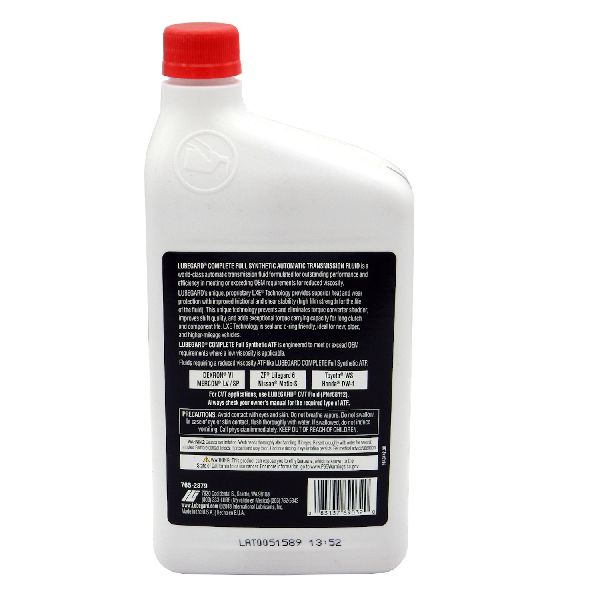
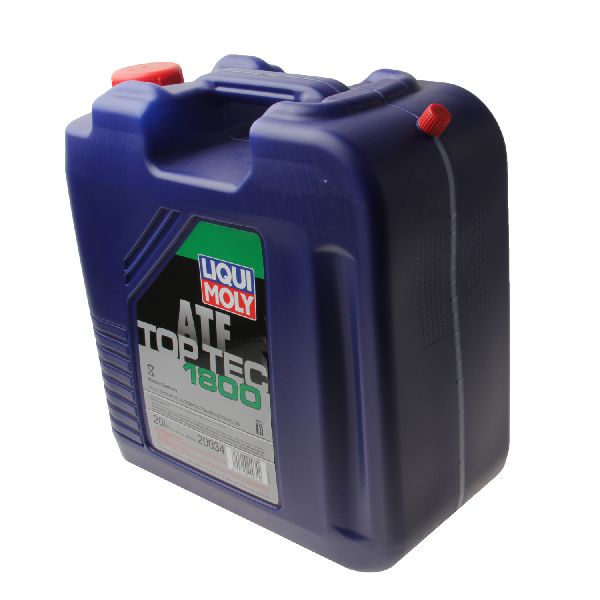
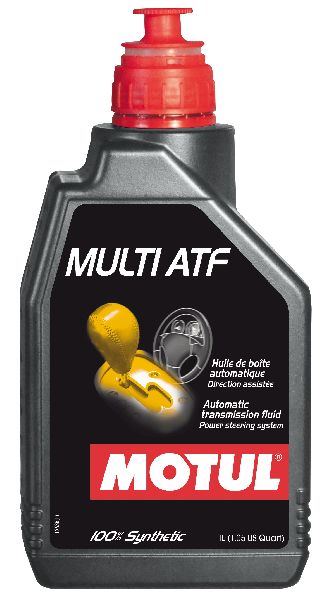
Typical fix: Perform a complete transmission fluid and filter change using only the specified fluid (ZF Lifeguard 6). 🎬 Watch: Step-by-step DIY guide for a full transmission service. If leaking, replace the Mechatronic connector sleeve and potentially the bridge seal.
Est. part cost: $150-$400
Rare But Worth Checking
- Failing Torque Converter: → Shop Automatic Transmission Torque Converter A failing torque converter clutch (TCC) can cause slips that the TCM might interpret as a gear ratio error, especially in higher gears under light load. Debris from a failing torque converter can also clog the oil cooler and valve body, leading to overheating and pressure issues.
- Transmission Control Module (TCM) Software or Hardware Failure: → Shop Transmission Assembly While less common than mechanical failure, a software issue or internal TCM fault can incorrectly report gear ratio problems. In some cases, the TCM, which is located behind the battery, can suffer from water intrusion and corrosion, leading to a host of transmission faults.
Diagnosis Steps
- Check the transmission fluid level and condition. This is the first and most crucial step. Ensure the fluid is at the correct level and is not burnt or full of debris.
- Scan the TCM for all stored trouble codes. Note if P0729 appears with other gear ratio codes.
- Inspect for external leaks, paying close attention to the transmission pan gasket and the electrical connector sleeve (Mechatronic sleeve).
- Using an advanced scan tool, monitor live data for transmission input speed, output speed, commanded gear, and especially clutch adaptation pressure values. 🎬 Watch: Using diagnostics to identify specific gearbox faults. High adaptation values across multiple clutches indicate a systemic pressure loss.
- If the fluid is low, top it off, clear the codes, and test drive. If the fluid is old or dirty, perform a full fluid and filter service, including replacing the Mechatronic connector sleeve.
- If the problem persists, the next step is typically to drop the transmission pan to inspect for debris (indicating internal wear) and access the Mechatronic unit (valve body) for inspection of its seals and solenoids.
- Based on the findings and the high probability of internal wear (stator bushing) or valve body failure, prepare for a likely transmission rebuild or replacement.
Parts You'll Likely Need
- Transmission Rebuild Kit or Remanufactured Transmission
(OEM #1068298051 (ZF Overhaul Seal Kit))— This is the most comprehensive fix for the known internal wear issues (stator bushing, clutches) cited in TSB LTB00514NAS1. A full rebuild kit contains all necessary seals and gaskets.
Trusted brands: ZF (OEM), Raybestos, Transtec
OEM price range: $3500-$6000 (Reman Unit)
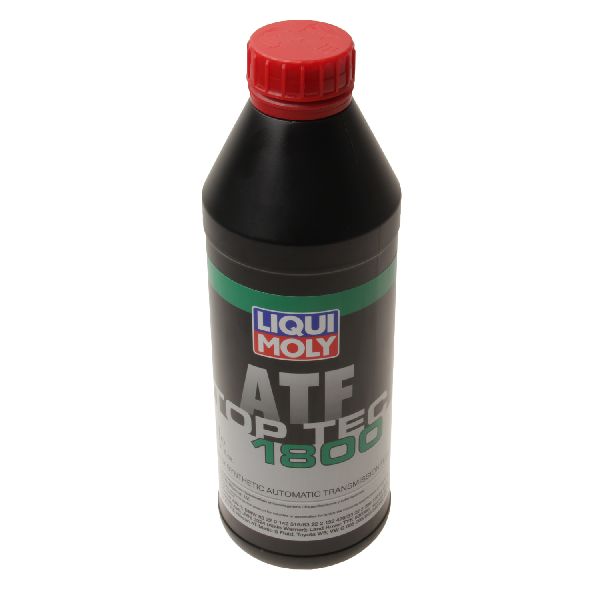
Aftermarket price range: $2500-$4500 (Reman Unit), $270-$500 (Rebuild Kit) - Automatic Transmission Fluid and Filter Kit — This is the first step in diagnosis and is required for any internal repair. Using the correct fluid (ZF Lifeguard 6) is critical. Kits often include a new pan with an integrated filter.
Trusted brands: ZF, Vaico, CRP Rein
OEM price range: $250-$400
Aftermarket price range: $150-$250 - Mechatronic Solenoid Kit
(OEM #1068 298 043 (ZF Solenoid Kit))— If the issue is isolated to a hydraulic leak or failed solenoid, replacing the set of solenoids can resolve shifting issues without a full rebuild. This is a common failure point.
Trusted brands: ZF (OEM), Bosch
OEM price range: $500-$800
Aftermarket price range: $300-$600 - Mechatronic Connector Sleeve
(OEM #TZV500010)— This is a very common leak point on the ZF 6HP26. The O-rings become brittle, causing fluid loss that leads to shifting problems. It is inexpensive and should be replaced whenever the transmission pan is removed.
Trusted brands: Land Rover (OEM), ZF
OEM price range: $25-$40
Aftermarket price range: $15-$25
Related Codes That Often Appear With This One
- P0730 — P0730 is a general 'Incorrect Gear Ratio' code that often appears with specific gear ratio codes like P0729.
- P0731-P0735 — These codes correspond to incorrect ratios in gears 1 through 5. Seeing multiple gear ratio codes alongside P0729 strongly suggests a widespread internal mechanical failure (like the stator bushing) or a major hydraulic pressure issue originating from the valve body.
Technical Service Bulletins (TSBs) & Recalls
- LTB00514NAS1: Addresses the transmission MIL being illuminated with DTCs P0729 to P0735, P0783, and P2702 to P2704, citing the cause as potential wear of the stator lead-free bushing.
Platform-Specific Known Issues
- A Land Rover Technical Service Bulletin (LTB00514NAS1) explicitly states that P0729 (and other gear ratio codes) can be caused by wear of the internal stator lead-free bushing, requiring transmission repair.
- The Transfer Case Control Module (TCCM), located behind the battery, is susceptible to water intrusion, which can cause a variety of transmission-related fault codes and symptoms that may confuse diagnosis.
Mechanic-Grade Diagnostic Values
- Shift Solenoid (EDS) Resistance — expected: 5-6 Ohms at 68°F (20°C). Failure: A reading significantly outside this range indicates a faulty solenoid coil.
- Shift Solenoid (EDS) Vacuum Test — expected: Holds over 21 in-Hg. Failure: Any reading below 20 in-Hg indicates a compromised internal solenoid seal, requiring replacement.
- Live Data Scan of Clutch Adaptation Pressures — expected: Values should be low and relatively consistent across all clutches on a healthy transmission.. Failure: High adaptation pressure values on one or more clutches (e.g., double the normal limit) indicate the TCM is compensating for significant internal pressure loss due to worn clutches or leaking seals.
Scan Tool Commands That Help
- Land Rover SDD, GAP IID, iCarsoft LR series, or equivalent professional scanner: Transmission Adaptation Reset / Clear Adaptations — This is a mandatory step after replacing transmission fluid, solenoids, the Mechatronic unit, or the entire transmission. It clears the TCM's learned clutch-wear values and forces it to perform a re-learning process. Failure to do this can result in harsh or erratic shifting even with new parts.
Wiring & Ground Locations
- Transfer Case Control Module (TCCM) — In the engine bay, behind the main battery under a plastic cover.. This module's location makes it highly susceptible to water intrusion from a leaking windshield cowl or clogged drains. Corrosion on the TCCM board or connectors can cause a cascade of communication errors on the CAN bus, leading to numerous, often misleading, transmission faults and limp-home mode. While not a direct cause of a gear ratio slip, its failure can mimic a severe transmission problem and should be inspected if multiple, seemingly unrelated transmission errors are present.
OEM Part Supersession History
5WK75020AA (Continental)→0260550041 (Bosch - for 6HP28)— The Continental-made Transmission Control Module (TCM) used in 2010-2012 models is known for a high failure rate.
Heads up: The more reliable Bosch TCM can be used as a replacement, but it is not plug-and-play. The replacement module must be 'virginized' and then programmed to the vehicle's VIN and specific calibration using dealer-level diagnostic tools.
Model Year Variations Within This Range
- c. 2010-2011: For the 2010 model year, Land Rover began phasing in the updated ZF 6HP28 transmission, primarily with the new 5.0L V8 and 3.0L diesel engines, replacing the 6HP26 used in earlier models. While both can log P0729, parts like the TCM may differ. These later models are also the ones that may be equipped with the failure-prone Continental TCM.
Helpful Videos

We Have This Part in Stock

The information in this article is provided for general reference and educational purposes only. Vehicle specifications, procedures, and part compatibility can vary by production date, trim level, and region. Always consult your vehicle's factory service manual and verify part numbers before purchasing or performing repairs. Safety-critical components such as airbags, seat belts, and braking systems should be installed by a qualified professional.
- Land Rover RANGE ROVER:
- 🧭 Diagnostic Flowchart
- 🎬 Helpful Videos
- 🛍️ Shop This Part
- What's Unique About the 2008-2011 Land Rover RANGE ROVER
- Symptoms You May Notice
- Most Likely Causes
- Rare But Worth Checking
- Diagnosis Steps
- Parts You'll Likely Need
- Related Codes That Often Appear With This One
- Technical Service Bulletins (TSBs) & Recalls
- Platform-Specific Known Issues
- Mechanic-Grade Diagnostic Values
- Scan Tool Commands That Help
- Wiring & Ground Locations
- OEM Part Supersession History
- Model Year Variations Within This Range
- 🎟️ Get 5% Off