

P0730 on 2009-2017 Audi Q5: Incorrect Gear Ratio Causes and Fixes
P0730 on a 2009-2017 Audi Q5 means the transmission is slipping, which the computer detects as a mismatch between engine speed and vehicle speed. The most common causes are low/degraded transmission fluid or a failing mechatronic unit, particularly in the 7-speed S-Tronic (DL501) models. Checking the fluid is the first step, but repairs often require a specialist, can be costly, and may involve replacing the mechatronic unit or its internal components.
- P0730 indicates a serious transmission slip that should be addressed immediately to prevent catastrophic damage.
- The first and most critical diagnostic step is to have the transmission fluid level and condition checked by a professional using the correct procedure.
- Do not continue to drive the vehicle, as you risk getting stranded or causing thousands of dollars in additional damage.
- Common fixes range from a fluid service to a much more expensive mechatronic unit replacement, depending on the diagnosis.
- This is not a DIY-friendly repair due to the need for specialized tools and procedures for both diagnosis and repair.
What's Unique About the 2009-2017 Audi Q5
The first-generation Audi Q5 (Type 8R) primarily used two different transmissions: the ZF 8-speed automatic (ZF 8HP55) for most engines and the 7-speed S-Tronic dual-clutch (DL501) for others, especially earlier 2.0T and V6 models. While low fluid is a universal cause, the S-Tronic DL501 transmissions are notoriously prone to mechatronic unit failures that trigger this code. These failures often stem from a faulty circuit board or solenoids within the unit. The ZF 8-speed automatics are generally more robust but can also suffer from mechatronic issues, particularly with solenoids, after high mileage. Diagnosis must begin by identifying the specific transmission, as the common failure points and repair procedures differ significantly.
Symptoms You May Notice
- Check Engine Light and/or flashing PRNDS indicator are on.
- Harsh, jerky, or clunking shifts, especially when coming to a stop (e.g., 2-1 downshift).
- Transmission slipping (engine RPMs flare up between shifts without a corresponding increase in vehicle speed).
- Vehicle enters 'limp mode' or 'safe mode,' often stuck in a single gear.
- "Transmission Malfunction: you can continue to drive" message on the dashboard.
- Noticeable decrease in fuel economy.
- Delayed acceleration, hesitation, or shuddering when pulling away from a stop.
- Inability to select reverse or drive.
- Engine stalls when coming to a stop.
- Replacing the entire transmission when only a mechatronic repair kit was needed. This is a very common and expensive misstep, especially on the DL501.
- Replacing the TCM when the issue is a simple wiring problem, low fluid level, or a faulty sensor within the mechatronic harness.
- Ignoring related codes. P0730 is often a symptom. Other codes for specific solenoids, sensors, or gear ranges are the key to an accurate diagnosis. 🎬 Watch this video to understand P0730 causes and fixes.
Most Likely Causes
- Low or Contaminated Transmission Fluid 🔴 High Probability → Shop Transmission Assembly Audi transmissions do not have a simple dipstick, making fluid level checks non-trivial for DIYers. Leaks from the pan gasket, electrical connector sleeve, or cooler lines can develop. The 'lifetime' fluid degrades over time, losing its hydraulic properties and causing slippage.
How to confirm: The fluid level must be checked with the vehicle level, engine running, and the transmission fluid at a specific temperature (typically 35-45°C), monitored via a scan tool like VCDS. The condition of the drained fluid (dark/black color, burnt smell, metallic particles) indicates its health and potential for internal wear.
Typical fix: Perform a transmission fluid and filter service. Use only the OEM-specified fluid. A simple drain and fill may not be enough; a more thorough service is better.
Est. part cost: $200-$400 - Failing Mechatronic Unit / Valve Body 🔴 High Probability → Shop Transmission Valve Body The mechatronic unit is the electro-hydraulic control center and a very common failure point on the 7-speed S-Tronic (DL501). The internal circuit board can fail, or solenoids can wear out, causing hydraulic pressure loss, erratic shifting, and triggering P0730. This can happen even on low-mileage vehicles.
How to confirm: Requires advanced diagnostics with a tool like VCDS to read fault codes from the TCM (Module 02) and monitor measuring blocks for solenoid operation, clutch pressures, and sensor data. Specific codes like P17D8, P0726, or P174B often point directly to mechatronic failure.
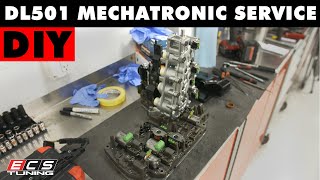
Typical fix: For the DL501, a common fix is to replace the internal circuit boards and solenoids using a repair kit (e.g., OEM part # 0B5398009F). 🎬 Watch how to rebuild the DL501 mechatronic unit. In some cases, the entire mechatronic unit must be replaced and programmed to the vehicle. For the ZF8, individual solenoids can sometimes be replaced.
Est. part cost: $600-$2800 - Faulty Transmission Speed Sensors ⚪ Low Probability → Shop Transmission Assembly The input or output speed sensors provide the core data for the TCM to calculate gear ratios. While less common than other issues, sensor failure will directly cause a P0730 code.
How to confirm: Use a diagnostic scan tool to graph the live data from the input and output speed sensors while driving. Any dropouts, erratic signals, or a complete lack of reading from one sensor indicates a failure. Often, a speed sensor fault code (like P0721) will be present alongside P0730.
Typical fix: On the DL501, the speed sensor is part of the mechatronic unit's wiring harness and is included in the common repair kits. On the ZF8, sensors may be replaceable separately, but often require valve body removal for access.
Est. part cost: $150-$600 (often part of a larger kit)
Rare But Worth Checking
- Internal Mechanical Failure (Clutch Packs, Torque Converter): If the transmission fluid is full of metallic debris or friction material, it points to worn clutches or a failing torque converter. This is the most severe scenario, often requiring a complete transmission rebuild or replacement.
- Clogged Transmission Filter: → Shop Transmission Assembly A severely clogged filter can starve the transmission of fluid, causing pressure drops and slipping. An Audi TPI (Technical Problem Information) bulletin has noted this can cause P0730. This is usually a consequence of missed fluid services or internal component wear shedding debris.
Diagnosis Steps
- Scan the Transmission Control Module (TCM - Address 02 in VCDS) for P0730 and any other related codes. Save the full scan log.
- Perform a thorough check of the transmission fluid level and condition. This MUST be done with the vehicle level, engine running, and fluid at the correct temperature (35-45°C), monitored by a scan tool.
- If the fluid is low, top it off, clear codes, and re-test. Look for the source of the leak (pan gasket, connector sleeve, cooler lines). A user on AudiWorld forums experienced P0730 after a massive fluid loss from a loose cooler line.
- If the fluid is dark, burnt, or contains debris, a fluid and filter change is the minimum next step, but internal damage is highly likely.
- If the fluid level and condition are good, use an advanced scan tool (VCDS) to monitor live data. Graph the input (G182) and output (G195) speed sensor readings to look for dropouts.
- Monitor TCM measuring blocks for clutch pressure, solenoid duty cycles, and clutch adaptation values. Deviations can point to specific solenoid or clutch pack issues.
- Inspect the transmission's main electrical connector for corrosion, damage, or fluid intrusion (a common leak point).
- If sensors and wiring are good, the problem is almost certainly within the mechatronic unit (valve body/solenoids/circuit board) or a major mechanical failure. This level of diagnosis requires a transmission specialist.
Parts You'll Likely Need
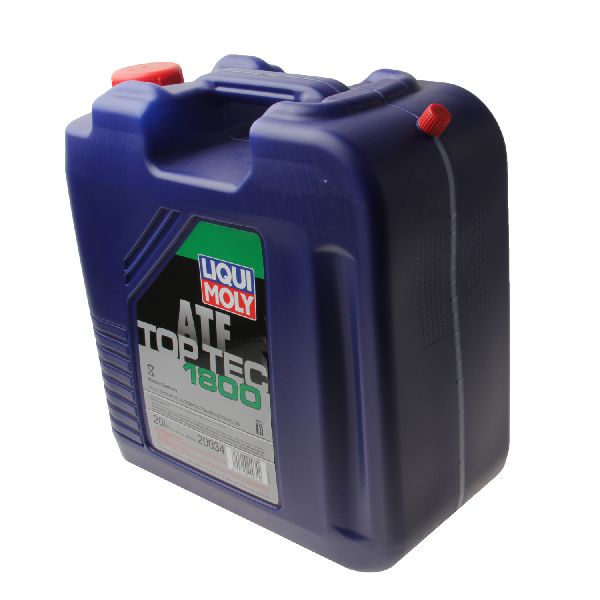
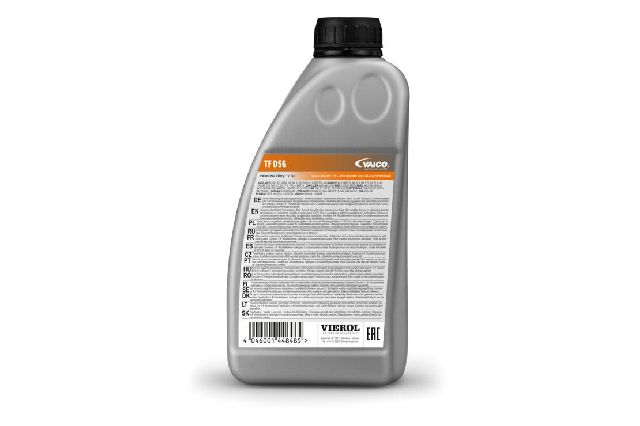
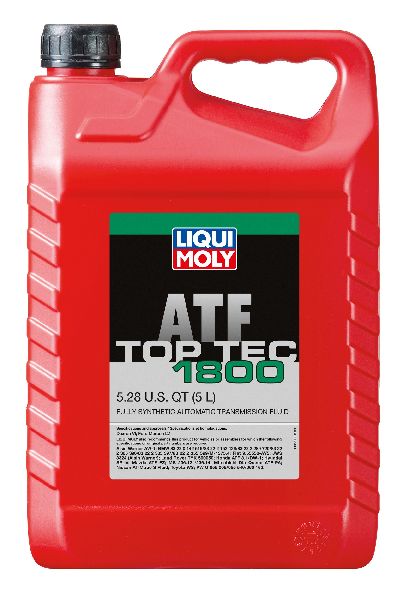
- Transmission Fluid and Filter Kit
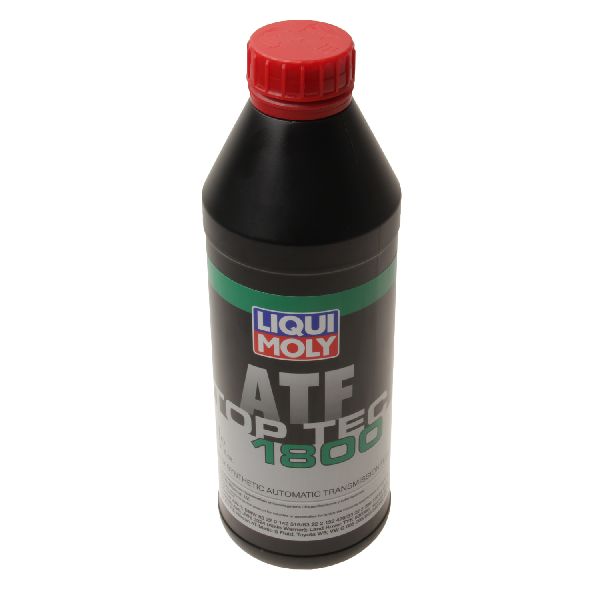
(OEM #For ZF 8-Speed: G060162A2 (Fluid). For S-Tronic DL501: G052529A2 (Fluid).)— Low or degraded fluid is the most common and simplest cause of slipping that triggers P0730. A service is the first logical step in repair.
Trusted brands: ZF (for 8-speed auto), Audi Genuine, Liqui Moly, Blauparts, FCP Euro, ECS Tuning
OEM price range: $250-$450
Aftermarket price range: $150-$300 - Mechatronic Repair Kit (for S-Tronic DL501)
(OEM #0B5398009F (supersedes 0B5398009A/B/C/D/E))— This is the most common major failure on the 7-speed S-Tronic. This kit includes the circuit boards, solenoids, and wiring harness needed to fix the typical electronic failures within the unit.
Trusted brands: Audi Genuine
OEM price range: $700-$1200
Aftermarket price range: $300-$600 (for individual components or non-OEM kits)
Related Codes That Often Appear With This One
- P0729 - P0736 — These codes indicate an incorrect gear ratio in a specific gear (e.g., P0731 for 1st gear). They often accompany the general P0730 code and help pinpoint when the slip is occurring.
- P0721 — This code for 'Output Speed Sensor Circuit Range/Performance' can be a root cause for P0730, as a faulty sensor prevents the TCM from correctly calculating the gear ratio.
- P17D8 — This code, 'Torque limitation because of clutch temperature', on DL501 transmissions is a strong indicator of a failing mechatronic unit circuit board.
Technical Service Bulletins (TSBs) & Recalls
- Audi TPI 2020766: Notes that P0730 can appear with clutch timing codes as a result of a clogged ATF filter.
- Audi TSB 10054213-2278: While not for P0730 specifically, this TSB addresses gearbox malfunction codes on the DL501 caused by a failing circuit board and provides a repair kit solution, which is often the fix for P0730 as well.
Platform-Specific Known Issues
- A recall (37K6) was issued for a small number of 2017 Audi Q5 vehicle
Mechanic-Grade Diagnostic Values
- DL501 Clutch Pressure Solenoids (N435, N439) Resistance - Gen 1 Valve Body — expected: 16.0 Ω (± 0.1 Ω) at 25°C; 18.6 Ω (± 0.1 Ω) at 70°C. Failure: Readings significantly outside this range indicate a failing solenoid coil.
- DL501 Clutch Pressure Solenoids (N435, N439) Resistance - Gen 2 Valve Body — expected: 14.2 Ω (± 0.1 Ω) at 25°C; 16.0 Ω (± 0.1 Ω) at 70°C. Failure: Readings significantly outside this range indicate a failing solenoid coil.
- DL501 VFS Solenoids (N436, N440) Resistance — expected: 4.8 Ω (± 0.1 Ω) at 25°C; 5.4 Ω (± 0.1 Ω) at 70°C. Failure: Readings significantly outside this range indicate a failing solenoid coil.
- DL501 VBS Solenoids (N471, N472) Resistance — expected: 4.2 Ω (± 0.1 Ω) at 25°C; 4.8 Ω (± 0.1 Ω) at 70°C. Failure: Readings significantly outside this range indicate a failing solenoid coil.
- DL501 Gear Actuator Solenoids (N433, N434, N437, N438) Resistance — expected: 4.8 Ω (± 0.1 Ω) at 25°C; 5.2 Ω (± 0.1 Ω) at 70°C. Failure: Readings significantly outside this range indicate a failing solenoid coil.
Scan Tool Commands That Help
- VCDS (VAG-COM): DL501 (0B5) Basic Settings / Adaptation — This procedure is mandatory after replacing the mechatronic unit, repair kit, or clutches to allow the TCM to relearn clutch engagement points and valve calibrations. It involves several steps performed in a specific sequence with the engine off and on.
- VCDS (VAG-COM): Basic Settings - 'Erase counter for start and stop processes' — This is the first step in the adaptation process, performed with the key on, engine off. It resets the learning counters in the TCM.
- VCDS (VAG-COM): Basic Settings - 'Clutch valve calibration' — Performed with the engine running, this step calibrates the hydraulic clutch valves.
- VCDS (VAG-COM): Basic Settings - 'Distance sensor calibration' — Performed with the engine running, this calibrates the sensors that track the position of the gear shift forks. You will hear the transmission making noises during this process.
- VCDS (VAG-COM): Basic Settings - 'Clutch engagement point adaptation' — After the static calibrations, this function initiates the dynamic learning process. The final adaptation occurs during a test drive of 1-2 hours, covering both normal and sport modes to adapt both clutches.
Wiring & Ground Locations
- J217 / J743 — The Transmission Control Module (TCM) is integrated into the Mechatronic unit, which is located inside the transmission housing, bolted to the bottom and covered by the transmission oil pan.. This internal location means any work on the TCM requires draining the fluid and opening the transmission. It also exposes the electronics to heat and fluid, which is a primary cause of failure.
- Ground Point - Left A-Pillar — Behind the A-pillar trim on the left side, at the bottom.. A poor ground connection here can cause a host of seemingly unrelated electronic issues, potentially affecting communication with the TCM or other modules involved in transmission control.
- Ground Point - Engine Compartment, Left — In the engine compartment, between the shock absorber strut and the water drainage box on the front left.. This is a primary grounding point for engine and transmission-related components. Corrosion or looseness can lead to intermittent sensor readings or control module faults.
- Ground Point - Plenum Chamber — Located in the plenum chamber (the area at the base of the windshield where the wiper motor resides).. This area can be prone to water intrusion if the drains are clogged, leading to corrosion of critical ground points that can affect the TCM and other interior electronics.
Real Owner Repair Stories
- AudiWorld Forums user (Audi Q5 (year not specified, but within 2009-2017 range)) — Smell of burning oil, massive transmission fluid leak from the front of the car, transmission went into limp mode.
✅ What actually fixed it The mechanic found a transmission cooler line screw was loose, causing the fluid to leak out. The fix was to tighten the screw and perform a complete, proper transmission fluid refill procedure, which is complex and requires a pump and temperature monitoring. The P0730 code was a direct result of the massive fluid loss. - Reddit user in r/Audi (Audi Q5 (year not specified)) — Jerking in reverse, leading to a dealer diagnosis.
❌ Tried (didn't work) The user was quoted $32,000 for a full transmission replacement by the dealership. The dealer also quoted $9,200 for a mechatronic unit replacement, but claimed it was 'risky' and usually led to a full replacement anyway.
✅ What actually fixed it The user rejected the dealership's extreme quote and took the vehicle to a reputable independent German auto shop for a second opinion and proper diagnosis. This story highlights the critical importance of getting a second opinion from a specialist, as the initial diagnosis may be overly aggressive or incorrect.
OEM Part Supersession History
0B5398009A, 0B5398009B, 0B5398009C, 0B5398009D, 0B5398009E→0B5398009F— Progressive updates to the mechatronic repair kit to improve reliability and address common failure points of the internal circuit boards and sensors.
Heads up: Using an older revision part is not recommended as it may contain the original design flaws. 0B5398009F is the latest, most robust version.
Model Year Variations Within This Range
- 2009-2012 (Pre-Facelift): Offered the 3.2L V6 engine, which was discontinued after 2012. Used a hydraulic power steering system. Some early models may have used a 6-speed Tiptronic, but the 7-speed S-Tronic (DL501) and 8-speed ZF were more common.
- 2013-2017 (Post-Facelift): Introduced the 3.0L Supercharged V6 to replace the 3.2L V6. Switched to a more efficient electromechanical power steering system. The 8-speed ZF automatic became more common, especially in the North American market. The MMI infotainment system was also updated.
- All (DL501 S-Tronic): A subtle but critical change occurred in the mechatronic unit's fluid pipes. A technician noted that older gearboxes used metal pipes, while newer ones used plastic. During a repair, it is recommended to replace the old pipes (whether metal or plastic) with new plastic ones, as the old ones can become brittle and break upon removal.
Diagnostic Flowchart
Other Known Issues on This Vehicle
Issues unrelated to this code that are worth knowing about as an owner of this generation:
- 2.0T TFSI Engine Excessive Oil Consumption 🔴 High — Very common on 2009-2017 2.0T engines. Can start as early as 50k miles. Often requires 1 quart of oil every 1,000 miles or less. (Ref: Subject of multiple class-action lawsuits which resulted in settlement programs for piston/ring replacement.)
- Timing Chain Tensioner Failure 🔴 High — Common on both 2.0T and 3.0T engines, particularly pre-2014 models. A rattle on cold start is the primary symptom. Failure can lead to catastrophic engine damage. (Ref: Audi issued TSBs recommending replacement with an updated tensioner design. Also the subject of class-action lawsuits.)
- 3.0T Supercharged Water Pump & Thermostat Failure 🟠 Medium — Common failure item on 3.0T supercharged engines, often occurring between 60k-100k miles. Can cause coolant leaks and overheating. (Ref: Subject of a class-action lawsuit alleging a design defect causing premature failure.)
- Carbon Buildup on Intake Valves 🟠 Medium — Inevitable on all direct-injection engines (2.0T, 3.2L V6, 3.0T). Typically requires cleaning every 60k-80k miles to resolve misfires, rough idle, and performance loss.
- Leaking Panoramic Sunroof Drains 🔴 High — Common issue where clogged sunroof drains cause water to leak into the cabin, often damaging sensitive electronics like the convenience control module located in the trunk. (Ref: A recall was issued because water could damage the side airbag inflator canister, causing it to rupture.)
Used vs. New Parts: Buying Guide for This Vehicle
When a used part is the smart pick: For a complete transmission assembly, a used part from a low-mileage, verified donor vehicle *can* be a cost-effective alternative to a dealership replacement, but it carries significant risk. It should only be considered if the failure is confirmed to be a major internal mechanical issue (e.g., destroyed gearset) and not a mechatronic problem that the used unit might also have.
Donor-vehicle mileage cap: roughly under 70000 miles for the part to have meaningful remaining life.
What to inspect on the donor part:
- Obtain the VIN of the donor car to verify its service history, if possible.
- Look for evidence of a recent fluid and filter service.
- Inspect the fluid from the donor transmission; if it's dark, burnt, or has metallic particles, avoid it.
- Ensure there is no physical damage to the case, connectors, or cooler lines.
OEM-only on this vehicle (don't cheap out):
- Mechatronic Repair Kit (0B5398009F): This is the most critical part. Given the history of failures and subsequent revisions, using a new, genuine Audi part is strongly recommended to ensure you get the latest, most reliable version.
- Transmission Fluid: Use only the OEM-specified fluid (e.g., G052529A2 for S-Tronic, G060162A2 for ZF 8-Speed). Incorrect fluid can cause shifting problems and damage.
- Internal Seals and Gaskets: Always use new, high-quality seals during any transmission repair to prevent leaks.
Aftermarket brands forum-validated for this vehicle:
- ZF: As the OEM for the 8-speed transmission, their branded service kits and solenoids are a reliable alternative to dealer parts.
- BorgWarner: An OEM supplier for many of the solenoids used within the DL501 mechatronic unit.
Brands owners have reported issues with on this vehicle:
- Unnamed/generic Mechatronic Repair Kits: Many cheaper kits are available from online marketplaces, but their quality and reliability are unverified. Given the complexity of the job, the risk of using a low-quality part that fails prematurely is not worth the initial savings.
Real Owner Stories
Aggregated from forums and TSBs cited above. Mileages and costs reflect what owners reported in those sources.
2017 Audi Q5 — 200 miles
Symptoms: The vehicle was brand new and required a mechatronic unit replacement almost immediately.
What fixed it: Replacement of the mechatronic unit.
Source hint: AudiWorld Forums: 'Brand New 2017 Q5 - mechatronic replacement needed'
Audi A8 (D3 Platform)
Symptoms: P0730 incorrect gear ratio code triggered after a massive transmission fluid leak.
What fixed it: A detailed DIY fluid fill procedure using VCDS to monitor temperature and ensuring the fluid was topped off correctly.
Source hint: AudiWorld Forums: 'P0730 incorrect gear ration'
Audi A6
Symptoms: The owner described having no forward gears but the reverse gear was still working.
What fixed it: The condition was diagnosed as severe fluid loss or internal failure, with a transmission replacement being the likely outcome.
Source hint: AudiForums.com: 'P0730 Incorrect gear ratio- Help'
Related OBD-II Codes
Frequently Asked Questions
My 2017 Audi Q5 is showing a 'Transmission Malfunction' message; is there a recall for this?
Can I check the transmission fluid level myself on my Q5 to see if it's causing the P0730 code?
What is the recommended repair kit for a DL501 mechatronic failure on a B8 platform Q5?
Does the P0730 code on an Audi Q5 always mean I need a new transmission?
Are there specific diagnostic codes I should look for alongside P0730 that point to the mechatronic unit?
Could a clogged filter be the reason my Audi is throwing P0730?
Helpful Videos


We Have This Part in Stock

The information in this article is provided for general reference and educational purposes only. Vehicle specifications, procedures, and part compatibility can vary by production date, trim level, and region. Always consult your vehicle's factory service manual and verify part numbers before purchasing or performing repairs. Safety-critical components such as airbags, seat belts, and braking systems should be installed by a qualified professional.
- Audi Q5:
- 🧭 Diagnostic Flowchart
- 🎬 Helpful Videos
- 🛍️ Shop This Part
- What's Unique About the 2009-2017 Audi Q5
- Symptoms You May Notice
- Most Likely Causes
- Rare But Worth Checking
- Diagnosis Steps
- Parts You'll Likely Need
- Related Codes That Often Appear With This One
- Technical Service Bulletins (TSBs) & Recalls
- Platform-Specific Known Issues
- Mechanic-Grade Diagnostic Values
- Scan Tool Commands That Help
- Wiring & Ground Locations
- Real Owner Repair Stories
- OEM Part Supersession History
- Model Year Variations Within This Range
- Other Known Issues on This Vehicle
- Used vs. New Parts: Buying Guide for This Vehicle
- Real Owner Stories
- 2017 Audi Q5 — 200 miles
- Audi A8 (D3 Platform)
- Audi A6
- Related OBD-II Codes
- Frequently Asked Questions
- 🎟️ Get 5% Off