

P0730 on 2005-2013 BMW 3 Series: Incorrect Gear Ratio Causes and Fixes
On a 2005-2013 BMW 3 Series, code P0730 (Incorrect Gear Ratio) is most often caused by low or degraded transmission fluid, often due to leaks from the mechatronic sleeve or pan gasket. A fluid and filter service is the first and most crucial step before suspecting more expensive internal transmission failures like worn solenoids or valve body issues.
- P0730 means the transmission is slipping.
- The most common cause on a 2005-2013 BMW 3 Series is low or old transmission fluid.
- Always start diagnosis with a fluid level and condition check. A fluid and filter service is the most likely fix.
- Do not ignore this code, as continued driving can lead to catastrophic transmission failure.
- Due to the complexity, professional diagnosis is strongly recommended if a fluid service does not resolve the issue.
What's Unique About the 2005-2013 BMW 3 Series
The 2005-2013 BMW 3 Series (primarily the E90, E91, E92, and E93 generations) used highly reliable ZF 6-speed automatic transmissions (like the 6HP19). While robust, these units are sensitive to fluid condition and pressure. BMW's 'lifetime fill' recommendation for transmission fluid is a major point of contention; many specialists and owners find that the fluid degrades over time, leading to shifting problems like P0730 long before any mechanical failure occurs. Furthermore, common and well-documented leak points like the mechatronic sealing sleeve cause fluid loss, which directly leads to the hydraulic pressure issues that trigger this code. Therefore, fluid and filter service, along with sealing sleeve replacement, is a more common and critical first step on this platform compared to others where the code might immediately suggest a rebuild.
Generation note: This guide covers the E90 (sedan), E91 (wagon), E92 (coupe), and E93 (convertible) generations of the BMW 3 Series, produced from 2005 to 2013. The causes and fixes for P0730 are generally consistent across the various engines (N52, N54, N55, etc.) and the ZF 6HP19 automatic transmissions used in this generation.
Symptoms You May Notice
- Check Engine Light or Transmission Warning Light is on
- Transmission goes into 'limp mode' (stuck in one gear, usually 3rd)
- Harsh, jerky, or delayed shifting, especially when cold.
- Transmission slipping (engine RPMs rise but speed does not increase).
- Shift flaring (RPMs jump up between shifts, especially 1-2 and 2-3).
- Reduced fuel efficiency
- Vehicle stalls after driving at high speeds
- Loud whistling noise from the transmission area.
- Immediately replacing the entire transmission without first performing a fluid and filter service and replacing common leak-prone parts like the mechatronic sleeve and bridge seal.
- Replacing the torque converter when the issue is actually related to fluid pressure or solenoids. Torque converter issues usually present with different symptoms, like shuddering.
- Only changing the fluid without replacing the filter (pan) and inspecting for leaks. The clogged filter and low fluid level are often the root cause.
Most Likely Causes
- Low or Degraded Transmission Fluid 🔴 High Probability → Shop Transmission Assembly Despite BMW's 'lifetime fill' marketing, the ZF transmission fluid breaks down with heat and mileage, losing its hydraulic properties. Leaks from the mechatronic sleeve, oil pan gasket, or cooler lines are also extremely common, leading to a low fluid level which is the number one cause of slipping and this code.
How to confirm: Check the transmission fluid level and condition. This must be done with the vehicle level and at a specific temperature (usually 30-50°C), with the engine running. The fluid should be clear and not have a burnt smell. Dark, burnt, or low fluid is a clear indicator. This procedure is complex without a lift and scan tool to monitor temperature.
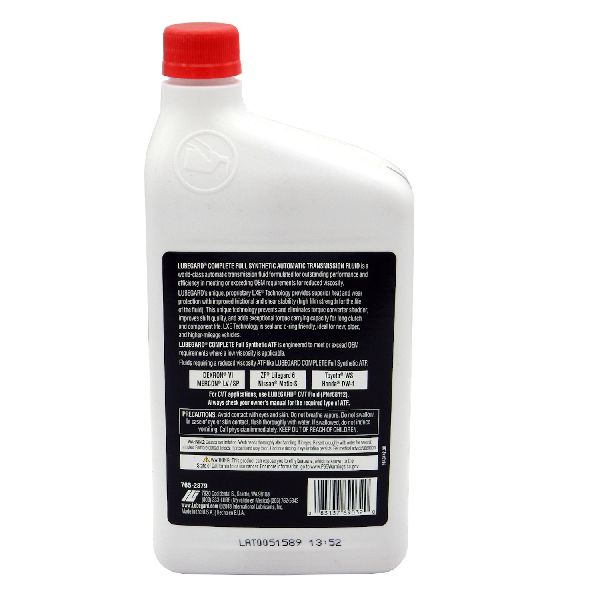
Typical fix: Perform a transmission fluid and filter service. This involves draining the old fluid, replacing the transmission oil pan (which has an integrated filter), and refilling with the correct specification fluid (e.g., ZF Lifeguard 6 or equivalent). If a leak is present, it must be fixed.
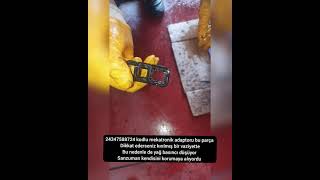
Est. part cost: $150-$300 - Faulty Mechatronic Sealing Sleeve 🔴 High Probability → Shop Transmission Assembly The O-rings on the plastic sealing sleeve that connects the wiring harness to the transmission's mechatronic unit are known to harden and crack from heat cycles, causing significant fluid loss and potential connection issues. This is one of the most common failure points on the ZF 6HP transmission.
How to confirm: Visually inspect the area where the wiring harness enters the transmission case on the passenger side. Any sign of reddish-brown fluid leakage points to a failed sleeve. Often the leak is slow and coats the underside of the transmission over time.
Typical fix: Replace the mechatronic sealing sleeve. This is often done during a fluid and filter service as the pan must be removed to access it. The part is inexpensive, but the labor is the main cost.
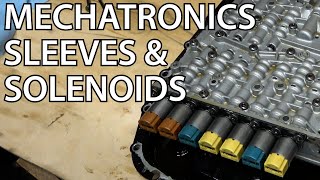
Est. part cost: $15-$30 - Faulty Shift Solenoids 🟡 Medium Probability → Shop Transmission Valve Body Solenoids within the mechatronic (valve body) unit can fail electrically or become clogged with debris from old fluid, preventing proper gear changes and causing pressure losses. This leads to delayed or harsh shifts and slipping.
How to confirm: A diagnostic scan tool capable of reading BMW-specific codes can often identify faults with individual solenoids. Resistance checks can also be performed on the solenoids. However, often they fail mechanically without throwing a specific electrical code.
Typical fix: Replace the faulty solenoid or the entire solenoid kit. This requires removing the transmission pan and mechatronic unit. It is often recommended to replace all solenoids as a set.
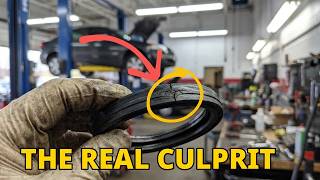
Est. part cost: $100-$600 - Internal Mechatronic/Valve Body Wear 🟡 Medium Probability → Shop Transmission Valve Body The valve body itself can have issues beyond just solenoids. The rubber 'bridge seal' and four tube seals between the valve body and transmission case are known to harden and crack, causing major internal pressure leaks that directly cause shift flares and slipping. Additionally, bores within the aluminum valve body can wear, causing valves to stick.
How to confirm: This is a diagnosis of exclusion. If a fluid/filter change and solenoid replacement do not fix the issue, and there are symptoms of shift flares, the internal mechatronic seals are the likely culprit. Metal shavings in the pan point to a more severe mechanical failure.
Typical fix: Replace the mechatronic bridge seal and tube seals. For worn valve body bores, aftermarket solutions like the Sonnax Zip Kit can be used to install oversized valves and sleeves to restore hydraulic integrity.
Est. part cost: $50-$250 - Internal Mechanical Failure ⚪ Low Probability While less common, worn clutch packs or a cracked E-clutch drum can fail, especially on high-mileage vehicles or those that have been driven with low fluid and slipping conditions for an extended period.
How to confirm: If fluid, solenoids, and the valve body are confirmed to be good, the transmission will likely need to be removed and inspected internally. A large amount of metallic debris or clutch material in the transmission pan is a strong indicator of mechanical failure.
Typical fix: The transmission will need to be rebuilt or replaced.
Est. part cost: $2000-$5000
Rare But Worth Checking
- Faulty Transmission Control Module (TCM/Mechatronic): → Shop Transmission Assembly The TCM, integrated into the mechatronic unit, can fail internally. This is rare and should only be considered after all other possibilities (fluid, solenoids, wiring) have been exhausted.
- Cracked Valve Body (Mechatronic): → Shop Transmission Valve Body In some instances, the valve body itself can develop hairline cracks, causing internal pressure loss. This is difficult to diagnose without specialized testing and is less common than seal or solenoid failure.
Diagnosis Steps
- Scan the vehicle with a BMW-compatible scan tool for any other transmission-related fault codes, including shadow codes.
- Check the transmission fluid level and condition. This is the most critical first step. The procedure requires the car to be level and the fluid at a specific temperature.
- Inspect the transmission for external leaks, paying close attention to the oil pan gasket and the mechatronic sealing sleeve connector.
- If fluid is low, top it off and re-evaluate. If the fluid is dark, burnt, or has not been changed in over 60,000 miles, perform a full fluid, filter (pan), and mechatronic sealing sleeve replacement.
- After a fluid service, reset the transmission adaptations using a capable scan tool. This is a mandatory step.
- If the problem persists, especially with shift flares, the next step is to drop the mechatronic unit and replace the internal bridge seal and tube seals. Consider installing a Sonnax Zip Kit if valve body wear is suspected.
- If solenoids are suspected, they can be tested and replaced with the mechatronic unit removed.
- If all external and electronic components are verified to be working and large amounts of metal are found in the pan, the issue is likely internal mechanical wear, requiring a transmission rebuild or replacement.
Parts You'll Likely Need
- Transmission Oil Pan/Filter Kit
(OEM #24117571227)— The filter is integrated into the pan. A fluid and filter change is the most common and essential first step to fixing this code. The kit usually includes a new pan, gasket, and bolts.
Trusted brands: ZF, Vaico, Febi
OEM price range: $150-$250
Aftermarket price range: $100-$180 - Mechatronic Sealing Sleeve
(OEM #24347588725)— This is a very common leak point that leads to low fluid levels, which causes the P0730 code. It's inexpensive and should be replaced during any pan service.
Trusted brands: BMW (OEM), ZF
OEM price range: $20-$30
Aftermarket price range: $10-$20 - Mechatronic Seal Adapter (Bridge Seal) and Tube Seals
(OEM #24107536339 (Adapter), 24347571211 (Tubes))— These internal seals between the valve body and transmission case are a primary cause of internal pressure loss, leading to shift flares and slipping. Replacing them is a common fix if a fluid change isn't enough.
Trusted brands: ZF (OEM)
OEM price range: $30-$50
Aftermarket price range: $20-$40 - Shift Solenoid Kit
(OEM #Varies by solenoid. ZF Kit is 1068298044.)— If fresh fluid doesn't solve the problem, one or more solenoids may be sticking or have failed electronically, causing pressure loss.
Trusted brands: ZF, Bosch, Sonnax
OEM price range: $400-$800
Aftermarket price range: $300-$600 - Sonnax Zip Kit
(OEM #ZF6-053-ZIP (for Gen 1 6HP19/26/32))— For higher mileage transmissions, this kit addresses wear in the valve body itself, sealing pressure leaks that new solenoids or seals alone can't fix.
Trusted brands: Sonnax
OEM price range: N/A
Aftermarket price range: $150-$200
Related Codes That Often Appear With This One
- P0731 — Incorrect Ratio in 1st Gear. These codes often appear together as they point to a general slipping condition rather than a single gear problem.
- P0732 — Incorrect Ratio in 2nd Gear. Similar to P0731, this indicates a slipping issue that is not isolated to one gear.
- P0729 — Incorrect Ratio in 6th Gear. This points to the same underlying problem of the transmission slipping.
- 4F89 — BMW-specific code for 'Ratio Monitoring, Gearshift 3-4'. This is a very common companion code that points to slipping during a specific shift, often caused by the same internal hydraulic leaks (bridge seal, tube seals) that cause the general P0730.
Technical Service Bulletins (TSBs) & Recalls
- While no specific TSB for P0730 was found, BMW TSB 24 08 06 addresses the procedure for replacing the mechatronic sealing sleeve, indicating it is a known issue recognized by the manufacturer.
Platform-Specific Known Issues
- Owner Experience: Fluid/Filter/Sleeve Fix: A user on bimmerpost.com with a small transmission leak decided to perform a fluid/filter and mechatronic sleeve replacement as preventative maintenance. This is a very common story for E90 owners.
- Owner Experience: Mechatronic Seals Fix Slipping: An owner in Finland with a 2006 318i experienced severe jerking and limp mode when cold. After a fluid/filter change did not solve the issue, they diagnosed worn internal mechatronic seals (bridge and tube seals) as the cause of the pressure loss.
- Owner Experience: Multiple Codes Including P0730: A high-mileage 2006 325i suddenly developed multiple codes, including P0700, P0705, and P17E1 (a manufacturer-specific ratio monitoring code), alongside P0730. The symptoms included stalling at speed and erratic gear selection, pointing to a severe transmission control failure.
Hidden / Shadow Codes Worth Checking
- 4F89: Ratio Monitoring, Gearshift 3-4. This is a BMW-specific code indicating the transmission detected slipping specifically during the 3-4 shift. It often points directly to internal hydraulic pressure loss. (see via BMW-specific diagnostic tools like ISTA or a capable aftermarket scanner (e.g., Foxwell, Autel).)
- 4F8C: Ratio Monitoring, Gearshift 6-5. Similar to 4F89, this indicates slipping detected during the 6-5 downshift. (see via BMW-specific diagnostic tools like ISTA.)
- 4F81: Ratio Monitoring, Clutch A. This points to a slip detected in the clutch pack 'A'. This is often caused by failing mechatronic seals (bridge seal, tube seals) preventing adequate pressure from reaching the clutch. (see via BMW-specific diagnostic tools like ISTA.)
- 4F8D: EGS: Ratio Monitoring, Gearshift 5-4. Another specific gear shift monitoring fault, often triggered by the same underlying hydraulic issues. (see via BMW-specific diagnostic tools like ISTA.)
Scan Tool Commands That Help
- ISTA (BMW Dealer Software): Reset adaptation values (Transmission control, adjustment) — This is mandatory after replacing the transmission fluid, solenoids, or mechatronic unit. It clears the learned values the TCM uses to compensate for wear and old fluid, allowing it to relearn clutch engagement points with the new components and fluid.
- ISTA (BMW Dealer Software): Service Functions -> Powertrain -> Transmission control -> Display and reset adaptation values — This is the specific path within the ISTA software to perform the adaptation reset. Failing to do this after a repair can result in continued poor shifting as the transmission still operates on old, incorrect data.
- INPA / Foxwell / Autel: Clear/Reset Transmission Adaptations — Capable aftermarket scan tools can also perform this critical function. It is essential for the transmission to properly adapt to new fluid properties and mechanical components.
Wiring & Ground Locations
- Main Engine Ground Strap — Connects from the engine block (driver's side, near engine mount) to the chassis (under the driver's side footwell). Requires removal of underbody splash shields to access.. A corroded or loose main ground strap can cause a host of electrical issues, including erratic sensor readings and improper module function. While not a direct cause of P0730, it can create electrical noise that may interfere with the TCM's ability to accurately monitor transmission sensors, contributing to false codes or exacerbating existing issues.
- Mechatronic Connector (EGS Connector) — A large, round electrical connector on the passenger side of the transmission case. The wiring harness plugs into the mechatronic sealing sleeve, which passes through the case.. This is the sole electrical interface to the transmission's brain (TCM) and solenoids. Fluid leakage from the sealing sleeve can contaminate the connector pins, causing poor connections. The locking collar can be difficult to engage/disengage, and improper seating can lead to intermittent communication faults with the TCM.
- EGS (Transmission Control Module) — The EGS/TCM is not a separate box; it is integrated directly into the mechatronic valve body, which is located inside the transmission oil pan.. Since the control unit is inside the transmission, it is subject to the same heat and fluid conditions. Any electrical diagnosis beyond the main connector requires dropping the transmission pan and accessing the mechatronic unit itself.
Real Owner Repair Stories
- YouTube user 'oembimmerparts' (E90 BMW 335i with ZF 6HP19 transmission) — Harsh downshifts from 2nd to 1st, gear monitoring codes (specifically 4F8D, 5-4 gear ratio error), and a several-second delay when shifting between Reverse and Drive.
❌ Tried (didn't work) The owner noted that a previous fluid/filter service was performed recently but did not solve the issues. The video suggests that just replacing the mechatronic sleeves might not be enough if solenoids are also weak.
✅ What actually fixed it The problem was fully resolved by performing a comprehensive service that included: replacing the full set of shift solenoids, replacing the mechatronic sealing sleeve, the bridge seal, and the four tube seals, followed by a new pan/filter, new fluid, and resetting the transmission adaptations with a scan tool. The combination of new solenoids and seals fixed both the harsh shifts and the engagement delay. - Bimmerpost Forum User (2007 BMW 335i (E92)) — Transmission malfunction light with code 4F89 (Ratio monitoring, gearshift 3-4). The car would hesitate and then go into limp mode when shifting from 3rd to 4th gear.
❌ Tried (didn't work) A transmission fluid and filter change was performed. While it made other shifts feel better, the 3-4 shift issue and the 4F89 code returned shortly after.
✅ What actually fixed it The user was advised by the community that the next logical step, and the likely solution, was to service the mechatronic unit by replacing the bridge seal, tube seals, and potentially the solenoids, as these internal leaks are the classic cause of specific gear ratio faults that a fluid change alone cannot fix. The thread ends with this being the confirmed path forward.
OEM Part Supersession History
24347588725→N/A, this is the current primary number for the sealing sleeve.— This part is a frequent replacement item. ZF and BMW have maintained the number. Be aware of multiple aftermarket versions.
Heads up: Part number 24347588725 refers to the main mechatronic sealing sleeve (the round one for the electrical connector). It is often sold in a kit with the bridge seal (adapter grommet, PN 24347588759) and the four tube seals (2x 24107536339, 1x 24107536340, 1x 24107536341). It is critical to replace all of these seals as a set when the mechatronic unit is removed, as they degrade at a similar rate.
Model Year Variations Within This Range
- 2006-2011: The ZF 6HP19 was the primary transmission. Later in the E90 lifecycle, particularly with the LCI (facelift) models, the updated ZF 6HP21 was introduced. While mechanically very similar and sharing many of the same failure points (seals, sleeves), the 6HP21 had an improved mechatronic unit and solenoids. Parts are generally interchangeable, but it's crucial to verify the exact transmission model (stamped on the case) before ordering parts like a full mechatronic unit or solenoid kits.
Diagnostic Flowchart
Other Known Issues on This Vehicle
Issues unrelated to this code that are worth knowing about as an owner of this generation:
- Electric Water Pump Failure 🔴 High — Very common. Typically fails between 60,000-100,000 miles, often without warning, leading to immediate overheating.
- Oil Filter Housing Gasket (OFHG) Leak 🔴 High — Extremely common on all engines (N52, N54, N55). Gasket hardens and leaks oil onto the serpentine belt, which can cause the belt to slip off and get ingested by the crankshaft, leading to catastrophic engine failure.
- High-Pressure Fuel Pump (HPFP) Failure (N54 Engine) 🔴 High — A notorious and widespread issue on the twin-turbo N54 engine (2007-2010 335i). Symptoms include long cranks, rough idle, and sudden loss of power ('limp mode'). (Ref: BMW issued extended warranties (10 years/120,000 miles), but most vehicles are now outside this coverage.)
- Valve Cover & Gasket Leak 🟠 Medium — Common across all engines. The plastic valve cover can crack, and the gasket hardens, causing oil leaks into the spark plug wells (causing misfires) or onto the exhaust manifold (causing a burning smell).
- Turbocharger Wastegate Rattle (N54 Engine) 🟠 Medium — Very common on the N54 engine. A rattling noise is heard upon deceleration as the wastegate actuator rods and bushings wear out. Can eventually lead to low-boost error codes. (Ref: BMW extended the warranty for this issue on some vehicles, but most are now expired.)
- VANOS Solenoid Failure 🟡 Low — Fairly common but an easy fix. Solenoids get clogged or fail, causing rough idle, poor performance, and VANOS-related fault codes. Usually affects cars over 80,000 miles.
Used vs. New Parts: Buying Guide for This Vehicle
When a used part is the smart pick: A complete, used mechatronic/valve body assembly can be a cost-effective option IF it comes from a low-mileage, verified-running donor vehicle. It is often cheaper than buying a new set of OEM solenoids. However, it is absolutely critical to install NEW seals (bridge, tube, and sleeve) on the used mechatronic before installation.
Donor-vehicle mileage cap: roughly under 80000 miles for the part to have meaningful remaining life.
What to inspect on the donor part:
- Ask for the VIN of the donor car to verify mileage and production date.
- Inspect the fluid color from the donor transmission if possible; anything dark black or burnt is a major red flag.
- Avoid units that have been sitting open to the elements. The connector pins should be clean and straight.
- Prefer sellers who offer a short warranty or guarantee that the unit is functional.
OEM-only on this vehicle (don't cheap out):
- Mechatronic Bridge Seal and Tube Seals: Given the low cost of these critical seals and the high labor to access them, never reuse old ones or use no-name brands. Use OEM ZF or a reputable aftermarket brand like Sonnax.
- Transmission Fluid: Strictly use a fluid that meets the Shell M-1375.4 specification, such as ZF Lifeguard 6, Pentosin ATF1, or Febi 34608. Using a generic 'multi-vehicle' ATF is a common cause of shift problems.
Aftermarket brands forum-validated for this vehicle:
- Sonnax: For valve body repair, their 'Zip Kit' is highly regarded for addressing wear in the valve body bores that seals alone cannot fix.
- ZF: As the original equipment manufacturer, ZF-branded parts (pan/filter, seals, solenoids) are a safe bet and often cheaper than the same part in a BMW-branded box.
- Febi/Bilstein: Offers a compatible, high-quality fluid (Febi 34608) that is a trusted alternative to the more expensive ZF Lifeguard 6.
Brands owners have reported issues with on this vehicle:
- Unbranded/no-name solenoid kits from online marketplaces. Solenoid quality is critical for shift performance, and cheap solenoids are known to fail quickly or have incorrect calibration, leading to continued shift problems.
Real Owner Stories
Aggregated from forums and TSBs cited above. Mileages and costs reflect what owners reported in those sources.
2006 BMW 318i
Symptoms: Severe jerking and transmission entering limp mode when the vehicle was cold.
What fixed it: Replacement of the internal mechatronic seals (bridge seal and tube seals) to restore hydraulic pressure.
Source hint: Owner Experience: Mechatronic Seals Fix Slipping
2006 BMW 325i — ~150000 miles
Symptoms: Sudden development of multiple codes, stalling while driving at high speeds, and erratic gear selection.
What fixed it: The symptoms pointed to a severe transmission control failure involving multiple codes (P0700, P0705, P17E1, and P0730).
Source hint: Owner Experience: Multiple Codes Including P0730
BMW E90 3 Series
Symptoms: Small transmission fluid leak noticed after the car had been sitting.
What fixed it: Replacement of the mechatronic sealing sleeve and a fluid/filter service as preventative maintenance.
Source hint: 6AT Mechatronic Sleeve Question - Bimmerpost
Related OBD-II Codes
Frequently Asked Questions
Is there a BMW TSB that addresses the common transmission leaks on the 2005-2013 3 Series?
BMW says my transmission fluid is a 'lifetime fill.' Do I really need to change it to fix P0730?
My 3 Series is jerking and going into limp mode when cold. Could this be the internal seals?
What specific fluid and parts should I use for a transmission service on my E90?
Do I need to do anything special after replacing the transmission fluid and mechatronic sleeve?
Can the mechatronic unit itself be repaired, or does the whole transmission need replacement?
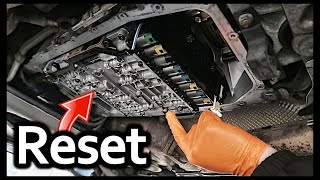
Helpful Videos



We Have This Part in Stock

The information in this article is provided for general reference and educational purposes only. Vehicle specifications, procedures, and part compatibility can vary by production date, trim level, and region. Always consult your vehicle's factory service manual and verify part numbers before purchasing or performing repairs. Safety-critical components such as airbags, seat belts, and braking systems should be installed by a qualified professional.
- BMW 3 Series:
- 🧭 Diagnostic Flowchart
- 🎬 Helpful Videos
- 🛍️ Shop This Part
- What's Unique About the 2005-2013 BMW 3 Series
- Symptoms You May Notice
- Most Likely Causes
- Rare But Worth Checking
- Diagnosis Steps
- Parts You'll Likely Need
- Related Codes That Often Appear With This One
- Technical Service Bulletins (TSBs) & Recalls
- Platform-Specific Known Issues
- Hidden / Shadow Codes Worth Checking
- Scan Tool Commands That Help
- Wiring & Ground Locations
- Real Owner Repair Stories
- OEM Part Supersession History
- Model Year Variations Within This Range
- Other Known Issues on This Vehicle
- Used vs. New Parts: Buying Guide for This Vehicle
- Real Owner Stories
- 2006 BMW 318i
- 2006 BMW 325i — ~150000 miles
- BMW E90 3 Series
- Related OBD-II Codes
- Frequently Asked Questions
- 🎟️ Get 5% Off