

P0730 on 2011-2016 Hyundai Elantra: Incorrect Gear Ratio Causes and Fixes
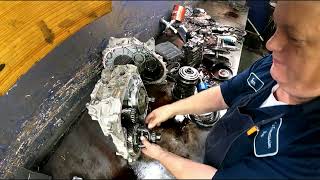
On a 2011-2016 Elantra, code P0730 indicates transmission slippage. While you should check the transmission fluid level and condition first, Hyundai's own Technical Service Bulletins (TSBs) suggest this code often points to a serious internal transmission failure requiring a complete replacement, a repair that can cost several thousand dollars. This is a known issue with the A6GF1 6-speed automatic transmission used in this vehicle.
- P0730 is a serious code on a 2011-2016 Elantra that indicates the transmission is slipping.
- The first and simplest step is to check the transmission fluid level and condition, ensuring the correct Hyundai SP-IV or SP4-M fluid is used.
- Be prepared for a serious diagnosis. Hyundai's own service bulletins strongly suggest that this code, when appearing alone, often means the entire transmission has failed internally and needs to be replaced.
- This is not a DIY-friendly repair. Due to the complexity and high cost, professional diagnosis at a dealership or trusted transmission shop is essential.
- Check if your vehicle might still be covered under Hyundai's 10-year/100,000-mile powertrain warranty, as this could cover the costly repair.
What's Unique About the 2011-2016 Hyundai Elantra
The 2011-2016 Elantra (fifth generation, MD/UD) uses a Hyundai-designed A6GF1 6-speed automatic transmission. While many factors can cause P0730 on any car, Hyundai has issued specific service bulletins (TSB 20-AT-001H, superseded by 24-AT-002H) for this vehicle and its platform mates. These bulletins advise that if code P0730 appears without any other codes for sensors or solenoids, the likely cause is an internal mechanical failure, and the recommended repair is to replace the entire transmission assembly. This indicates a known pattern where the problem is often not a simple sensor or fluid issue, but a terminal failure of internal components like clutch packs.
🎬 Watch: Understanding the P0730 code and its common fixesSymptoms You May Notice
- Check Engine Light is on
- Transmission slipping (engine RPMs rise without an increase in speed)
- Harsh, erratic, or delayed gear shifts
- Vehicle enters "limp mode" (stuck in one gear, often 3rd)
- Failure to accelerate from a stop
- Reduced fuel economy
- Inability to shift into Drive or Reverse
- Replacing input/output speed sensors when the root cause is internal failure. The official Hyundai diagnostic procedure uses the *absence* of sensor codes to point toward transmission replacement.
- Assuming a simple fluid change will fix a transmission that is already mechanically damaged. While a fluid change is a good first step, if significant slipping is already occurring, the internal damage is likely done.
Most Likely Causes
- Internal Mechanical Transmission Failure 🔴 High Probability → Shop Transmission Assembly Hyundai TSBs 20-AT-001H and 24-AT-002H identify a pattern where an isolated P0730 code points to a non-serviceable internal fault, such as worn clutch packs, stripped differential housing splines, or failed seals. The A6GF1 transmission's early versions were known for these issues.
How to confirm: A professional diagnosis is needed. If a scan shows P0730 is the only transmission code and the fluid level is correct, the TSB directs the technician to replace the transmission.
Typical fix: Replacement of the entire automatic transmission assembly with a new or remanufactured unit.
Est. part cost: $3400-$5500 - Low or Contaminated Transmission Fluid 🟡 Medium Probability → Shop Transmission Assembly This is a common cause on any automatic transmission. Low fluid leads to insufficient hydraulic pressure to engage gears, and old/dirty fluid can clog passages and solenoids. The A6GF1 is noted to be very sensitive to fluid condition.
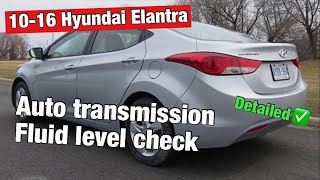
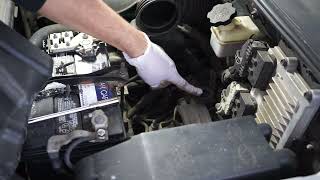
How to confirm: Check the transmission fluid level and condition. The fluid should be bright red and not smell burnt. Note: These models do not have a dipstick; the level must be checked via a fill plug on the side of the transmission while the vehicle is level and at a specific temperature (typically 122-140°F), often requiring a scan tool to verify. 🎬 See how to check the transmission fluid level
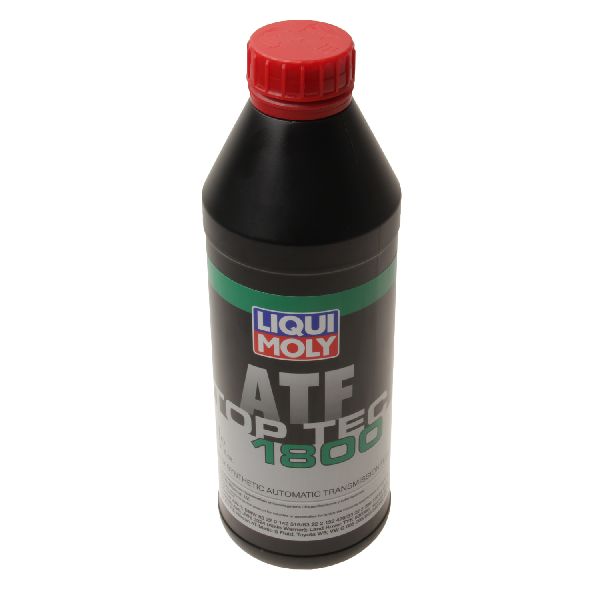
Typical fix: Perform a transmission fluid drain-and-fill using the correct fluid (Hyundai SP-IV or compatible). A simple drain and fill typically replaces about 4 quarts. If fluid is very contaminated, a full flush may be needed.
Est. part cost: $80-$200 - Failed Input or Output Speed Sensors ⚪ Low Probability
How to confirm: Test the sensors with a multimeter or oscilloscope. Typically, a failing speed sensor will also set its own specific trouble code (e.g., P0717, P0722). The Hyundai TSB notes that the absence of these codes points away from the sensors being the root cause.
Typical fix: Replace the faulty speed sensor.
Est. part cost: $50-$150 - Faulty Valve Body or Shift Solenoids ⚪ Low Probability → Shop Transmission Valve Body
How to confirm: A professional would need to perform electronic tests on the solenoids and hydraulic pressure tests on the valve body. This would typically be accompanied by solenoid-specific DTCs.
Typical fix: Replace the specific faulty solenoid or the entire valve body assembly.
Est. part cost: $300-$800
Diagnosis Steps
- Scan for Codes: Use an OBD-II scanner to confirm P0730 and check for any other transmission-related codes (e.g., for solenoids or sensors). Note if P0730 is the *only* code.
- Check Transmission Fluid: This is the most critical first step. Verify the fluid level is correct and that the fluid is clean, bright red, and does not have a burnt smell. This must be done via the fill plug while the car is level and the transmission fluid is at the specified temperature (122-140°F), verified with a scan tool.
- Consult TSBs: Review Hyundai TSB 24-AT-002H. If P0730 is the only code present, and fluid level is correct, internal failure is highly likely and the TSB recommends transmission replacement.
- Test Speed Sensors: If other codes are present or as a due-diligence step, test the input and output speed sensors for proper operation using a multimeter or by monitoring live data on a scan tool.
- Inspect Wiring: Check the transmission wiring harness for any visible damage, corrosion, or loose connections, particularly at the main connector to the transmission case.
- Professional Diagnosis: If all external components check out, the problem is internal. Based on Hyundai's guidance, this leads to transmission replacement rather than an internal rebuild.
Parts You'll Likely Need
- Automatic Transmission Assembly
(OEM #45000-26160 (example, verify by VIN))— Per Hyundai TSB 24-AT-002H, this is the official recommended fix when P0730 is present without other solenoid or sensor codes, indicating a known internal failure pattern.
Trusted brands: Hyundai (OEM Remanufactured)
OEM price range: $3500-$5500
Aftermarket price range: $2500-$4000 - Automatic Transmission Fluid (ATF)
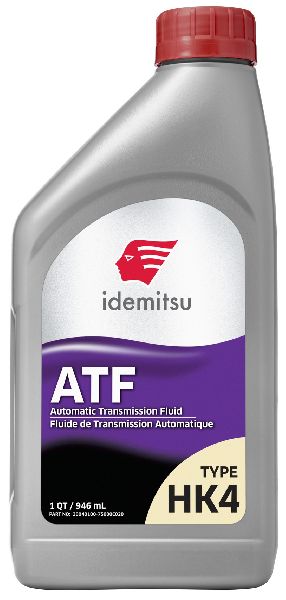
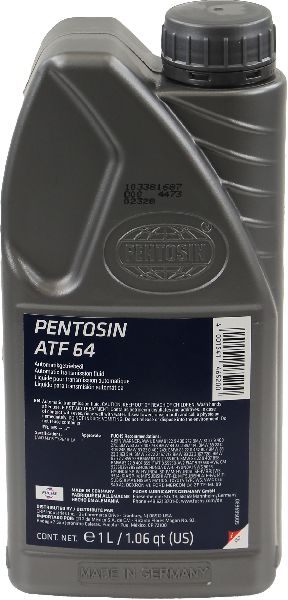
(OEM #00232-19045)— Required for a fluid service, which is the first diagnostic step. The correct fluid is Hyundai SP-IV or the superseding SP4-M. Using incorrect fluid can cause damage.
Trusted brands: Hyundai/Kia (OEM), Idemitsu Type-H, Eneos Eco ATF
OEM price range: $20-$30 per quart
Aftermarket price range: $10-$20 per quart - Transmission Input Speed Sensor
(OEM #42620-26010)— This sensor measures the input shaft speed. A failure can cause incorrect data, leading to the P0730 code. It's a possible, though less likely, cause compared to internal failure. Usually throws its own code.
Trusted brands: Hyundai (OEM), NTK, Delphi
OEM price range: $90-$130
Aftermarket price range: $40-$80
Related Codes That Often Appear With This One
- P0731-P0736 — These codes indicate incorrect gear ratios for specific gears (1st, 2nd, etc.). Their presence alongside P0730 further confirms a significant slipping issue within the transmission.
Technical Service Bulletins (TSBs) & Recalls
- 24-AT-002H: AUTOMATIC TRANSMISSION INCORRECT RATIO DTC... - Supersedes 20-AT-001H. This TSB provides the diagnostic logic for the 2011-2016 Elantra (and many other Hyundai/Kia models), stating that if incorrect ratio codes (P0730-P0736, etc.) are found without solenoid codes, the transmission should be replaced due to internal clutch slippage.
- 20-AT-001H: AUTOMATIC TRANSMISSION INCORRECT RATIO DTC... - The original TSB, now superseded, which established the diagnostic path of replacing the transmission for isolated incorrect ratio codes.
- TSB Bulletin #22-01-030H: This bulletin notes that for certain conditions involving TCU DTC codes P0730, P0731, P0741, P0867, and P1603, an update is available to optimize the distance traveled since DTCs cleared display.
- TSB Bulletin #20-01-028H: A manufacturer service bulletin indicates that technicians should perform ECU and TCU updates and, if necessary, replace the transmission to resolve conditions involving codes P0730, P0731, P0741, P0867, and P1603.
Platform-Specific Known Issues
- This platform is subject to Technical Service Bulletin 24-AT-002H, which outlines a diagnostic procedure for incorrect ratio codes like P0730. The procedure often leads to a full transmission replacement if no other fault codes are stored.
- Owner forums contain numerous accounts of this specific failure pattern. For example, a user on Reddit with a 2015 Elantra reported a P0731 code (Incorrect Ratio Gear 1) and was quoted $4600-$5500 for a replacement, corroborating the high cost and frequency of this issue.
Mechanic-Grade Diagnostic Values
- Variable Force Solenoid (VFS) Resistance — expected: 5.1 - 5.3 Ohms. Failure: A reading significantly higher or lower than 5.3 Ohms, or an open circuit.
- On/Off Shift Solenoid Resistance — expected: 10 - 11 Ohms. Failure: A reading outside this range, or an open circuit.
- Output Speed Sensor (OSS) Internal Resistance — expected: ~5.8 MΩ (Megaohms). Failure: A reading that is significantly different, open, or shorted.
Scan Tool Commands That Help
- Hyundai GDS (Global Diagnostic System): Resetting Auto T/A values — This function must be used after replacing the transmission, valve body, or TCM. It erases all learned shift adaptations. Failure to perform this reset can result in poor shift quality or damage to the new components. After the reset, a specific road test (relearn procedure) is required.
Wiring & Ground Locations
- Transmission Main Connector — On the top or side of the transmission case, where the main vehicle harness connects.. This is the primary point for testing sensor and solenoid circuits from outside the transmission. A corroded or damaged pin here can mimic an internal failure. For example, Pin 10 is often the power supply for solenoids, while Pin 2 can be the ground control for the TCC solenoid.
- G4NB Engine/Transmission Ground — There is a dedicated ground wire assembly from the transmission case to the chassis. The OEM part number is '91860-2H120' or similar. A common ground point is 'GC501'.. A poor ground connection for the transmission can cause erratic behavior from sensors and solenoids, leading to incorrect data being sent to the TCM and potentially triggering a false P0730 code.
Real Owner Repair Stories
- Reddit user /u/MammothAggressive216 (2016 Hyundai Elantra with 1.8L engine (A6GF1 transmission)) — Transmission failure requiring replacement.
❌ Tried (didn't work) N/A - This was the first repair attempt.
✅ What actually fixed it The mechanic accidentally installed a used A6MF1 transmission instead of the correct A6GF1. It bolted to the engine, but the shifter cable bracket and one lower mount bolt did not align. He modified the bracket and omitted the bolt. The transmission worked electronically, proving a degree of cross-compatibility is possible, though not recommended. A follow-up comment by another user warned their attempt to swap a different part number A6GF1 failed due to bellhousing and torque converter differences, resulting in limp mode. - Reddit user story cited in Go-Parts article (2016 Hyundai Elantra) — P0722 (No Output Speed Signal), a code related to the same sensor group as P0730.
❌ Tried (didn't work) Replacing the output speed sensor three times., Replacing the entire transmission with a used unit.
✅ What actually fixed it The P0722 code returned immediately after the transmission was replaced. The conclusion was that the actual fault was in the external vehicle wiring harness leading to the transmission, a fault that was overlooked, leading to an unnecessary and very expensive transmission replacement.
"I Checked Everything" — The Actual Cause
- While not a smoke test issue, a pattern of 'external checks clean but actually' exists. In one documented case, after replacing the speed sensor multiple times and even the entire transmission, a P0722 code (related to the output speed sensor) persisted. The actual root cause was suspected to be in the external vehicle-side wiring harness leading to the transmission, which was overlooked during the initial diagnosis.
When the Usual Fixes Don't Work
- While the Hyundai TSB strongly suggests replacing the transmission for a lone P0730 code, this is a diagnostic shortcut for dealers. There are specific, documented internal mechanical failures that can be repaired by a transmission specialist without replacing the entire unit. These include cracked underdrive pistons and loose support bolts. Furthermore, overlooking a fault in the external wiring harness can lead to an incorrect diagnosis and unnecessary transmission replacement.
OEM Part Supersession History
46313-3B673→N/A - This is a compatibility issue, not a supersession.— Part variation based on transmission pan material.
Heads up: The Torque Converter Clutch (TCC) solenoid is different depending on the oil pan. Transmissions with a steel oil pan use P/N 46313-3B673. A6GF and A6MF transmissions with a plastic oil pan use P/N 46313-3B073. Installing the wrong solenoid will cause TCC apply issues.
Model Year Variations Within This Range
- 2011-2016: While all use the A6GF1, there can be variations in internal components and the oil pan material (steel vs. plastic). This affects the part number for the TCC solenoid. It is critical to verify part numbers by VIN and visual inspection rather than assuming all A6GF1s in this range are identical.
Diagnostic Flowchart
Other Known Issues on This Vehicle
Issues unrelated to this code that are worth knowing about as an owner of this generation:
- Engine Ticking / Piston Slap (1.8L Nu Engine) 🔴 High — Widespread issue, often noticeable on cold starts. Can lead to excessive oil consumption and eventual engine failure. Subject of a class-action lawsuit. (Ref: Warranty extension and settlement program resulted from class-action lawsuit (Brown, et al., v. Hyundai Motor America).)
- Worn Steering Coupler 🟠 Medium — Extremely common. Owners notice a clicking or clunking noise in the steering column when turning. The rubber coupler disintegrates over time. (Ref: While not a formal recall for all vehicles, it's a widely recognized problem. The part is inexpensive, but labor can be significant.)
- Premature Alternator Failure 🟠 Medium — A known pattern of alternators failing, sometimes repeatedly, leading to a battery warning light and stalling.
- Timing Chain Guide Wear / Jumped Timing 🔴 High — Plastic timing chain guides can crack and break, causing chain slap noise. If ignored, the chain can jump timing, resulting in a no-start condition and potential engine damage.
- Delaminating / Peeling Paint 🟡 Low — Common on certain colors (especially white), where the clear coat and paint peel off in sheets, particularly on the roof and hood.
Used vs. New Parts: Buying Guide for This Vehicle
When a used part is the smart pick: A used transmission is a high-risk, budget-oriented choice. It only makes sense if the part number on the donor transmission case is an exact match to the original unit and its history/mileage is known. Swapping between similar-looking models like an A6MF1 is not recommended due to physical and electronic incompatibilities.
Donor-vehicle mileage cap: roughly under 80000 miles for the part to have meaningful remaining life.
What to inspect on the donor part:
- Verify the transmission part number etched on the case is an exact match to the original.
- Check the fluid color and smell from the donor unit if possible. It should be red, not dark brown or burnt-smelling.
- Inspect all connectors for damage, corrosion, or bent pins.
- Look for external signs of leaks, especially around the axle seals, pan gasket, and front seal area.
- Purchase from a reputable salvage yard that offers a warranty (e.g., 90 days) to protect against immediate failure.
OEM-only on this vehicle (don't cheap out):
- Automatic Transmission Assembly (A remanufactured OEM unit is the safest bet if a guaranteed-matching used part cannot be found).
- Transmission Control Module (TCM)
Brands owners have reported issues with on this vehicle:
- Unbranded or 'white box' solenoids and sensors. Given the high labor cost to access internal parts, using proven OEM or top-tier aftermarket brands for electronics is critical.
Real Owner Stories
Aggregated from forums and TSBs cited above. Mileages and costs reflect what owners reported in those sources.
2015 Hyundai Elantra
Symptoms: Incorrect Ratio Gear 1 (P0731) and transmission issues.
What fixed it: Replacement of the transmission with a used or rebuilt unit.
Cost: $4600-$5500
Source hint: Reddit r/Elantra thread titled 'How much should it cost for a used transmission and labor?'
Related OBD-II Codes
Frequently Asked Questions
Does Hyundai TSB 24-AT-002H apply to my 2011-2016 Elantra if P0730 is the only code?
How do I check the transmission fluid on my 2011-2016 Elantra since there is no dipstick?
What type of transmission fluid should I use for a drain-and-fill on my Elantra?
If I have P0730 along with speed sensor codes like P0717 or P0722, do I still need a new transmission?
Is the P0730 code related to the 'limp mode' my Elantra is experiencing?
Could my P0730 code be caused by the 1.8L Nu engine's piston slap issue?
Helpful Videos

We Have This Part in Stock



The information in this article is provided for general reference and educational purposes only. Vehicle specifications, procedures, and part compatibility can vary by production date, trim level, and region. Always consult your vehicle's factory service manual and verify part numbers before purchasing or performing repairs. Safety-critical components such as airbags, seat belts, and braking systems should be installed by a qualified professional.
- Hyundai Elantra:
- 🧭 Diagnostic Flowchart
- 🎬 Helpful Videos
- 🛍️ Shop This Part
- What's Unique About the 2011-2016 Hyundai Elantra
- Symptoms You May Notice
- Most Likely Causes
- Diagnosis Steps
- Parts You'll Likely Need
- Related Codes That Often Appear With This One
- Technical Service Bulletins (TSBs) & Recalls
- Platform-Specific Known Issues
- Mechanic-Grade Diagnostic Values
- Scan Tool Commands That Help
- Wiring & Ground Locations
- Real Owner Repair Stories
- "I Checked Everything" — The Actual Cause
- When the Usual Fixes Don't Work
- OEM Part Supersession History
- Model Year Variations Within This Range
- Other Known Issues on This Vehicle
- Used vs. New Parts: Buying Guide for This Vehicle
- Real Owner Stories
- 2015 Hyundai Elantra
- Related OBD-II Codes
- Frequently Asked Questions
- 🎟️ Get 5% Off