

P0730 on 2003-2009 Mercedes-Benz E-Class: Incorrect Gear Ratio Causes and Fixes
For the 2003-2009 E-Class (W211), code P0730 is most often caused by a faulty transmission conductor plate, a leaking electrical connector plug (pilot bushing), or low/contaminated fluid. The conductor plate, which houses the speed sensors, is a known weak point on both the 722.6 (5-speed) and 722.9 (7-speed) transmissions. Expect to replace the conductor plate, along with the filter, gasket, and electrical connector plug as a kit. This repair typically costs $600-$1200 at an independent shop.
- P0730 means the transmission is slipping or not in the correct gear.
- The most likely cause on a W211 E-Class is a faulty transmission conductor plate.
- Always check for fluid leaks at the 13-pin electrical connector and check for fluid contamination inside the connector.
- A full fluid and filter service, including replacing the connector plug, is mandatory when performing this repair.
- Using a Mercedes-specific scan tool is crucial for accurate diagnosis to avoid unnecessarily replacing the entire transmission.
What's Unique About the 2003-2009 Mercedes-Benz E-Class
The 2003-2009 E-Class (W211 generation) primarily uses the robust 722.6 (5-speed) and later, the 722.9 (7-speed) automatic transmissions. For P0730, the 722.6 is notorious for two specific, very common failures: a leaking electrical connector plug that wicks fluid up the wiring harness into the control module, and failure of the conductor plate which houses the speed sensors. The 722.9 can also suffer from conductor plate (mechatronic) issues, which are a common cause of shifting problems and limp mode. Addressing these known weak points is often the key to fixing this code on the W211 platform.
Generation note: This range covers the W211 generation of the E-Class. These vehicles were equipped with either the 5-speed 722.6 transmission (5G-TRONIC) or the 7-speed 722.9 transmission (7G-TRONIC), introduced around 2004. While the P0730 code has the same meaning for both, the specific design of the conductor plate and repair procedures differ. The 722.9 integrates the TCM into the valve body, making replacement more complex and expensive.
Symptoms You May Notice
- Transmission stuck in 'limp-home mode' (usually 2nd or 3rd gear).
- Check Engine Light or transmission warning light is on
- Harsh, jerky, or delayed shifting.
- Inability to shift gears or gears disengaging unexpectedly.
- Vehicle has poor acceleration from a stop
- Engine RPMs rise but vehicle speed does not (transmission slipping).
- Whining noise from the transmission area
- Replacing the entire transmission without first diagnosing the conductor plate, connector plug, or fluid condition. Many transmissions are replaced when a much cheaper repair would have solved the issue.
- Replacing only the conductor plate when the fluid is heavily contaminated with clutch material or metal, indicating a deeper mechanical failure is present.
Most Likely Causes
- Faulty Conductor Plate 🔴 High Probability The conductor plate, which contains the input and output speed sensors (Y3/6n2, Y3/6n3 on 722.6; Y3/8n1, Y3/8n2 on 722.9), is a very common failure point on both transmissions. The plastic housing and integrated electronics degrade from heat and time, leading to sensor failure and erratic signals.
How to confirm: A Mercedes-specific scan tool (like STAR/DAS) is needed to read live data from the transmission speed sensors. If one or both sensors show erratic, implausible, or no readings, the conductor plate is faulty. Codes like P0717 or P0718 often accompany P0730 and point directly to this part.
Typical fix: Replace the conductor plate. This requires draining the fluid, removing the transmission pan and valve body. For the 722.9, the entire mechatronic unit (valve body and conductor plate/TCM) is often replaced or the conductor plate is sent out for repair. The filter, pan gasket, and fluid should always be replaced. The electrical connector plug should also be replaced as a preventative measure.
Est. part cost: $120-$350 for 722.6 plate; $300-$700+ for 722.9 plate/repair service. - Low or Contaminated Transmission Fluid 🔴 High Probability → Shop Transmission Assembly A common issue is the transmission electrical connector plug's O-rings failing, causing a fluid leak. On early W211s (up to production date September 2003) with Valeo radiators, the internal transmission cooler can rupture, mixing coolant with the transmission fluid (glycol contamination), which destroys the clutch linings and torque converter.
How to confirm: Check the fluid level using the special service dipstick (these cars have no factory dipstick). Check the fluid for a burnt smell or a milky/strawberry milkshake appearance, which indicates coolant contamination. A glycol test can confirm coolant presence. Check the electrical connector for signs of leaking fluid.
Typical fix: If low, top up the fluid and fix the source of the leak (often the connector plug). If contaminated with coolant, the transmission, torque converter, and radiator must be replaced, and the cooling lines flushed. This is a catastrophic and expensive failure.
Est. part cost: $50-$200 for fluid, filter, gasket, and connector plug. Thousands if coolant contamination occurred. - Leaking Electrical Connector Plug (Pilot Bushing) 🟡 Medium Probability The O-rings on the 13-pin connector for the 722.6 transmission are a well-documented failure point. Fluid leaks past the connector and can wick up the wiring harness into the Transmission Control Module (TCM), which is located in the passenger-side footwell, causing erratic behavior and short circuits.
How to confirm: Visually inspect the electrical connector on the front right side of the transmission pan. Unplug it and check for any transmission fluid inside the connector pins. Also, check the TCM itself for any signs of fluid contamination by inspecting its connectors.
Typical fix: Replace the electrical connector plug. This is an inexpensive part and should be done whenever the pan is dropped. If fluid has reached the TCM, it and the harness must be cleaned thoroughly with electrical contact cleaner. If cleaning doesn't work, the TCM may need replacement.
Est. part cost: $15-$40 - Faulty Valve Body or Solenoids ⚪ Low Probability → Shop Transmission Valve Body Debris from normal wear or fluid contamination can cause shift solenoids or valves within the valve body to stick. While less common than conductor plate failure, it can still occur, leading to incorrect hydraulic pressure and gear engagement problems.
How to confirm: This is difficult to diagnose without a high-end scanner to actuate individual solenoids and monitor pressure readings. Solenoids can be tested for resistance when the valve body is removed. It is often diagnosed by swapping with a known-good unit after other causes are eliminated.
Typical fix: Clean the valve body and replace the faulty solenoid(s). In some cases, the entire valve body assembly is replaced. This is often done at the same time as the conductor plate.
Est. part cost: $50-$150 per solenoid, $500+ for a rebuilt valve body
Rare But Worth Checking
- Internal Mechanical Failure: If the fluid is full of metal shavings, it indicates a severe internal failure like a broken clutch pack, damaged planetary gear set, or a failing front pump. This is a worst-case scenario requiring a full rebuild or replacement.
- Faulty Transmission Control Module (TCM): → Shop Transmission Assembly While fluid contamination is a common cause of TCM issues, the module itself can fail internally, though this is rare. For the 722.9 transmission, the TCM is integrated with the conductor plate, so they are replaced as one unit.
- Incorrect Axle Ratio/Variant Coding: In very rare cases, if the differential has been replaced with one of a different ratio, or if the TCM has incorrect programming, the calculated gear ratio will never match the actual ratio, triggering P0730.
Diagnosis Steps
- Scan the vehicle for all stored trouble codes using a scanner capable of reading Mercedes-specific transmission codes (e.g., STAR/DAS, iCarsoft). Note any codes related to speed sensors (P0717, P0718, P0722).
- Check the transmission fluid level using a service dipstick tool at the correct operating temperature (usually 80°C). Note the color, clarity, and smell of the fluid.
- Inspect the transmission's main electrical connector (pilot bushing) for fluid leaks. If fluid is present, trace the harness to the TCM and inspect it for fluid contamination.
- If fluid is milky or looks like a strawberry milkshake, perform a glycol test to confirm coolant contamination from a failed radiator.
- Using a capable scan tool, monitor the live data for the input (N2/N3 or Y3/8n1/Y3/8n2) and output speed sensors while driving. Look for dropouts, erratic readings, or a complete lack of signal.
- If sensor data is faulty, the conductor plate is the likely cause. If sensor data is good but the code persists, suspect a hydraulic or mechanical issue, such as a sticking valve or internal clutch slip.
- If other causes are ruled out, the valve body may need to be removed and inspected for sticking solenoids or valves. Check for metal debris in the pan, which indicates a mechanical failure requiring a rebuild.
Parts You'll Likely Need
- Transmission Conductor Plate
(OEM #1402701161 (for 722.6), A0002702600 (common for 722.9, but VIN specific))— This part houses the speed sensors that are the most common electronic failure point leading to P0730.
Trusted brands: Genuine Mercedes-Benz, Febi, Vaico, Bosch
OEM price range: $250-$450
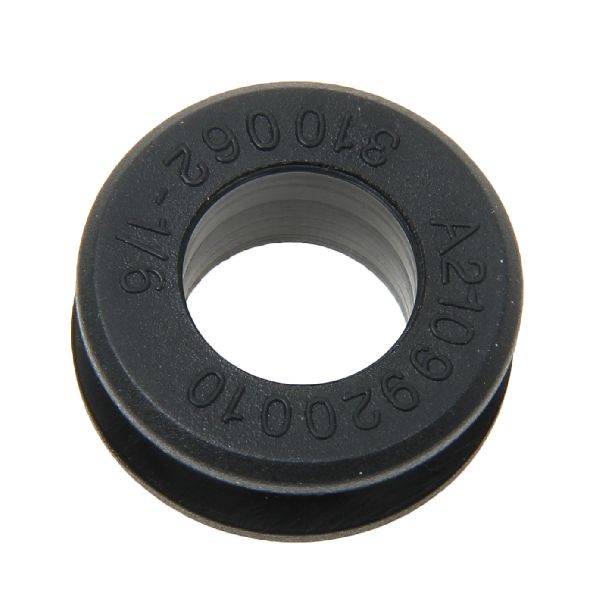
Aftermarket price range: $120-$250 - Transmission Filter Kit (Filter, Gasket, Connector Plug)
(OEM #1402710080 (Filter), 1402770095 (Gasket), 2035400253 (Connector for 722.6))— These parts must be replaced whenever the transmission pan is removed to service the conductor plate or valve body. The connector plug is a known leak point.
Trusted brands: Genuine Mercedes-Benz, Hengst, Mann-Filter, Elring
OEM price range: $75-$120
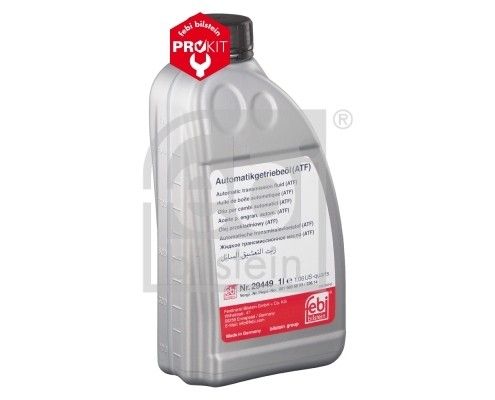
Aftermarket price range: $40-$70 - Automatic Transmission Fluid
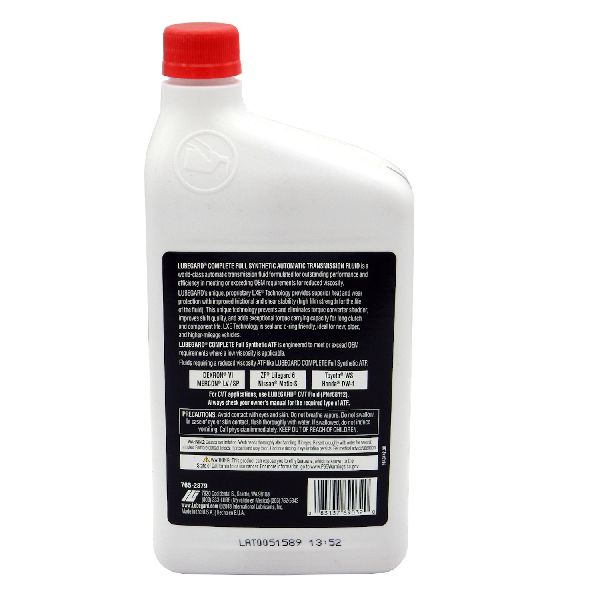
(OEM #Shell ATF 134 (MB 236.14 spec) or equivalent)— Correct fluid is critical. A partial drain and fill for a conductor plate job requires 4-5 quarts. Using the wrong fluid can cause shifting problems.
Trusted brands: Fuchs Titan, Shell, Liqui Moly
OEM price range: $20-$25 per quart
Aftermarket price range: $12-$18 per quart
Related Codes That Often Appear With This One
- P0717 — This code indicates 'Turbine/Input Shaft Speed Sensor Circuit No Signal,' which directly points to a failure of the speed sensor located on the conductor plate.
- P0718 — Indicates an intermittent signal from the input speed sensor, also pointing to a faulty conductor plate or wiring issue.
- P0722 — Indicates 'Output Shaft Speed Sensor No Signal,' another sensor located on the conductor plate.
Technical Service Bulletins (TSBs) & Recalls
- While no specific TSB number for P0730 was found, TSB LI27.60-P-046978 addresses issues with the 722.9 transmission control module (VGS) which can cause similar symptoms. Owners often reference this TSB in relation to conductor plate failures.
Platform-Specific Known Issues
- Valeo Radiator Failure: On early W211 models (approx. 2003), radiators made by Valeo were prone to internal failure, causing engine coolant to leak into the transmission fluid cooler circuit. This contamination ruins the transmission quickly. If you have a Valeo radiator, it should be replaced preventatively.
- Wicking Fluid: The leaking 13-pin connector on the 722.6 transmission is famous for allowing ATF to travel up the wiring harness into the TCM, causing a host of electronic issues that can be misdiagnosed as internal transmission failure.
Mechanic-Grade Diagnostic Values
- 722.6 Shift Solenoid Resistance (1-2/4-5, 2-3, 3-4) — expected: 2.5 - 6.5 Ohms. Failure: A reading outside this range indicates a faulty solenoid.
- 722.6 TCC (Lock-Up) PWM Solenoid Resistance — expected: 2.0 - 4.0 Ohms. Failure: A reading outside this range points to a failure of the torque converter clutch solenoid.
- 722.6 Modulating Pressure & Shift Pressure Regulating Solenoid Resistance — expected: Around 5.0 Ohms (within the 2.5-6.5 Ohm range). Failure: Significant deviation from 5.0 Ohms or an open/short circuit.
- 722.6 Transmission Line Pressure — expected: 60 - 320 PSI, varying by load and gear. Failure: Low line pressure can cause slipping and trigger P0730. This test requires pressure gauges connected to the transmission, which has no standard test ports, making it a specialist job.
- 722.9 Clutch Pack Fill Times (via STAR/XENTRY) — expected: A new clutch pack will have 0 to 1 twenty-millisecond pulses to engage.. Failure: A worn clutch pack may show 15 or more pulses, indicating excessive wear and internal slipping that can cause P0730.
Hidden / Shadow Codes Worth Checking
- Multiple transmission-specific codes: → Shop Transmission Assembly The generic P0730 code is often a symptom. A Mercedes-specific scanner (STAR/XENTRY) can access the transmission control module directly and will show more precise codes related to speed sensor failures (e.g., Y3/8N1), solenoid electrical faults, or range sensor issues that are the true root cause. (see via Mercedes STAR/XENTRY or a high-end professional scanner with Mercedes-specific software.)
Scan Tool Commands That Help
- STAR/XENTRY (Mercedes Dealer Tool): Initial Startup / SCN Coding — This is mandatory after replacing a 722.9 conductor plate (TCU). The new module must be programmed with the vehicle's VIN and configuration (SCN coded) to disable transport protection and be recognized by the car's anti-theft system.
- STAR/XENTRY (Mercedes Dealer Tool): Adaptation of shift operations — After replacing a conductor plate, valve body, or entire transmission, the TCM's learned shift adaptations must be reset and a specific on-road relearn procedure must be performed. This forces the TCM to learn the fill times and pressures for the new components to ensure smooth shifting.
- STAR/XENTRY or advanced aftermarket scanner: TCU Cloning / Virginizing — When using a secondhand 722.9 conductor plate, the data from the original (faulty) unit must be cloned onto the donor unit. Alternatively, the donor unit can be 'virginized' (reset to factory state) and then programmed to the car as if it were new. This avoids buying a brand-new, expensive part from the dealer.
Wiring & Ground Locations
- Transmission Control Module (TCM) - 722.6 models — Located in the passenger-side footwell (on both LHD and RHD models), under the carpet and a metal plate held by three 10mm plastic nuts.. This is the endpoint for the transmission wiring harness. Fluid wicking from a leaking 13-pin connector travels up the harness and contaminates this module, causing short circuits and erratic behavior that can trigger P0730.
- TCM Fuses (W211) — In the engine bay fuse box (Front SAM), fuses F46 and F63 are typically associated with the transmission control module.. A loss of power to the TCM will cause a complete loss of transmission control and can set various fault codes, including P0730, as the system defaults to limp mode.
- CAN Bus Connector (X30/21) — This is a CAN bus distribution block. Its exact location can vary but is part of the network connecting the TCM to other vehicle modules.. A user on MHH Auto forum traced a CAN communication fault (which can cause limp mode) to this area after checking the TCM connector itself. Verifying continuity and resistance (approx. 60-63 Ohms) through these CAN connections is a deep-level electrical diagnostic step.
Real Owner Repair Stories
- PeachParts Mercedes-Benz Forum user (1998 CLK320 (W208, but with same 722.6 transmission)) — Check Engine Light, limp-home mode, P0730 code.
❌ Tried (didn't work) Replaced transmission fluid and filter., Cleaned valve body and checked solenoids., Verified conductor plate passed resistance and voltage tests., Confirmed TCU was dry and harness looked okay.
✅ What actually fixed it The user noted that the P0730 code would appear as 'pending' immediately on startup, before any gear was engaged. This pointed away from a mechanical slip and towards an electrical fault. The final resolution was not posted in the thread, but another user strongly suggested that once a transmission code is set, it must be cleared from the transmission controller itself with a proper scanner (like STAR), not just the generic OBD-II code, to exit limp mode. This highlights a procedural error in diagnosis. - MBWorld.org Forums user (W211 E-Class AMG) — Slipping between 2-3 gear, then slipping under full throttle, eventually leading to limp mode and CEL with code P0730.
❌ Tried (didn't work) Drained and filled fluid with a new filter., Replaced the 13-pin connector plug., Swapped a tuned TCU back to the stock one.
✅ What actually fixed it The final fix was not posted, but a master tech on the forum provided critical diagnostic advice: use a STAR tool to read the clutch pack activation times. A worn clutch pack requires more 'pulses' (e.g., 15+ vs. 1-2 for a new pack) to engage, which is a definitive sign of internal mechanical wear that a conductor plate replacement will not fix. This story illustrates that even with classic P0730 symptoms, the cause can be deeper mechanical wear rather than the common electronic failures.
OEM Part Supersession History
A2115000202 (Valeo Radiator)→A2115003102 (Valeo) or Behr-branded equivalents— The original Valeo radiator design used a faulty crimping method for the integrated transmission cooler, which could fail and leak coolant into the transmission fluid.A0002701700, A0335456632, A0335456732, A0335457332 (722.9 Conductor Plates)→A0002702600, A0034460310— Mercedes has released multiple revisions of the 722.9 conductor plate (VGS1, VGS2, VGS3) to address reliability issues. Newer part numbers often represent improved designs.
Heads up: Early 722.9 transmissions with a VGS1 conductor plate may require replacement of the entire valve body to be compatible with the newest VGS3 plates. This is a major cost increase and a critical detail to verify before ordering parts.
Model Year Variations Within This Range
- 2003 - early 2004 (up to 09/2003 production): These early W211s were at high risk for the Valeo radiator failure, which causes catastrophic transmission damage from coolant contamination. Later models used a redesigned Valeo or a Behr-branded radiator that fixed the issue.
- 2004/2005 onwards: Introduction of the 7-speed 722.9 (7G-TRONIC) transmission. For this transmission, the TCM is integrated into the conductor plate inside the transmission. This makes replacement more complex and expensive, as it is a theft-relevant part that requires dealer-level SCN coding or specialized cloning services to program a new or used unit.
Diagnostic Flowchart
Other Known Issues on This Vehicle
Issues unrelated to this code that are worth knowing about as an owner of this generation:
- Sensotronic Brake Control (SBC) Pump Failure 🔴 High — The pump has a pre-programmed service life based on brake actuations (around 200k-300k pushes) and will trigger a warning when the limit is reached. Mercedes extended the warranty on the SBC unit to 25 years with unlimited mileage due to widespread issues. (Ref: Mercedes-Benz Extended Warranty (25 years))
- M272/M273 Engine Balance Shaft/Idler Gear Wear 🔴 High — Affects V6 (M272) and V8 (M273) engines in early-to-mid 2000s models. The gear material was too soft, leading to premature wear, timing issues, and a check engine light (codes P0016, P0017). Failure typically occurs between 60k-100k miles and is a very expensive, engine-out repair. (Ref: A class-action lawsuit was settled regarding this issue. Mercedes issued service bulletins identifying affected engine serial number ranges.)
- Airmatic Suspension Failure 🟠 Medium — The air springs (bellows) are prone to dry rot and leaking, and the compressor can burn out from overuse. Failures are common after 80,000-120,000 km, causing the vehicle to sag and displaying a "Visit Workshop" message.
- Valeo Radiator / Glycol Contamination 🔴 High — On models built before April 2004, radiators made by Valeo were prone to internal failure, leaking engine coolant into the transmission cooler circuit. This contaminates the ATF and destroys the transmission.
- Intake Manifold Swirl Flap Actuator Failure 🟠 Medium — The plastic lever and arms that control the intake manifold's swirl flaps are known to break, causing performance issues and a check engine light. This is common on M272 and M273 engines.
Used vs. New Parts: Buying Guide for This Vehicle
When a used part is the smart pick: A complete, low-mileage 722.6 transmission from a donor car can be a cost-effective alternative to a rebuild if the original has suffered catastrophic mechanical failure. For the 722.9, a used valve body (mechanical part) can be swapped in, retaining the original, VIN-locked conductor plate/TCU.
Donor-vehicle mileage cap: roughly under 100000 miles for the part to have meaningful remaining life.
What to inspect on the donor part:
- Verify the donor vehicle's mileage.
- Check the color and smell of the transmission fluid from the donor unit; if it's dark, burnt, or contains metal, avoid it.
- If possible, get the VIN of the donor car to check its history.
- For a 722.9 conductor plate/TCU, ensure the seller guarantees it is a working unit, as you will need it to clone its data to your original.
OEM-only on this vehicle (don't cheap out):
- Transmission Electrical Connector Plug (Pilot Bushing): This part is very inexpensive, and aftermarket versions are known to have poor quality O-rings that leak quickly. Always use a Genuine Mercedes or OEM-supplier part.
- Transmission Fluid and Filter: Using the correct specification fluid (e.g., MB 236.14) is critical. Stick to OEM or reputable brands like Fuchs, Shell, or Pentosin that meet the spec.
Aftermarket brands forum-validated for this vehicle:
- Conductor Plate (722.6): Siemens/VDO is the original OEM manufacturer. Parts sold under this brand are identical to the dealer part. Some users report success with Dorman, which in some cases was a re-boxed OEM part.
- Conductor Plate (722.9): Due to the complex programming, repair services (like Circuit Board Medics) or cloning the original unit are the most common non-dealer options, rather than a specific aftermarket brand.
Brands owners have reported issues with on this vehicle:
- Unbranded 'eBay' Conductor Plates: While some users have had success, many have reported receiving used, dirty, or immediately faulty parts. The risk of having to repeat the labor-intensive repair is high. If it doesn't come in a sealed, branded box, it's likely a gamble.
Real Owner Stories
Aggregated from forums and TSBs cited above. Mileages and costs reflect what owners reported in those sources.
2006 Mercedes-Benz E320 CDI
Symptoms: The owner experienced a P0730 code and the transmission was behaving erratically.
What fixed it: The conductor plate was replaced to resolve the incorrect gear ratio issue.
Source hint: mbworld.org thread titled '2006 e320 cdi p0730'
2003-2009 Mercedes-Benz E-Class (W211)
Symptoms: Transmission fluid was found to have traveled up the wiring harness into the passenger-side footwell.
What fixed it: The 13-pin electrical connector (pilot bushing) was replaced, and the TCM and harness were cleaned with electrical contact cleaner.
Source hint: vehicle_specific_issues: Wicking Fluid
2003 Mercedes-Benz E-Class (W211)
Symptoms: Catastrophic transmission failure following internal radiator leak; fluid appeared like a strawberry milkshake.
What fixed it: Replacement of the transmission, torque converter, and the faulty Valeo radiator.
Source hint: vehicle_specific_issues: Valeo Radiator Failure
Related OBD-II Codes
Frequently Asked Questions
My 2003 E-Class has a 'strawberry milkshake' look in the transmission fluid. What caused this?
Can a leaking 13-pin electrical connector really cause electronic codes in the TCM?
Is there a specific TSB for the 7-speed transmission control module issues?
How do I check the transmission fluid level on my W211 E-Class?
What are the specific speed sensors that fail on the E-Class conductor plate?
Helpful Videos
We Have This Part in Stock


The information in this article is provided for general reference and educational purposes only. Vehicle specifications, procedures, and part compatibility can vary by production date, trim level, and region. Always consult your vehicle's factory service manual and verify part numbers before purchasing or performing repairs. Safety-critical components such as airbags, seat belts, and braking systems should be installed by a qualified professional.
- Mercedes-Benz E-Class:
- 🧭 Diagnostic Flowchart
- 🎬 Helpful Videos
- 🛍️ Shop This Part
- What's Unique About the 2003-2009 Mercedes-Benz E-Class
- Symptoms You May Notice
- Most Likely Causes
- Rare But Worth Checking
- Diagnosis Steps
- Parts You'll Likely Need
- Related Codes That Often Appear With This One
- Technical Service Bulletins (TSBs) & Recalls
- Platform-Specific Known Issues
- Mechanic-Grade Diagnostic Values
- Hidden / Shadow Codes Worth Checking
- Scan Tool Commands That Help
- Wiring & Ground Locations
- Real Owner Repair Stories
- OEM Part Supersession History
- Model Year Variations Within This Range
- Other Known Issues on This Vehicle
- Used vs. New Parts: Buying Guide for This Vehicle
- Real Owner Stories
- 2006 Mercedes-Benz E320 CDI
- 2003-2009 Mercedes-Benz E-Class (W211)
- 2003 Mercedes-Benz E-Class (W211)
- Related OBD-II Codes
- Frequently Asked Questions
- 🎟️ Get 5% Off