

P0731 on 2011-2013 Chevrolet Silverado: Incorrect 1st Gear Ratio Causes & Fixes
On a 2011-2013 Silverado with the 6L80 transmission, P0731 almost always points to an internal transmission problem, not a simple sensor fix. The most common causes are a failing torque converter shedding clutch material that clogs the valve body, or a cracked/worn valve body separator plate, as noted in GM Technical Service Bulletins. This repair requires significant transmission service and is not a simple DIY fix.
- P0731 on a 2011-2013 Silverado indicates a serious internal transmission slip in first gear.
- Do not drive the vehicle, as this can lead to complete transmission failure.
- The most likely causes are a failing torque converter contaminating the system with debris, or a blocked/cracked valve body separator plate, as confirmed by GM TSBs.
- This is not a DIY-friendly repair. Professional diagnosis is required to differentiate between a valve body issue, a bad torque converter, or other internal failures.
- Always check for code P0741, as its presence makes a failing torque converter the almost certain root cause.
What's Unique About the 2011-2013 Chevrolet SILVERADO
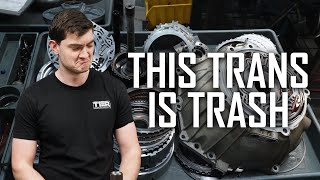
The 2011-2013 Silverado is equipped with the 6-speed 6L80 automatic transmission. This specific transmission is known for a common failure cascade starting with the torque converter clutch (TCC). 🎬 Watch: Common 6L80 problems that lead to transmission destruction The TCC material is prone to disintegrating, sending metallic debris throughout the transmission fluid. This debris contaminates the entire system, clogging the filter and, most critically, the small orifices in the valve body and its separator plate. Unlike older 4-speed transmissions where a single solenoid was a common fix, P0731 on the 6L80 is frequently a symptom of this larger hydraulic issue. Manufacturer TSBs specifically guide technicians to inspect the valve body separator plate for blockage, confirming this is a well-documented pattern failure. [PIP5100, PIP5100A]
Diagnostic Flowchart
Tap your situation to follow the diagnostic path that matches what you're seeing on this vehicle.
Symptoms You May Notice
- Delayed or no engagement into Drive or Reverse. [PIP4379K]
- Vehicle will not move forward. [PIP5100, PIP5100A]
- Sluggish or weak acceleration from a stop.
- Transmission slipping, where engine RPMs rise but speed does not increase.
- Check Engine Light is illuminated.
- Transmission may enter "limp mode," getting stuck in a single gear (often 2nd or 3rd).
- A noticeable shudder or vibration during light acceleration as the torque converter clutch attempts to apply.
- Replacing the input or output speed sensors. While these sensors provide the data to set the code, they are rarely the cause of the failure. The code indicates a real, mechanical slip is occurring, which the sensors are correctly detecting.
- Replacing a single shift solenoid. Without a specific solenoid fault code, simply replacing a solenoid is unlikely to fix a problem caused by widespread debris or a hydraulic pressure loss from the separator plate.
Most Likely Causes
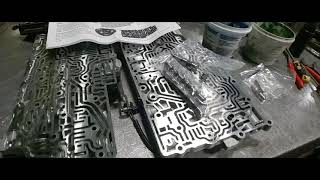
- Debris in Valve Body / Blocked or Cracked Separator Plate 🔴 High Probability → Shop Transmission Valve Body GM issued multiple Technical Service Bulletins (PIP5100, PIP5100A) specifically pointing to debris blocking the valve body separator plate orifices as a cause for this code. The plate itself can also crack near fluid orifices, causing hydraulic cross-leaks. 🎬 See a breakdown of the real causes of 6L80E failure
How to confirm: Drop the transmission pan and valve body to visually inspect the separator plate and valve body channels for metallic or clutch material debris. Look for cracks on the plate, especially around checkball seats. [PIP5100, PIP5100A]
Typical fix: The valve body must be removed, disassembled, and thoroughly cleaned. The separator plate is almost always replaced with an updated part. If significant debris is present, a full transmission flush and torque converter replacement are necessary to address the source of the contamination.
Est. part cost: $40-$80 for an updated separator plate. - Failing Torque Converter 🔴 High Probability → Shop Automatic Transmission Torque Converter The 6L80 transmission is widely known for torque converter clutch (TCC) failures, where the clutch material disintegrates and contaminates the entire transmission fluid system. This debris is the primary source of the contamination that clogs the valve body and causes P0731.
How to confirm: Often accompanied by code P0741 (Torque Converter Clutch Performance) and a noticeable shudder. A professional diagnosis involves monitoring TCC slip RPM with a scan tool; any slip when commanded lockup indicates failure. Finding a large amount of fine, metallic 'glitter' in the transmission pan is a definitive sign.
Typical fix: Replacement of the torque converter and a complete transmission fluid flush. The valve body is typically serviced or replaced at the same time due to contamination.
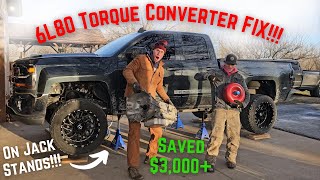
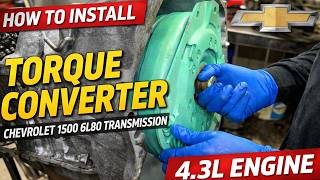
Est. part cost: $200-$600 for a new or remanufactured torque converter. 🎬 Watch: How to replace and upgrade your torque converter
- Low or Contaminated Transmission Fluid 🟡 Medium Probability → Shop Transmission Assembly
How to confirm: Check the transmission fluid level and condition. The fluid should be at the correct level, bright red, and not smell burnt. Dark, burnt, or glittery fluid indicates internal wear, most often from the torque converter.
Typical fix: If the fluid is low, top it off and check for leaks. If the fluid is dirty or burnt, a fluid and filter change is a temporary measure at best. The contamination source (usually the torque converter) must be addressed.
Est. part cost: $50-$150 for fluid and a filter. - Worn 1-2-3-4 Clutch Pack ⚪ Low Probability
How to confirm: This is a diagnosis of exclusion after fluid, valve body, and torque converter issues have been ruled out. It requires a transmission teardown to confirm and is often a secondary failure caused by prolonged operation with low hydraulic pressure.
Typical fix: Requires a complete transmission rebuild to replace the worn clutch packs and address the root cause of the failure.
Est. part cost: $400-$800 for a rebuild kit.
Rare But Worth Checking
- Failed Shift Solenoid / TEHCM: → Shop Transmission Valve Body While a common cause on older transmissions, on the 6L80 it's less likely to be the root cause for P0731 unless accompanied by a specific solenoid electrical fault code (e.g., P0751). The entire solenoid assembly is part of the Transmission Electro-Hydraulic Control Module (TEHCM) inside the pan, and failure often requires replacing the whole unit, which then needs to be programmed.
- Worn Stator Support Shaft Bushings: The bushings on the stator support shaft can wear out, allowing the input drum to wobble. This damages seals, causing a loss of hydraulic pressure to the clutch packs, which can lead to slipping and gear ratio codes. This is a major internal failure requiring a full teardown to diagnose and repair.
- Faulty Transmission Control Module (TCM): → Shop Transmission Assembly The TCM (or TEHCM in the 6L80) can fail, but this is rare. It should only be considered after all mechanical and hydraulic possibilities have been thoroughly exhausted. A TEHCM failure often presents with multiple solenoid codes, not just a single gear ratio fault.
Diagnosis Steps
- Check the transmission fluid level and condition. Note if the fluid is dark, burnt, or contains metallic particles ('glitter').
- Use an advanced OBD-II scanner to check for any other transmission-related codes, especially P0741 or other gear ratio codes.
- Monitor live data, specifically TCC Slip Speed. When the TCC is commanded to lock, the slip should be near zero. Any significant RPM indicates a failing torque converter clutch.
- Drop the transmission oil pan and inspect for excessive clutch material or metal shavings. A thick gray paste or large flakes are definitive signs of significant internal wear, likely from the torque converter.
- Following GM TSBs #PIP5100 and #PIP5100A, remove the valve body and inspect the separator plate for cracks or blocked orifices. Check the valve body passages for debris. [PIP5100A]
- If significant debris is found, the torque converter is the most likely source and should be replaced along with a full system flush.
- If no debris is found and the hydraulics appear clean, perform a line pressure test to check for issues with the transmission pump or internal seals.
- If all other tests are inconclusive, internal component wear (like clutch packs or stator support bushings) is suspected, which requires a transmission teardown.
Parts You'll Likely Need
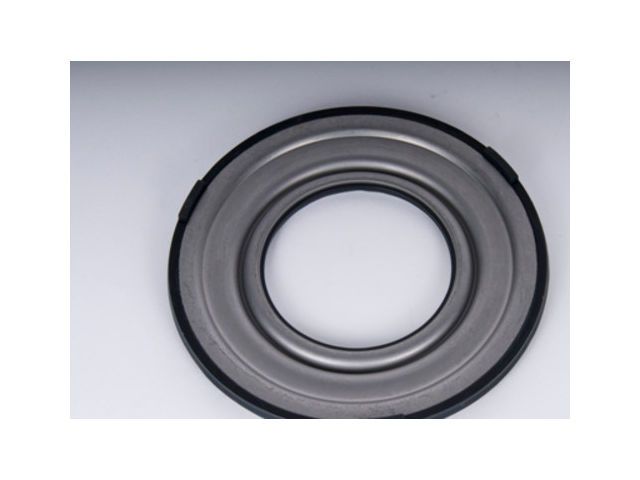
- Automatic Transmission Valve Body Separator Plate
(OEM #24245720 (check fitment, early vs late 6L80))— As cited in GM TSBs, the orifices on this plate can become clogged with debris, and the plate itself can crack, causing hydraulic pressure loss and gear slip. [PIP5100, PIP5100A] Updated plates are more durable.
Trusted brands: ACDelco, GM Genuine Parts, Sonnax
OEM price range: $40-$80
Aftermarket price range: $25-$50 - Torque Converter
(OEM #24291284 (supersedes multiple previous numbers))— The original torque converter clutch is a primary failure point, shedding material that contaminates the entire transmission and causes hydraulic issues leading to P0731.
Trusted brands: GM Genuine Parts, ACDelco, Sonnax, Transtar
OEM price range: $400-$600
Aftermarket price range: $250-$500 - Transmission Electro-Hydraulic Control Module (TEHCM)
(OEM #Varies by year and calibration, must be matched to VIN.)— Less common, but can fail electrically or have solenoids stick internally. Since solenoids are integrated, the entire TEHCM must be replaced and programmed.
Trusted brands: ACDelco, GM Genuine Parts, Sonnax (Remanufactured)
OEM price range: $500-$800
Aftermarket price range: $400-$650 - Transmission Filter and Pan Gasket Kit
(OEM #24236933 (ACDelco Kit))— Required for any service that involves dropping the transmission pan. A clogged filter can cause pressure issues, though it's usually a symptom of a larger failure (like a disintegrating torque converter).
Trusted brands: ACDelco, Wix, ATP
OEM price range: $30-$50
Aftermarket price range: $20-$40
Related Codes That Often Appear With This One
- P0741 — Indicates 'Torque Converter Clutch Circuit Performance or Stuck Off'. Its presence strongly suggests the torque converter is failing and is the source of the debris causing the P0731 code.
- P0700 — This is a generic code that means the TCM has stored a fault. It's an informational code that will always be present alongside a specific transmission code like P0731.
- P0732, P0733, P0734 — These codes indicate incorrect gear ratios for 2nd, 3rd, and 4th gear. If multiple gear ratio codes are present, it points to a widespread problem like low fluid, a failing torque converter contaminating the whole system, or a major hydraulic failure. [PIP4379K]
Technical Service Bulletins (TSBs) & Recalls
- PIP4379K: Addresses conditions of no engagement into Drive or Reverse, or a range inhibit, and lists P0731 among many other possible codes. It points towards a general hydraulic or control system issue.
- PIP5100 / PIP5100A: More specific bulletins that instruct technicians to inspect the valve body separator plate orifices for blockage or debris when a vehicle won't move and sets codes like P0731. This directly confirms the separator plate as a primary failure point.
Platform-Specific Known Issues
- Torque Converter Debris Contamination Cascade: → Shop Automatic Transmission Torque Converter The most significant issue for the 6L80 in this truck is the failure of the torque converter lock-up clutch. It disintegrates, sending fine metallic particles (often described as a gray paste or glitter) throughout the entire transmission. This debris is the root cause for many other 'common failures,' as it clogs the filter, TEHCM, and valve body separator plate, leading to hydraulic pressure loss and setting the P0731 code. Often, P0741 will appear alongside P0731, pointing directly to the torque converter as the culprit.
Mechanic-Grade Diagnostic Values
- Transmission Line Pressure at Idle (in Park/Neutral) — expected: 45-80 psi. Failure: Pressure below 45 psi indicates a weak pump, internal leaks, or a clogged filter/pickup.
- Transmission Line Pressure at Wide Open Throttle (WOT) Stall — expected: Up to 300 psi. Failure: Significantly low pressure under load confirms a major hydraulic issue (pump, regulator valve, internal seals).
- Shift Solenoid (On/Off type) Resistance — expected: 20-40 Ohms. Failure: A reading outside this range indicates a failed solenoid coil, requiring TEHCM replacement.
- Pressure Control Solenoid (PWM type) Resistance — expected: 3-8 Ohms. Failure: A reading outside this range points to a failed solenoid coil within the TEHCM.
Scan Tool Commands That Help
- GDS2 / Tech2 or equivalent J2534 tool: Service Fast Learn Adapts — This procedure is required after replacing the transmission, TEHCM, or performing major internal repairs. It allows the TCM to quickly relearn clutch apply pressures and shift timing for smooth operation.
- GDS2 / Tech2 or equivalent: Solenoid Valve State & Pressure Control — Allows a technician to command individual solenoids on and off while monitoring pressure with gauges to isolate a specific sticking valve or leaking circuit within the TEHCM/valve body assembly.
Wiring & Ground Locations
- G103 — On the front of the right (passenger side) cylinder head.. This is a primary engine ground point. While not directly for the TCM, poor engine grounds can introduce electrical noise and voltage drops that affect sensor readings and module communication, potentially contributing to erratic transmission behavior. A GM service bulletin for other electrical issues highlights ensuring G103 has a clean, tight connection.
- TEHCM Main Connector — On the passenger side of the transmission case, a large round connector.. This is the sole electrical interface for the entire internal transmission control system (TEHCM). Checking for pin corrosion, damage, or harness chafing near the connector is a critical step before condemning internal components. The CAN bus high and low wires, which are essential for communication, pass through this connector.
Real Owner Repair Stories
- gm-trucks.com forum user (2011 Silverado 5.3L 6L80) — P0731 and P0741 codes, shuddering, and slipping in first gear.
❌ Tried (didn't work) Initial thought was just a fluid and filter change, but the problem persisted.
✅ What actually fixed it The final repair involved replacing the torque converter, which had failed and shed debris. During the repair, the valve body was removed and cleaned, and the separator plate was replaced as a preventative measure due to the known issues and contamination. This combination addressed both the source of the debris (converter) and the resulting hydraulic issue (clogged valve body).
OEM Part Supersession History
24239408, 24241875, 24242052, 24245437→24245720— GM updated the valve body separator plate design to improve durability and prevent cracking that could lead to hydraulic cross-leaks and pressure loss.
Heads up: While listed for earlier models, this part number is often used in 2011-2013 repairs. However, it is critical to verify the correct plate based on the specific valve body casting, as there are subtle differences. Always match the new plate to the old one visually.
Model Year Variations Within This Range
- 2011+: TEHCMs (the internal TCM/solenoid block) from 2011 and later are different from earlier 2006-2010 units. They are not interchangeable. When replacing a TEHCM, it must be the correct part for the model year and must be programmed to the vehicle's VIN using a tool like GDS2.
Helpful Videos
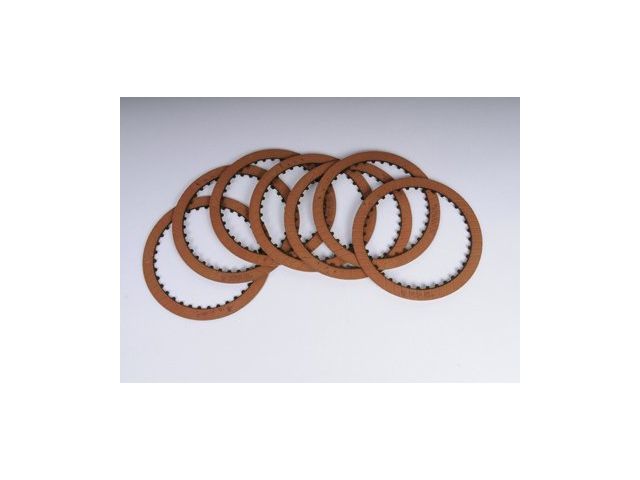
We Have This Part in Stock


The information in this article is provided for general reference and educational purposes only. Vehicle specifications, procedures, and part compatibility can vary by production date, trim level, and region. Always consult your vehicle's factory service manual and verify part numbers before purchasing or performing repairs. Safety-critical components such as airbags, seat belts, and braking systems should be installed by a qualified professional.
- Chevrolet SILVERADO:
- 🧭 Diagnostic Flowchart
- 🎬 Helpful Videos
- 🛍️ Shop This Part
- What's Unique About the 2011-2013 Chevrolet SILVERADO
- Symptoms You May Notice
- Most Likely Causes
- Rare But Worth Checking
- Diagnosis Steps
- Parts You'll Likely Need
- Related Codes That Often Appear With This One
- Technical Service Bulletins (TSBs) & Recalls
- Platform-Specific Known Issues
- Mechanic-Grade Diagnostic Values
- Scan Tool Commands That Help
- Wiring & Ground Locations
- Real Owner Repair Stories
- OEM Part Supersession History
- Model Year Variations Within This Range
- 🎟️ Get 5% Off