

P0731 on 2001-2008 Chevrolet Silverado 2500: Incorrect 1st Gear Ratio Causes and Fixes
P0731 on a Silverado 2500 means the transmission is slipping in 1st gear. The most common causes are low or dirty transmission fluid, or a failing shift solenoid. Start by checking the fluid; if that's okay, a solenoid replacement is a likely next step, though internal mechanical failure is also a strong possibility on these heavy-duty trucks.
- P0731 indicates a 1st gear slip; do not ignore it, as it can lead to severe transmission damage.
- Always check the transmission fluid level and condition first. This is the simplest and most common fix.
- If fluid is okay, the problem is likely a failed shift solenoid or internal wear (clutches).
- Due to the complexity of transmission work, professional diagnosis is highly recommended to avoid unnecessary, expensive repairs.
- The specific transmission in your truck (4L80-E or Allison 1000) will influence the most likely internal cause.
What's Unique About the 2001-2008 Chevrolet SILVERADO 2500
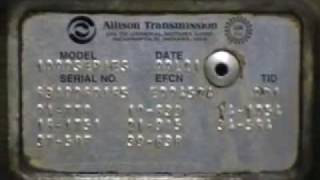
The 2001-2008 Silverado 2500 HD models were typically equipped with either the robust GM 4L80-E or the heavy-duty Allison 1000 automatic transmission. While both are known for durability, they have distinct failure points leading to a P0731 code. On the 4L80-E, worn internal components like the forward clutch pack are a common high-mileage issue. For the Allison 1000, while internally very strong, it can be susceptible to issues with the valve body or, more commonly, a failing C1 clutch pack, especially if fluid maintenance is neglected or the truck is tuned for higher power. A forum thread on DuramaxDiesels.com details an owner's experience with a P0731 on an Allison 1000, where experts immediately pointed to a failing C1 clutch pack as the likely culprit.
Diagnostic Flowchart
Tap your situation to follow the diagnostic path that matches what you're seeing on this vehicle.
Generation note: This range covers the first generation (GMT800, 2001-2007 Classic) and the start of the second generation (GMT900, 2007.5-2008). The primary difference regarding this code is the transmission used. GMT800 models often had the 4L80-E (typically with gas engines), while the Allison 1000 became more common, especially with Duramax diesel engines, in later GMT800s and standard in GMT900 HD trucks. Diagnostic approaches will vary based on the specific transmission.
Symptoms You May Notice
- Check Engine Light is on.
- Delayed or no engagement when shifting into Drive.
- Vehicle feels sluggish or has poor acceleration from a stop.
- Transmission slipping (engine RPMs rise without an increase in speed).
- Harsh or abrupt shifting, sometimes with a 'clunk'.
- Vehicle enters "limp mode," often stuck in a higher gear.
- Whining noise from the transmission, indicating a possible pump issue.
- Reduced fuel economy.
- Replacing the entire transmission when only a shift solenoid or fluid service was needed.
- Replacing speed sensors when the root cause is a mechanical slip due to worn clutches or low fluid pressure.
- Assuming a major internal failure before checking for simpler electrical issues or fluid problems.
Most Likely Causes
- Low or Dirty Transmission Fluid 🔴 High Probability → Shop Transmission Assembly Neglected maintenance is common on work trucks. Dirty, burnt, or low fluid fails to provide adequate hydraulic pressure, causing slipping and preventing proper gear engagement.
How to confirm: Check the transmission fluid dipstick for level and condition. The fluid should be bright red (or the color specified by the manufacturer) and not smell burnt. Dark or metallic-flecked fluid indicates internal wear.
Typical fix: Perform a transmission fluid and filter change. Use the correct fluid type (e.g., DEXRON-VI for most later models, Allison-approved fluid for the Allison 1000).
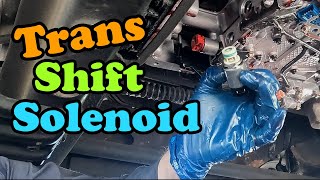
Est. part cost: $50-$150 - Failed Shift Solenoid 🟡 Medium Probability → Shop Transmission Valve Body Solenoids are electro-mechanical valves that wear out over time. In the 4L80-E, there are two primary shift solenoids, 'A' (1-2) and 'B' (2-3). A failure in the 'A' solenoid can cause a P0731. Debris in old fluid can accelerate wear or cause them to stick.
How to confirm: A professional can test the solenoid's resistance with a multimeter or command it on/off with a bi-directional scan tool. This requires dropping the transmission pan. A faulty solenoid will often be accompanied by other codes.
Typical fix: Replace the faulty shift solenoid. For the 4L80-E, it's often recommended to replace both the 'A' and 'B' solenoids at the same time since they wear at a similar rate.
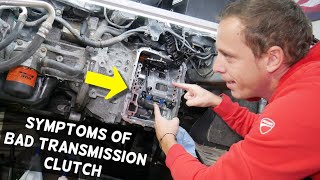
Est. part cost: $50-$250 - Worn Internal Components (Clutch Packs, Bands) 🟡 Medium Probability Particularly on higher mileage 4L80-E transmissions, the friction material on the forward (1st gear) clutch pack 🎬 See common symptoms of worn transmission clutch packs can wear out, causing slippage. On the Allison 1000, this code very commonly points to a failing C1 clutch pack, which is responsible for 1st gear.
How to confirm: This is confirmed through a transmission pressure test and, ultimately, internal inspection. Finding significant clutch material in the transmission pan is a strong indicator.
Typical fix: Requires a partial or complete transmission rebuild to replace the worn clutches and seals.
Est. part cost: $500-$2000+ - Valve Body Issues ⚪ Low Probability → Shop Transmission Valve Body Debris from worn components or old fluid can clog the small passages in the valve body, or the valves themselves can stick, preventing correct fluid pressure from reaching the clutch packs. A forum user with an Allison 1000 was told by a shop that valve body issues can lead to progressive damage causing the P0731 code. 🎬 Watch: Allison 1000 teardown and valve body kit install
How to confirm: A transmission specialist will diagnose this with pressure tests and by inspecting the valve body after removing the transmission pan.
Typical fix: Cleaning the valve body may work, but replacement is often necessary for a reliable repair.
Est. part cost: $300-$800
Rare But Worth Checking
- Faulty Input/Output Speed Sensor: While less common for this specific code, if the TCM receives inaccurate speed readings from either the input or output sensor, it can miscalculate the gear ratio and trigger P0731. This would usually be accompanied by other sensor-specific codes (e.g., P0717).
- Faulty Transmission Control Module (TCM): → Shop Transmission Assembly A failing TCM is rare but possible. It can misinterpret sensor data or fail to command shifts correctly. This is usually the last item to suspect after all mechanical and hydraulic possibilities have been ruled out. Sometimes a software glitch can be fixed with a re-flash.
Diagnosis Steps
- Check the transmission fluid level and condition. If low, top it off. If dark, burnt, or full of debris, a fluid and filter change is the first step, but be aware this may not fix an existing mechanical issue.
- Use an OBD-II scanner to check for any other transmission-related codes that could point to a specific sensor or solenoid.
- Inspect the transmission wiring harness and connectors for any visible damage, corrosion, or loose connections, particularly around the main transmission connector.
- If fluid and wiring are good, a professional should perform a transmission pressure test to check for internal hydraulic leaks or a weak pump. This helps differentiate between a hydraulic and mechanical problem.
- If pressure is low, the next step is to drop the transmission pan to inspect for metal debris (a sign of hard part failure), test shift solenoids with a multimeter, and examine the valve body for scoring or stuck valves.
- If no issues are found in the pan but symptoms persist, the problem is likely deeper inside the transmission, such as worn clutch packs (Forward clutch in 4L80-E, C1 clutch in Allison 1000), requiring a rebuild.
Parts You'll Likely Need
- Transmission Filter and Gasket Kit — The first step in addressing P0731 is often a fluid and filter change, as clogged filters and old fluid are a primary cause.
Trusted brands: ACDelco, Wix, ATP
OEM price range: $40-$80
Aftermarket price range: $20-$50 - 4L80-E Shift Solenoid 'A' (1-2)
(OEM #24230288)— A sticking or failed 1-2 shift solenoid ('A') is a common electrical cause for a P0731 code in the 4L80-E transmission. It is often replaced as a pair with the 'B' solenoid.
Trusted brands: ACDelco, Rostra, Delphi
OEM price range: $40-$70
Aftermarket price range: $20-$50 - Transmission Fluid — Low or incorrect fluid type is a leading cause of transmission problems. Always use the manufacturer-specified fluid (e.g., DEXRON-VI for 4L80-E, an Allison-approved TES-295 or TES-389 fluid).
Trusted brands: ACDelco, Valvoline, Mobil 1
OEM price range: $10-$15 per quart
Aftermarket price range: $8-$12 per quart
Related Codes That Often Appear With This One
- P0700 — P0700 is a generic code indicating the TCM has requested the Check Engine Light. It almost always appears alongside more specific transmission codes like P0731, acting as a 'heads-up' that a transmission fault is present.
- P0732, P0733, P0734 — These codes indicate incorrect gear ratios for 2nd, 3rd, and 4th gear, respectively. If multiple gear ratio codes are present, it points to a more widespread problem like low fluid, a failing pump, a clogged filter, or a major internal failure affecting multiple clutch packs.
Technical Service Bulletins (TSBs) & Recalls
- PIP4379N: Mentions a wide array of transmission codes, including P0731, linked to symptoms like no or delayed engagement. It suggests following published service information for diagnosis, indicating a known pattern of component failure. [⭐ MANUFACTURER TSB — highest authority]
Platform-Specific Known Issues
- The provided Technical Service Bulletin #PIP4379N mentions that a delayed or no engagement into drive or reverse, accompanied by code P0731 (among many others), could indicate a loss of prime in the transmission pump, especially during a cold start. The bulletin stresses the importance of first verifying the correct fluid level using the 'Hot Check' procedure before suspecting more complex issues like a cracked internal suction filter.
Mechanic-Grade Diagnostic Values
- 4L80-E Shift Solenoid 'A' or 'B' Resistance — expected: 20 to 25 Ohms. Failure: A reading of 0 Ohms indicates a short, while an infinite reading (OL) indicates an open circuit.
- Allison 1000 Shift Solenoid Resistance (SS1, SS2, SS3) — expected: 22 Ohms (approx.). Failure: Significant deviation from the expected resistance indicates a failing solenoid coil.
- 4L80-E Line Pressure (Hot Check, Brakes Applied) — expected: Drive (Idle): 40-70 PSI. Drive (Stall): 160-180 PSI. Reverse (Idle): 60-70 PSI. Reverse (Stall): 300-330 PSI.. Failure: Pressures significantly below these ranges indicate a weak pump, clogged filter, or major internal hydraulic leak.
Scan Tool Commands That Help
- GM Tech 2 / High-End Bidirectional Scanner: Solenoid Activation Test — After dropping the transmission pan, a technician can command each shift solenoid on and off to listen for an audible 'click', confirming the solenoid is mechanically functioning. This helps differentiate a stuck solenoid from an electrical fault.
- GM Tech 2 / High-End Bidirectional Scanner: Transmission 'Limp Home' Test (Allison) — To definitively separate an electrical from a hydraulic failure. The Allison troubleshooting manual outlines a procedure where the TCM is disconnected and specific pins are jumped to provide power. If the transmission can then engage 3rd gear and Reverse, the fault is likely electrical (TCM, wiring). If it cannot, the fault is internal hydraulic (clutch, valve body, solenoid).
- GM Tech 2 / High-End Bidirectional Scanner: Live Data Monitoring: Commanded Gear vs. Calculated Ratio — During a test drive, monitoring the commanded gear from the TCM versus the actual gear ratio calculated from the input and output speed sensors can confirm the slip. If the TCM commands 1st gear but the ratio is incorrect, it confirms the P0731 condition is actively occurring.
Wiring & Ground Locations
- G104 — On the left rear of the engine block (driver's side, near firewall).. This is a primary engine-to-chassis ground point. Wiring diagrams for 2004 models show this ground is used by the Engine Control Module (ECM) and, on models with the Allison transmission, the Transmission Control Module (TCM). A poor connection here can cause a host of erratic electronic issues, including faulty sensor readings and incorrect module behavior.
- G101 / G102 — G101 is on the lower left front of the engine block. G102 is on the right side of the engine block (diesel) or left side (gas, non-4.3L).. These are major grounds for the engine and transmission control systems. One source indicates G101 grounds the ECM and TCM. A loose or corroded ground at these locations can lead to voltage drops and unpredictable behavior from the control modules, potentially causing incorrect fault codes.
- Engine Harness Chafe Point — The engine wiring harness where it passes the black metal ECM/TCM bracket, the driver's side upper control arm, and the shock tower.. NHTSA documents and TSBs for similar GM trucks identify these as common areas where engine vibration causes the harness to rub through. This can short out critical wires for the transmission sensors or solenoids, leading directly to fault codes like P0731 and erratic shifting.
- TCM Harness (Allison) — On GMT800 models, the TCM is on the radiator fan shroud. The harness routes from the left front of the engine, under the upper radiator hose, to the module.. A report on iATN documented a case where a loose cable tie allowed the TCM harness to contact the serpentine belt, chafing through the wiring and causing transmission faults. Ensuring this harness is properly secured is a critical visual inspection point.
Real Owner Repair Stories
- LS1Tech & BobIsTheOilGuy Forum Experts (Chevrolet/GMC trucks with 4L80-E transmission) — No forward movement, burnt transmission fluid, P0731 code, or finding the forward clutch pack is completely burned during a teardown.
❌ Tried (didn't work) Replacing only the burnt clutch friction plates and steels without addressing the root cause.
✅ What actually fixed it The root cause was identified as a hydraulic leak within the forward clutch drum circuit. The fix required disassembling the drum and addressing worn sealing ring lands (the grooves inside the drum where the input shaft sealing rings ride). Over time, these lands develop grooves, allowing high-pressure fluid to leak past, preventing the clutch from fully applying, which causes slipping and rapid burning of the friction material. The permanent fix involves either replacing the forward clutch drum or, in some cases, machining the bore and using oversized seals.
"I Checked Everything" — The Actual Cause
- In 4L80-E transmissions, a technician may find that all external wiring, sensors, and solenoids test perfectly, yet the P0731 code persists and first gear slips. The hidden cause is often mechanical wear inside the forward clutch drum. The Teflon sealing rings on the input shaft wear grooves into the drum's inner bore. This creates an internal hydraulic leak that bleeds off the pressure needed to apply the forward clutch pack. The leak is not detectable with external pressure gauges or electrical tests, but it results in the clutch pack slipping and burning up, which is the direct cause of the P0731 code. The only confirmation is a full teardown and inspection of the drum.
OEM Part Supersession History
24230288→24230288 (current)— This part number for the 4L80-E 1-2 Shift Solenoid ('A' Solenoid) appears to be a stable, long-standing OE part number from GM.
Heads up: While the part number is stable, earlier 4L80-E models (pre-1994) used different shift solenoids. However, for the 2001-2008 range, 24230288 is the correct ACDelco/GM Genuine part.
Model Year Variations Within This Range
- 2001-2005 vs 2006-2008 (Allison): Early Allison 1000 transmissions used an external Neutral Start Back-Up (NSBU) switch on the side of the case. Around 2006, this was replaced with an Internal Mode Switch (IMS) located inside the transmission pan next to the valve body. While they perform the same function, their diagnosis and replacement procedures are completely different.
- 2001-2007 (GMT800) vs 2007.5-2008 (GMT900): The introduction of the GMT900 platform brought the 6-speed Allison 1000. With this change, the external Transmission Control Module (TCM) located on the fan shroud was eliminated, and its functions were integrated into a new TCM (T43) mounted directly on top of the valve body inside the transmission. This significantly impacts troubleshooting for any electrical issues.
Helpful Videos
We Have This Part in Stock

The information in this article is provided for general reference and educational purposes only. Vehicle specifications, procedures, and part compatibility can vary by production date, trim level, and region. Always consult your vehicle's factory service manual and verify part numbers before purchasing or performing repairs. Safety-critical components such as airbags, seat belts, and braking systems should be installed by a qualified professional.
- Chevrolet SILVERADO 2500:
- 🧭 Diagnostic Flowchart
- 🎬 Helpful Videos
- 🛍️ Shop This Part
- What's Unique About the 2001-2008 Chevrolet SILVERADO 2500
- Symptoms You May Notice
- Most Likely Causes
- Rare But Worth Checking
- Diagnosis Steps
- Parts You'll Likely Need
- Related Codes That Often Appear With This One
- Technical Service Bulletins (TSBs) & Recalls
- Platform-Specific Known Issues
- Mechanic-Grade Diagnostic Values
- Scan Tool Commands That Help
- Wiring & Ground Locations
- Real Owner Repair Stories
- "I Checked Everything" — The Actual Cause
- OEM Part Supersession History
- Model Year Variations Within This Range
- 🎟️ Get 5% Off