

P0731 on 2009-2010 Chevrolet Silverado 2500: Gear 1 Incorrect Ratio Causes and Fixes
P0731 on a 2009-2010 Silverado 2500 means the transmission is slipping in first gear. The most common causes are low or burnt transmission fluid, but it often points to a more serious internal issue like a failed clutch pack, a broken 1-2-3-4 clutch wave plate, or a faulty component in the valve body, especially in the 6L80/6L90 transmission. This is a serious code that requires professional diagnosis.
- P0731 indicates a serious internal transmission slip in first gear and should not be ignored.
- Always start diagnosis by checking the transmission fluid level and condition, as this is the simplest potential fix.
- This code rarely points to a bad sensor; it usually indicates a mechanical or hydraulic failure inside the transmission.
- Due to the complexity and high cost of potential repairs (rebuild or replacement), professional diagnosis is strongly recommended before purchasing any parts.
What's Unique About the 2009-2010 Chevrolet SILVERADO 2500
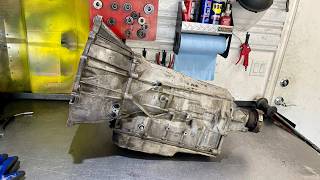
The 2009-2010 Silverado 2500 often uses the heavy-duty 6-speed 6L90 automatic transmission (RPO code MYD). While robust, these units are known for specific failures that trigger a P0731 code. A notorious issue is the failure of the 1-2-3-4 clutch wave plate, which can break apart and send metal fragments through the transmission, causing widespread damage. Another common failure point is the torque converter, which can shed debris that clogs the valve body and the integrated Transmission Electro-Hydraulic Control Module (TEHCM), leading to pressure loss and slipping. A notable TSB (#PIP4379N) from Chevrolet links this code to a range of engagement problems, suggesting a pattern of internal hydraulic or mechanical failures rather than simple sensor issues.
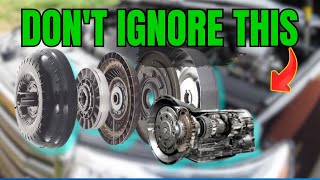
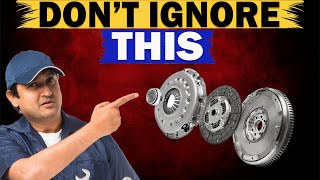
🎬 Watch: Common 6L90 problems that lead to transmission destruction.Diagnostic Flowchart
Tap your situation to follow the diagnostic path that matches what you're seeing on this vehicle.
Symptoms You May Notice
- Delayed or no engagement into Drive or Reverse. [TSB #PIP4379N, 24]
- Vehicle has trouble accelerating from a stop.
- Transmission slipping, where engine RPMs rise without a corresponding increase in speed.
- Harsh or abrupt shifting, sometimes with a clunk.
- Check Engine Light or transmission warning light is on.
- Vehicle enters 'limp mode', often getting stuck in a single gear (like 2nd or 3rd).
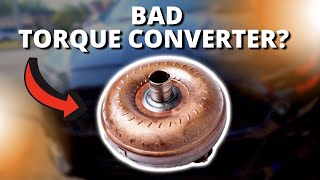
- A shuddering feeling, as if driving over rumble strips, 🎬 Watch: 10 common symptoms of a failing torque converter. can indicate torque converter failure.
- Replacing the input or output speed sensors. While these sensors report the problem, they are rarely the cause of a P0731 code. The issue is almost always mechanical or hydraulic slip, which the sensors are correctly detecting.
Most Likely Causes
- Low or Burnt Transmission Fluid 🔴 High Probability → Shop Transmission Assembly Heavy-duty use can lead to higher transmission temperatures, accelerating fluid breakdown. Low fluid levels starve the hydraulic system of the pressure needed to engage clutches. TSB #PIP4379N specifically notes that low fluid can cause this code, especially in cold weather.
How to confirm: Check the transmission fluid dipstick with the engine running and transmission warm (around 175°F). The fluid should be at the correct level, bright red, and not smell burnt. Dark, metallic, or burnt-smelling fluid indicates a more serious internal problem.
Typical fix: Perform a transmission fluid and filter change using the manufacturer-specified fluid (DEXRON-VI). If the fluid is heavily contaminated, this is a sign of a deeper issue.
Est. part cost: $50-$150 - Worn/Broken Internal Transmission Components (Clutch Packs, Wave Plates) 🔴 High Probability → Shop Transmission Assembly The 6L90 is known for failures of the 1-2-3-4 clutch wave plate, which can fracture and cause a loss of first gear. Additionally, the 1-2-3-4 apply piston itself is a known weak point that can crack, leading to a loss of hydraulic pressure for that clutch pack. Heavy use accelerates wear on all clutch friction materials.
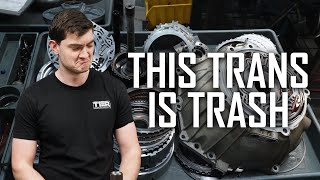
How to confirm: This is confirmed by finding excessive clutch material or broken metal pieces (from the wave plate) in the transmission pan during a fluid service. Definitive diagnosis requires transmission disassembly. 🎬 See a 6L90 teardown and inspection of internal damage.
Typical fix: The transmission must be removed and rebuilt with new clutches, steels, seals, and an updated, stronger wave plate design. Often, a full rebuild or replacement is the most effective route.
Est. part cost: $800-$4500 - Faulty TEHCM (Valve Body and Solenoids) 🟡 Medium Probability → Shop Transmission Valve Body The Transmission Electro-Hydraulic Control Module (TEHCM) combines the valve body, solenoids, and TCM into one unit. Debris from a failing torque converter or normal wear can clog solenoid screens or cause valves to stick, preventing proper hydraulic pressure delivery for first gear. The TEHCM's internal pressure switches are also a common failure point.
How to confirm: A professional scan tool can command the solenoids and monitor pressure switch data. Inspecting the valve body for scoring and debris requires removing the transmission pan.
Typical fix: Replace the entire TEHCM assembly. This part must be programmed to the vehicle's VIN after installation. The OEM part number for the TEHCM is often cited as 24256861, but always verify with the vehicle's VIN.
Est. part cost: $400-$900 - Failing Torque Converter 🟡 Medium Probability → Shop Automatic Transmission Torque Converter The torque converter clutch (TCC) in the 6L80/6L90 is a well-documented failure point. The TCC can fail and shed its friction material, sending abrasive, metallic debris throughout the entire transmission. This debris clogs the filter, TEHCM, and cooler lines, leading to widespread pressure loss and slipping.
How to confirm: A mechanic can perform a torque converter stall test. The most common sign is finding a large amount of fine, silvery, metallic paste on the transmission pan magnet. A P0741 code (TCC Stuck Off) is often seen alongside P0731.
Typical fix: Replace the torque converter and perform a complete transmission fluid flush of the cooler and lines to remove all contaminants. This is often done as part of a full transmission rebuild, as the debris usually damages other components.
Est. part cost: $400-$1200
Rare But Worth Checking
- Faulty Transmission Control Module (TCM): → Shop Transmission Assembly On 6L90 transmissions, the TCM is integrated into the TEHCM. An electronic failure within the module can cause incorrect commands or misinterpretation of sensor data. This should only be considered after all mechanical and hydraulic causes have been ruled out.
- Damaged Wiring or Connectors: An open or short in the wiring to a speed sensor or the main transmission connector can mimic a component failure. A visual inspection of the harness leading to the transmission is a worthwhile check.
Diagnosis Steps
- Check the transmission fluid level and condition. This is the most critical first step.
- Use an OBD-II scanner to check for any other transmission-related codes that could provide more context, especially P0700, P0741, or other gear ratio codes.
- With a professional scan tool, monitor live data from the input and output speed sensors to confirm they are reading correctly and to observe the slip in real-time.
- Inspect the wiring harness and connectors going to the transmission for any visible damage, corrosion, or loose connections.
- Perform a transmission fluid pressure test to check for hydraulic issues. Low pressure points to a clogged filter, worn pump, or major internal leaks.
- Drop the transmission pan to inspect for excessive metal shavings, clutch material, or pieces of a broken wave plate. A pan full of silvery paste points to torque converter failure.
- If debris is found, the source must be identified. If the pan is relatively clean, the issue may be isolated to the TEHCM, which can be tested or inspected for sticking valves.
- If the TEHCM and valve body are functional, the issue is likely with the clutch packs, seals, or torque converter, requiring transmission removal for a rebuild or replacement.
Parts You'll Likely Need
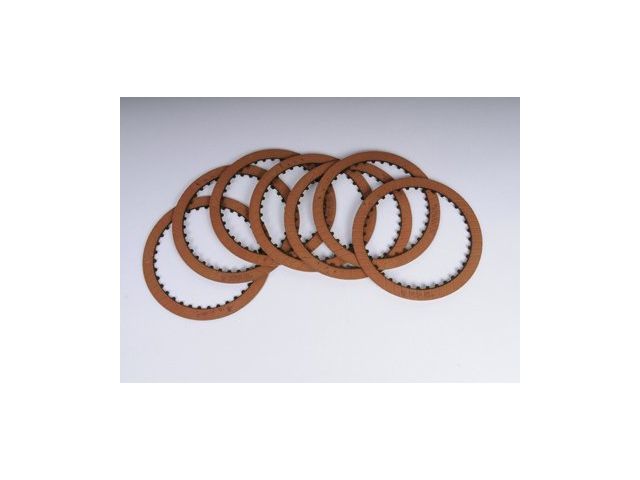
- Transmission Rebuild Kit — If internal wear or a broken wave plate is the cause, a complete rebuild kit including updated clutches, steels, seals, and pistons is necessary to restore the transmission.
Trusted brands: ACDelco, Alto, Transtar, Tier One
OEM price range: $500-$900
Aftermarket price range: $300-$700 - Remanufactured Transmission — For severe internal damage (e.g., from torque converter debris) or to save on labor time, replacing the entire transmission is often the most reliable and time-efficient repair.
Trusted brands: Jasper, Monster Transmission, ACDelco
OEM price range: $3500-$5000
Aftermarket price range: $2500-$4500 - Transmission Electro-Hydraulic Control Module (TEHCM)
(OEM #24256861)— If diagnosis points to a failed solenoid, pressure switch, or internal TCM logic, the entire TEHCM must be replaced as a unit. It requires VIN-specific programming after installation.
Trusted brands: ACDelco, Dorman
OEM price range: $500-$900
Aftermarket price range: $400-$700 - Torque Converter — If the torque converter clutch has failed and contaminated the system, it must be replaced. This is almost always done during a transmission rebuild.
Trusted brands: ACDelco, Precision of New Hampton, Transtar
OEM price range: $500-$1200
Aftermarket price range: $400-$800
Related Codes That Often Appear With This One
- P0700 — This is a generic code that simply means the Transmission Control Module (TCM) has stored a fault code and has requested the main Check Engine Light to be turned on.
- P0732, P0733, P0734, etc. — These codes indicate incorrect gear ratios for other gears. When seen with P0731, it points to a widespread issue like a broken 1-2-3-4 wave plate, low fluid, a failing transmission pump, or a major internal failure affecting multiple clutch packs.
- P0751, P0756, P0776 — These codes point to faults with specific shift solenoids. [TSB #PIP4379N] Their presence with P0731 helps pinpoint the issue to the hydraulic control circuit within the TEHCM.
- P0741 — Torque Converter Clutch Circuit Performance or Stuck Off. This is a strong indicator that the torque converter is failing and is likely the source of contamination causing the P0731 slip code.
Technical Service Bulletins (TSBs) & Recalls
- TSB #PIP4379N: This bulletin covers a wide range of GM trucks and transmission codes, including P0731. It suggests that delayed engagement or no engagement issues can be caused by a loss of pump prime, especially after a fluid service or in cold weather, and points to low fluid level as a primary check.
Platform-Specific Known Issues
- 1-2-3-4 Clutch Wave Plate Failure: A well-documented weak point in early 6L80/6L90 transmissions is the wave plate for the 1-2-3-4 clutch pack. It is prone to breaking into pieces. When it fails, it can no longer apply pressure to the clutch pack, causing a slip in gears 1-4 and setting codes like P0731. The metal fragments from the broken plate then circulate through the transmission, causing catastrophic damage to the valve body, pump, and other components.
- Torque Converter Clutch (TCC) Disintegration: → Shop Automatic Transmission Torque Converter The TCC material is known to fail and delaminate, sending a fine, metallic paste throughout the transmission fluid. This debris clogs the transmission filter, the small orifices in the TEHCM/valve body, and the transmission cooler. The result is a loss of hydraulic pressure, overheating, and slipping, which commonly triggers P0731. This is why a simple torque converter swap is often insufficient; the entire system is contaminated and must be flushed or rebuilt.
Mechanic-Grade Diagnostic Values
- TEHCM Shift Solenoid (On/Off type) Resistance — expected: 20-40 Ohms. Failure: A reading outside this range indicates a failed solenoid coil, requiring TEHCM replacement.
- TEHCM Pressure Control Solenoid (PWM type) Resistance — expected: 3-8 Ohms. Failure: A reading outside this range points to a failed solenoid, requiring TEHCM replacement.
- Transmission Pump Slide Spring Clearance — expected: ≥ 0.020 inches. Failure: Less than 0.020" can cause the slide to react slowly, leading to erratic line pressure and shift issues.
- Transmission Pump Rotor & Slide End Clearance — expected: 0.0008–0.002 inches. Failure: Incorrect clearance indicates excessive wear or improper assembly of the transmission pump, affecting line pressure.
Hidden / Shadow Codes Worth Checking
- P1825: Internal Mode Switch Invalid Range. This code indicates the TCM is receiving a logically impossible combination of signals from the internal mode switch (IMS), which reports the position of the manual gear selector. This can point directly to a failure of the switch assembly inside the transmission. (see via A professional scan tool like the GM GDS2/Tech2 is typically required to see this manufacturer-specific code.)
Scan Tool Commands That Help
- GM GDS2 / Tech2: Solenoid Performance Test / Solenoid Valve State — This bidirectional control commands individual shift solenoids on and off to verify their electrical and mechanical response. It helps isolate a faulty solenoid within the TEHCM without removing the transmission pan.
- GM GDS2 / Tech2: Gear Ratio Test — Allows a technician to command the transmission to hold a specific gear while monitoring input and output speed sensors. This can confirm the exact percentage of slip in first gear and rule out sensor reporting errors.
- GM GDS2 / Tech2: Transmission Fluid Pressure (TFP) Switch Status — Used in conjunction with the Internal Mode Switch Logic table to verify that the pressure switches are reporting the correct states for each gear position. A mismatch can indicate a faulty TFP switch in the TEHCM or a hydraulic leak.
- GM GDS2 / Tech2: Solenoid Cleaning Procedure — After setting the vehicle in Park, this automated function cycles all solenoids to flush potential debris from their circuits. This can be used as a diagnostic step to see if a temporary blockage was causing a solenoid performance code.
Wiring & Ground Locations
- Engine Harness Chafe Point 1 — Against the sharp edge of the black ECM/TCM bracket in the driver's side engine bay.. Vibration and engine roll can cause the engine wiring harness to rub through on this bracket, potentially shorting circuits related to transmission control, sensor data, or power, leading to erratic behavior and codes like P0731.
- Engine Harness Chafe Point 2 — Contact with the driver's side upper control arm.. As the suspension cycles, the harness can chafe against the upper control arm, causing intermittent shorts that are difficult to diagnose when the vehicle is stationary. This can affect communication between the TCM and other modules.
- Engine Harness Chafe Point 3 — At the driver's side shock tower bolt or harness canal.. The harness can be damaged by contact with the shock tower hardware, leading to faults in any of the circuits routed through that section of the harness.
- Main Transmission Connector (16-pin) — On the passenger side of the transmission case. Access may require removing an accumulator housing. The connector is removed from the case by depressing locking tabs with a 32mm socket from the top.. This is the single point of connection for all electronic signals to and from the TEHCM. Corrosion, fluid intrusion (wicking), or damaged pins here will cause multiple transmission faults, including P0731.
Real Owner Repair Stories
- YouTube video, 'GM 6L90 Transmission Swap' (2010 GMC Sierra 2500 HD (same platform/transmission)) — Transmission failure requiring replacement.
❌ Tried (didn't work) Attempting to install a used 6L90 transmission that appeared identical.
✅ What actually fixed it The replacement transmission had a 4-inch tail shaft housing, while the original 2010 unit had a 5-inch housing, making it incompatible. The final fix required disassembling both the original and replacement transmissions to build one correct, functional unit using the correct case and tail housing. This highlights critical, undocumented running changes in hardware.
"I Checked Everything" — The Actual Cause
- A common pattern for 6L80/6L90 transmissions is setting solenoid performance codes (e.g., P0751, P2723) alongside P0731. Technicians may replace the expensive TEHCM assuming the solenoids are bad, even if the pan is clean. However, the actual cause is often mechanical wear in the valve body that the TEHCM is attached to. Worn check ball seats on the separator plate or sticking regulator valves in the valve body bores can cause hydraulic leaks that prevent a clutch from applying correctly. The TCM correctly identifies the resulting gear ratio error and flags the solenoid responsible for that circuit, but the solenoid itself is not the root cause.
OEM Part Supersession History
Varies by year→Varies by year— Hardware and software revisions to address reliability issues.
Heads up: TEHCMs are NOT interchangeable between model years or even sometimes within the same year. They are programmed with a specific hardware and software 'Tag ID'. Installing a TEHCM with the wrong Tag ID for the vehicle's VIN will result in immediate limp mode or a no-start condition.24224147 (Friction Plate), 24232499 (Steel Plate)→Updated kits often use stronger, non-wavy plates. Aftermarket examples include Raybestos GPZ565 (Friction) and Raybestos 511188 (Steel).— The original 1-2-3-4 clutch wave plate was prone to fracturing. Updated rebuild kits often replace the failure-prone wavy plate design.
Model Year Variations Within This Range
- 2009-2010: The 6L90 (RPO MYD) transmission underwent running changes. The tail shaft housing length and even the profile of the main case can differ, making direct swaps of used transmissions risky. A 2010 model may have a 5-inch tail housing, while another unit may have a 4-inch version, which will not fit without extensive parts swapping.
- 2009-2010: The 6L90 is physically larger and stronger than the 6L80 sometimes found in lighter-duty trucks. The 6L90 is 1-3/8 inches longer, features a different output shaft (29-spline for most 4WD trucks vs. 32-spline on the 6L80), and has approximately 25% different internal components to handle higher torque.
Helpful Videos
We Have This Part in Stock

The information in this article is provided for general reference and educational purposes only. Vehicle specifications, procedures, and part compatibility can vary by production date, trim level, and region. Always consult your vehicle's factory service manual and verify part numbers before purchasing or performing repairs. Safety-critical components such as airbags, seat belts, and braking systems should be installed by a qualified professional.
- Chevrolet SILVERADO 2500:
- 🧭 Diagnostic Flowchart
- 🎬 Helpful Videos
- 🛍️ Shop This Part
- What's Unique About the 2009-2010 Chevrolet SILVERADO 2500
- Symptoms You May Notice
- Most Likely Causes
- Rare But Worth Checking
- Diagnosis Steps
- Parts You'll Likely Need
- Related Codes That Often Appear With This One
- Technical Service Bulletins (TSBs) & Recalls
- Platform-Specific Known Issues
- Mechanic-Grade Diagnostic Values
- Hidden / Shadow Codes Worth Checking
- Scan Tool Commands That Help
- Wiring & Ground Locations
- Real Owner Repair Stories
- "I Checked Everything" — The Actual Cause
- OEM Part Supersession History
- Model Year Variations Within This Range
- 🎟️ Get 5% Off