

P0731 on 2003-2007 GMC Sierra Denali: Gear 1 Incorrect Ratio Causes and Fixes
P0731 on a GMC Sierra Denali most often indicates internal transmission slipping in first gear, commonly caused by low/dirty transmission fluid or a failing shift solenoid. Checking the fluid is the first step; if the fluid is healthy, internal repairs are likely needed. A complete loss of 1st gear often points to a failed forward sprag or worn forward clutch pack.
- P0731 means your transmission is slipping in first gear.
- Always check the transmission fluid level and condition first; it's the easiest and most common fix.
- This code on a 2003-2007 Sierra Denali is a serious issue that can leave you stranded or cause severe transmission damage if ignored.
- Beyond a fluid change, repairs like replacing solenoids or rebuilding the transmission require significant expertise and are best left to a professional.
- Do not replace speed sensors unless you have specific codes for them, as the P0731 code itself is usually a mechanical or hydraulic problem.
What's Unique About the 2003-2007 Gmc SIERRA DENALI
The 2003-2007 Sierra Denali uses the 4L60E or the more robust 4L65E automatic transmission. These are well-known units, and code P0731 is a very common fault that often points to specific internal failures. It's frequently a precursor to a transmission rebuild, often stemming from wear in the forward clutch pack or a broken forward sprag assembly. GM has issued Technical Service Bulletins (TSBs) like #PIP4379M that group P0731 with other transmission codes, pointing towards common internal hydraulic and mechanical failures rather than simple sensor issues.
Diagnostic Flowchart
Tap your situation to follow the diagnostic path that matches what you're seeing on this vehicle.
Generation note: This range covers two generations of the GMC Sierra. The 2003-2006 models are part of the first-generation Sierra ('GMT800' platform), while the 2007 model year was a split, introducing the second-generation ('GMT900' platform). Both generations in this range primarily used the 4L60E or 4L65E transmission, so the causes and fixes for P0731 are largely identical. The 4L65E, often found in Denali models, features a stronger 5-pinion planetary gear set compared to the 4L60E's 4-pinion set, but is still susceptible to the same core failures. A key difference is that GMT800 trucks use the Powertrain Control Module (PCM) to control the transmission, while 2007+ GMT900 trucks have a separate Transmission Control Module (TCM).
Symptoms You May Notice
- Check Engine Light is on
- Delayed or no engagement when shifting into Drive.
- Vehicle hesitates or has very poor acceleration from a stop.
- Transmission feels like it's slipping; engine RPMs rise but the truck doesn't speed up accordingly.
- Harsh or clunking shifts into or out of first gear.
- Transmission may go into 'limp mode,' getting stuck in 2nd or 3rd gear.
- Grinding or whining noises during low-speed shifts or acceleration.
- Replacing the speed sensors when no speed sensor codes are present. The ratio code is usually a symptom of a real mechanical or hydraulic slip, not a bad sensor reading.
- Replacing the entire transmission without first confirming the fluid level and condition, which is a simple and inexpensive check. 🎬 Watch: A quick breakdown of P0731 causes and potential fixes.
- Replacing only the 1-2 shift solenoid when the pan is full of excessive clutch material. The debris indicates a larger internal failure that will quickly cause the new solenoid to fail or the problem to persist.
Most Likely Causes
- Low or Contaminated Transmission Fluid 🔴 High Probability → Shop Transmission Assembly Leaks from cooler lines, pan gaskets, or seals are common as these trucks age. Fluid breakdown over 100,000+ miles is also frequent if not serviced. Burnt or debris-filled fluid can clog passages and prevent proper hydraulic pressure.
How to confirm: Check the transmission fluid dipstick with the engine running and transmission warm. The fluid should be at the correct level, bright red, and not smell burnt. Dark brown or black fluid with metal particles is a sign of internal damage.
Typical fix: If low, top off with DEXRON-VI fluid and check for leaks. If dirty or burnt, perform a fluid and filter change. Be aware that a fluid change may not fix a pre-existing mechanical failure.
Est. part cost: $50-$150 - Failing 1-2 Shift Solenoid 🟡 Medium Probability → Shop Transmission Valve Body Solenoids are electro-mechanical valves that wear out over time. Debris in old fluid can also cause them to stick or fail, preventing the valve body from directing fluid to engage 1st gear.
How to confirm: A professional mechanic can command the solenoid on and off with a bi-directional scan tool. It can also be tested for correct resistance (typically 20-30 ohms) with a multimeter after removing the transmission pan.
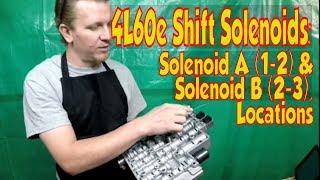
Typical fix: Replace the faulty solenoid. Both the 1-2 ('A') and 2-3 ('B') shift solenoids are identical and often replaced as a pair while the pan is off. 🎬 Watch: See the exact locations of the A and B shift solenoids.
Est. part cost: $40-$80 - Worn Internal Components (Forward Clutch Pack / Sprag) 🔴 High Probability This is a very common failure point in the 4L60E/4L65E. The forward sprag assembly, which holds for 1st gear, can break. The friction plates in the forward clutch pack also wear out, especially in a heavy vehicle like the Sierra Denali. This results in a slip that the computer detects as a ratio error.
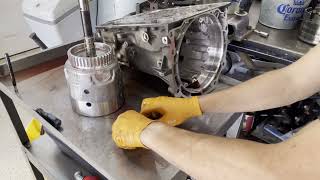
How to confirm: This is a diagnosis of exclusion. If fluid and solenoids are good, but slipping is confirmed with a scan tool showing a high gear ratio error, internal wear is the cause. A pressure test may also show low pressure in the first gear circuit. A key symptom is often a complete loss of forward engagement from a stop, but manual 2nd or 3rd may still work. 🎬 Watch: Diagnosing a 4L60E with no movement in drive.
Typical fix: The transmission must be removed and rebuilt, replacing all worn clutches, steels, seals, and bands. The forward sprag should be inspected and replaced.
Est. part cost: $300-$700 for a quality rebuild kit - Worn or Sticking Valve Body ⚪ Low Probability → Shop Transmission Valve Body Debris from normal wear can score bores and cause valves to stick within the valve body, preventing correct hydraulic pressure from reaching the clutch packs. The TCC regulator valve bore is a known weak point that can cause pressure loss.
How to confirm: A transmission specialist can inspect the valve body for wear and test its function once removed from the transmission. Vacuum testing the valve bores is a common method.
Typical fix: The valve body can sometimes be cleaned and repaired with oversized valves or reaming kits (e.g., Sonnax 77754-04K for the TCC bore). Often, a remanufactured or new valve body is a more reliable solution.
Est. part cost: $250-$500
Rare But Worth Checking
- Faulty Input or Output Speed Sensor: While possible, this is less common for an isolated P0731 code on this platform. A failing speed sensor will typically set its own specific trouble code (like P0715 or P0720) alongside the ratio code.
- Failing Transmission Oil Pump: → Shop Transmission Assembly A weak pump will cause low line pressure across all gears, usually resulting in multiple gear ratio codes (P0731, P0732, etc.) and more severe shifting problems.
- Cracked Forward Piston: A hairline crack in the forward clutch apply piston can cause a pressure leak that is only significant enough to cause a slip in 1st gear initially, but will worsen over time. This requires transmission removal to diagnose and repair.
Diagnosis Steps
- Check the transmission fluid level and condition with the engine running and transmission warm.
- If fluid is low, top it off, clear the code, and test drive. If the code returns, check for leaks.
- If fluid is dark, burnt, or full of debris, perform a transmission fluid and filter change. Note if significant metal shavings are in the pan, which indicates a severe internal failure.
- Using a professional scan tool, monitor the live data for Input Speed Sensor RPM and Output Speed Sensor RPM while in first gear. A large discrepancy confirms the slip.
- Inspect wiring and connectors to the transmission for any visible damage or corrosion.
- If the slip is confirmed, the next step is to drop the transmission pan to inspect for excessive metal debris and to access the shift solenoids.
- Test the resistance of the 1-2 shift solenoid (Solenoid 'A'). It should be between 20-30 ohms. If it is out of specification, replace it.
- If solenoids and wiring are good, perform a transmission line pressure test. Low pressure in Drive points to a failing pump or internal leaks.
- If all other tests pass, the cause is internal mechanical wear (clutches, sprag, seals), requiring a transmission rebuild or replacement.
Parts You'll Likely Need
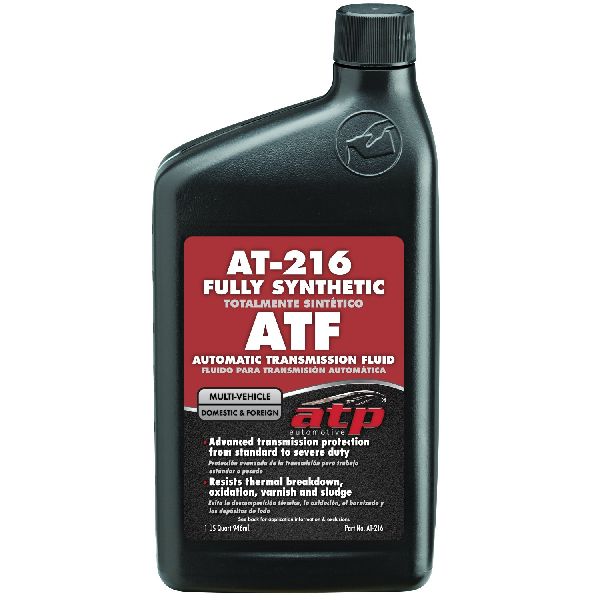
- Automatic Transmission Fluid
(OEM #ACDelco 10-9395 (DEXRON-VI))— Low or degraded fluid is a primary cause of slipping and this code.
Trusted brands: ACDelco DEXRON-VI
OEM price range: $10-$15 per quart
Aftermarket price range: $8-$12 per quart - Transmission Filter Kit (Filter and Pan Gasket)
(OEM #ACDelco 24208576)— Replaced during a fluid service to ensure proper fluid flow and to inspect the pan for debris.
Trusted brands: ACDelco, Wix, ATP
OEM price range: $30-$50
Aftermarket price range: $20-$40 - 1-2 Shift Solenoid (A)
(OEM #ACDelco 24298856)— This solenoid controls the hydraulic circuit for first gear. It can fail electrically or become clogged with debris, causing a slip.
Trusted brands: ACDelco, Rostra
OEM price range: $25-$40
Aftermarket price range: $15-$30 - Transmission Rebuild Kit — If internal clutches or the forward sprag have failed, a complete rebuild is necessary. Kits include new friction plates, steel plates, seals, gaskets, and often updated components.
Trusted brands: Transtar, Alto, Precision International
OEM price range: N/A
Aftermarket price range: $300-$700
Related Codes That Often Appear With This One
- P0700 — P0700 is a generic code that simply means the Transmission Control Module (TCM) has requested the Check Engine Light to be turned on. It will almost always be present with any specific transmission code like P0731.
- P0732, P0733, P0734 — If you see incorrect ratio codes for other gears, it points to a more widespread problem like very low fluid, a failing transmission pump, or major internal failure, rather than an issue specific to the first gear circuit.
- P1870 — This code indicates transmission component slipping and is often caused by a worn TCC regulator valve bore in the valve body. This pressure loss can also contribute to setting a P0731.
Technical Service Bulletins (TSBs) & Recalls
- PIP4379M: Addresses conditions of no engagement, delayed engagement, or various transmission DTCs including P0731, suggesting a follow-up with published service information for internal diagnostics.
Platform-Specific Known Issues
- The Inevitable Rebuild Story: A common story found across many owner forums for the GMT800/900 trucks goes like this: The truck, usually with over 120,000 miles, suddenly throws a P0731 code. The owner first checks the fluid, which might be slightly dark but not alarmingly low. They then replace the 1-2 and 2-3 shift solenoids as it's a relatively cheap and easy fix. The code may clear for a short time, but it inevitably returns. After taking it to a transmission shop, the diagnosis is almost always a worn forward clutch pack and/or a failed forward sprag. The shop quotes a rebuild for $2000-$3500, which resolves the issue permanently. This pattern highlights that while solenoids can be a cause, on higher mileage 4L60E/4L65E transmissions, P0731 is very frequently the first sign of a needed rebuild.
Mechanic-Grade Diagnostic Values
- Transmission Line Pressure at Idle (in Park or Drive) — expected: 55-70 PSI. Failure: Pressure below 55 PSI indicates a potential issue with the pump, a clogged filter, or a significant internal leak.
- Transmission Line Pressure at Wide Open Throttle (WOT) Stall — expected: 170-190 PSI (stock). Failure: Pressure significantly below 170 PSI suggests a worn pump, a failing EPC (Electronic Pressure Control) solenoid, or a worn pressure regulator boost valve.
- 1-2 Shift Solenoid Resistance — expected: 20-40 Ohms. Failure: A reading outside this range indicates a failed solenoid coil.
Scan Tool Commands That Help
- Tech2 / GDS2: Output Control > Shift Solenoid A/B Command — This bidirectional command allows a technician to manually energize and de-energize the 1-2 and 2-3 shift solenoids while the engine is running and the transmission is in drive (with wheels off the ground). By monitoring line pressure or listening for a click from the transmission pan, you can verify if the solenoid is functioning electrically and mechanically, helping to isolate a bad solenoid from a wiring or valve body issue.
Wiring & Ground Locations
- G103 — On the right rear of the engine block.. This is a primary ground for the Powertrain Control Module (PCM) on GMT800 models. A poor connection here can cause erratic sensor readings and incorrect transmission control commands, potentially leading to false ratio codes.
- G104 — On the left rear of the engine block.. Another critical engine-to-chassis ground. Ensuring all major grounds are clean and tight is a crucial first step in diagnosing any electronic transmission issue.
- Transmission Main Connector — On the passenger side of the transmission case.. This round connector is the main interface between the vehicle's wiring harness and the transmission's internal components, including all solenoids and sensors. Pin A (1-2 Shift Solenoid) and Pin B (2-3 Shift Solenoid) can be tested here for control signals from the PCM/TCM.
Real Owner Repair Stories
- LS1Tech forum user (GMC Sierra with 4L60E) — P0731 code with no 1st or 4th gear.
❌ Tried (didn't work) Replacing the 1-2 shift solenoid.
✅ What actually fixed it A full transmission rebuild was performed. The root cause was discovered to be a broken forward sprag assembly, a common failure point that prevents first gear from engaging. - LS1Tech forum user (Chevrolet Silverado with 4L60E) — Low line pressure in all gears (40 PSI in Park, 35 in Reverse), delayed and harsh engagement into gear, TCC cycling at highway speeds.
❌ Tried (didn't work) Replacing all solenoids (three times)., Installing a Transgo boost valve., Installing an oversized pressure regulator valve., Replacing the pressure manifold switch and internal harness.
✅ What actually fixed it The owner disassembled the transmission and found the separator plate was severely worn by the checkballs. Replacing the separator plate and gaskets resolved the internal pressure leaks and fixed the shifting issues.
OEM Part Supersession History
ACDelco 24236933 (Shift Solenoid)→ACDelco 24298856— Updated design and materials for improved durability and performance.
Heads up: The parts are interchangeable. The original solenoids were often black, while the updated parts may be a different color. It is best practice to replace both the 1-2 and 2-3 solenoids at the same time.
Model Year Variations Within This Range
- 2003-2006 (GMT800) vs. 2007 (GMT900): The 2003-2006 GMT800 models (and 2007 'Classic') use a single Powertrain Control Module (PCM) to manage both the engine and transmission. The 2007 'New Body Style' GMT900 models introduced a separate Transmission Control Module (TCM), which is often located externally on the transmission case. This changes the diagnostic approach, as wiring, power, and ground paths for transmission control are different between the two platforms.
Helpful Videos

We Have This Part in Stock


The information in this article is provided for general reference and educational purposes only. Vehicle specifications, procedures, and part compatibility can vary by production date, trim level, and region. Always consult your vehicle's factory service manual and verify part numbers before purchasing or performing repairs. Safety-critical components such as airbags, seat belts, and braking systems should be installed by a qualified professional.
- Gmc SIERRA DENALI:
- 🧭 Diagnostic Flowchart
- 🎬 Helpful Videos
- 🛍️ Shop This Part
- What's Unique About the 2003-2007 Gmc SIERRA DENALI
- Symptoms You May Notice
- Most Likely Causes
- Rare But Worth Checking
- Diagnosis Steps
- Parts You'll Likely Need
- Related Codes That Often Appear With This One
- Technical Service Bulletins (TSBs) & Recalls
- Platform-Specific Known Issues
- Mechanic-Grade Diagnostic Values
- Scan Tool Commands That Help
- Wiring & Ground Locations
- Real Owner Repair Stories
- OEM Part Supersession History
- Model Year Variations Within This Range
- 🎟️ Get 5% Off