

P0731 on 2013-2015 GMC Sierra Denali: Gear 1 Incorrect Ratio Causes and Fixes
P0731 on a 2013-2015 Sierra Denali indicates a first gear transmission slip, often caused by low or contaminated fluid, or debris blocking the valve body separator plate as noted in GM Technical Service Bulletins. The most common underlying cause is a failing torque converter shedding metallic debris into the fluid, which then damages other components. This is a serious issue requiring professional diagnosis, as it can lead to complete transmission failure.
- P0731 is a serious code indicating a first gear slip that should be addressed immediately to prevent catastrophic transmission failure.
- The first step in diagnosis is always to check the transmission fluid level and condition. Dark, burnt, or metallic fluid points to a serious internal problem.
- For this specific GMC Sierra, a known issue is debris clogging the valve body separator plate, as documented in GM service bulletins.
- A failing torque converter is a common root cause of fluid contamination and subsequent P0731 codes on these trucks.
- This is not a DIY-friendly repair; professional diagnosis is crucial to pinpoint the exact cause and avoid expensive, unnecessary part replacements.
What's Unique About the 2013-2015 Gmc SIERRA DENALI
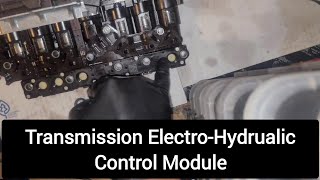
The GMC Sierra Denali from this era, typically equipped with the 6L80 6-speed automatic transmission, has documented issues that can lead to a P0731 code. The most significant known issue is a failure cascade starting with the torque converter. The torque converter clutch is prone to premature wear, generating fine metallic 'glitter' that contaminates the transmission fluid. This abrasive fluid then clogs hydraulic passages and damages critical components like the valve body, the TEHCM (Transmission Electro-Hydraulic Control Module), and the transmission pump. General Motors has issued Technical Service Bulletins (TSBs) like PIP5100A and PIP4379M that specifically point to debris blocking orifices in the valve body separator plate, causing various shifting problems including this one.
Diagnostic Flowchart
Tap your situation to follow the diagnostic path that matches what you're seeing on this vehicle.
Generation note: The 2013 model is the final year of the second generation (GMT900 platform), while 2014-2015 models belong to the third generation (K2XX). However, both generations within this range commonly utilize the 6L80 6-speed automatic transmission, making the causes and fixes for P0731 very similar across these years. The core issue of torque converter failure contaminating the system is prevalent in the 6L80 across numerous GM platforms. A notable change occurred mid-2014, when GM updated the valve body spacer plate and added an eighth check ball to address a clunking issue.
Symptoms You May Notice
- Vehicle hesitates or has weak acceleration from a stop.
- Delayed or harsh engagement into Drive or Reverse, sometimes with a 'clunk'. [15, PIP4379M]
- Transmission slipping, where the engine RPMs increase but the vehicle doesn't speed up accordingly.
- Check Engine Light is illuminated.
- Vehicle may enter 'limp mode,' getting stuck in a single gear (often 3rd).
- Inability to move forward or in reverse. [PIP5100A, PIP5100]
- Whining or grinding noises from the transmission area.
- Shuddering during light acceleration, especially between 35-55 mph, which is a classic symptom of torque converter failure.
- Replacing only the input or output speed sensors without addressing the underlying hydraulic or mechanical issue.
- Replacing the TEHCM/valve body without also replacing a failing torque converter, which leads to the new parts being contaminated and failing again.
- Simply performing a fluid and filter change when the fluid is full of metallic debris, without addressing the source of the debris (the torque converter).
Most Likely Causes
- Low or Contaminated Transmission Fluid 🔴 High Probability → Shop Transmission Assembly Fluid can become contaminated with friction material from a failing torque converter, a known issue on 6L80 transmissions. This debris looks like fine metal glitter in the fluid and pan, and it clogs filters and hydraulic passages, leading to pressure loss.
How to confirm: Check the transmission fluid via the inspection plug (these models do not have a traditional dipstick). The fluid should be bright red and clear. If it is dark, smells burnt, or contains visible metallic particles ('glitter'), it is contaminated.
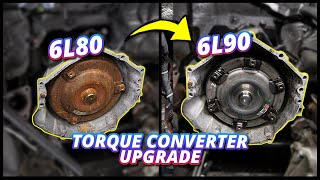
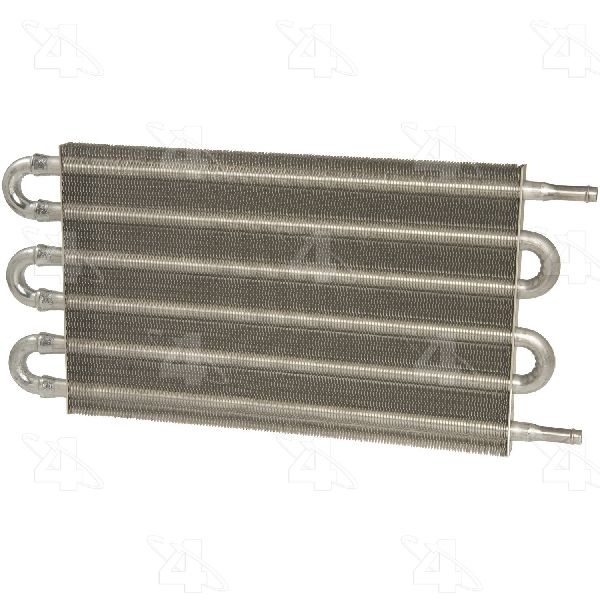
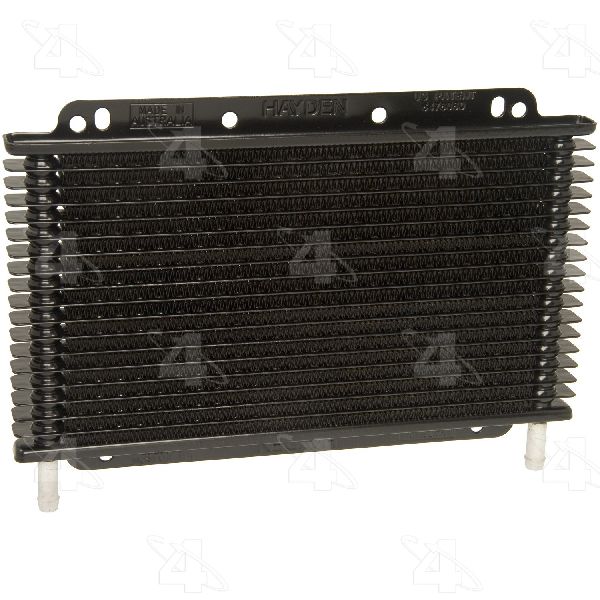
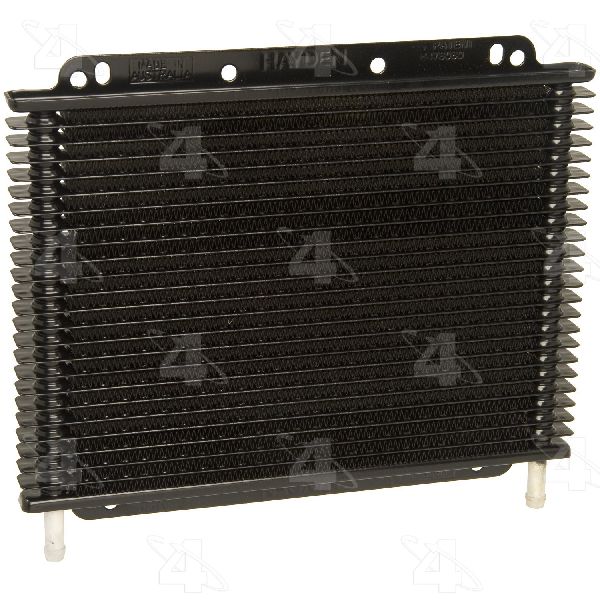
Typical fix: Perform a transmission fluid and filter change. If the fluid is heavily contaminated, this is only a temporary fix. The source of the debris (most often the torque converter) 🎬 Watch: How to replace and upgrade your 6L80 torque converter. must be replaced and the entire system, including the cooler and lines, must be flushed to prevent repeat failure.
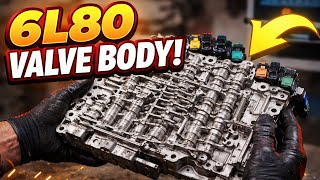
Est. part cost: $50-$150 - Blocked Valve Body Separator Plate Orifices 🔴 High Probability → Shop Transmission Valve Body GM has issued multiple TSBs (#PIP5100A, #PIP5100) for this exact issue, where debris from torque converter wear can block small orifices in the separator plate, leading to pressure loss and engagement problems. [PIP5100A] Additionally, the plastic check balls within the valve body can shrink or wear, getting stuck in the plate and preventing proper hydraulic pressure.
How to confirm: This requires removing the transmission oil pan and valve body to visually inspect the separator plate for blockages or wear marks from check balls. A worn #1 check ball is specifically linked to no-forward movement conditions.
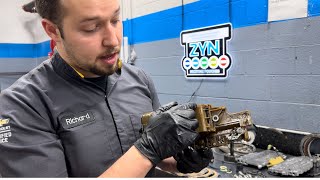
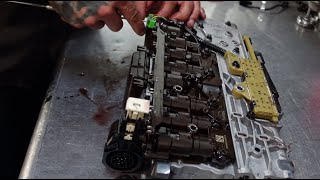
Typical fix: The valve body must be removed, disassembled, and thoroughly cleaned. 🎬 Watch: Step-by-step guide to cleaning and reassembling the valve body. The separator plate may need to be replaced if it is damaged or the bonded gaskets are compromised. Worn plastic check balls should be replaced.
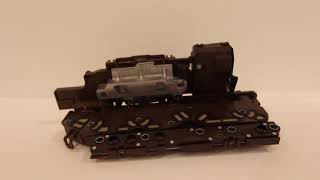
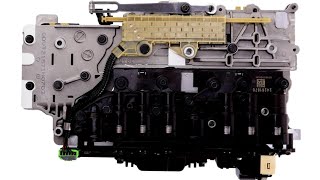
Est. part cost: $50-$300 - Failed Shift Solenoid / TEHCM 🟡 Medium Probability → Shop Transmission Valve Body In the 6L80 transmission, the shift solenoids are integrated into the Transmission Electro-Hydraulic Control Module (TEHCM), which is located inside the oil pan. Debris in the fluid can cause these non-serviceable solenoids to stick or fail, or cause electrical faults within the TEHCM itself. Internal pressure switch membranes are also a common failure point.
How to confirm: A professional scan tool can command the solenoids to operate and check for specific solenoid circuit fault codes (like P0751). Resistance tests can be performed on the TEHCM terminals with the pan removed. A failure points to a bad solenoid/TEHCM.
Typical fix: Replacement of the entire TEHCM assembly. This part is inside the transmission and must be programmed to the vehicle's VIN to function.
Est. part cost: $400-$800 - Internal Transmission Failure (Worn Clutches/Seals) 🟡 Medium Probability → Shop Transmission Assembly Sustained slipping due to hydraulic issues (low pressure from clogs or leaks) will quickly burn out the clutch packs responsible for first gear. Abrasive, contaminated fluid also wears out internal seals, causing further pressure loss. High line pressure from a worn pressure regulator valve can also crack the 1-2-3-4 clutch piston.
How to confirm: If fluid/filter changes and valve body service do not resolve the issue, and the transmission pan contains a large amount of black clutch material (not just metallic glitter), internal failure is likely. A transmission pressure test can confirm low hydraulic pressure to the clutch pack.
Typical fix: A partial or complete transmission rebuild, replacing worn clutches, steels, and seals. This is often done in conjunction with a torque converter replacement.
Est. part cost: $500-$2000
Rare But Worth Checking
- Failing Torque Converter: → Shop Automatic Transmission Torque Converter While a major cause of fluid contamination, a failing torque converter itself can directly cause ratio codes. If code P0741 (Torque Converter Clutch Circuit) is also present, this becomes a primary suspect and the root cause of the entire failure cascade.
- Faulty Input/Output Speed Sensor: It's less common for the sensor itself to fail than for a mechanical or hydraulic issue to cause the slip. However, if sensor readings are erratic or absent on a scan tool, the sensor or its wiring could be the cause. On a 6L80, these sensors are part of the TEHCM, so a sensor failure requires TEHCM replacement.
- Chafed Engine Wiring Harness: On K2XX platform trucks (2014+), the engine wiring harness is known to chafe against the ECM/TCM bracket, upper control arm, and shock tower. This can cause intermittent shorts or open circuits for signals between the ECM and TCM, potentially leading to various transmission fault codes, including P0731.
Diagnosis Steps
- Check the transmission fluid level and condition. This requires safely raising the vehicle and removing the fill plug. Look for a low level, burnt smell, or metallic particles ('glitter').
- Use a professional OBD-II scanner to check for any other transmission-related codes, especially P0700, P0741, or other gear ratio/solenoid codes.
- Analyze live data from the input and output speed sensors to confirm they are providing plausible signals while driving.
- Perform a transmission line pressure test to check for adequate hydraulic pressure. Low pressure points to a clogged filter, failing pump, or internal leaks.
- Drop the transmission oil pan and inspect for excessive metal shavings or clutch material on the magnet. A 'glitter bomb' in the pan is a sure sign of torque converter failure.
- Following GM TSBs #PIP5100A and #PIP5100, remove and inspect the valve body and separator plate for debris and blockages. Check for worn check ball seats on the plate.
- If the torque converter is confirmed as the source of debris, it must be replaced, and the transmission and cooler lines must be thoroughly flushed before installing new components like a TEHCM or rebuilt transmission.
Parts You'll Likely Need
- Transmission Filter and Fluid Kit — This is the first step in any transmission diagnosis and is required for any repair that involves opening the transmission pan. Use only DEXRON-VI fluid.
- Transmission Electro-Hydraulic Control Module (TEHCM)
(OEM #24256861, 24274046)— Often fails due to internal solenoid or pressure switch faults caused by debris or heat. Replacement is required if solenoids test bad or if multiple electronic faults are present. Must be programmed to the vehicle's VIN. - Torque Converter — A known high-failure item. The lock-up clutch sheds material that contaminates the entire transmission, causing a cascade of failures including P0731. Often the root cause.
- Valve Body Separator Plate — Debris clogs orifices in the plate as noted in TSBs. Check balls also wear out the plate, causing pressure loss. It is often replaced during valve body service.
- Transmission Rebuild Kit — Required if internal diagnosis confirms burnt clutches or failed hard parts due to prolonged slipping or severe contamination.
Related Codes That Often Appear With This One
- P0700 — This is a general transmission fault code, indicating that the TCM has stored a specific fault, such as P0731.
- P0741 — Torque Converter Clutch Circuit Performance or Stuck Off. This is a very strong indicator that the torque converter is failing and is the root cause of the debris contaminating the transmission fluid.
- P0751 — This code for 'Shift Solenoid 'A' Performance/Stuck Off' often appears with P0731, as it points to a failure in the solenoid circuit responsible for controlling the slipping gear. This is often caused by debris in the valve body or a failing TEHCM. [24, PIP4379M]
- P0732, P0733, etc. — Incorrect ratio codes for other gears often accompany P0731, suggesting a widespread hydraulic issue, such as a clogged filter, failing pump, or contaminated valve body, rather than a single component failure. [PIP4379M]
Technical Service Bulletins (TSBs) & Recalls
- PIP5100A: Addresses vehicles that won't move and various ratio/solenoid codes (including P0731) due to debris blocking valve body separator plate orifices.
- PIP5100: An earlier version of PIP5100A with similar guidance on inspecting the separator plate for debris.
- PIP4379M: A broad TSB covering no engagement, delayed shifts, and a wide range of DTCs including P0731, P0751, and other ratio codes, pointing to a common set of hydraulic/control issues.
- 16-NA-014: A related TSB that discusses torque converter shudder issues on 6L80 transmissions, which is the root cause of the debris leading to P0731.
Platform-Specific Known Issues
- Torque Converter Failure Cascade: → Shop Automatic Transmission Torque Converter The most prevalent issue for the 6L80 in the Sierra Denali is not a single part failure, but a chain reaction. It begins with the stock torque converter's lock-up clutch wearing out, which releases metallic particles into the fluid. This contaminated fluid then acts like sandpaper, destroying the valve body, TEHCM, and transmission pump, ultimately causing pressure loss that triggers the P0731 code. Ignoring a P0741 code or a transmission shudder is a common mistake that leads to this much larger failure.
Mechanic-Grade Diagnostic Values
- 6L80 Line Pressure at Idle — expected: 45-80 psi. Failure: Significantly lower pressure indicates a clogged filter, worn pump, or major internal leak.
- 6L80 Line Pressure at Wide Open Throttle (Stall Test) — expected: Up to 300 psi. Failure: Low pressure confirms a lack of hydraulic integrity. Note: Do not maintain WOT as damage can occur.
- 6L80 TEHCM Shift Solenoid (On/Off) Resistance — expected: 20-40 Ohms. Failure: A reading outside this range indicates a failed solenoid coil, requiring TEHCM replacement.
- 6L80 TEHCM Pressure Control Solenoid (PWM) Resistance — expected: 3-8 Ohms. Failure: A reading outside this range indicates a failed solenoid coil, requiring TEHCM replacement.
- 6L80 TEHCM Solenoid Supply Voltage (from TCM) — expected: 8.3 - 9.3 Volts. Failure: Incorrect voltage points to a fault within the TEHCM's internal power regulation.
Scan Tool Commands That Help
- GDS2 / Tech2 / Professional Scan Tool: Service Fast Learn Adapts — This procedure is mandatory after replacing the TEHCM or the entire transmission. It allows the new module to learn clutch fill volumes and apply pressures, ensuring smooth shifts.
- GDS2 / Tech2: Solenoid Cleaning Process — If a solenoid performance DTC is present, this function can be used before replacing the TEHCM. It cycles the solenoids to dislodge small amounts of debris. If the code returns, replacement is necessary.
- GDS2 / Professional Scan Tool: Transmission Fluid Pressure (TFP) Switch Data — When diagnosing TEHCM issues, monitoring the status of the internal pressure switches (which often fail) can confirm a fault within the module. For example, codes like P0877 point to pressure switch failure.
Wiring & Ground Locations
- Engine Harness Chafe Point 1 — At the corner of the black metal ECM/TCM bracket on the driver's side of the engine bay.. For 2014+ K2XX models, the harness can rub through on this bracket, causing shorts in the communication lines between the engine and transmission control modules, leading to various transmission faults.
- Engine Harness Chafe Point 2 — Against the driver's side upper control arm.. Engine roll and suspension movement can cause the harness to chafe against the control arm, potentially damaging wiring for transmission sensors or control signals.
- Engine Harness Chafe Point 3 — Near the driver's side shock tower bolt or in the harness canal on the shock tower.. Vibrations can cause the harness to rub against the shock tower hardware, leading to intermittent electrical issues that can be difficult to trace.
- Main Chassis/Engine Grounds — Key grounds are located from the battery to the chassis, from the chassis to the engine block, and on a support brace between the cowl and fender.. Poor ground connections can cause voltage drops and erratic behavior in electronic modules like the TEHCM, mimicking internal component failure. Ensuring all grounds are clean and tight is a critical, often overlooked, diagnostic step.
Real Owner Repair Stories
- gm-trucks.com & silveradosierra.com forum consensus (Multiple 2013-2015 Sierra/Silverado trucks with 6L80 transmission) — P0731, often with P0741, shuddering at highway speeds, delayed engagement, and eventually no forward movement.
❌ Tried (didn't work) Fluid and filter change (only worked temporarily or not at all)., Replacing the TEHCM/valve body without addressing the converter.
✅ What actually fixed it The definitive fix in the vast majority of documented cases was replacing the torque converter, flushing the transmission cooler and lines extensively, and often replacing the TEHCM and/or rebuilding the valve body due to contamination from the failed converter.
OEM Part Supersession History
24256939, 24257213, 24259835, 24261870→24274046, 24285393, and others— Revisions to address common failure points like internal pressure switches and solenoid logic. Hardware and software were updated over the years.
Heads up: TEHCMs are generally not cross-compatible between year groups (e.g., pre-2010 vs. 2014-2016). Installing the wrong part number can result in a no-start or immediate limp mode. Always order by VIN and Tag ID from the original part.
Model Year Variations Within This Range
- 2014-2015: The engine wiring harness on the K2XX platform is prone to chafing at specific points near the ECM/TCM bracket and driver's side shock tower, an issue not documented for the 2013 GMT900 platform.
- Mid-2014 and newer: GM began updating the 6L80 valve body with an updated spacer plate and an additional (#8) check ball to resolve a clunking issue during acceleration/deceleration in 1st gear.
Helpful Videos
We Have This Part in Stock


The information in this article is provided for general reference and educational purposes only. Vehicle specifications, procedures, and part compatibility can vary by production date, trim level, and region. Always consult your vehicle's factory service manual and verify part numbers before purchasing or performing repairs. Safety-critical components such as airbags, seat belts, and braking systems should be installed by a qualified professional.
- Gmc SIERRA DENALI:
- 🧭 Diagnostic Flowchart
- 🎬 Helpful Videos
- 🛍️ Shop This Part
- What's Unique About the 2013-2015 Gmc SIERRA DENALI
- Symptoms You May Notice
- Most Likely Causes
- Rare But Worth Checking
- Diagnosis Steps
- Parts You'll Likely Need
- Related Codes That Often Appear With This One
- Technical Service Bulletins (TSBs) & Recalls
- Platform-Specific Known Issues
- Mechanic-Grade Diagnostic Values
- Scan Tool Commands That Help
- Wiring & Ground Locations
- Real Owner Repair Stories
- OEM Part Supersession History
- Model Year Variations Within This Range
- 🎟️ Get 5% Off