

P0732 on 2015-2019 Ford Transit: Gear 2 Incorrect Ratio Causes and Fixes
On a 2015-2019 Ford Transit, code P0732 is most often caused by low or contaminated transmission fluid, a failing solenoid in the valve body, or a faulty molded lead frame which houses the speed sensors. This is a complex repair that should be diagnosed by a professional.
- P0732 on a 2015-2019 Transit indicates a slip in second gear, which is a serious issue that requires prompt attention.
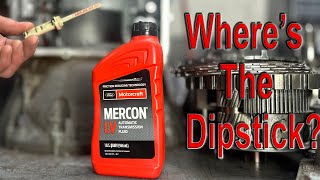
- Always start diagnosis by checking the transmission fluid level and condition; use only Motorcraft MERCON LV fluid.
- A faulty molded lead frame (which includes the speed sensors) is a very common cause for this code on the 6R80 transmission.
- This is not a simple DIY repair. Professional diagnosis is highly recommended to avoid replacing incorrect parts.
- Do not confuse this issue with problems on the 2020+ Transit models, which use a different transmission with different common failures.
What's Unique About the 2015-2019 Ford Transit
The 2015-2019 Ford Transit is equipped with the 6-speed 6R80 automatic transmission. Unlike newer Transit models with the 10-speed 10R80, this generation does not have a widespread, single design flaw like the CDF clutch drum issue. Instead, P0732 on this platform points to more traditional automatic transmission problems. A notable weak point on the 6R80 family of transmissions is the internal molded lead frame, which contains the speed sensors and can cause various shifting faults. Ford issued TSB 13-6-8 for other vehicles with the 6R80 (like the F-150) for symptoms caused by this lead frame, and a Customer Satisfaction Program (19N01) extended the warranty on this part for certain vehicles due to high failure rates.
Symptoms You May Notice
- Check Engine Light is on
- Transmission warning light (wrench icon) is illuminated
- Harsh or delayed shifting, especially into second gear.
- Transmission slipping while in second gear.
- Engine RPMs flare up during the 1-2 shift
- Vehicle enters 'limp mode' (stuck in one gear, often 3rd or 5th)
- Vehicle has little to no acceleration from a stop, as if starting in a higher gear.
- Reduced fuel economy.
- Replacing only the external Output Speed Sensor (OSS) when the fault is in the internal lead frame assembly.
- Assuming a major mechanical failure before thoroughly checking fluid level/condition and testing the lead frame and solenoids.
Most Likely Causes
- Low or Contaminated Transmission Fluid 🔴 High Probability → Shop Transmission Assembly The 6R80 transmission is sensitive to fluid level and condition. Leaks or extended service intervals can lead to low or degraded fluid, causing hydraulic pressure issues that prevent proper gear engagement.
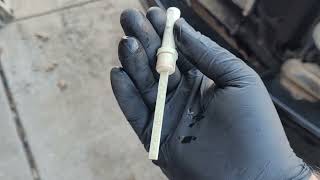
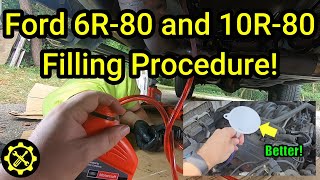
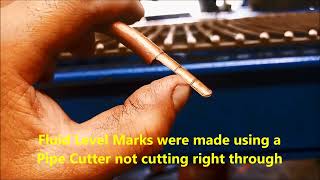
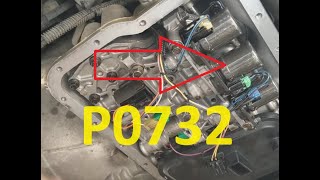
How to confirm: Check the transmission fluid level and condition via the dipstick (if equipped) or the check plug on the side of the transmission case. The fluid should be at the correct level and red, not brown, black, or smelling burnt. The transmission must be at operating temperature (at least 175° F) to get an accurate level reading 🎬 Watch: How to check and fill 6R80 fluid levels correctly., as a thermostat bypasses the cooler circuit at lower temperatures.
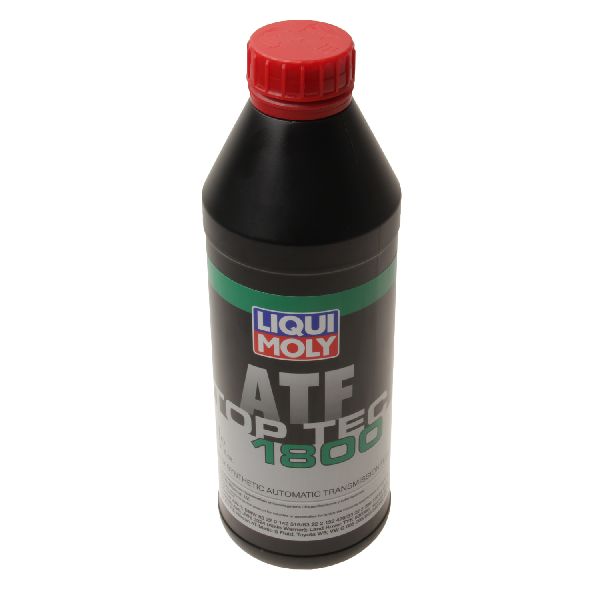
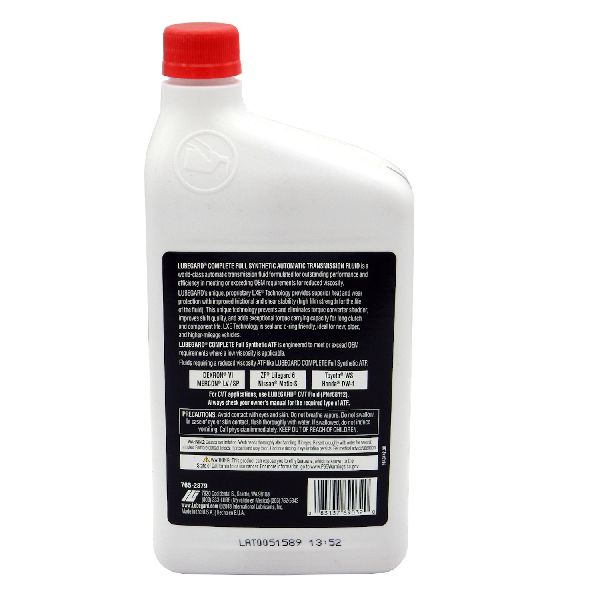
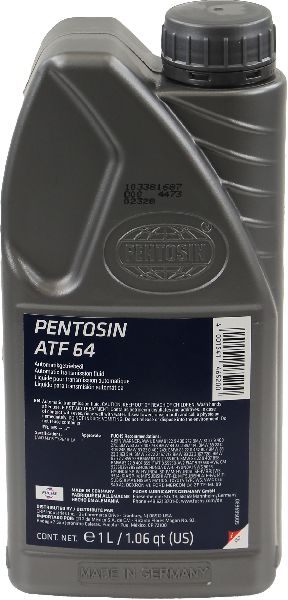
Typical fix: If low, top off with the correct fluid (Motorcraft MERCON LV). If dirty or contaminated, perform a transmission fluid and filter change.
Est. part cost: $100-$250 - Faulty Molded Lead Frame / Speed Sensor 🟡 Medium Probability → Shop Transmission Valve Body The 6R80 transmission uses an internal molded lead frame that houses the input and output speed sensors. This component is a known failure point across many Ford platforms, where cracks can develop or sensors can fail, sending incorrect speed data to the PCM. Ford TSB 13-6-8 was issued for this exact problem on F-150s and Mustangs with the same transmission.
How to confirm: A professional scan tool is needed to monitor the live data from the Input Speed Sensor (TSS) and Output Speed Sensor (OSS). If one sensor reads erratically or drops to zero while the vehicle is moving (often triggering codes P0720 or P0722 alongside P0732), the lead frame is likely faulty.
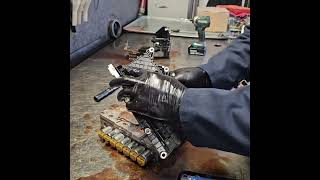
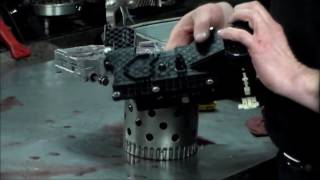
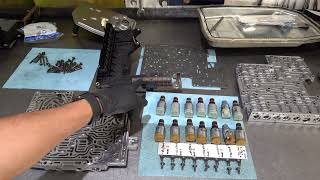
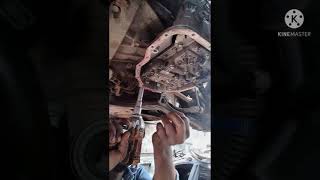
Typical fix: The transmission pan and valve body must be removed to replace the entire molded lead frame assembly. This is an involved repair. The updated OEM part is recommended. 🎬 See this walkthrough on replacing the 6R80 molded lead frame.
Est. part cost: $200-$400 - Failing Shift Solenoid or Valve Body Issue 🟡 Medium Probability → Shop Transmission Valve Body Debris from normal wear can clog passages in the valve body or cause a shift solenoid (specifically, shift solenoid 'B' for 2nd gear) to stick or fail electronically. This prevents the correct hydraulic pressure from being applied to the second gear clutch pack.
How to confirm: A technician can use a high-end scan tool to command the specific shift solenoid for second gear on and off to check its electrical response. Pressure testing the hydraulic circuits may also be necessary. Solenoids can also be bench-tested for resistance.
Typical fix: Replace the faulty solenoid or, in more severe cases, the entire valve body assembly.
Est. part cost: $300-$800
Rare But Worth Checking
- Internal Mechanical Failure: Although less common than hydraulic or electronic issues, a worn or damaged second gear clutch pack, a broken intermediate band, or a failing seal can cause slipping that triggers P0732. This is typically a result of high mileage or prolonged operation with another fault.
Diagnosis Steps
- Check and verify the transmission fluid level and condition. Ensure it is filled with Motorcraft MERCON LV.
- Use a professional OBD-II scanner to check for any other transmission-related trouble codes, paying close attention to P0720, P0722, or P0731.
- Monitor the live data streams for the Transmission Input Speed Sensor (ISS) and Output Speed Sensor (OSS) while driving. Look for any erratic readings, dropouts, or inconsistencies between the two.
- If speed sensor data is suspect, inspect the wiring harness and connectors leading to the transmission for any damage or corrosion.
- If the wiring is good, the next logical step is to test the function of the shift solenoids using the scan tool's command functions.
- If solenoids and sensors appear to test correctly, perform a hydraulic pressure test to check for internal leaks.
- If the lead frame is suspected (especially if P0720/P0722 are present), the transmission pan and valve body will need to be removed for inspection and replacement of the lead frame assembly.
Parts You'll Likely Need
- Molded Lead Frame Assembly
(OEM #AL3Z-7G276-D (supersedes AL3Z-7G276-A, AL3Z-7G276-B))— This assembly contains the input and output speed sensors, which are a common point of failure on the 6R80 transmission and can directly cause incorrect ratio codes.
Trusted brands: Motorcraft, Dorman
OEM price range: $200-$320
Aftermarket price range: $150-$300 - Automatic Transmission Fluid and Filter Kit — Low or degraded fluid is a primary cause of shifting issues. A fluid and filter service is the first step in diagnosis and is required for any internal repair.
Trusted brands: Motorcraft
OEM price range: $150-$250
Aftermarket price range: $80-$150 - Transmission Valve Body Solenoid Kit — A sticking or failed shift solenoid can prevent proper hydraulic pressure from engaging second gear. Solenoids are often replaced as a set when the valve body is serviced.
Trusted brands: Motorcraft, Bosch
OEM price range: $300-$500
Aftermarket price range: $200-$400
Related Codes That Often Appear With This One
- P0731 — This is an incorrect ratio code for 1st gear. If seen with P0732, it may point more strongly toward a fluid level issue or a failing lead frame affecting multiple gear calculations.
- P0720 — This code indicates a fault in the Output Speed Sensor (OSS) circuit. Since the OSS is part of the lead frame in the 6R80, this code is a strong indicator that the lead frame assembly is the root cause.
- P0722 — This code means 'Output Speed Sensor Circuit No Signal'. It directly points to a failure of the OSS or its wiring, which is integrated into the lead frame on this transmission.
Technical Service Bulletins (TSBs) & Recalls
- TSB 13-6-8: Addresses engagement in 5th gear from a stop, wrench light, and speedometer at zero, with DTCs P0720 and P0722. The fix is to replace the molded lead frame. While not for the Transit specifically, it covers the F-150 and Mustang with the same 6R80 transmission and identical failure mode.
- Customer Satisfaction Program 19N01: Extends warranty coverage for the transmission molded lead frame to 10 years or 150,000 miles for certain Ford vehicles due to a high rate of OSS sensor failures causing DTCs like P0720, P0722, and P0731.
Mechanic-Grade Diagnostic Values
- Shift Solenoid Resistance (SSB for 2nd gear) — expected: 4.8 to 5.6 Ohms. Failure: Resistance outside of this range indicates a faulty solenoid coil.
- Shift Solenoid E (SSE) Resistance — expected: 17.5 to 18.6 Ohms (for units built after Nov 3, 2010). Failure: An incorrect resistance value. Note that earlier units (before Nov 4, 2010) had a resistance of about 10.5 ohms.
- Solenoid Mechanical Sealing (Vacuum Test) — expected: Holds over 21 in-Hg of vacuum. Failure: Any reading below 20 in-Hg indicates a compromised solenoid that is leaking internally and should be replaced.
Scan Tool Commands That Help
- Ford IDS (Integrated Diagnostic System): Datalogger / Data Monitor — To monitor live PID data for Turbine Shaft Speed (TSS), Output Shaft Speed (OSS), and commanded gear to verify the sensor readings and confirm the slip is occurring in 2nd gear.
- Ford IDS (Integrated Diagnostic System): Output State Control — To command individual shift solenoids (like SSB for 2nd gear) on and off with the key on and engine off. This allows a technician to listen for the solenoid's 'click' and verify its electrical circuit and basic mechanical function without removing the transmission pan.
- Ford IDS (Integrated Diagnostic System): Solenoid Body Strategy Data Download / Programming — This is required after replacing the valve body or mechatronic assembly. The PCM must be programmed with the specific calibration data from the tag on the new solenoid body to ensure correct shift pressures and timing.
Wiring & Ground Locations
- C1575 — The main 16-pin electrical connector on the passenger side of the 6R80 transmission case.. This is the primary connection point for all transmission sensors and solenoids to the vehicle's wiring harness and PCM. A poor connection, corrosion in the pins, or a damaged bulkhead sleeve here can cause intermittent sensor signals and trigger various transmission codes, including P0732.
- Engine Block Ground — On the engine block, often near the oil dipstick tube or on a dedicated lifting eye.. The Powertrain Control Module (PCM) and its sensors require a solid ground connection to function correctly. A corroded or loose engine ground can cause erratic sensor readings and unpredictable electronic behavior, potentially leading to incorrect gear ratio calculations.
- Chassis Ground Points — Various points on the vehicle frame, such as the B-Pillar D-Ring mounting point or dedicated ground studs behind the driver's seat or in the engine bay.. While the primary grounds are on the engine/transmission, poor chassis grounds can introduce electrical noise that may interfere with sensitive sensor signals traveling to the PCM.
Real Owner Repair Stories
- Ford F150 Forum (2012 Ford F-150 3.5L EcoBoost with 6R80) — Transmission fault codes, vehicle not drivable.
❌ Tried (didn't work) The owner was quoted a 6-month wait and over $3,000 for an OEM lead frame replacement from the dealership.
✅ What actually fixed it The owner self-installed a Dorman-branded molded lead frame, along with a new filter and fluid. The repair was successful and restored drivability, with the owner noting the Dorman part appeared visually and functionally identical to the OEM part. - Ford Truck Enthusiasts Forum (2013 Ford Expedition with 6R80) — Pertinent codes for lead frame failure, vehicle was not drivable.
❌ Tried (didn't work) Unable to source an OEM part from Ford.
✅ What actually fixed it The owner installed a Dorman lead frame, which resolved the codes and made the vehicle drivable again. The owner noted that after letting the transmission drain for 3 days, it required 9 quarts of fluid to refill, suggesting the torque converter had drained back.
OEM Part Supersession History
AL3Z-7G276-A, AL3Z-7G276-B→AL3Z-7G276-D— Updated design to improve the reliability of the integrated speed sensors and prevent premature failure.
Heads up: The updated part AL3Z-7G276-D is the correct service part for the 2015-2019 Transit. It is critical to ensure you are purchasing the lead frame for transmissions without an integrated TCM, as earlier 6R80s (pre-2011) had the TCM as part of this assembly, which is a different and much more expensive part.
Model Year Variations Within This Range
- 2015-2019: For the 2015+ model year 6R80s, the Transmission Control Module (TCM) is not integrated into the valve body/lead frame assembly in the pan; all control functions are handled by the main Powertrain Control Module (PCM). This is different from early 6R80s (pre-2011) which had an in-pan mechatronic unit. This simplifies the replacement of the lead frame as the expensive TCM is not part of the assembly.
Diagnostic Flowchart
Other Known Issues on This Vehicle
Issues unrelated to this code that are worth knowing about as an owner of this generation:
- Driveshaft Flexible Coupling (Guibo) Failure 🔴 High — Common enough to trigger multiple recalls. Failure can occur under 40,000 miles. Affects 2015-2017 models primarily. (Ref: Recall 19S38 (supersedes an earlier recall). The fix involves replacing the flexible coupling, with a final fix being a mechanical U-joint.)
- Vacuum Pump Failure (Diesel and EcoBoost Engines) 🔴 High — A known issue, particularly on the 2.0L EcoBlue diesel, where timing belt degradation can clog oil passages and starve the pump of oil. Can also occur on gas engines. (Ref: Customer Satisfaction Program 24N15 for some E-Transit models, but the issue is more widespread.)
- Premature Transmission Problems 🟠 Medium → Shop Transmission Assembly — The 2015 and 2016 models are noted as having a higher incidence of general transmission defects, including shifting difficulties and complete failures.
- Variable Camshaft Timing (VCT) Solenoid Issues 🟠 Medium — Can cause rough running and other driveability issues. Often linked to oil pressure and quality.
- Electrical Glitches and Battery Location 🟡 Low — Owners report various electrical issues. The under-seat battery location can make diagnosis and service less straightforward, and low voltage can cause strange gauge cluster behavior.
Used vs. New Parts: Buying Guide for This Vehicle
When a used part is the smart pick: For this specific repair, buying a used electronic component like a molded lead frame or a complete valve body is highly discouraged. These parts often fail due to internal wear and heat cycles, and a used part from a salvage yard may have the same issues or fail shortly after installation. A used part should only be considered as a last resort if new OEM or quality aftermarket parts are completely unavailable.
Donor-vehicle mileage cap: roughly under 50000 miles for the part to have meaningful remaining life.
What to inspect on the donor part:
- Verify the donor vehicle was not in a severe front-end collision that could have shocked the transmission.
- Ask for the VIN to check the vehicle's service history if possible.
- Inspect the electrical connector pins for any signs of corrosion, damage, or fluid intrusion.
- If buying a complete valve body, check for any obvious signs of heavy sludge or burnt fluid residue.
OEM-only on this vehicle (don't cheap out):
- Molded Lead Frame: While some aftermarket options exist, the OEM Motorcraft part is the most reliable choice to avoid repeat failures. If OEM is unavailable, Dorman is a commonly used alternative, though with mixed long-term reviews.
- Transmission Fluid: Only use Motorcraft MERCON LV. Using incorrect fluid can cause shifting problems and damage internal components.
Aftermarket brands forum-validated for this vehicle:
- Sonnax: For valve body repair kits (Zip Kits) and individual components like accumulator pistons or regulator valves, Sonnax is a highly respected brand among transmission professionals.
Brands owners have reported issues with on this vehicle:
- Unbranded/No-Name eBay/Amazon parts: Many forum users and technicians report high rates of out-of-the-box failures or very short service life from cheap, unbranded lead frames and solenoids.
Related OBD-II Codes
Frequently Asked Questions
I have a P0732 code and my mechanic mentioned a 'molded lead frame'. Is this a known issue on the 2015-2019 Transit?
My Transit is stuck in one gear with the check engine light on. Is this related to the P0732 code?
What is the correct transmission fluid to use if I suspect low fluid is causing P0732 in my Ford Transit?
Along with P0732, I also have codes P0720 and P0722. What does this combination mean?
Are earlier models like the 2015 or 2016 Transit more prone to transmission problems that could cause a P0732 code?
How can a technician confirm if a shift solenoid is the cause of the P0732 code?
Helpful Videos
We Have This Part in Stock


The information in this article is provided for general reference and educational purposes only. Vehicle specifications, procedures, and part compatibility can vary by production date, trim level, and region. Always consult your vehicle's factory service manual and verify part numbers before purchasing or performing repairs. Safety-critical components such as airbags, seat belts, and braking systems should be installed by a qualified professional.
- Ford Transit:
- 🧭 Diagnostic Flowchart
- 🎬 Helpful Videos
- 🛍️ Shop This Part
- What's Unique About the 2015-2019 Ford Transit
- Symptoms You May Notice
- Most Likely Causes
- Rare But Worth Checking
- Diagnosis Steps
- Parts You'll Likely Need
- Related Codes That Often Appear With This One
- Technical Service Bulletins (TSBs) & Recalls
- Mechanic-Grade Diagnostic Values
- Scan Tool Commands That Help
- Wiring & Ground Locations
- Real Owner Repair Stories
- OEM Part Supersession History
- Model Year Variations Within This Range
- Other Known Issues on This Vehicle
- Used vs. New Parts: Buying Guide for This Vehicle
- Related OBD-II Codes
- Frequently Asked Questions
- 🎟️ Get 5% Off