

P0733 on 1997-2003 Infiniti QX4: Gear 3 Incorrect Ratio Causes and Fixes
On a 1997-2003 Infiniti QX4, code P0733 almost always points to a problem with the automatic transmission, starting with low or burnt fluid. If the fluid is fine, suspect a failing shift solenoid or speed sensor before condemning the transmission. A fluid and filter change costs around $100-$200.
- P0733 means your transmission is slipping in 3rd gear.
- The first and most important step is to check the transmission fluid level and condition. Do this before considering any expensive repairs.
- If the fluid is good, the next likely culprits are the shift solenoids inside the transmission pan.
- Do not continue to drive the vehicle extensively, as this can turn a minor solenoid or fluid issue into a catastrophic transmission failure requiring a full rebuild.
- This is a difficult DIY repair beyond a fluid change; professional diagnosis is strongly recommended.
What's Unique About the 1997-2003 Infiniti QX4
The 1997-2003 Infiniti QX4 uses a Jatco RE4R01A 4-speed automatic transmission, a unit shared with the Nissan Pathfinder and other trucks and sports cars of the era like the 300ZX and Mazda RX-7. While generally robust, this transmission is known to be sensitive to fluid condition and level. Problems that might cause intermittent issues in other transmissions can quickly lead to distinct fault codes like P0733 in this model due to its hydraulic control system's reliance on clean fluid and stable pressure to actuate clutch packs.
Generation note: The 1997-2003 QX4 range covers two generations: the first (1997-2000) with the VG33E 3.3L V6 and the second (2001-2003) with the VQ35DE 3.5L V6. However, both generations used the same RE4R01A 4-speed automatic transmission, so the causes, symptoms, and fixes for code P0733 are identical across this entire year span.
Symptoms You May Notice
- Check Engine Light is illuminated
- Transmission slips, hesitates, or shifts harshly, particularly when shifting into 3rd gear.
- Engine RPMs flare up during the 2-3 shift without an increase in vehicle speed.
- Vehicle enters a 'limp mode,' often getting stuck in 2nd or 3rd gear.
- Delayed or no engagement when shifting into Drive or Reverse
- Reduced fuel economy.
- Vehicle struggles to reach or maintain higher speeds.
- Replacing the entire transmission without first checking the fluid level and condition or testing the shift solenoids. A simple fluid change or solenoid replacement is far cheaper and often solves the problem.
- Replacing speed sensors without checking the wiring harness and connectors for damage or corrosion first.
Most Likely Causes
- Low, Dirty, or Burnt Transmission Fluid 🔴 High Probability → Shop Transmission Assembly The RE4R01A transmission's hydraulic system is sensitive to fluid quality and level. Old fluid loses its viscosity and becomes contaminated with clutch material, reducing its ability to create the necessary pressure for clutch packs to engage properly.
How to confirm: Check the transmission fluid dipstick with the engine warm and running in Park on a level surface. The fluid should be within the 'HOT' range. Note the color and smell: healthy fluid is reddish-pink and has a mild odor. Dark brown, black, or burnt-smelling fluid indicates contamination and wear.
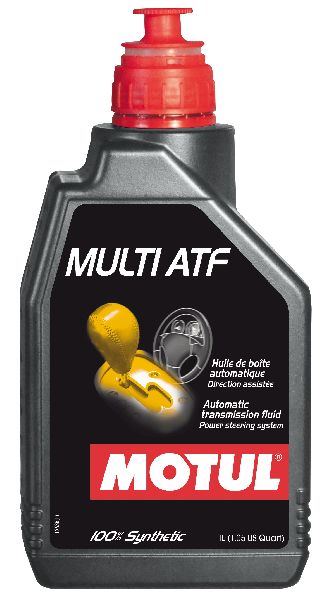
Typical fix: Perform a transmission fluid and filter change. A simple drain-and-fill will replace about 4-5 quarts, while a full flush is more comprehensive. Use a fluid that meets Nissan's Matic-D specification.
Est. part cost: $40-$100 - Faulty Shift Solenoid 🟡 Medium Probability → Shop Transmission Valve Body Solenoids are electro-mechanical valves that wear out over time. Debris from old fluid can cause them to stick or fail electronically, preventing them from directing fluid flow to engage the 3rd gear clutch.
How to confirm: A mechanic can test the solenoid's resistance with a multimeter or command it to activate with a professional scan tool to listen for a 'click'. This requires dropping the transmission pan to access the valve body where the solenoids are mounted.
Typical fix: Replace the faulty shift solenoid (often referred to as Shift Solenoid 'A' or 'B' depending on the specific failure) or the entire solenoid pack. This is done by removing the transmission pan and valve body.
Est. part cost: $60-$150 - Faulty Vehicle Speed Sensor (VSS) or Output Speed Sensor (OSS) ⚪ Low Probability → Shop Drive Shaft Sensor The speed sensors send crucial data to the TCM to calculate gear ratios. While not a frequent failure point, an erratic or dead sensor can cause the TCM to receive incorrect data, miscalculate the gear ratio, and trigger the code P0733.
How to confirm: Monitor the sensor's output data on a scan tool while driving. Any dropouts or erratic readings indicate a problem. The sensor is typically located on the transmission's tail housing or on the transfer case for 4WD models. A P0720 code (Output Speed Sensor Circuit) often accompanies a P0733 when the sensor is the root cause.
Typical fix: Replace the vehicle speed sensor.
Est. part cost: $50-$120
Rare But Worth Checking
- Internal Mechanical Failure: This is the worst-case scenario. If fluid and electronics are good, the problem is likely a worn-out 3rd gear clutch pack, a damaged reverse clutch, a broken band, or a cracked drum inside the transmission. This usually requires a complete rebuild or replacement of the unit.
- Faulty Valve Body: → Shop Transmission Valve Body The valve body is the hydraulic brain of the transmission. Passages can become clogged with debris, or the body itself can warp or crack, causing pressure loss to the 3rd gear circuit. Often, this is diagnosed after solenoids are replaced without success. Separating the valve body halves during service can cause small check balls to fall out, leading to failure if not reassembled perfectly.
- Faulty Transmission Control Module (TCM): → Shop Transmission Assembly While rare, the TCM itself can fail. This could be due to internal hardware faults or corrupted software. This is typically the last item to be diagnosed after all other possibilities (fluid, sensors, solenoids, internal mechanics) have been ruled out.
Diagnosis Steps
- Scan the vehicle for any other stored trouble codes. Address other transmission codes (like P0720 or P0745) first.
- Check the transmission fluid level and condition with the engine warm and running on a level surface.
- If the fluid is low, top it off with Nissan Matic-D equivalent fluid and re-test. If it is dark, burnt, or contains debris, perform a fluid and filter change.
- Inspect the transmission's main electrical connector and sensor connectors for corrosion, damage, or loose pins.
- If the problem persists, drop the transmission oil pan and inspect for excessive metal shavings or clutch material, which indicate severe internal wear.
- With the pan off, test the resistance of the shift solenoids using a multimeter and compare to factory specifications.
- Test the vehicle speed sensor and output speed sensor signals using a scan tool or oscilloscope while driving.
- If all sensors and solenoids test good, the issue is likely internal to the transmission (worn clutches, valve body issue) and requires professional diagnosis, likely involving a pressure test.
Parts You'll Likely Need
- Transmission Fluid and Filter Kit — The most common cause is old, degraded, or low fluid. A fluid and filter service is the first and most crucial step. Use Nissan Matic-D or an equivalent certified fluid.
Trusted brands: Idemitsu, Valvoline, Castrol
OEM price range: $80-$150
Aftermarket price range: $40-$80 - Automatic Transmission Shift Solenoid
(OEM #31940-41X13)— Shift solenoids are a common failure point that directly prevents the transmission from engaging a specific gear correctly.
Trusted brands: Rostra, Hitachi, Pioneer Cables, ATP
OEM price range: $120-$200
Aftermarket price range: $50-$100 - Vehicle Speed Sensor (VSS) / Output Speed Sensor (OSS)
(OEM #31935-41X03 (Varies by 2WD/4WD))— A faulty speed sensor can send incorrect data to the TCM, causing it to misinterpret the gear ratio and set the P0733 code.
Trusted brands: Hitachi, NGK, Delphi
OEM price range: $90-$160
Aftermarket price range: $40-$90
Related Codes That Often Appear With This One
- P0720 — This code indicates a fault in the Output Speed Sensor circuit. Since the TCM uses this sensor's data to calculate gear ratios, a P0720 can directly cause a P0733.
- P0731 — This is 'Gear 1 Incorrect Ratio.' Seeing multiple incorrect ratio codes (P0731, P0732, P0733, etc.) together often points to a more systemic issue like low fluid, a clogged filter, or a failing torque converter rather than a single gear's clutch pack.
- P0745 — This code points to a fault with the Pressure Control Solenoid. This solenoid regulates the overall line pressure in the transmission. Incorrect line pressure can cause slipping in all gears, leading to various incorrect ratio codes, including P0733.
Platform-Specific Known Issues
- Owner Experience: Solenoid Replacement Fix: A user on NICOclub forums with a 1999 QX4 experiencing P0733 and transmission problems was advised to check fuses and the main transmission wiring connector for damage before proceeding with internal diagnostics like solenoid checks. This highlights the importance of checking simple electrical issues first.
Mechanic-Grade Diagnostic Values
- Shift Solenoid A/B Resistance — expected: 20 - 40 Ohms. Failure: A reading outside this range indicates a faulty solenoid coil.
- Line Pressure Solenoid Resistance — expected: 2.5 - 5 Ohms. Failure: A reading outside this range indicates a faulty solenoid coil.
- Lock-up Solenoid Resistance — expected: Around 14.4 Ohms (example value, should be within factory spec). Failure: An open circuit (infinite resistance) or a dead short (zero resistance) indicates failure.
- Transmission Fluid Temperature Sensor Resistance — expected: Approximately 2.5 kOhms at 68°F (20°C). Failure: A significantly different reading at a known temperature suggests a faulty sensor.
Scan Tool Commands That Help
- Nissan CONSULT or equivalent professional scan tool: Active Test / Bidirectional Control for Shift Solenoids — This function allows a technician to command a specific shift solenoid (e.g., Shift Solenoid A or B) to turn on and off while the vehicle is stationary. The technician can listen for an audible 'click' from the transmission pan, confirming the solenoid is mechanically actuating. This helps differentiate between a failed solenoid and a wiring or TCM issue without first removing the pan.
Wiring & Ground Locations
- TCM Connector — The Transmission Control Module (TCM) is typically located in the passenger cabin, often near the ECU/PCM.. Technicians can back-probe the TCM connector to test solenoid resistance without dropping the transmission pan. For example, in the RE4R01A, Shift Solenoid A can be tested between terminal 3 and ground, and Shift Solenoid B between terminal 2 and ground. This is an advanced diagnostic step to verify the integrity of the wiring from the TCM to the transmission.
- Main Transmission Harness Connector — On the exterior of the transmission case.. This is a primary point of failure for wiring. Before suspecting internal components, this connector should be disconnected, inspected for corrosion, bent pins, or fluid intrusion, and cleaned with electrical contact cleaner. A poor connection here can mimic a failed solenoid or sensor.
OEM Part Supersession History
31940-41X04, 31940-41X09→31940-41X13— Part revision and consolidation by the manufacturer.
Heads up: The newer part number, 31940-41X13, is the correct and current replacement for the earlier versions and fits the entire 1997-2003 QX4 range with the RE4R01A transmission.
Model Year Variations Within This Range
- 1997-2003: While the engine changed from the VG33E to the VQ35DE in 2001, the automatic transmission remained the RE4R01A. Therefore, the diagnostic procedures, common failures, and parts related to code P0733 are consistent across the entire 1997-2003 model year range for the QX4.
Diagnostic Flowchart
Other Known Issues on This Vehicle
Issues unrelated to this code that are worth knowing about as an owner of this generation:
- Strut Tower / Frame Rust 🔴 High — Very common, especially in states that use road salt. A recall was issued for the strut tower housing. (Ref: NHTSA Recall 11V-244 (Campaign ID: NTB11-042). Affects vehicles in 'salt belt' states.)
- Knock Sensor Failure & Relocation 🟠 Medium — Common on the 3.3L VG33E engine (1997-2000). The sensor is located under the intake manifold, making replacement extremely labor-intensive ($600+). Triggers code P0325 and causes poor performance. (Ref: No recall, but a well-documented owner 'hack' involves relocating the sensor to a more accessible location on the engine.)
- Cracked Exhaust Manifolds 🟠 Medium — The front catalytic converters/exhaust manifolds are prone to cracking at the seams, causing an exhaust leak and noise.
- Power Valve Screw Ingestion (VQ35DE only) 🔴 High — On the 2001-2003 3.5L VQ35DE engine, screws on the power valve in the intake manifold can loosen and fall into the engine, causing catastrophic damage. This was a known issue on other Nissan models with this engine. (Ref: No recall for the QX4, but TSBs existed for other VQ35DE applications (e.g., NTB06-011 for Altima/Maxima).)
- Bose Stereo CD Player Failure 🟡 Low — The factory Bose head unit's CD player is known to fail, skipping CDs or refusing to play them. Replacing it with an aftermarket unit can be complicated due to the integrated amplifier system.
Used vs. New Parts: Buying Guide for This Vehicle
When a used part is the smart pick: For this repair, sourcing used 'hard parts' like the transmission case, drums, or planetary gear sets from a low-mileage donor vehicle can be cost-effective if a rebuild is necessary. However, for the common causes of P0733, new parts are strongly recommended.
Donor-vehicle mileage cap: roughly under 120000 miles for the part to have meaningful remaining life.
What to inspect on the donor part:
- Check the donor vehicle's history for regular maintenance if possible.
- When buying a used transmission, drain a small amount of fluid. If it is black, burnt-smelling, or contains shiny metal particles, avoid it.
- Inspect the main electrical connector for any signs of damage, corrosion, or previous repair attempts.
OEM-only on this vehicle (don't cheap out):
- Transmission Control Module (TCM): Used TCMs are risky and may have compatibility issues. If a replacement is needed, a new or professionally remanufactured OEM unit is the safest bet.
- Valve Body Assembly: A used valve body is extremely risky. It may have worn passages or, more likely, may have been disassembled incorrectly, leading to the missing check ball issue. The cost of labor to install a bad used unit outweighs the savings.
Aftermarket brands forum-validated for this vehicle:
- Solenoids: Rostra and Hitachi are generally well-regarded aftermarket brands for transmission solenoids.
- Fluid: Valvoline MaxLife, Castrol Transmax, and Idemitsu Type J/D are widely accepted as suitable Matic-D equivalents.
Brands owners have reported issues with on this vehicle:
- Unbranded 'no-name' solenoid kits from online marketplaces are a gamble. They often have high failure rates, and the labor to replace them a second time makes them a poor value proposition.
Real Owner Stories
Aggregated from forums and TSBs cited above. Mileages and costs reflect what owners reported in those sources.
1999 Infiniti QX4
Symptoms: Owner reported code P0733 along with unspecified transmission problems.
What fixed it: The owner was advised to perform preliminary diagnostic steps, including checking fuses, inspecting the main transmission wiring harness connector for damage, and performing solenoid quick checks before attempting more invasive repairs.
Source hint: NICOclub Forums - 'code P0733'
Related OBD-II Codes
Frequently Asked Questions
What type of transmission fluid should I use for my 1997-2003 QX4 when I get a P0733 code?
I live in a 'salt belt' state. Is there a relevant recall for my Infiniti QX4?
My QX4 has a P0733 code. What other transmission code often appears with it?
Is the knock sensor difficult to replace on the 3.3L engine in my 1999 QX4?
I have a 2002 QX4 with the 3.5L engine. Could the 'power valve screw' issue cause my P0733 transmission code?
What other Nissan vehicles have the same transmission and P0733 problems as the QX4?
We Have This Part in Stock



The information in this article is provided for general reference and educational purposes only. Vehicle specifications, procedures, and part compatibility can vary by production date, trim level, and region. Always consult your vehicle's factory service manual and verify part numbers before purchasing or performing repairs. Safety-critical components such as airbags, seat belts, and braking systems should be installed by a qualified professional.
- Infiniti QX4:
- 🧭 Diagnostic Flowchart
- 🛍️ Shop This Part
- What's Unique About the 1997-2003 Infiniti QX4
- Symptoms You May Notice
- Most Likely Causes
- Rare But Worth Checking
- Diagnosis Steps
- Parts You'll Likely Need
- Related Codes That Often Appear With This One
- Platform-Specific Known Issues
- Mechanic-Grade Diagnostic Values
- Scan Tool Commands That Help
- Wiring & Ground Locations
- OEM Part Supersession History
- Model Year Variations Within This Range
- Other Known Issues on This Vehicle
- Used vs. New Parts: Buying Guide for This Vehicle
- Real Owner Stories
- 1999 Infiniti QX4
- Related OBD-II Codes
- Frequently Asked Questions
- 🎟️ Get 5% Off