

P0733 on 2010-2013 Mazda 3: Gear 3 Incorrect Ratio Causes and Fixes
This code means your automatic transmission is slipping in third gear. The most common causes are low or burnt transmission fluid, a failing shift solenoid, or internal transmission wear. Stop driving immediately to avoid catastrophic damage and start by checking the transmission fluid level and condition.
- P0733 means the transmission is slipping in 3rd gear and requires immediate attention.
- DO NOT continue to drive the vehicle. You risk turning a repairable issue into a full, expensive transmission replacement.
- The first and easiest diagnostic step is to check the transmission fluid level and condition. Dark, burnt fluid is a bad sign.
- While this code is usually mechanical or hydraulic, be aware that this specific Mazda 3 model has a high rate of TCM failure, which can complicate diagnosis.
- If the fluid is fine, the next most likely causes are a bad shift solenoid or internal clutch pack failure, both of which require professional service.
What's Unique About the 2010-2013 Mazda 3
While P0733 is a generic code, the 2010-2013 Mazda 3 with the FN4A-EL (also known as 4F27E) automatic transmission has a well-documented history of Transmission Control Module (TCM) failures. The TCM is mounted directly on the hot transmission case, which can cause solder joints inside the module to crack over time, leading to erratic behavior. This can create a complex diagnostic situation where drivers experience harsh shifting and may see communication codes (like U0101) alongside P0733. It's crucial not to automatically assume a bad TCM; the P0733 code itself most often points to a hydraulic or mechanical problem within the transmission (like worn clutches or a bad solenoid), which must be ruled out first to avoid a costly misdiagnosis.
Symptoms You May Notice
- Check Engine Light and/or AT (Automatic Transmission) warning light is on
- Transmission slipping or flaring (engine RPMs suddenly increase without an increase in vehicle speed, especially when shifting to 3rd gear)
- Harsh, jerky, or delayed shifts into or out of third gear
- Vehicle enters "limp mode," getting stuck in a single gear (often 3rd)
- Inability to shift into higher gears past 2nd
- Reduced fuel economy
- Vehicle feels like it loses power or hesitates during the 2-3 shift
- Replacing the Transmission Control Module (TCM) without confirming the mechanical and hydraulic integrity of the transmission. A P0733 code is fundamentally about a slip, which is a physical event. A bad TCM is a common issue on this car, but it doesn't mean it's the cause of *this* specific code.
- Replacing the entire transmission when only a shift solenoid pack is needed. Since solenoids are a very common point of failure, they should be thoroughly tested before condemning the entire unit.
Most Likely Causes
- Low, Dirty, or Burnt Transmission Fluid 🔴 High Probability → Shop Transmission Assembly Fluid level can drop due to leaks, and fluid breaks down over time. If not changed per service intervals, its hydraulic properties degrade, and it can no longer hold the pressure needed to keep clutches engaged. The filter can also become clogged, restricting flow.
How to confirm: Check the transmission fluid dipstick. The fluid should be at the correct level, pink/red in color, and not smell burnt. Dark brown or black fluid with a burnt smell indicates severe internal wear and clutch material contamination.
Typical fix: If the fluid is just low, top it off with Mazda M-V (or equivalent) ATF and check for leaks. If it's dirty but not burnt, a fluid and filter change may resolve the issue. If it's burnt, a fluid change is a temporary measure at best; the transmission likely has internal damage.
Est. part cost: $50-$150 for fluid and filter - Failing Shift Solenoid 'C' 🟡 Medium Probability → Shop Transmission Valve Body The solenoids that control hydraulic pressure to the clutch packs can wear out, get clogged with debris, or fail electrically over time, preventing them from properly engaging third gear. This is a very common failure point for the 4F27E/FN4A-EL transmission.
How to confirm: A professional can use a scan tool to command the solenoid on and off. Resistance can also be checked with a multimeter across the solenoid's pins (should be within spec). This is often accompanied by solenoid-specific codes like P0762 (Shift Solenoid 'C' Stuck On).
Typical fix: Replacement of the faulty solenoid or the entire solenoid block/pack. This requires removing the transmission pan and valve body. It is often recommended to replace the entire pack as a preventative measure.
Est. part cost: $150-$400 for a solenoid pack - Internal Mechanical Failure (Worn 3-4 Clutch Pack) 🟡 Medium Probability High mileage, heat, and operation with low/dirty fluid can lead to the wear of internal components. In the 4F27E/FN4A-EL transmission, the 3-4 clutch pack is a common failure point that directly causes slipping in 3rd and 4th gear. The direct clutch drum splines can also wear out.
How to confirm: This is a diagnosis of exclusion. If fluid and solenoids are good, the problem is internal. A mechanic can perform a hydraulic pressure test. Finding significant metal debris or black clutch material in the transmission pan is a definitive sign of internal failure.
Typical fix: The transmission must be removed from the vehicle to be rebuilt (replace worn clutches, seals, bands, etc.) or replaced entirely with a new or remanufactured unit.
Est. part cost: $1800-$4000 for a rebuilt/replacement transmission
Rare But Worth Checking
- Faulty Transmission Control Module (TCM): → Shop Transmission Assembly While a possibility, it's more likely that the TCM has failed in a way that generates communication codes (like U0101) or multiple, erratic solenoid codes. It's rare for a faulty TCM to cause only a P0733 code, but the high failure rate of the TCM on this platform makes it a necessary consideration during diagnosis.
- Faulty Input or Output Speed Sensor: If one of the speed sensors provides incorrect data to the TCM, it could miscalculate the gear ratio and trigger the code. This is less common than a true mechanical slip and would likely be accompanied by sensor-specific fault codes (e.g., P0722 for Output Speed Sensor).
- Worn Servo Bore: The bore in the transmission case for the 2-4 band servo pin can wear into an oval shape, causing a pressure leak. This can prevent the band from applying correctly, contributing to ratio errors, particularly on the 2-3 shift. Specialized tools are required to ream the bore and install a sleeve.
Diagnosis Steps
- Check Transmission Fluid: Verify the level and condition of the automatic transmission fluid (ATF). It must be the correct type (Mazda M-V or equivalent). If it's low, top it off and check for leaks. If it's dark, burnt, or contains metal shavings, suspect internal damage.
- Scan for Codes: Use an OBD-II scanner to confirm P0733 and check for any other related codes (solenoid, speed sensor, or communication codes). Note the freeze-frame data to see the conditions when the code was set.
- Analyze Live Data: With an advanced scan tool, monitor the input and output transmission speed sensors while driving. A significant difference in their expected ratio when in 3rd gear confirms a slip. Also monitor the TCM commands for the solenoids.
- Inspect Solenoids: Drop the transmission pan to inspect for debris. Test the resistance of Shift Solenoid 'C' and others in the pack. Check for power at the connector. A common diagnostic step is to swap solenoids (if identical) to see if the problem follows the solenoid to a different gear.
- Perform Pressure Test: A professional can connect gauges to the transmission's test ports to measure hydraulic pressure in different gears. Low pressure in the 3rd gear circuit points to internal leaks (clutch pack, seals) or a failing pump.
- Internal Inspection: If all other tests are inconclusive, the final step is to remove and disassemble the transmission for internal inspection of the 3-4 clutch pack, direct clutch drum, 2-4 band, and servo bores.
Parts You'll Likely Need
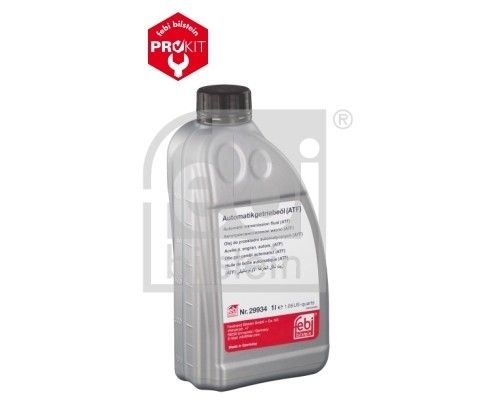
- Automatic Transmission Fluid
(OEM #0000-77-112E-01 (for Mazda ATF M-V))— Fluid is the first and most crucial check. The correct fluid type (Mazda M-V or a compatible equivalent) is essential for proper hydraulic function and clutch friction.
Trusted brands: Mazda (OEM), Idemitsu Type-M, Castrol Transmax Full Synthetic Multi-Vehicle
OEM price range: $15-$25 per quart
Aftermarket price range: $10-$18 per quart - Transmission Solenoid Pack
(OEM #FN21-21-1F1 (Individual Solenoid, verify application))— A faulty solenoid is a common electrical cause for a hydraulic/mechanical issue like slipping. The pack contains the solenoids responsible for gear engagement. Shift Solenoid 'C' is often the culprit for P0733.
Trusted brands: Mazda (OEM), Rostra, ATP Automotive
OEM price range: $300-$500 (for pack)
Aftermarket price range: $150-$300 (for pack) - Transmission Filter Kit
(OEM #FN01-21-500)— Should always be replaced during any service that involves dropping the transmission pan, such as a fluid change or solenoid replacement, to ensure contaminants are removed from the system.
Trusted brands: Mazda (OEM), Wix, ATP
OEM price range: $40-$60
Aftermarket price range: $20-$40
Related Codes That Often Appear With This One
- U0101 — Indicates 'Lost Communication with TCM'. This is a very common failure on 2010-2013 Mazda 3s due to the TCM overheating and can occur alongside internal transmission faults, complicating the diagnosis.
- P0731, P0732, P0734 — These are incorrect ratio codes for other gears (1st, 2nd, 4th). If multiple ratio codes are present, it points to a widespread internal failure, a major fluid pressure issue, or a failing TCM.
- P0762 — Indicates 'Shift Solenoid C Stuck On'. This or similar solenoid codes directly point to the electrical control component responsible for the mechanical action of shifting into 3rd gear. Seeing this with P0733 strongly suggests a solenoid or valve body issue.
Technical Service Bulletins (TSBs) & Recalls
- 05-005/15 - Addresses various shift quality concerns by replacing internal transmission components with updated parts.
Platform-Specific Known Issues
- The Transmission Control Module (TCM) on this generation of Mazda 3 is known to fail due to its mounting position on the transmission, which exposes it to excessive heat and vibration. This typically causes communication codes (U0101) and erratic shifting, and can complicate the diagnosis of a P0733 code.
Mechanic-Grade Diagnostic Values
- Shift Solenoid 'A' and 'B' (On/Off type) Resistance — expected: 10.9 - 26.2 Ohms. Failure: A reading outside this range indicates a faulty solenoid coil.
- Shift Solenoid 'C', 'D', and 'E' (PWM type) Resistance — expected: 1.0 - 4.2 Ohms. Failure: A reading outside this range indicates a faulty solenoid coil.
- Electronic Pressure Control (EPC) Solenoid Resistance — expected: 2.4 - 7.3 Ohms. Failure: A reading outside this range indicates a faulty solenoid coil.
- Line Pressure at Idle (D position) — expected: 50-65 psi. Failure: Pressure below spec indicates a potential worn oil pump, internal leak, or pressure regulator valve issue.
- Line Pressure at Stall Speed (D position) — expected: 180-210 psi. Failure: Low pressure confirms a significant hydraulic leak or pump inefficiency under load.
Scan Tool Commands That Help
- Mazda IDS (or equivalent advanced scanner): Solenoid State Control (SSC, SSD, SSE, etc.) — This bidirectional command allows a technician to manually turn each shift solenoid ON and OFF while the engine is running to audibly verify its operation and monitor for pressure changes, helping to isolate a single failed solenoid without removing the valve body.
- Mazda IDS (or equivalent advanced scanner): Reset Adaptive Values / Clear Transmission Adaptive Tables — After replacing a solenoid pack, valve body, or the entire transmission, this function must be performed. It erases the learned shift pressure adjustments, forcing the TCM to re-learn the characteristics of the new parts. Failing to do this can result in harsh or erratic shifting even with good parts.
Wiring & Ground Locations
- Transaxle Vehicle Harness Connector (C199) — The main electrical connector on the outside of the transmission case where the vehicle's wiring harness plugs into the transmission's internal harness.. This is the primary point for testing solenoid circuits from outside the transmission. A technician can measure resistance for all solenoids from the pins on this connector to ground, checking for opens or shorts in the internal wiring or solenoid coils. For example, the Shift Solenoid C circuit can be tested between its specific pin at this connector and the PCM connector.
- TCM Ground — The TCM relies on a clean ground connection through its mounting bolts to the chassis and through its wiring harness. The main chassis ground points are typically located on the inner fender near the battery tray.. A poor ground can cause erratic behavior in the TCM, leading to incorrect calculations, false codes, or communication errors like U0101. Verifying a clean, tight ground connection is a critical step when diagnosing any electronic control module issue.
Real Owner Repair Stories
- Reddit user in r/mazda3 (2010-2012 Mazda 3) — Check Engine Light on, AT light on, harsh shifting, code P0753 (Shift Solenoid A).
❌ Tried (didn't work) Initial diagnosis pointed to a bad solenoid.
✅ What actually fixed it The root cause was a faulty Transmission Control Module (TCM). The user had a refurbished TCM installed by a specialist shop (Modulepro) for $450. The replacement TCM was relocated to the firewall, away from the transmission's heat, to prevent a repeat failure. This resolved all shifting issues.
OEM Part Supersession History
LFAE-18-9E1D (and similar variants)→LFAE-18-9E1H (and other later revisions)— Mazda issued several revisions of the TCM to address the high failure rate due to internal solder joint cracking from heat.
Heads up: While a newer revision TCM is physically identical and plug-and-play (no programming is typically required on this platform), it is critical to match the core part number (e.g., LFAE). Using a TCM from a different engine or model year can cause communication issues. It is highly recommended to relocate any replacement TCM away from the transmission case to prevent the same heat-related failure.
Diagnostic Flowchart
Other Known Issues on This Vehicle
Issues unrelated to this code that are worth knowing about as an owner of this generation:
- Melting / Sticky Dashboard 🟠 Medium — Very common, especially in warmer climates. The dashboard surface degrades under heat and sun exposure, becoming sticky and creating a dangerous glare on the windshield. (Ref: Mazda issued a warranty extension program (SSP 97) covering this for 10 years from the original warranty start date, regardless of mileage.)
- Electro-Hydraulic Power Steering (EHPAS) Failure 🔴 High — A significant number of owners report intermittent or total loss of power steering assistance, often accompanied by the power steering warning light. The cause can be the pump itself, related wiring, or even a weak battery unable to meet the high electrical demand of the pump.
- Failing Transmission Control Module (TCM) 🔴 High → Shop Transmission Assembly — Common failure due to its location on top of the hot transmission, leading to heat-related damage to internal solder joints. Symptoms include erratic shifting, AT light, and communication codes (U-codes). Many owners relocate the replacement TCM to a cooler location. (Ref: While no specific recall exists for P0733, TSB 05-005/15 addresses various harsh shifting and transmission issues by updating internal components.)
- Broken Clutch Pedal Bracket (Manual Transmission) 🔴 High — The weld on the clutch pedal assembly is a known weak point and can snap suddenly, causing the clutch pedal to go to the floor and rendering the vehicle undrivable.
- Failing Passenger Side Engine Mount 🟠 Medium — The hydraulic passenger-side engine mount is prone to leaking and collapsing, leading to excessive engine vibration felt in the cabin, especially at idle and upon acceleration.
Used vs. New Parts: Buying Guide for This Vehicle
When a used part is the smart pick: A used solenoid pack from a low-mileage, crash-damaged donor vehicle can be a cost-effective option, as they are external to the transmission and relatively easy to swap. A complete used transmission is also a viable, though riskier, alternative to a costly rebuild if the donor vehicle's history and mileage are known and verifiable.
Donor-vehicle mileage cap: roughly under 80000 miles for the part to have meaningful remaining life.
What to inspect on the donor part:
- For a complete transmission, check the donor vehicle's VIN for accident history to ensure it wasn't totaled for a powertrain issue.
- Inspect the transmission fluid from the donor unit if possible. It should be reddish and not smell burnt.
- When buying a used solenoid pack, look for clean connectors with no signs of corrosion or damage.
OEM-only on this vehicle (don't cheap out):
- Transmission Control Module (TCM)
Aftermarket brands forum-validated for this vehicle:
- Rostra (for solenoid packs)
- TransGo (for valve body shift kits/repair components)
Brands owners have reported issues with on this vehicle:
- Unknown, no-name online marketplace TCMs. Due to the high failure rate, many unreputable sellers offer cheap, untested, or poorly repaired modules that are likely to fail again. It is better to use a reputable rebuilder or a known-good used OEM part.
Real Owner Stories
Aggregated from forums and TSBs cited above. Mileages and costs reflect what owners reported in those sources.
2010-2013 Mazda 3
Symptoms: Owner experienced P0762 and P0733 codes together, which caused the vehicle to enter limp mode.
What fixed it: The owner was advised that the issue was likely related to the shift solenoids.
Source hint: mazda3club.com thread titled 'p0762 p0733 and rpm trouble'
2010 Mazda 3
Symptoms: Owner had a persistent P0733 code even after the Transmission Control Module (TCM) was replaced.
What fixed it: The owner attempted to resolve the code by checking the solenoids and flushing the transmission fluid.
Source hint: Reddit r/MechanicAdvice post titled '2010 Mazda 3 P0733 Gear 3 incorrect ratio'
Ford Focus (4F27E transmission)
Symptoms: Owner reported a P0733 code on the shared 4F27E transmission.
What fixed it: The owner planned to address the P0733 code by cleaning and replacing the transmission solenoids.
Source hint: 24hourcampfire.com forum discussion
Mazda 3 (first-gen platform)
Symptoms: An owner reported having both P0762 and P0733 codes present.
What fixed it: The owner was advised that this combination of codes is a common issue for the platform and is often related to failing solenoids or speed sensors.
Source hint: Reddit r/mazda3 thread titled 'transmission issues'
Related OBD-II Codes
Frequently Asked Questions
My 2011 Mazda 3 has a P0733 code. Could the known TCM failure be the cause?
Does TSB 05-005/15 apply to the P0733 code on my 2012 Mazda 3?
I want to check the transmission fluid on my 2010 Mazda 3 to troubleshoot P0733. What specific fluid type should I use?
I have a 2011 Ford Focus with a P0733 code. Is the diagnosis for the Mazda 3 applicable to my car?
My mechanic is recommending a new solenoid pack for my Mazda 3's P0733 code. Is this a common fix?
Before I take my Mazda 3 to a shop for a P0733 code, what are the first things I should check myself?
We Have This Part in Stock
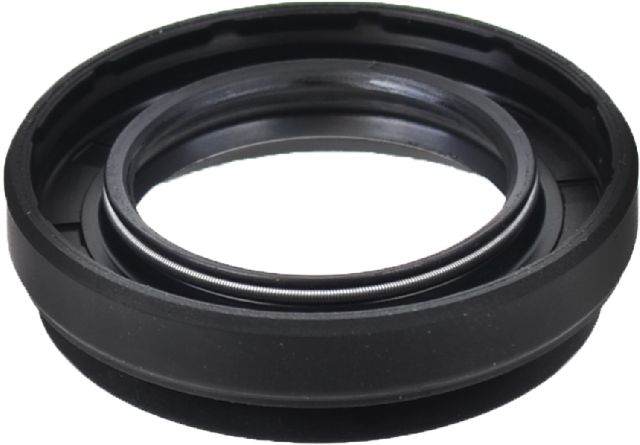
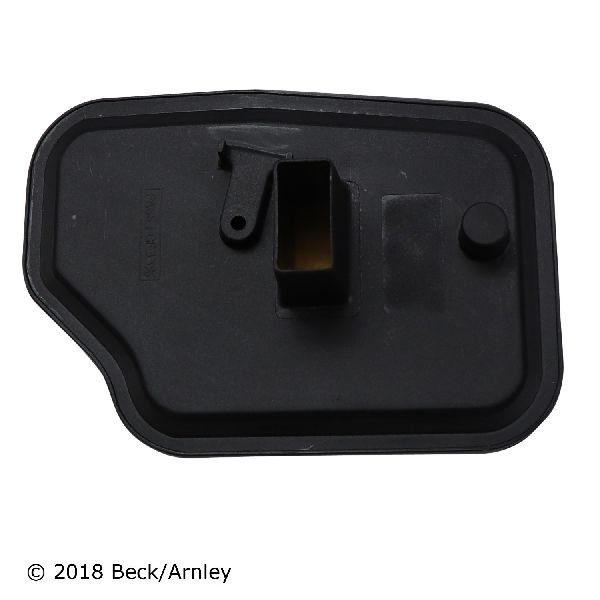

The information in this article is provided for general reference and educational purposes only. Vehicle specifications, procedures, and part compatibility can vary by production date, trim level, and region. Always consult your vehicle's factory service manual and verify part numbers before purchasing or performing repairs. Safety-critical components such as airbags, seat belts, and braking systems should be installed by a qualified professional.
- Mazda 3:
- 🧭 Diagnostic Flowchart
- 🛍️ Shop This Part
- What's Unique About the 2010-2013 Mazda 3
- Symptoms You May Notice
- Most Likely Causes
- Rare But Worth Checking
- Diagnosis Steps
- Parts You'll Likely Need
- Related Codes That Often Appear With This One
- Technical Service Bulletins (TSBs) & Recalls
- Platform-Specific Known Issues
- Mechanic-Grade Diagnostic Values
- Scan Tool Commands That Help
- Wiring & Ground Locations
- Real Owner Repair Stories
- OEM Part Supersession History
- Other Known Issues on This Vehicle
- Used vs. New Parts: Buying Guide for This Vehicle
- Real Owner Stories
- 2010-2013 Mazda 3
- 2010 Mazda 3
- Ford Focus (4F27E transmission)
- Mazda 3 (first-gen platform)
- Related OBD-II Codes
- Frequently Asked Questions
- 🎟️ Get 5% Off