

OBD-II Code P0734: Gear 4 Incorrect Ratio
What P0734 means, why it triggers, and how to fix it
- Check your transmission fluid first; low or burnt fluid causes over 40% of P0734 codes.
- Expect high engine RPMs at highway speeds (45-65 mph) because the transmission physically cannot engage or hold fourth gear.
- Stop driving immediately to prevent a $300 solenoid or valve body repair from escalating into a $5,000 complete transmission rebuild.
- Always scan for related speed sensor codes (P0720/P0721) before replacing internal parts, as a faulty $50 sensor often tricks the computer into triggering P0734.
- Check for Technical Service Bulletins (TSBs) before starting repairs; 2017-2023 Ford F-150s have a known CDF clutch drum flaw that requires a specific factory fix.
What Does P0734 Mean?

Code P0734 means the Powertrain Control Module (PCM) or Transmission Control Module (TCM) detected a problem with fourth gear. The computer constantly compares engine speed to the transmission's output speed to verify the gear ratio. When commanded into fourth gear, the actual ratio differs from the expected ratio, indicating the transmission is slipping, failing to engage, or the torque converter is not locking up.
Technical definition: The SAE/OBD-II definition for P0734 is "Gear 4 Incorrect Ratio." The PCM logs this fault when the difference between the calculated gear ratio (derived from input and output speed sensors) and the expected fourth-gear ratio exceeds a pre-programmed threshold, typically a 10-15% deviation.
🎬 Watch: Understanding what causes an incorrect gear ratio codeCan I Drive With P0734?
Yes, But With Caution. You can drive short distances, but we strongly advise against it. The transmission often fails to shift into fourth gear, causing high engine RPMs at highway speeds, poor fuel economy, and rapid overheating. Continued driving with slipping components generates excessive heat and abrasive debris, which destroys other transmission parts and turns a moderate repair into a $4,000+ full rebuild.
Common Causes
- Low or Dirty Transmission Fluid (Very Common) — Low fluid levels reduce the hydraulic pressure needed to actuate clutches and bands. Old, contaminated fluid clogs the filter and valve body passages, preventing proper shifting.
- Clogged Transmission Filter (Very Common) — A clogged filter restricts fluid flow, dropping hydraulic pressure. This prevents clutch packs from engaging fully, causing slippage and an incorrect ratio code.
- Worn Internal Transmission Components (Common) — Friction material on the 4th gear clutch pack or bands wears out over time. Without this material, the transmission cannot physically hold the gear, causing slippage.
- Faulty Valve Body (Common) — Stuck valves or blocked passages in the transmission's hydraulic control center disrupt the fluid flow needed to activate fourth gear. This is a highly documented failure point on Ford 10R80 transmissions.
- Faulty Shift Solenoid (Common) — This electronically controlled valve directs transmission fluid to engage specific gears. If the 4th gear solenoid sticks open, sticks closed, or fails electrically, it cannot execute the shift. 🎬 See how to replace a transmission shift solenoid pack
- Failing Torque Converter (Less Common) — A failing lock-up clutch causes slippage at highway speeds that mimics a gear ratio error. It also sheds debris that contaminates the fluid and clogs the valve body.
- Faulty Input or Output Speed Sensors (Less Common) — The computer relies on these sensors to calculate the gear ratio. If they send inaccurate or intermittent data, the computer falsely calculates a ratio problem and triggers the code.
- Damaged Wiring or Connectors (Rare) — Frayed wires or corroded connectors leading to the transmission sensors or solenoids interrupt signals, causing incorrect readings.
- Faulty Transmission Control Module (TCM) (Rare) — A software glitch, calibration error, or internal hardware failure causes the module to misinterpret data or fail to control the transmission correctly.
Symptoms

- Transmission Won't Shift into 4th Gear — The vehicle 'maxes out' in 3rd gear, with engine RPMs revving abnormally high at highway speeds instead of upshifting.
- Transmission Slipping — Engine RPMs flare up suddenly without a corresponding increase in vehicle speed when the car attempts to use fourth gear.
- Harsh or Delayed Shifting — The shift into or out of fourth gear feels rough, producing a noticeable 'clunk' or 'jolt', or takes too long to engage.
- Check Engine Light is On — The Malfunction Indicator Lamp (MIL) illuminates on the dashboard.
- Vehicle Enters 'Limp Mode' — The TCM locks the transmission in a single gear (usually 2nd or 3rd) to prevent further internal damage.
- Reduced Fuel Economy — Because the engine is forced to run at higher RPMs at cruising speeds, fuel efficiency decreases significantly.
- Transmission Overheating — Slipping clutches generate massive heat, causing fluid to overheat, producing a burning smell, and triggering a temperature warning light.
Diagnostic Flowchart
Tap your situation to follow the diagnostic path that matches what you're seeing on this code.
Common Fixes & Costs

- Transmission Fluid and Filter Change — Parts: $50-$150, Labor: $150-$300, ~1.5 hr book time (DIY)
- Replace Shift Solenoid
— Parts: $50-$150, Labor: $200-$400, ~3 hr book time
(Intermediate)
Chevrolet Silverado (4L60-E): OEM ACDelco 24230298 (Alt: Dorman 926-549, Rostra 52-0543)
Ford F-150 (10R80): OEM HL3Z-7A100-A (8-piece kit) (Alt: Transtar, Rostra) - Replace Transmission Speed Sensor(s)
— Parts: $50-$150, Labor: $80-$200, ~1 hr book time
(DIY)
Ford F-150 (10R80 Output): OEM Motorcraft DY1506 (Alt: Duralast SU1019)
Chevrolet Silverado (4L60-E Output): OEM ACDelco 213-1701 (Alt: Duralast SU8753) - Replace Valve Body
— Parts: $500-$1500, Labor: $400-$800, ~4 hr book time
(Professional)
Ford F-150 (10R80): OEM JL1Z-7A100-B (verify by VIN) (Alt: Remanufactured OEM units) - Rebuild or Replace Transmission — Parts: $2500-$8000+, Labor: $1000-$2000, ~10 hr book time (Professional)
- Replace or Re-program Transmission Control Module (TCM) — Parts: $600-$900, Labor: $200-$300, ~2.5 hr book time (Professional)
DIY vs Professional
- Transmission Fluid and Filter Change 🟢 Beginner
Tools: Socket set, drain pan, funnel, torque wrench. - Replace Transmission Speed Sensor(s) 🟢 Beginner
Tools: Socket set, rags. - Replace Shift Solenoid 🟢 Beginner
Tools: Tools for fluid/filter change, snap-ring pliers, inch-pound torque wrench. - Replace Valve Body 🟢 Beginner
Tools: Full transmission tool set, inch-pound torque wrench, service manual, factory scan tool. - Rebuild or Replace Transmission 🟢 Beginner
Tools: Transmission jack, engine hoist, complete professional toolset, specialty clutch tools.
Used vs. New Parts: Buying Guide
When a used part is worth it: For external parts like speed sensors on a tight budget, a used part from a reputable salvage yard is viable. For internal components like solenoids or valve bodies, 'used' must mean a professionally remanufactured unit, not a junkyard pull.
Donor-vehicle mileage cap: roughly under 80000 miles for the part to have meaningful remaining life.
Donor quality checklist:
- Verify the part number exactly, including color codes on solenoids.
- Ensure remanufactured valve bodies come from a source that replaces common-failure solenoids and tests the unit.
- Avoid parts from vehicles scrapped due to flood or fire damage.
Decision logic:
- If Part is external, easy to access, and under $100 new (e.g., speed sensor) → Buy new for peace of mind and warranty.
- If Part is internal and requires significant labor to install (e.g., solenoid, valve body) → Buy new or a high-quality remanufactured unit. The risk of a used part failing is not worth the repeat labor cost.
- If Vehicle is over 150K miles and the repair cost approaches vehicle value → A warrantied used transmission extends vehicle life without over-investing.
Warranty tradeoff: Salvage parts offer a 30-90 day warranty that does not cover labor. New aftermarket parts offer 1-year to lifetime warranties. Remanufactured valve bodies usually carry a 1-year warranty.
Worst-case if a used part fails: $500-$1500 if a used internal part fails after installation, due to repeated labor costs and new fluid.
What Happens If You Wait — Timeline
- 0-1 month: Check Engine Light on with P0734. Intermittent, slight hesitation or a 'flare' in RPM when shifting into 4th gear. (MPG impact: 0-5%% · Added cost: $0)
- 1-4 months: Shifting into 4th becomes consistently delayed or harsh. Noticeable RPM spikes at highway speeds. Slipping clutch material contaminates the fluid. (MPG impact: 5-15%% · Added cost: $50-$200 in wasted fuel.)
- 4-8 months: Slipping worsens, generating significant heat. Burnt fluid and debris clog the filter and damage the valve body. Transmission enters 'limp mode'. (MPG impact: 15-25%% · Added cost: $1,200-$2,500 for valve body or torque converter damage.)
- 8+ months: Catastrophic failure. Abrasive debris destroys multiple clutch packs, seals, and the hydraulic pump. The vehicle loses all forward gears. (MPG impact: N/A (Vehicle undriveable)% · Added cost: $4,000-$9,000+ for a complete transmission rebuild.)
Cost of Not Fixing It
- 0-1 month: Noticeable decrease in fuel economy (5-15%) due to high RPMs at cruising speed. Increased stress on the engine and cooling system. (Added cost: $50-$150 in wasted fuel.)
- 1-6 months: Slipping clutch material disintegrates, contaminating fluid and clogging the filter and valve body. Other gears start slipping or shifting harshly. (Added cost: $900-$2300 for valve body replacement.)
- 6+ months: Catastrophic internal failure. Abrasive debris destroys other clutch packs, seals, the hydraulic pump, and the torque converter. The vehicle becomes undriveable. (Added cost: $4000-$9000+ for a complete transmission rebuild or replacement.)
Diagnosis Steps

- Check Transmission Fluid Level and Condition
With the engine running and transmission warm, check the fluid level. Note the color and smell. Bright red is healthy. Dark brown, black, burnt-smelling fluid, or metallic particles indicate severe internal damage requiring a rebuild.
Tools: Rag, Dipstick (if equipped) (Beginner) - Scan for Codes and Check TSBs
Use an OBD-II scanner to confirm P0734 and record freeze frame data. Check for related speed sensor or solenoid codes. Simultaneously, search for manufacturer Technical Service Bulletins (TSBs) for your specific year, make, and model.
Tools: OBD-II Scanner (Beginner) - Test Drive and Monitor Live Data
Using an advanced scanner, monitor Input Speed (TSS), Output Speed (OSS), Commanded Gear, and Calculated Gear Ratio. While driving, watch the data as the transmission shifts into fourth gear. If the calculated ratio deviates significantly from the target (typically 1.0:1 to 0.75:1), it confirms mechanical slippage.
Tools: Advanced OBD-II Scanner (Intermediate) - Inspect Wiring and Connectors
Visually inspect the wiring harness going to the transmission. Look for cracked insulation, corrosion on connectors, or loose pins around the input/output speed sensors and the main transmission connector.
Tools: Flashlight (Intermediate) - Test Speed Sensor Signals
If speed sensor codes are present, test the sensor's output. Use an oscilloscope to view the sensor's waveform; a healthy sensor produces a clean, consistent square or sine wave that increases in frequency with vehicle speed.
Tools: Multimeter, Oscilloscope (recommended), Service manual (Advanced) - Test Shift Solenoid Circuit
Disconnect the transmission harness and measure the resistance of the 4th gear shift solenoid using a multimeter. Compare the reading to the manufacturer's specification (typically 10-30 ohms). Infinite or near-zero resistance indicates a failed solenoid.
Tools: Multimeter, Service manual (Advanced) - Check Transmission Hydraulic Pressure
Connect a pressure gauge to the transmission's test ports. Compare pressure readings in Drive at idle and during a stall test to factory specifications. Low pressure in the 4th gear circuit confirms a failing pump, clogged filter, internal leak, or blocked valve body.
Tools: Transmission pressure gauge set, Service manual (Advanced) - Perform Internal Inspection
If external checks pass and fluid pressure is low, remove the transmission oil pan. Excessive metal debris or clutch material in the pan confirms internal mechanical failure, requiring professional disassembly and rebuilding.
Tools: Basic hand tools, Drain pan (Professional)
When This Code Triggers (Freeze-Frame Conditions)
- Vehicle Speed: 35-55 mph (56-88 km/h) (The typical speed range where a transmission is commanded to shift into and hold fourth gear for efficiency.)
- Engine RPM: 1500-2500 RPM (Occurs during steady-state cruising or light acceleration when the transmission is commanded into fourth gear.)
- Engine Load: 30-60% (The fault is detected under a moderate, sustained load, typical of highway driving, rather than during hard acceleration.)
- Engine Coolant Temp: 180-205°F (82-96°C) (The code sets most frequently when the engine and transmission reach full operating temperature.)
Related Codes
- P0730 — A general 'Incorrect Gear Ratio' code. If it appears with P0734, focus on P0734 as the specific fault.
- P0733 — Indicates an 'Incorrect Ratio' for 3rd gear. Seeing P0733 and P0734 together strongly suggests a systemic problem affecting multiple gears, such as low fluid pressure or a failing solenoid pack.
- P0735 — Indicates an 'Incorrect Ratio' in 5th gear. Its presence with P0734 points towards a systemic hydraulic or electronic issue.
- P0720 / P0721 — Output Speed Sensor Circuit codes. A faulty speed sensor provides bad data to the TCM, causing it to incorrectly calculate the gear ratio and falsely trigger P0734. Diagnose sensor codes first.
Climate & Environmental Factors
- Cold Weather: Extremely cold temperatures thicken transmission fluid, causing slower shifting and higher hydraulic pressures that expose marginal solenoids or sticking valves.
How to Talk to a Mechanic About This Code
Say this: "I have a P0734 code for a fourth gear incorrect ratio and the car is slipping on the highway. I'd like to schedule a diagnostic. Please start by checking the fluid condition, looking for TSBs, and checking live data from the speed sensors before recommending major work."
This signals you understand the diagnostic process. It guides the shop to follow a logical procedure instead of immediately quoting a transmission replacement.
Avoid saying:
- 'My transmission is broken, how much for a new one?'
- 'My check engine light is on, can you just fix it?'
- 'I think I need a new shift solenoid, can you replace it?'
Questions to ask before authorizing the repair:
- What was the condition of the transmission fluid? Was it burnt or did it have debris?
- Did you confirm the slip by watching the input and output speed sensors on a scanner?
- If you are recommending a rebuild, what specific test failed that condemned the entire transmission?
- What is the warranty on the parts and labor for this repair?
Where to Take It: Dealer vs Independent vs Chain
- Dealer:
Recommended only if the vehicle is under warranty or has a widely known, manufacturer-specific flaw.
Best for: Vehicles under powertrain warranty., Vehicles with known, complex issues covered by a Technical Service Bulletin (TSB), like the Ford 10R80 transmission.
Downsides: Highest labor rates, often 1.5-2x more than independent shops., Defaults to full component replacement rather than repairing specific internal faults. (Typical cost: +50% vs. baseline) - Chain Shop:
Proceed with caution. Research reviews for the specific local franchise and get a second opinion before authorizing major repairs.
Best for: Can be an option if the specific franchise specializes in transmissions.
Downsides: Quality and honesty vary dramatically by location., Reputation for upselling full rebuilds when a smaller repair suffices. (Typical cost: +10% vs. baseline)
When to Walk Away From the Repair
If the estimated repair cost exceeds 50% of the car's private-party value, seriously consider selling the car as-is or trading it in.
- Car worth $4000, fix is $3500: Walk away. The repair cost is nearly the entire value of the car. Sell 'as-is' or to a scrap yard.
- Car worth $15000, fix is $4500: Borderline. The repair is 30% of the car's value. Get a second opinion to confirm the diagnosis. If the car is in excellent condition, repairing makes sense.
- Car worth $25000, fix is $800: Fix it. The repair cost is a small fraction of the vehicle's value and restores reliability.
What Scan Tool You Need for This Code
Minimum: A scanner that reads manufacturer-specific transmission codes and displays live data PIDs (Parameter IDs).
A basic $20 code reader only shows the P0734 code. It cannot display critical live data like input/output shaft speeds and commanded gear needed to confirm a slip.
Rent vs buy: Auto parts store loaner tools are basic code readers that cannot view live data. For a one-time complex diagnosis, paying a $100-$200 diagnostic fee at a trusted shop is more economical than buying a mid-range scanner.
How to Clear the Code After You Fix It
- Use an OBD-II scan tool to clear the P0734 and any related codes.
- Perform a complete transmission drive cycle to allow the TCM to relearn shift patterns and verify the repair.
- Check for pending codes after the drive cycle to ensure the fault has not returned.
Drive cycle (~30 minutes): Start the vehicle cold and idle for 2-3 minutes. Drive in stop-and-go traffic with light accelerations. Proceed to a highway and accelerate moderately, allowing the transmission to shift through all gears. Maintain a steady speed between 45-60 mph for 5-10 minutes. Safely come to a stop and allow the vehicle to cool.
Readiness monitors affected: Comprehensive Component Monitor (CCM), Catalyst (CAT) Monitor, Oxygen (O2) Sensor Monitor
Before emissions retest: drive at least 50 miles to fully set monitors.
Watch out for:
- Clearing the code without performing a repair results in the code returning almost immediately.
- Disconnecting the battery clears the code but erases all adaptive memory and readiness monitors, failing emissions tests.
- Failing to perform the drive cycle prevents the TCM from relearning proper shift pressures.
Will This Fail Emissions / State Inspection?
Yes — this code typically fails an OBD-II emissions inspection.
- California: An illuminated Check Engine Light from a P0734 code is an automatic failure of the Smog Check.
- New York: Any powertrain fault code that illuminates the MIL, including P0734, results in an inspection failure.
- Texas: In the 17 counties requiring emissions testing, a vehicle fails the OBD-II test if the check engine light is on for any reason.
Most Commonly Affected Vehicles
- Ford F-150, Expedition, Mustang, Ranger (2017-2023) — Extremely common on 10R80 transmissions due to a known CDF clutch drum sleeve failure or sticking valves. Addressed in TSBs 24-2046 and 23-2123.
- Chevrolet / GMC Silverado, Sierra, Tahoe, Suburban (1999-2014) — 4L60-E transmission issues frequently stem from low fluid, faulty speed sensors, or failed shift solenoids.
- Honda Accord, CR-V, Odyssey, Pilot (2003-2017) — Often related to insufficient ATF pump pressure, shift control system failure, or internal clutch wear.
- Dodge / Ram Ram 1500, Dakota, Durango (2009-2012) — 545RFE or 68RFE transmissions often suffer from failing solenoid packs or internal clutch issues.
- Nissan Maxima, Altima, Murano (2004-2015) — Caused by sticking control valves in the valve body or improper solenoid operation.
Manufacturer-Specific Notes
- Ford: On 2017-2023 models with the 10R80 transmission, P0734 is frequently caused by a mechanical flaw in the CDF clutch drum or sticking valves. Ford issued TSBs 24-2046 and 23-2123 detailing repairs that require transmission removal and updated parts.
- General Motors: On Silverado and Sierra trucks, this code is frequently traced back to low fluid levels or faulty speed sensors rather than major internal failures. Check fluid and sensor data before condemning the transmission.
- Dodge / Ram: In vehicles with the 545RFE or 68RFE transmission, P0734 is often intermittent and accompanied by P0735. The cause is usually a failing solenoid pack, a common and accessible repair.
- Hyundai / Kia: These vehicles aggressively enter a 'fail-safe' mode, locking the transmission in 3rd or 4th gear when P0734 is stored, to prevent further damage.
Real Owner Stories
2015 Hyundai Elantra at 140K miles
Car struggled to accelerate and went into 'limp mode,' stuck in 4th gear. Dealer scanned P0734 and quoted a $4,500 transmission replacement.
Outcome: The dealership refused to diagnose beyond a code scan, leaving the owner without a clear repair path short of full replacement.
Lesson: Dealerships often default to quoting full replacements. An independent transmission shop performs deeper diagnostics to find the specific failed component.
2012 Ram 2500 with 66RFE at 86K miles
Truck suddenly lost acceleration in 4th gear. Check engine light came on with P0734.
Outcome: Recognizing burnt fluid means internal damage, the owner sourced a professional rebuild with a warranty for $4,200.
Lesson: Burnt-smelling fluid is a definitive sign of internal transmission damage. A simple fluid change is not a fix; prepare for a rebuild.
2009 Dodge Ram 2500 with 68RFE
Truck had a P0734 code and shifting issues. The owner had an aftermarket engine tune installed.
Outcome: The shop rebuilt the valve body with an upgraded, thicker separator plate to handle the increased pressure, resolving the code.
Lesson: Aftermarket tunes that increase line pressure cause premature failure of stock transmission components. Inform your mechanic about any tunes.
How to Prevent This Code From Triggering
- Change transmission fluid and filter at recommended intervals (Every 30,000-60,000 miles) — Removes contaminated fluid and debris that clogs solenoids and valve body passages, preventing overheating.
- Check transmission fluid level and condition (Monthly) — Catches slow leaks before fluid levels drop enough to cause slipping, and detects burnt fluid early.
- Service the engine's cooling system (Every 5 years) — The engine radiator cools the transmission fluid. A faulty cooling system leads to transmission overheating and internal damage.
- Come to a complete stop before shifting from Drive to Reverse (Daily habit) — Shifting while moving puts extreme stress on internal gear sets and clutches, causing premature wear.
Frequently Asked Questions
What are the most common misdiagnoses for P0734?
A common mistake is immediately replacing the 4th gear shift solenoid without checking fluid pressure or live data. The code often points to a mechanical or hydraulic issue, like a worn clutch or internal leak, which a new solenoid won't fix. Another pitfall is assuming a fluid change will repair worn friction material.
Why did my P0734 code appear during highway driving?
Fourth gear is primarily used for highway cruising, placing a high, consistent load on the transmission's hydraulic system. Any weakness, such as a minor internal leak or slightly worn clutch pack, is more likely to cause slippage under these sustained conditions than during stop-and-go city driving.
Can I fix a P0734 code myself?
You can perform basic checks like inspecting fluid levels and replacing external speed sensors. However, replacing a solenoid, valve body, or performing internal work requires advanced tools and extreme cleanliness. Most internal repairs should be left to a professional.
How much does it cost to fix a P0734 code?
Costs range from $150 for a fluid change to $9,000+ for a full transmission replacement. Replacing a shift solenoid typically costs $250-$550, while a valve body replacement runs $900-$2,300. Always diagnose the specific failure before authorizing a full rebuild.
Will changing the transmission fluid fix a P0734 code?
If the code is caused strictly by low or dirty fluid, a fluid and filter change resolves it. If the cause is a failed mechanical part or electrical component, fresh fluid will not solve the underlying issue.
What is the difference between P0733 and P0734?
Both indicate an incorrect gear ratio, but P0733 specifically refers to third gear, while P0734 points to fourth gear.
Can a bad battery cause a P0734 code?
A failing battery causes low voltage conditions that lead to erratic behavior from electronic modules, including the TCM. While not a direct cause, it triggers false codes. Test your battery if you experience other electrical symptoms.
Key Takeaways
- Check your transmission fluid first; low or burnt fluid causes over 40% of P0734 codes.
- Expect high engine RPMs at highway speeds (45-65 mph) because the transmission physically cannot engage or hold fourth gear.
- Stop driving immediately to prevent a $300 solenoid or valve body repair from escalating into a $5,000 complete transmission rebuild.
- Always scan for related speed sensor codes (P0720/P0721) before replacing internal parts, as a faulty $50 sensor often tricks the computer into triggering P0734.
- Check for Technical Service Bulletins (TSBs) before starting repairs; 2017-2023 Ford F-150s have a known CDF clutch drum flaw that requires a specific factory fix.
Helpful Videos

Shop the Parts Behind P0734
Below are the parts most often responsible for code P0734, ranked by how frequently each one is the actual culprit (per the diagnosis above). Tap any to see what we have for your vehicle.


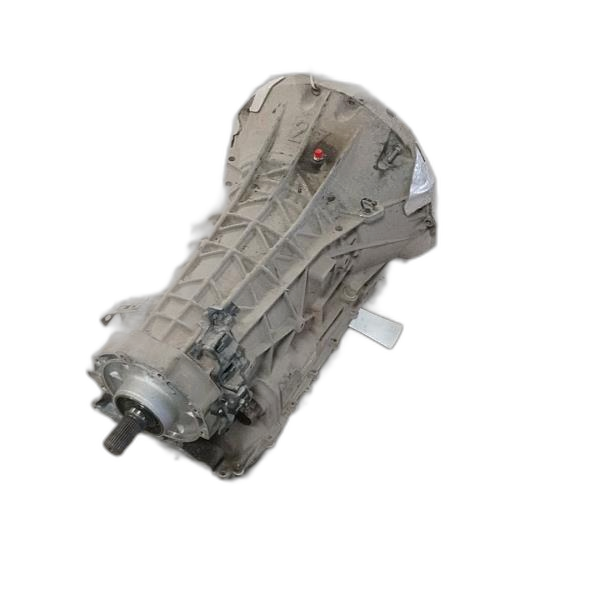



The information in this article is provided for general reference and educational purposes only. Vehicle specifications, procedures, and part compatibility can vary by production date, trim level, and region. Always consult your vehicle's factory service manual and verify part numbers before purchasing or performing repairs. Safety-critical components such as airbags, seat belts, and braking systems should be installed by a qualified professional.
- 🧭 Diagnostic Flowchart
- 🎬 Helpful Videos
- 🛍️ Shop This Part
- What Does P0734 Mean?
- Can I Drive With P0734?
- Common Causes
- Symptoms
- Common Fixes & Costs
- DIY vs Professional
- Used vs. New Parts: Buying Guide
- What Happens If You Wait — Timeline
- Cost of Not Fixing It
- Diagnosis Steps
- When This Code Triggers (Freeze-Frame Conditions)
- Related Codes
- Climate & Environmental Factors
- How to Talk to a Mechanic About This Code
- Where to Take It: Dealer vs Independent vs Chain
- When to Walk Away From the Repair
- What Scan Tool You Need for This Code
- How to Clear the Code After You Fix It
- Will This Fail Emissions / State Inspection?
- Most Commonly Affected Vehicles
- Manufacturer-Specific Notes
- Real Owner Stories
- 2015 Hyundai Elantra at 140K miles
- 2012 Ram 2500 with 66RFE at 86K miles
- 2009 Dodge Ram 2500 with 68RFE
- How to Prevent This Code From Triggering
- Frequently Asked Questions
- What are the most common misdiagnoses for P0734?
- Why did my P0734 code appear during highway driving?
- Can I fix a P0734 code myself?
- How much does it cost to fix a P0734 code?
- Will changing the transmission fluid fix a P0734 code?
- What is the difference between P0733 and P0734?
- Can a bad battery cause a P0734 code?
- Key Takeaways
- 🎟️ Get 5% Off