

P0734 on 2009-2010 GMC Sierra 2500: Gear 4 Incorrect Ratio Causes and Fixes
P0734 on a 2009-2010 GMC Sierra 2500 means the transmission is slipping in 4th gear. The most common causes are low/dirty transmission fluid or a failing torque converter in the 6L80/6L90 transmission. A fluid check is the first step, but internal repairs, often stemming from torque converter debris contaminating the system, are frequently needed.
- P0734 indicates a serious 4th gear slipping issue that should be addressed promptly to avoid severe transmission damage.
- Always start by checking the transmission fluid level and condition; this is the simplest and most common initial step.
- On the 2009-2010 Sierra 2500, a failing torque converter is a very common root cause, spreading debris that damages other components.
- Due to the complexity and need for special tools, diagnosis and repair beyond a fluid check are best handled by a professional transmission shop.
What's Unique About the 2009-2010 Gmc SIERRA 2500
The 2009-2010 Sierra 2500 HD typically uses the GM 6L90 six-speed automatic transmission, a heavier-duty version of the 6L80. A well-documented, widespread issue with these units is the failure of the torque converter lock-up clutch (TCC). The clutch material delaminates and sheds fine metallic debris, often described as looking like 'coffee grounds', into the transmission fluid. This contaminated fluid circulates and damages other components, clogging the valve body passages, causing solenoids to stick, and scoring the pump. This contamination is a primary cause of hydraulic pressure loss that leads directly to ratio codes like P0734. A precursor symptom is often a shudder or 'rumble strip' feeling at light throttle between 35-55 mph.
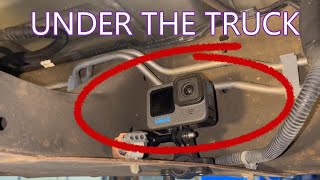
🎬 Watch: Hear what this extreme transmission shudder sounds like.Diagnostic Flowchart
Tap your situation to follow the diagnostic path that matches what you're seeing on this vehicle.
Symptoms You May Notice
- Check Engine Light is on
- Transmission slipping or failing to engage 4th gear
- Delayed or harsh shifting into 4th gear
- Engine RPMs are higher than usual at highway speeds (e.g., over 3000 RPM at 65 mph)
- Decreased fuel economy
- Vehicle may enter "limp mode," locking it in a lower gear
- A shudder or vibration feeling, like driving over a rumble strip, especially between 35-55 mph
- Replacing input or output speed sensors when the problem is actually hydraulic (low fluid) or mechanical (clutch wear). Sensor failures are less common than the mechanical and hydraulic issues on this platform.
- Assuming the transmission needs a full rebuild before checking for simpler issues like low fluid or a faulty solenoid.
- Replacing only the torque converter without flushing the entire system, including the cooler and lines, and inspecting the valve body. This often leads to a repeat failure as leftover debris damages the new converter.
Most Likely Causes
- Low or Dirty Transmission Fluid 🔴 High Probability → Shop Transmission Assembly Fluid can become contaminated with debris from normal wear or, more commonly on this platform, from a failing torque converter. This debris clogs filters and passages, leading to pressure loss.
How to confirm: Check the transmission fluid level and condition using the dipstick. The fluid should be at the correct level, red in color, and not smell burnt. Dark, brown, or metallic-flecked fluid (like 'coffee grounds') indicates a problem requiring more than just a fluid change.
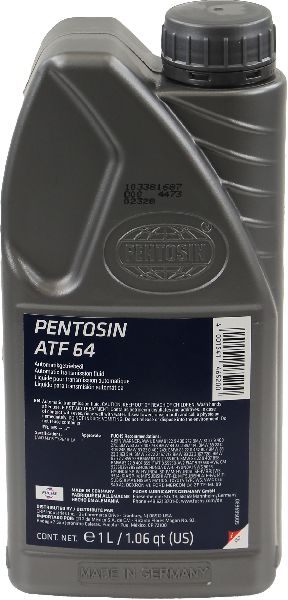
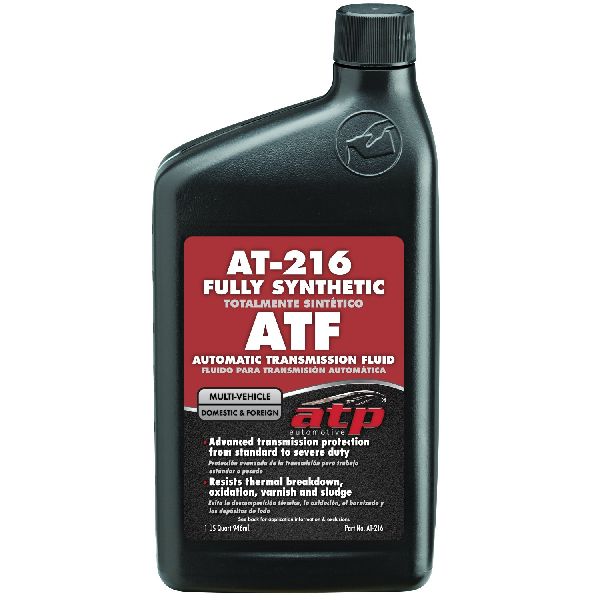
Typical fix: Perform a transmission fluid and filter change. If the fluid is heavily contaminated, a full fluid flush and inspection for the source of the debris is necessary.
Est. part cost: $50-$150 - Failing Torque Converter 🔴 High Probability → Shop Automatic Transmission Torque Converter The 6L80/6L90 transmissions are known for issues with the torque converter clutch (TCC), which can fail and shed debris throughout the transmission, leading to various shifting problems including P0734. A common symptom is a shudder at speeds between 35-55 mph. This is considered a primary root cause on this platform.
How to confirm: A technician can monitor torque converter slip data with a scan tool. The presence of code P0741 (Torque Converter Clutch Circuit Performance or Stuck Off) is a very strong indicator. Significant metallic debris in the transmission pan is definitive proof of this or another internal mechanical failure.
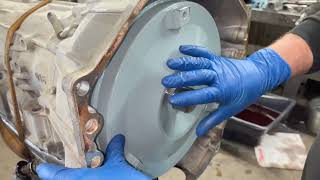
Typical fix: Replace the torque converter and perform a complete transmission flush to remove all debris. Often, the valve body must also be cleaned or replaced, and in severe cases, the transmission requires a full rebuild. Upgraded torque converters with billet front covers are a common solution to prevent repeat failures. 🎬 See how experts fix these common GM transmission failures.
Est. part cost: $400-$800 - Faulty Shift Solenoid or Valve Body (TEHCM) 🟡 Medium Probability → Shop Transmission Valve Body Debris from a failing torque converter can clog the small passages in the valve body or cause the solenoids to stick or fail electronically. The 6L90 integrates the solenoids and control module into a single unit called the TEHCM (Transmission Electro-Hydraulic Control Module), which is located inside the oil pan.
How to confirm: A technician can use a high-end scan tool to command the specific shift solenoids and monitor their response. Resistance tests can also be performed on the solenoids. Multiple solenoid or pressure switch codes often point to a failing TEHCM.
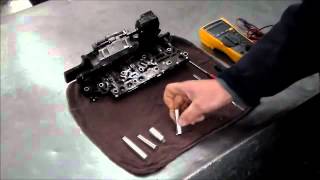
Typical fix: Replace the faulty shift solenoid(s) or the entire TEHCM assembly. This requires removing the transmission oil pan and must be followed by a programming procedure. 🎬 Watch: How to rebuild the TEHCM pressure switches.
Est. part cost: $250-$700 - Internal Mechanical Failure (e.g., 4-5-6 Clutch Pack) ⚪ Low Probability While durable, high mileage or severe use can lead to wear of internal components. The 4-5-6 clutch pack is responsible for 4th gear engagement. The pistons for these clutch packs are also known to crack, leading to a loss of hydraulic pressure.
How to confirm: This is typically diagnosed after all external and hydraulic causes have been ruled out. It requires a transmission pressure test and, ultimately, disassembly of the transmission to inspect the clutch packs and pistons.
Typical fix: Rebuild or replace the transmission.
Est. part cost: $1500-$4500+
Rare But Worth Checking
- Faulty Transmission Control Module (TCM): → Shop Transmission Assembly On the 6L90, the TCM is part of the TEHCM inside the pan. While a TEHCM failure is a medium probability, a failure of just the computer logic portion is less common than a solenoid or pressure switch failure within the unit. This should only be considered after all other possibilities, including wiring, have been thoroughly exhausted.
- Damaged Wiring or Connectors: An open or short in the wiring to the transmission, particularly the main 16-way connector, can cause this and other communication codes. TSB 08-07-30-021G addresses issues with backed-out terminals in this connector causing various transmission problems. A visual inspection of the harness for damage is a worthwhile step.
Diagnosis Steps
- Check and verify the transmission fluid level and condition. Look for a burnt smell or dark, metallic fluid.
- Use an OBD-II scanner to check for other transmission-related codes, such as P0700 or P0741, which strongly point to the root cause.
- Inspect the transmission wiring harness and the main 16-pin connector for any visible damage, corrosion, or backed-out pins per TSB 08-07-30-021G.
- With a professional scan tool, monitor real-time data: Input Speed, Output Speed, and Torque Converter Clutch (TCC) slip RPM while driving to confirm the slip in 4th gear and check for TCC issues.
- Perform a transmission line pressure test to check for hydraulic issues. Low pressure indicates internal leaks or a failing pump.
- If pressure is low or fluid is contaminated, drop the transmission pan to inspect for metal debris. A layer of fine, dark metallic 'sludge' is a classic sign of torque converter failure.
- Test the function of the shift solenoids using a scan tool and check their electrical resistance. If multiple solenoid codes are present, suspect the TEHCM itself.
- If all other tests are inconclusive, an internal transmission inspection is necessary to check for worn/burnt 4-5-6 clutches or cracked pistons.
Parts You'll Likely Need
- Transmission Fluid and Filter Kit
(OEM #Fluid: DEXRON-VI) - Torque Converter
- Transmission Electro-Hydraulic Control Module (TEHCM)
(OEM #24256861) - 4-5-6 Clutch Rebuild Kit
Related Codes That Often Appear With This One
- P0700 — This is a general transmission fault code. It means the TCM has detected a problem and has requested the main engine computer (ECM) to turn on the Check Engine Light. P0700 will almost always be present with any specific transmission code like P0734.
- P0741 — This code indicates a problem with the Torque Converter Clutch (TCC) circuit. It is very common on these trucks and strongly suggests the TCC is failing and is the root cause of the debris causing the P0734 code.
- P0731, P0732, P0733, P0735 — These are incorrect gear ratio codes for other gears (1st, 2nd, 3rd, 5th). Seeing multiple ratio codes together points to a widespread issue like critically low fluid, a failing torque converter sending debris system-wide, or a major hydraulic failure within the TEHCM.
- P0894 — This code for 'Transmission Component Slipping' is a more general slip code that frequently accompanies specific gear ratio errors like P0734, reinforcing the diagnosis of internal slippage.
Technical Service Bulletins (TSBs) & Recalls
- TSB #PIP4379N: This is a preliminary bulletin listing a wide range of transmission codes, including P0734, related to delayed or no gear engagement. It advises technicians to follow standard diagnostic procedures for these codes, indicating a known pattern of issues without pointing to a single cause.
- TSB #08-07-30-021G: This bulletin addresses loss of communication and various electrical issues with the transmission, including defaulting to one gear. The cause is identified as backed-out terminals in the 16-way transmission harness connector. While not specific to P0734, it's a relevant diagnostic step for electrical issues affecting the 6L90.
Platform-Specific Known Issues
- Torque Converter Clutch (TCC) Failure and Debris Contamination: → Shop Automatic Transmission Torque Converter The most prevalent issue for P0734 on the 6L90 is the failure of the TCC. The clutch lining disintegrates, sending abrasive material throughout the transmission. This clogs the filter, TEHCM solenoids, and valve body, leading to pressure loss and gear ratio codes. Owners often report a shudder between 35-55 mph as the first symptom before the code appears. A complete fix requires replacing the converter and thoroughly flushing the entire transmission and cooler lines.
- Forum Discussion: SilveradoSierra.com - P0734 and P0700: On the Silverado & Sierra owner forums, multiple threads discuss P0734 appearing alongside P0700. Owners who caught the issue early and only had a fluid/filter change often report the problem returning. The consensus repair, confirmed by technicians on the forum, is the replacement of the torque converter, a full fluid flush, and often the TEHCM/valve body due to contamination. This is a well-trodden path for GMT900 HD truck owners.
- Cracked 4-5-6 Clutch Piston: While less common than the torque converter failure, another documented cause for a loss of 4th gear is a cracked 4-5-6 clutch apply piston. This internal component is made of stamped steel and can develop stress fractures, causing a hydraulic leak that prevents the clutch pack from engaging fully. This failure requires a full transmission teardown to access and replace the piston and inspect the clutches for heat damage.
Mechanic-Grade Diagnostic Values
- TEHCM Shift Solenoid (On/Off type) Resistance — expected: 20-40 Ohms. Failure: Readings outside this range indicate a failed solenoid coil, requiring TEHCM replacement.
- TEHCM Pressure Control Solenoid (PWM type) Resistance — expected: 3-8 Ohms (some sources state 5-6 Ohms). Failure: Readings outside this range indicate a failed solenoid coil, requiring TEHCM replacement.
- Transmission Line Pressure at Idle (in Park/Neutral) — expected: Approximately 45-80 PSI. Failure: Pressure significantly below this range indicates a potential pump issue, internal leak, or worn pressure regulator valve bore.
- Transmission Line Pressure at Wide Open Throttle (WOT) Stall — expected: Upwards of 300 PSI. Failure: Failure to reach high pressure under load confirms a major hydraulic integrity problem (pump, regulator, internal seals). This test should be done very briefly to avoid damage.
Scan Tool Commands That Help
- GDS2 (GM Global Diagnostic System 2): Solenoid Control / Output Control — To individually command each shift and pressure control solenoid on and off to verify mechanical operation (listen for a click) and check for circuit faults without removing the TEHCM.
- GDS2 or similar professional scan tool: Automated Solenoid Cleaning Process — If a solenoid performance DTC is set, this function cycles all solenoids in Park to attempt to flush debris from the solenoid and valve body circuits. This can be attempted before deciding to replace the TEHCM.
- GDS2 or similar J2534 programming tool: TEHCM Programming/Setup — This is mandatory after replacing the TEHCM. The new module must be programmed with the vehicle's VIN and the latest software calibration before the engine will start or the transmission will shift.
Wiring & Ground Locations
- Main Transmission Connector (16-pin) — On the passenger side of the transmission case.. This is the primary electrical interface for the entire transmission. Pin 5 is the main ground, Pin 4 is Battery+, and Pins 10/11 and 13/14 are for CAN bus communication. A bad connection here can cause numerous codes, including P0734.
- G103 — On the front of the passenger side cylinder head.. This is a primary engine ground point. A poor connection here can cause electrical noise and voltage issues for various modules, potentially affecting TCM/ECM communication and sensor readings.
- G102 — On the rear of the driver's side cylinder head.. Another critical engine ground point. Issues here can lead to a range of seemingly unrelated electrical problems that can sometimes manifest as transmission faults.
- Pressure Test Port — On the passenger's side of the transmission, behind the bell housing area.. This is the physical access point needed to connect a pressure gauge to perform line pressure tests, which are essential for diagnosing hydraulic faults that cause slipping and ratio codes.
Real Owner Repair Stories
- YouTube video by channel 'zay zay' (2010 GMC Sierra 2500 HD with 6L90 transmission) — Transmission failure requiring replacement.
❌ Tried (didn't work) Attempting to install a replacement 6L90 transmission from a different, newer model year truck.
✅ What actually fixed it The owner discovered that the replacement transmission had a 4-inch long tail shaft housing, while his original 2010 model had a 5-inch long housing. The output shaft was also an inch shorter on the newer unit. This made the replacement incompatible. The final fix required disassembling both transmissions and swapping the entire gear train and internal components from the 'new' unit into his original 2010 case and tail shaft housing.
"I Checked Everything" — The Actual Cause
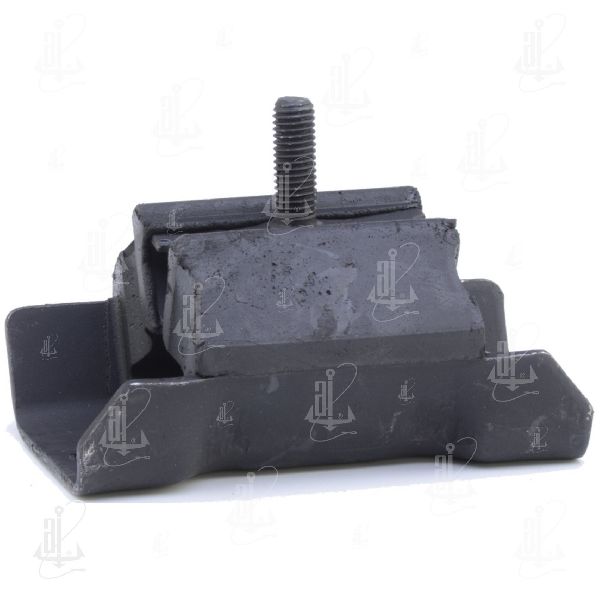
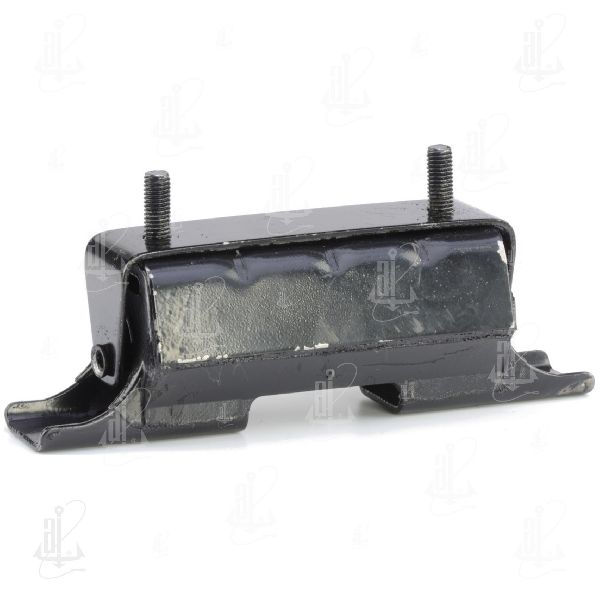
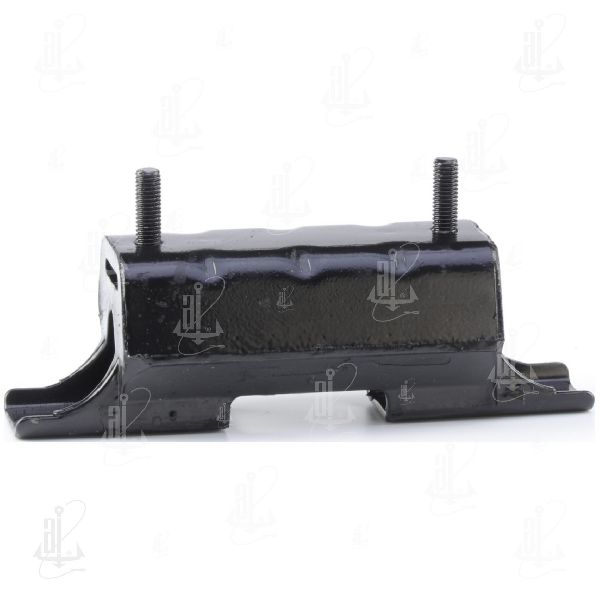
- In cases where a torque converter shudder is present (a common precursor to debris-related codes like P0734), and the transmission fluid has been changed without success, the cause may not be the torque converter itself. Worn or failed engine and transmission mounts can allow excessive powertrain movement that mimics a TCC shudder. An inspection of the mounts for collapse or damage should be performed to rule out this possibility before condemning the torque converter.
When the Usual Fixes Don't Work
- While the most common cause of a 'rumble strip' shudder vibration on this platform is a failing torque converter clutch, it is not the only cause. In some documented cases, identical symptoms were resolved by replacing worn or collapsed OEM motor mounts. The failed mounts allowed the engine and transmission to vibrate under load in a way that was indistinguishable from TCC shudder. This should be considered as a possible misdiagnosis, especially if a transmission fluid exchange does not resolve the shudder symptom.
OEM Part Supersession History
24256861→19435614, 19434978— Part has been updated by the manufacturer over time.
Heads up: Extreme caution is advised. While this part number is listed by aftermarket suppliers for 6L90 TEHCMs, GM TSB PIP4560N explicitly identifies P/N 24256861 as the Transmission Control Module for the Allison LCT1000, which is an external module. The 6L90 uses an internal TEHCM. Furthermore, TEHCMs are specific to the vehicle's year and calibration (Tag ID) and are not interchangeable. Installing the wrong part, even if it fits, will result in a no-start or immediate limp mode. Always verify the correct part number by VIN.
Model Year Variations Within This Range
- 2009-2010 vs later models: The physical construction of the 6L90 transmission case and output shaft can differ. For example, a 2010 Sierra 2500 uses a 6L90 with a 5-inch long tail shaft housing, while some later models use a 4-inch housing and a correspondingly shorter output shaft, making them physically incompatible for a direct swap.
- All years: The Transmission Electro-Hydraulic Control Module (TEHCM) has many different hardware and software versions identified by a 'Tag ID'. These versions are not interchangeable between years or even different vehicle applications. Installing a TEHCM with the wrong Tag ID will cause immediate shifting problems or a no-start condition.
Helpful Videos
We Have This Part in Stock

The information in this article is provided for general reference and educational purposes only. Vehicle specifications, procedures, and part compatibility can vary by production date, trim level, and region. Always consult your vehicle's factory service manual and verify part numbers before purchasing or performing repairs. Safety-critical components such as airbags, seat belts, and braking systems should be installed by a qualified professional.
- Gmc SIERRA 2500:
- 🧭 Diagnostic Flowchart
- 🎬 Helpful Videos
- 🛍️ Shop This Part
- What's Unique About the 2009-2010 Gmc SIERRA 2500
- Symptoms You May Notice
- Most Likely Causes
- Rare But Worth Checking
- Diagnosis Steps
- Parts You'll Likely Need
- Related Codes That Often Appear With This One
- Technical Service Bulletins (TSBs) & Recalls
- Platform-Specific Known Issues
- Mechanic-Grade Diagnostic Values
- Scan Tool Commands That Help
- Wiring & Ground Locations
- Real Owner Repair Stories
- "I Checked Everything" — The Actual Cause
- When the Usual Fixes Don't Work
- OEM Part Supersession History
- Model Year Variations Within This Range
- 🎟️ Get 5% Off