

P0735 on 2008-2011 Land Rover Range Rover: Gear 5 Incorrect Ratio Causes and Fixes
On a 2008-2011 Range Rover, code P0735 is most often caused by a worn rear stator support bushing inside the ZF 6-speed automatic transmission, as noted in a Land Rover TSB. This wear causes a hydraulic pressure leak to the E-clutch, preventing 5th gear from engaging correctly. This is a major repair requiring transmission removal, with shop costs likely ranging from $1,500 to $3,000 for the bushing replacement, versus $7,500+ for a full transmission replacement at a dealer.
- P0735 on a 2008-2011 Range Rover indicates a slip in 5th gear.
- The most probable cause is a known defect with an internal transmission bushing, as documented in a Land Rover TSB.
- Always start diagnosis by checking the transmission fluid level and condition, but be prepared for a more complex mechanical repair.
- This is not a DIY-friendly repair; it requires transmission removal and should be handled by a qualified professional.
- Simply replacing solenoids or fluid is unlikely to fix the problem if the stator bushing is the root cause.
What's Unique About the 2008-2011 Land Rover RANGE ROVER
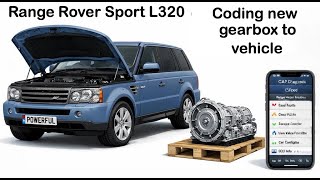
The 2008-2011 Range Rover (L322) uses a ZF 6HP26 or 6HP28 automatic transmission. Land Rover issued a Technical Service Bulletin (TSB #LTB00514NAS1) that directly links P0735 to the premature wear of a specific internal part: the stator support bushing. The original lead-free bushing material is known to fail, causing a loss of hydraulic pressure in the E-clutch circuit, which is required for 4th, 5th, and 6th gears. When the bushing wears, pressure drops, the E-clutch slips, and the TCM detects the incorrect ratio, triggering the code. 🎬 Watch: A deep dive into P0735 causes and solutions. While other causes are possible, this bushing is a well-documented weak point on this specific transmission used across many European brands.
Diagnostic Flowchart
Tap your situation to follow the diagnostic path that matches what you're seeing on this vehicle.
Symptoms You May Notice
- Check Engine Light or 'Transmission Fault' message is on
- Transmission hesitates or refuses to shift into 5th gear
- Engine RPMs flare up during the 4-5 shift, indicating slippage. This is often more noticeable when the transmission is warm or under moderate acceleration.
- Harsh or delayed shifting, particularly around 5th gear.
- Vehicle enters a restricted performance or 'limp mode', often stuck in 3rd gear.
- Reduced fuel economy due to inability to use higher gears efficiently.
- A sensation of lost power when trying to accelerate at highway speeds.
- Replacing the entire transmission when only the stator bushing and related seals are needed. This can be the difference between a $2,500 repair and a $7,500+ dealer replacement.
- Replacing shift solenoids when the underlying problem is a hydraulic leak caused by the worn bushing. The solenoids may be functioning correctly but cannot compensate for the lack of pressure.
Most Likely Causes
- Worn Rear Stator Support Bushing 🔴 High Probability → Shop Automatic Transmission Stator Support Gasket As identified in TSB #LTB00514NAS1, the original lead-free bushing material in the ZF 6HP26/28 transmission is prone to premature wear. This wear causes a hydraulic pressure leak in the E-clutch circuit, which is responsible for engaging 4th, 5th, and 6th gears.
How to confirm: This is often a diagnosis of exclusion. If the fluid level and condition are correct and solenoids test okay, the bushing is the primary suspect. A definitive diagnosis requires transmission disassembly and visual inspection of the bushing for scoring and wear.
Typical fix: Remove the transmission and replace the worn stator support bushing with an upgraded, more durable aftermarket version (e.g., Sonnax 95030-02). This is also a good time to replace other known wear items like the bridge seal and mechatronic sleeve seal.
Est. part cost: $20-$50 - Low or Degraded Transmission Fluid 🟡 Medium Probability → Shop Transmission Assembly The manufacturer's 'lifetime fill' recommendation is debated, and fluid breakdown over 75,000+ miles can lead to poor hydraulic performance and increased wear.
How to confirm: Check the transmission fluid level and condition according to the manufacturer's procedure (vehicle running, at a specific temperature). The fluid should be at the correct level and not smell burnt or contain excessive metal particles.
Typical fix: Perform a transmission fluid and filter service using the correct ZF Lifeguard 6 fluid or an approved equivalent like Mercon SP. A drain-and-fill is often recommended over a high-pressure flush on high-mileage transmissions.
Est. part cost: $200-$400 - Faulty Shift Solenoid ⚪ Low Probability → Shop Transmission Valve Body
How to confirm: A diagnostic scan tool with bidirectional control can command the specific solenoid for 5th gear on and off to check for a response. Resistance can also be measured. However, a user on Reddit noted that if shifts are fine under light load, a solenoid is less likely to be the issue than a pressure leak.
Typical fix: Replace the faulty shift solenoid. This requires dropping the transmission pan and valve body. Solenoids are often replaced as a complete set.
Est. part cost: $50-$300
Rare But Worth Checking
- Worn Internal Clutch Packs: While less common than the stator bushing issue, general wear and tear can cause the E-clutch pack itself to burn out from slipping. This is more likely on very high-mileage vehicles or as a result of prolonged driving with the bushing issue.
- Faulty Transmission Control Module (TCM) or Valve Body: → Shop Transmission Assembly In rare cases, the TCM (mechatronic unit) can fail, causing incorrect commands. More commonly, the separator plate or seals on the valve body can degrade, causing internal pressure leaks that mimic other issues.
Diagnosis Steps
- Check and verify the transmission fluid level and condition. This must be done with the engine running and the transmission at a specific temperature (usually 30-50°C). Ensure the correct fluid type (ZF Lifeguard 6 or equivalent) is being used.
- Use an advanced scan tool to check for any other transmission-related DTCs. Pay close attention to codes for solenoids, speed sensors, or other gear ratios (P0729, P0734).
- Monitor live data from the input (turbine) and output speed sensors while driving to confirm the slippage in 5th gear. The ratio of input speed to output speed will deviate from the target value when the slip occurs.
- If possible, use the scan tool to perform a pressure test and command individual solenoids to test their function.
- If fluid and solenoids appear to be in good working order, the next step is to suspect an internal mechanical fault, with the stator support bushing being the most likely culprit based on TSB LTB00514NAS1.
- The final diagnostic step is to remove the transmission for internal inspection of the stator support bushing, E-clutch pack, and valve body seals.
Parts You'll Likely Need
- Rear Stator Support Bushing — This is the most likely point of failure according to Land Rover TSB LTB00514NAS1. The original bushing wears out, causing a pressure loss to the E-clutch.
Trusted brands: Sonnax (Part #95030-02)
OEM price range: N/A
Aftermarket price range: $20-$50 - Transmission Pan/Filter and Gasket Kit
(OEM #LR007474)— This should be replaced any time the transmission is serviced. The filter is integrated into the pan on these models.
Trusted brands: ZF (OEM), Vaico, Britpart
OEM price range: $110-$250
Aftermarket price range: $80-$150 - ZF Lifeguard 6 Automatic Transmission Fluid
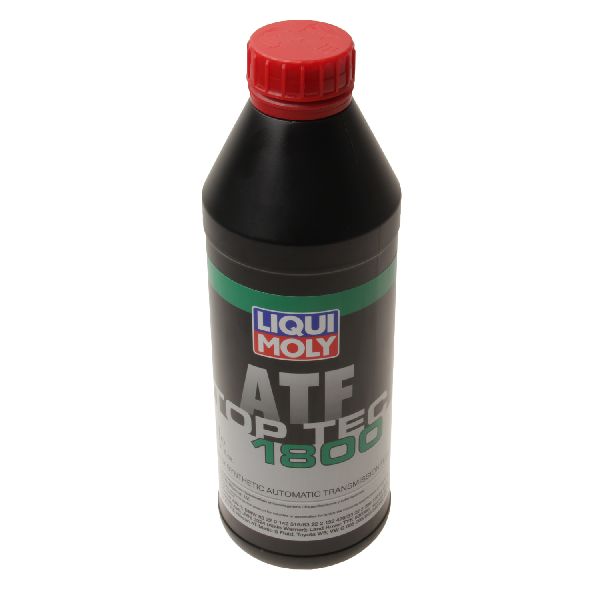
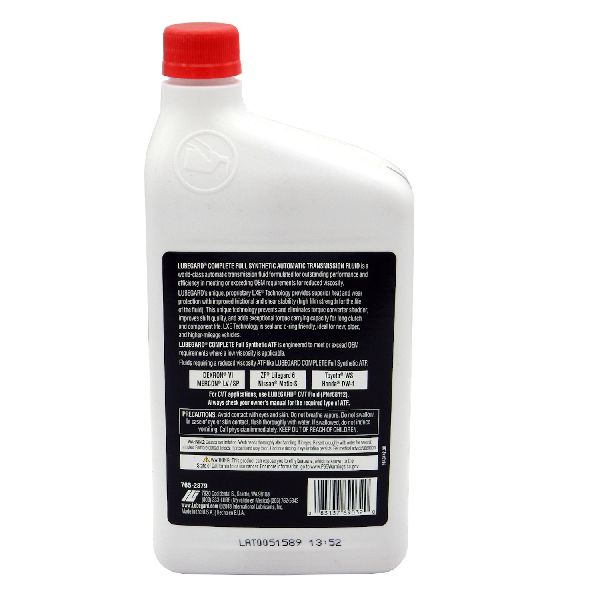
(OEM #LRN13754 / TYK500050)— This is the OEM-specified fluid (Shell M-1375.4) required for the ZF 6HP26/28 transmission. Using the correct fluid is critical for transmission health. Mercon SP is a commonly cited approved alternative.
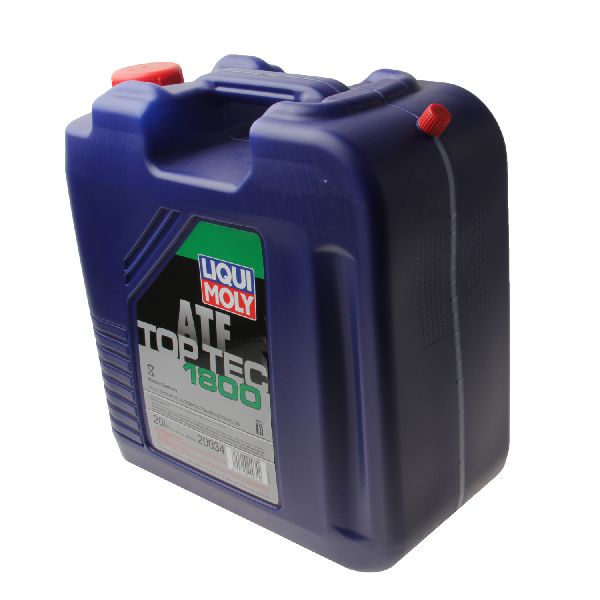
Trusted brands: ZF, Liqui Moly (Top Tec 1800), Motorcraft (Mercon SP)
OEM price range: $20-$30 per liter
Aftermarket price range: $15-$25 per liter - Mechatronic Sealing Sleeve Kit (Bridge Seal and Tube Seals)
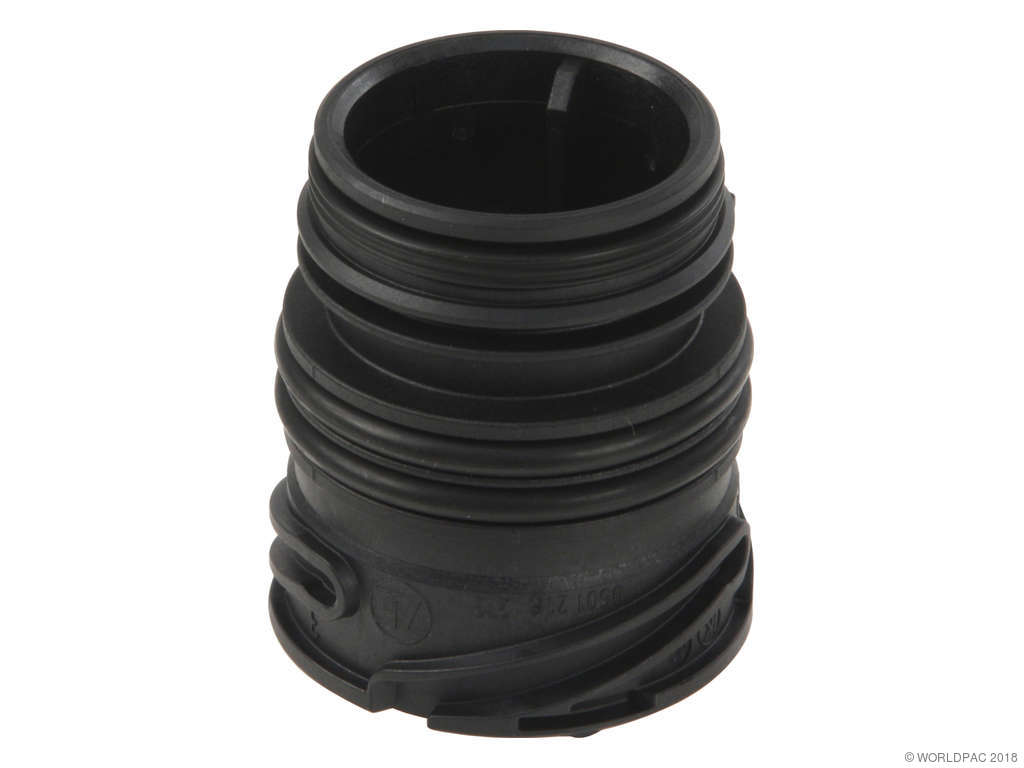
(OEM #0501-219-952 (Bridge Seal), 0501-216-272 (Connector Sleeve))— These seals are critical for maintaining hydraulic pressure between the valve body (mechatronic) and the transmission case. They are made of plastic and rubber and become brittle over time, leading to pressure loss that can cause various shifting faults. They should always be replaced when the valve body is removed.
Trusted brands: ZF (OEM), Corteco, Sonnax
OEM price range: $50-$100
Aftermarket price range: $30-$70
Related Codes That Often Appear With This One
- P0730 — P0730 is a general 'Incorrect Gear Ratio' code. It often appears alongside a more specific gear ratio code like P0735, indicating a detected slip.
- P0729 — This code indicates an incorrect ratio for 6th gear. Both P0729 and P0735 are mentioned in TSB LTB00514NAS1 as being caused by the same stator bushing wear, since the E-clutch is used for both gears.
- P0734 — This code indicates an incorrect ratio for 4th gear. Since the E-clutch is also involved in the 3-4 shift, seeing P0734, P0735, and P0729 together strongly points to the common stator bushing failure.
- P0731, P0732, P0733 — These are incorrect ratio codes for gears 1 through 3. If multiple gear ratio codes are present across different clutch circuits, it points more strongly to a systemic issue like very low fluid or a failing torque converter.
Technical Service Bulletins (TSBs) & Recalls
- LTB00514NAS1: Addresses the transmission MIL being illuminated with DTCs P0729 to P0735, P0783, and P2702 to P2704, citing the cause as potential wear of the stator lead-free bushing.
Platform-Specific Known Issues
- Technical Service Bulletin LTB00514NAS1 was issued for the 2008-2011 Range Rover (and other models with the 6HP28) specifically for codes P0729-P0735, pointing to wear of the stator lead-free bushing as the primary cause of a pressure loss to the E-clutch.
Mechanic-Grade Diagnostic Values
- Shift Solenoid Resistance — expected: Approximately 5.0 ohms at 68°F (20°C). Failure: A reading significantly higher or lower than 5.0 ohms indicates a faulty solenoid coil.
Scan Tool Commands That Help
- Land Rover SDD, iCarsoft LR series, or equivalent advanced scanner: Reset Adaptation / Clear Adaptations / Transmission Adaptation Reset — This is a critical step after replacing transmission fluid, solenoids, the valve body, or performing any internal repair. It clears the TCM's learned values, which compensate for old fluid and worn components. Failure to reset adaptations can result in continued poor shifting even after the repair is complete. A specific re-learn drive cycle must be performed afterward.
Wiring & Ground Locations
- Main Chassis-to-Body Earth — Under the front right (passenger side for LHD) wing, behind the plastic wheel arch liner.. This is a primary ground point for the vehicle. Corrosion or looseness here can cause a host of seemingly unrelated electronic issues, including erratic behavior from the TCM and other control modules due to unstable voltage.
- TCM / ECM Ground — In the left footwell (driver's side for LHD), behind the trim panel.. A poor ground connection at this point can directly affect the operation of the Transmission Control Module (TCM) and Engine Control Module (ECM), potentially causing communication errors (like U0101) or incorrect sensor readings that could indirectly contribute to shifting problems.
- Transmission Main Connector (C0193) — On the side of the transmission housing, where the main vehicle harness connects to the mechatronic unit's internal wiring.. This is the single point of connection for all electronic signals to and from the transmission (solenoids, speed sensors). The sealing sleeve for this connector is a known failure point, allowing fluid to leak and potentially wick up the harness, causing short circuits or poor connections for the solenoids that control 5th gear.
Real Owner Repair Stories
- Reddit user in r/RangeRover (2008 Range Rover 4.4L V8 w/ 179k miles) — No-start condition, battery drain, poor gas mileage, and transmission shifting issues. The most repeated DTC was U0101 (Lost communication with TCM), which often accompanies severe transmission faults.
❌ Tried (didn't work) Replacing the steering angle sensor, installing a jumper wire in the engine fuse box.
✅ What actually fixed it The user's problem was traced to a complex wiring issue that started after dashboard disassembly, leading to communication loss with the TCM. While not a direct P0735 fix, it highlights how electrical issues (bad grounds, damaged harnesses) can manifest as severe transmission symptoms and codes. The dealership ultimately quoted a full wiring harness replacement.
OEM Part Supersession History
Varies (Original Mechatronic Seals)→ZF Part Kit (includes Bridge Seal 0501-219-952, Connector Sleeve 0501-216-272, and 4 tube seals)— The original seals made of plastic and rubber become hard and brittle with age and heat cycles, leading to hydraulic pressure loss. The replacement kits use improved materials.
Heads up: It is critical to replace all seals in the kit (bridge seal, connector sleeve, and the four small tube seals) any time the valve body is removed. Failure to replace all of them can result in an immediate or future leak, causing the same shifting problems to return.
Model Year Variations Within This Range
- 2008-2011: The ZF 6HP26 transmission was updated to the 'Generation 2' 6HP28 around 2006-2007. The 2008-2011 Range Rovers covered in this guide use the Gen 2 (6HP28) version, which featured an upgraded mechatronic for faster shifts. While the stator bushing issue persists, it's important to ensure replacement parts like valve body seals are specified for the Gen 2 / 6HP28 version.
Helpful Videos

We Have This Part in Stock

The information in this article is provided for general reference and educational purposes only. Vehicle specifications, procedures, and part compatibility can vary by production date, trim level, and region. Always consult your vehicle's factory service manual and verify part numbers before purchasing or performing repairs. Safety-critical components such as airbags, seat belts, and braking systems should be installed by a qualified professional.
- Land Rover RANGE ROVER:
- 🧭 Diagnostic Flowchart
- 🎬 Helpful Videos
- 🛍️ Shop This Part
- What's Unique About the 2008-2011 Land Rover RANGE ROVER
- Symptoms You May Notice
- Most Likely Causes
- Rare But Worth Checking
- Diagnosis Steps
- Parts You'll Likely Need
- Related Codes That Often Appear With This One
- Technical Service Bulletins (TSBs) & Recalls
- Platform-Specific Known Issues
- Mechanic-Grade Diagnostic Values
- Scan Tool Commands That Help
- Wiring & Ground Locations
- Real Owner Repair Stories
- OEM Part Supersession History
- Model Year Variations Within This Range
- 🎟️ Get 5% Off