

P0735 on 2018-2023 Lincoln Navigator: Gear 5 Incorrect Ratio Causes and Fixes
On a 2018-2023 Lincoln Navigator, code P0735 indicates a 'Gear 5 Incorrect Ratio' in the 10-speed 10R80 transmission. The most common causes are low transmission fluid, a software glitch requiring a dealer update per Ford's technical service bulletins, or a faulty valve body. A key issue identified in TSBs is the potential for sticking valves or axial movement of the CDF clutch cylinder sleeve. A fluid check is the first step, but a trip to the dealer for software and TSB checks is often necessa
- P0735 on your Navigator means the 10-speed transmission has a problem with 5th gear.
- Do not immediately assume the worst. The problem is very often low/dirty fluid or a software glitch that a dealer can fix by reprogramming the computer.
- Check for TSBs. Ford has acknowledged shifting problems with this transmission and has provided specific repair paths for dealers to follow.
- Due to the complexity of the 10R80 transmission, this code almost always requires professional diagnosis with specialized equipment.
What's Unique About the 2018-2023 Lincoln NAVIGATOR
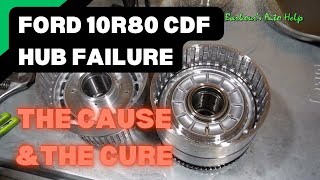
The 2018-2023 Lincoln Navigator uses the Ford 10R80 10-speed automatic transmission, which is known for shifting issues that can trigger this code. Ford has issued multiple Technical Service Bulletins (TSBs) acknowledging that harsh or delayed shifts can be caused by software issues, sticking valves within the main control valve body, or a problematic CDF clutch cylinder sleeve. 🎬 Watch: A deep dive into why the CDF hub fails. These issues are so prevalent that a class-action lawsuit has been filed concerning the performance of the 10R80 transmission in various Ford and Lincoln models, including the Navigator.
Diagnostic Flowchart
Tap your situation to follow the diagnostic path that matches what you're seeing on this vehicle.
Symptoms You May Notice
- Harsh, delayed, or failed shifts into 5th gear.
- Vehicle entering 'limp mode,' where it gets stuck in a single gear.
- Check Engine Light or Malfunction Indicator Lamp (MIL) is on.
- A feeling of the transmission slipping or a brief RPM flare when shifting.
- Abnormally high engine RPM without a corresponding increase in speed.
- Poor fuel economy.
- Torque converter shudder at cruising speeds (40-60 mph).
- Delayed or harsh engagement when shifting from Park to Drive.
- Replacing a single shift solenoid when the entire valve body is faulty or a software update is needed.
- Condemning the entire transmission for an internal failure before thoroughly checking for TSBs related to software or the valve body.
- Mistaking an engine performance issue, like a misfire, for a transmission slip, leading to unnecessary transmission repairs.
- Replacing the valve body but failing to program the new 13-digit solenoid body strategy into the vehicle's computer, which can cause continued or new shifting problems.
Most Likely Causes
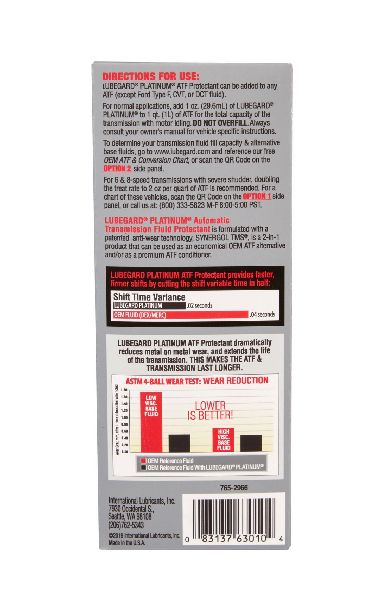
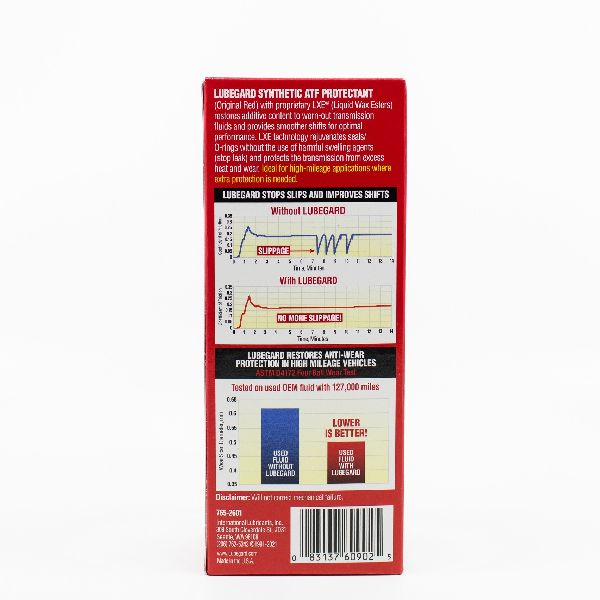
- Low or Contaminated Transmission Fluid 🔴 High Probability → Shop Transmission Assembly Fluid is the lifeblood of the transmission, and any deviation from the specified level or condition can cause hydraulic pressure issues, leading to shifting errors. The 10R80 requires a specific fluid, Motorcraft MERCON ULV.
How to confirm: Check the transmission fluid level and condition according to the manufacturer's procedure. The fluid should be at the correct level, red in color, and not smell burnt. Glitter or excessive metal shavings in the fluid indicate internal mechanical wear.
Typical fix: Top off the fluid or perform a complete fluid and filter change using the correct specification fluid (Motorcraft MERCON ULV).
Est. part cost: $150-$300 for fluid and filter - Powertrain/Transmission Control Module (PCM/TCM) Software Issue 🔴 High Probability → Shop Transmission Assembly Ford has released multiple TSBs (e.g., TSB 23-2250, TSB 23-2123) indicating that the adaptive learning strategy can fail to adapt to hardware break-in, causing numerous shifting DTCs, including P0735. This is a primary step in the official diagnostic procedure.
How to confirm: A Ford or Lincoln dealer must use their diagnostic tool (IDS) to check the current software calibration and see if an update is available per the TSBs.
Typical fix: Reprogramming the PCM/TCM with the latest software version, followed by a mandatory adaptive learning drive cycle. This is a dealer-only procedure.
Est. part cost: $0 (if under warranty) - $250 - Main Control Valve Body Malfunction 🟡 Medium Probability → Shop Transmission Valve Body TSBs for the 10R80 transmission specifically mention sticking valves in the main control valve body as a primary cause for harsh shifts and DTCs. The solenoids are directly integrated and can have issues with their retaining clips, causing poor hydraulic control.
How to confirm: This is diagnosed after ruling out fluid and software issues. TSB 23-2123 provides a diagnostic flow: if a software reflash and adaptive learn drive cycle do not fix the issue, the next step is to overhaul the valve body.
Typical fix: Overhauling or replacing the main control valve body assembly. TSBs provide a specific procedure for this repair, which includes replacing certain bolts and clips. After replacement, the new 13-digit solenoid body strategy must be programmed into the TCM/PCM using a scan tool.
Est. part cost: $800-$1500 for a new valve body - CDF Clutch Cylinder Sleeve Movement 🟡 Medium Probability → Shop Automatic Transmission Coast Clutch Hub TSB 23-2250 explicitly identifies 'axial movement of the CDF clutch cylinder (7H351) sleeve' as a potential cause. This movement can expose fluid passages, causing pressure loss and shifting faults. This is a well-documented design weakness in early 10R80s, particularly those built before mid-2022.
How to confirm: This is a complex internal diagnosis. It is typically confirmed during a transmission teardown when other TSB procedures (software, valve body) have failed. The sleeve's position is visually inspected.
Typical fix: Replacement of the CDF drum with an updated part (JL3Z-7H351-B) that has a machined lip or step to prevent the sleeve from moving. This is a major transmission repair.
Est. part cost: $400-$800 for the drum assembly, plus significant labor
Rare But Worth Checking
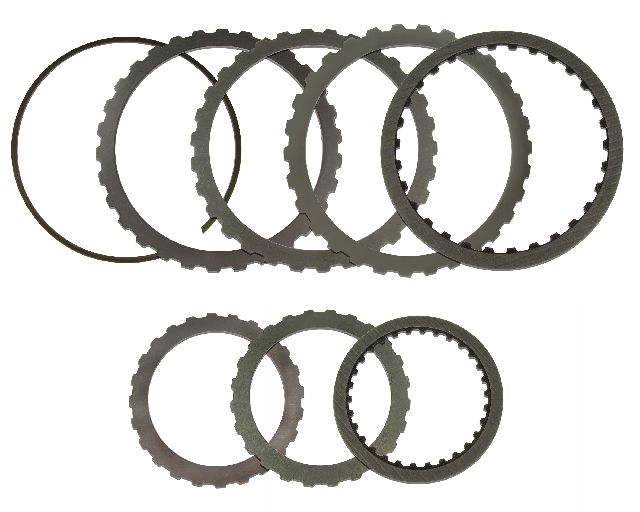
- Internal Mechanical Failure: While less common than valve body or software issues, a worn or damaged 'E' clutch pack, which is used for 5th gear, can cause this code. A case study on a Ford F-150 with the same 10R80 transmission and P0735/P2704 codes required a transmission teardown to inspect the clutch.
- Engine Misfire: In a bizarre but documented case study in Gears Magazine on a 10R80 transmission, severe engine misfires from fouled spark plugs caused the computer to misinterpret transmission data, leading to P0735 and slipping symptoms isolated to 5th gear. The transmission itself was fine, and replacing the spark plugs resolved the issue.
Diagnosis Steps
- Check for other stored Diagnostic Trouble Codes (DTCs). Address any other transmission or engine codes first, paying special attention to misfire codes.
- Inspect the transmission fluid level and condition. Ensure it is clean, full, and does not smell burnt. The correct fluid is MERCON ULV.
- Check for any applicable Technical Service Bulletins (TSBs) at a Lincoln dealership. TSBs 23-2250 and 23-2123 are critical for this issue and outline a specific diagnostic path.
- If no DTCs are present but shift issues exist, the TSBs may still apply. The first step is often to reprogram the PCM/TCM and perform the adaptive learning drive cycle.
- If reprogramming does not resolve the issue, the TSBs direct the technician to overhaul the main control valve body.
- If all electronic and hydraulic controls check out, an internal transmission inspection may be necessary to inspect the CDF clutch cylinder sleeve and the 'E' clutch pack for wear or damage.
Parts You'll Likely Need
- Transmission Fluid
(OEM #XT-12-QULV)— Low or dirty fluid is a primary cause of shifting problems and is the first and easiest thing to check and correct. The 10R80 requires this specific Ultra-Low Viscosity fluid.
Trusted brands: Motorcraft (MERCON ULV)
OEM price range: $20-$30 per quart - Main Control Valve Body Assembly
(OEM #JL3Z-7A100-C)— Sticking valves or faulty solenoids within the valve body are a known issue on the 10R80 transmission, as documented in Ford/Lincoln TSBs. This part is a complete assembly including solenoids.
Trusted brands: Motorcraft
OEM price range: $800-$1500
Related Codes That Often Appear With This One
- P2704 — Stands for 'Transmission Friction Element 'E' Apply Time Range/Performance.' The 'E' clutch is involved in the 4-5 shift, so a problem applying it can trigger both P2704 and the P0735 ratio error. These codes are frequently seen together.
- P0729, P0731, P0732, P0733, P0734, P0736 — These are incorrect gear ratio codes for other gears. When multiple ratio codes appear together, it often points to a systemic issue like low fluid, a failing valve body, or a major software problem, as noted in TSBs like 23-2123.
- P163E — This code can appear after replacing the main control valve body. It indicates a software incompatibility, often because the new 13-digit solenoid body strategy was not correctly programmed into the PCM/TCM.
Technical Service Bulletins (TSBs) & Recalls
- TSB 26-2046
- TSB 23-2250
- TSB 23-2123
Platform-Specific Known Issues
- The 10R80 transmission is subject to multiple Technical Service Bulletins (TSBs) for harsh shifting, delayed engagement, and setting various trouble codes, including P0735. The prescribed fixes often involve reprogramming the PCM/TCM or overhauling the valve body.
- A class-action lawsuit has been filed against Ford alleging that the 10R80 transmission is defective, causing harsh shifting, lunging, and hesitation in vehicles including the Lincoln Navigator.
- A known weak point is the CDF clutch drum, where a sleeve can move out of position, causing hydraulic leaks. Ford later updated the drum design with a machined lip to prevent this.
Mechanic-Grade Diagnostic Values
- Shift Solenoid Resistance — expected: 5.0 - 5.4 Ohms at 68°F (20°C). Failure: A reading outside this range indicates a faulty solenoid.
Hidden / Shadow Codes Worth Checking
- P163E: Indicates a software incompatibility between the main control valve body solenoid strategy file and the PCM/TCM software. (see via This code may be set after replacing the main control valve body if the new solenoid strategy information is not programmed correctly using a Ford-compatible scan tool (like IDS). It is triggered if the 12-digit solenoid body ID is entered instead of the required 13-digit strategy number.)
Scan Tool Commands That Help
- Ford IDS, FORScan: Clear Transmission Adaptive Tables / Reset KAM — This function is used to erase the transmission's learned shift patterns. It is a mandatory first step in many TSB procedures and should be performed after any software update, fluid change, or major repair. It must be followed by the Adaptive Learning Drive Cycle.
- Ford IDS: Transmission Strategy Download / Transmission Characterization — This function is required when a new main control valve body is installed. The technician must enter the 13-digit solenoid body strategy number from the new part into the PCM/TCM. Failure to do this will result in poor shifting and may set other codes like P163E.
- Ford IDS, FORScan: Adaptive Learning Drive Cycle — This is not a direct command, but a specific, multi-step driving procedure that must be performed after clearing the adaptive tables to allow the TCM to relearn clutch fill times and shift pressures. It involves a series of light accelerations, stops, and gear selections.
Wiring & Ground Locations
- TCM (Transmission Control Module) — On the passenger side of the vehicle, mounted to the frame rail behind a protective cover. It is not located inside the transmission.. The TCM is the brain of the transmission. All sensor data is processed here, and all commands for shifting are sent from here. A poor connection or a faulty module could be a root cause, though it is less common.
- Transmission Case Connector Pin 17 — This pin on the main transmission case connector serves as a ground, connected to the middle right of the vehicle frame.. A poor ground at this location could cause erratic behavior from sensors and solenoids, potentially leading to incorrect ratio codes.
- Fuse F23 (Engine Compartment) — In the power distribution box located in the engine compartment.. This fuse supplies power to the Transmission Control Module (TCM). A blown or loose fuse would cause a total loss of transmission control.
Real Owner Repair Stories
- Gears Magazine Case Study (2019 Ford F-150, 3.5L Engine, 10R80 Transmission) — Codes P0735 (Gear 5 Incorrect Ratio) and P2704 (Friction Element 'E' Apply Time), with confirmed slipping in 5th gear.
❌ Tried (didn't work) Complete transmission teardown and inspection (no faults found)., Replacement of the main control valve body., Installation of an updated CDF drum., A second transmission teardown and inspection (still no faults found).
✅ What actually fixed it Replacing fouled spark plugs. The engine was experiencing misfires that the PCM misinterpreted as a transmission slip, but only when in 5th gear. - YouTube Repair Video (EJ's GUITARS & MUSIC) (2018 Ford F-150, 4WD, 10R80 Transmission) — Violent hard shift between 1st and 3rd gear, intermittent neutral out on light acceleration.
❌ Tried (didn't work) Initial diagnosis was difficult as solenoid charts didn't point to a clear culprit.
✅ What actually fixed it Replacing the entire main control valve body assembly and then using a scan tool to program the new 'solenoid body strategy' number into the PCM. The programming step was highlighted as critical.
"I Checked Everything" — The Actual Cause
- In a documented case, a 10R80 transmission with a P0735 code underwent a full teardown and valve body replacement with no success. The root cause was ultimately discovered to be engine misfires from bad spark plugs, which the vehicle's computer was misinterpreting as a transmission slip specifically in 5th gear. This highlights that engine performance issues can sometimes manifest as very specific transmission codes.
OEM Part Supersession History
JL3Z-7A100-A→JL3Z-7A100-C— Internal revisions to the valve body and solenoids to improve durability and shift performance.
Heads up: The new part requires the 13-digit solenoid body strategy to be programmed into the PCM/TCM upon installation.HL3Z-7H351-A, JL3Z-7H351-A→JL3Z-7H351-B— The updated CDF clutch drum hub assembly has an improved design (machined lip or step) to prevent the internal sleeve from 'walking' or moving axially, which was a common failure point causing hydraulic leaks.
Model Year Variations Within This Range
- 2018-Mid-2022: Vehicles built before August 16, 2022, are more susceptible to the CDF clutch drum sleeve movement issue. Vehicles built after this date are expected to have the updated drum from the factory.
- 2021+: Forum discussions indicate that Ford revised the outer shell of the 10R80 transmission in the 2021 model year due to known failures, suggesting potential durability improvements in later models.
Helpful Videos
We Have This Part in Stock


The information in this article is provided for general reference and educational purposes only. Vehicle specifications, procedures, and part compatibility can vary by production date, trim level, and region. Always consult your vehicle's factory service manual and verify part numbers before purchasing or performing repairs. Safety-critical components such as airbags, seat belts, and braking systems should be installed by a qualified professional.
- Lincoln NAVIGATOR:
- 🧭 Diagnostic Flowchart
- 🎬 Helpful Videos
- 🛍️ Shop This Part
- What's Unique About the 2018-2023 Lincoln NAVIGATOR
- Symptoms You May Notice
- Most Likely Causes
- Rare But Worth Checking
- Diagnosis Steps
- Parts You'll Likely Need
- Related Codes That Often Appear With This One
- Technical Service Bulletins (TSBs) & Recalls
- Platform-Specific Known Issues
- Mechanic-Grade Diagnostic Values
- Hidden / Shadow Codes Worth Checking
- Scan Tool Commands That Help
- Wiring & Ground Locations
- Real Owner Repair Stories
- "I Checked Everything" — The Actual Cause
- OEM Part Supersession History
- Model Year Variations Within This Range
- 🎟️ Get 5% Off