

P0736 on 2019-2023 Ford Ranger: Reverse Incorrect Gear Ratio Causes and Fixes
On a 2019-2023 Ford Ranger, code P0736 almost always indicates a serious internal problem with the 10R80 10-speed transmission, not just a bad sensor. The most common causes are a failed CDF clutch drum or valve body issues, as documented in Ford TSBs like 23-2134. This is a complex, expensive repair often requiring a transmission rebuild with updated parts or a full replacement.
- P0736 on a 2019-2023 Ranger is a serious code that usually points to an internal mechanical transmission failure.
- The most likely culprits are a faulty valve body or a failed CDF clutch drum, both known issues with the 10R80 transmission.
- Do not ignore this code. Continued driving can lead to a complete loss of reverse and potentially catastrophic transmission damage.
- The first step at a dealership will likely be a software update (reflash), but be prepared for a more significant mechanical repair if that doesn't solve the problem.
- This is not a DIY-friendly repair; it requires a professional transmission specialist.
What's Unique About the 2019-2023 Ford RANGER
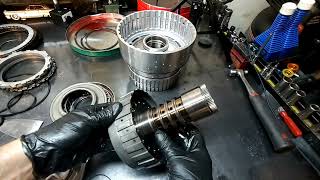
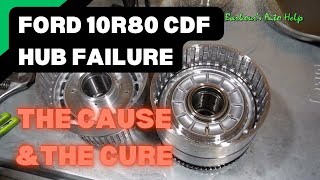
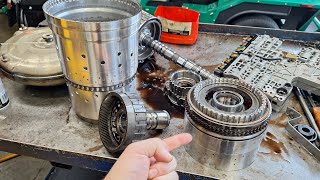
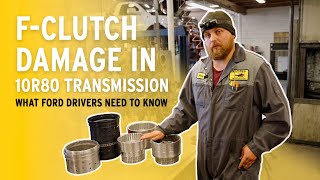
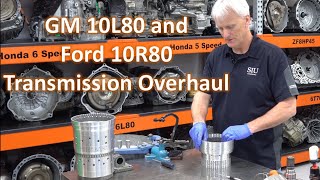
The 2019-2023 Ranger uses the Ford-GM 10R80 10-speed automatic transmission, which is known for specific mechanical failure points. Unlike many vehicles where this code could be a simple sensor issue, on the Ranger it is frequently linked to significant internal hardware problems. Ford has issued multiple technical service bulletins (TSBs), such as TSB 23-2134, that point directly to issues like 'axial movement' of the CDF clutch drum sleeve and sticking valves in the main control valve body as the root cause. This axial movement uncovers hydraulic fluid passages, causing pressure loss and clutch slip. 🎬 See the cause and cure for CDF hub failure. Therefore, P0736 on this truck should be treated as a strong indicator of a probable mechanical failure inside the transmission.
Diagnostic Flowchart
Tap your situation to follow the diagnostic path that matches what you're seeing on this vehicle.
Symptoms You May Notice
- Check Engine Light is on
- Inability to shift into reverse, or a long delay before engagement
- Harsh clunking sound when shifting into reverse
- Transmission slipping while in reverse (engine RPMs rise without corresponding movement)
- Vehicle won't move when in reverse
- Harsh or delayed shifts in forward gears, particularly 3-4 shifts
- Transmission gets stuck in a gear or goes into limp mode
- Replacing only the transmission speed sensors. On the 10R80, P0736 is very often a mechanical fault, not an electrical one.
- Performing only a fluid change. While a fluid change is good maintenance, it will not fix a worn clutch or a failed CDF drum. If the fluid is full of debris, a simple change is insufficient and the underlying mechanical failure must be addressed.
Most Likely Causes
- Internal Transmission Mechanical Failure (CDF Drum/Clutch Pack) 🔴 High Probability → Shop Transmission Assembly The 10R80 transmission has a documented weakness in the CDF (C-D-F) clutch drum, where an internal sleeve can 'walk' or move axially out of position. This uncovers fluid passages, causing a significant hydraulic leak and clutch slippage. This is a well-known issue across multiple Ford platforms using this transmission and is addressed in TSB 23-2134.
How to confirm: Diagnosis requires a transmission specialist. After ruling out software/valve body issues, the presence of excessive metallic or clutch material 'glitter' in the transmission pan is a strong indicator. Final confirmation requires transmission disassembly to inspect the CDF drum.
Typical fix: The transmission must be removed and either rebuilt with updated parts or replaced. The fix involves installing a revised CDF drum (such as OEM part JL3Z-7H351-B) which has a machined lip to prevent the sleeve from walking. Aftermarket companies like Sonnax also offer 'CDF Drum Saver Kits' (e.g., 129910-01K) to repair the original drum.
Est. part cost: $2000-$5000 - Faulty Main Control Valve Body 🟡 Medium Probability → Shop Transmission Valve Body Sticking valves or cross-leaks within the valve body are another common issue cited in Ford TSBs for the 10R80, leading to incorrect hydraulic pressure and shift problems. TSB 23-2123 specifically addresses overhauling the valve body to correct shift issues.
How to confirm: A technician can perform specific pressure tests and solenoid checks. Diagnosis often follows the TSB procedure, which may involve a valve body overhaul or replacement after a software update fails to resolve the issue.
Typical fix: Replacement of the main control valve body assembly. The OEM part number is typically JL1Z-7A100-A or JL1Z-7A100-B, but should be verified by VIN.
Est. part cost: $800-$1500 - Low or Contaminated Transmission Fluid ⚪ Low Probability → Shop Transmission Assembly While not specific to the Ranger, low fluid levels will cause hydraulic pressure loss in any automatic transmission, leading to slipping. Contaminated fluid, often a symptom of the CDF drum already failing, loses its hydraulic properties and accelerates wear.
How to confirm: Check the transmission fluid level and condition per the owner's manual. The fluid should be at the correct level and appear clean and reddish (Motorcraft ULV is honey-colored new), not dark, burnt, or full of debris. A user on Ranger5g.com noted that symptoms of slipping in reverse when cold were classic signs of low fluid.
Typical fix: Perform a transmission fluid and filter change using only Motorcraft MERCON ULV fluid. If the fluid is heavily contaminated, it's a strong sign of a larger mechanical problem like CDF drum failure.
Est. part cost: $150-$350 - TCM Software Issue ⚪ Low Probability Ford has released multiple software updates (reflashes) to address harsh and delayed shifting logic in the 10R80 as the transmission hardware breaks in. While less likely to be the sole cause of a P0736 code (which indicates significant slippage), checking for updates is always the first step in Ford's diagnostic procedure.
How to confirm: A Ford dealership or qualified shop with access to Ford's Diagnostic & Repair System (FDRS) can check the current software calibration and apply any available updates.
Typical fix: Reprogram the Transmission Control Module (TCM) to the latest calibration.
Est. part cost: $0-$250
Rare But Worth Checking
- Faulty Transmission Speed Sensor: → Shop Transmission Assembly While a failing input or output speed sensor can theoretically cause this code by sending incorrect data to the TCM, it is not a common cause for the 10R80 transmission compared to the known mechanical issues. The P0736 code is based on a calculated ratio, and a major discrepancy almost always points to mechanical slip rather than a sensor error.
- Wiring Harness Issue: In one documented case on the Ranger5G.com forum, a user with reverse engagement issues found the problem to be a pulled pin in a wiring harness connector (C175E, pin 62), preventing proper communication and diagnosis. This is an outlier case but possible.
Diagnosis Steps
- Check and verify the transmission fluid level and condition. If the fluid is low, top it off. If it is dark, burnt, or contains metal shavings ('glitter'), suspect a serious internal failure.
- Use an advanced scan tool to check for any other transmission-related trouble codes. Note all codes present.
- Check with a Ford dealer for any open recalls or applicable Technical Service Bulletins (TSBs), specifically TSB 23-2134 or its successors, related to transmission shifting.
- Perform a TCM software update (reflash) if an update is available. This is the first prescribed step in Ford's diagnostic procedure.
- If symptoms persist, a professional technician should follow the TSB diagnostic path, which may include hydraulic pressure tests or a valve body overhaul.
- If tests point to an internal issue, the next step is to drop the transmission pan to inspect for excessive clutch material or metal debris.
- If significant debris is found, removal and overhaul (specifically replacing the CDF drum with an updated part) or complete replacement of the transmission is necessary.
Parts You'll Likely Need
- Complete Transmission Assembly — Due to the complexity of the 10R80 and the nature of the common failures (CDF drum), replacing the entire unit with a new or remanufactured assembly is often the most reliable repair, especially at a dealership. Forum users report total costs in the $5,600-$7,800 range, sometimes with Ford offering financial assistance out of warranty.
Trusted brands: Motorcraft
OEM price range: $4000-$6000
Aftermarket price range: $3500-$5500 - CDF Clutch Drum / Cylinder
(OEM #JL3Z-7H351-B)— This is the updated OEM part designed to fix the 'walking sleeve' issue. If a transmission shop is rebuilding the unit instead of replacing it, this specific part is critical. It supersedes previous versions.
Trusted brands: Motorcraft
OEM price range: $150-$250
Aftermarket price range: $100-$200 (for repair kits like Sonnax 129910-01K) - Main Control Valve Body
(OEM #JL1Z-7A100-A / JL1Z-7A100-B)— If the issue is diagnosed as sticking valves and not a hard mechanical part failure, replacing the valve body can resolve the P0736 code. Verify the correct part number with the vehicle's VIN.
Related Codes That Often Appear With This One
- P0731-P0735 — These codes indicate incorrect gear ratios for forward gears (1-5). Their presence alongside P0736 strongly points to a widespread internal transmission problem, such as a failing CDF drum or valve body causing system-wide hydraulic leaks.
- P0729 — This code for '6th Gear Incorrect Ratio' is also listed in TSB 23-2134 along with P0736, indicating they share a common root cause within the 10R80 transmission.
- P2700-P2708 — These are codes for various transmission clutch apply time/performance issues. They are frequently listed in the same TSBs as P0736 and point to the same root causes of hydraulic pressure loss or clutch failure.
Technical Service Bulletins (TSBs) & Recalls
- TSB 23-2134: Supersedes multiple previous bulletins. Directly links P0736 and many other codes to 'axial movement of the CDF clutch cylinder sleeve causing hydraulic circuit leaks.' This is the primary TSB for this mechanical failure.
- TSB 23-2123: Addresses harsh/delayed shifts and various DTCs by prescribing an overhaul of the main control valve body and/or performing an adaptive learning drive cycle.
- TSB 22-2428: An earlier, now superseded TSB that also pointed to the CDF drum sleeve as a cause for erratic shifting. Mentioned frequently in forum discussions.
Platform-Specific Known Issues
- The 10R80 transmission in the 2019-2023 Ranger is subject to Ford TSB 23-2134, which lists P0736 among many other codes caused by internal transmission faults. The TSB mentions 'axial movement of the CDF clutch cylinder (7H351) sleeve causing hydraulic circuit leaks' as the primary mechanical cause.
- A well-documented failure point is the CDF drum sleeve, which can move out of place and cause a loss of hydraulic pressure, leading to clutch slip and eventually failure. Updated drums feature a machined lip to prevent this movement.
- Owner experiences on forums like Ranger5G.com frequently cite dealers performing full transmission replacements for this issue, even on trucks with relatively low mileage (e.g., 63k miles). Costs can be high, though some owners report Ford offering partial financial assistance even when out of warranty, acknowledging the known issue.
Mechanic-Grade Diagnostic Values
- Shift Solenoid (A-F) Coil Resistance — expected: 5.0 - 5.4 Ohms at 68°F (20°C). Failure: A resistance reading outside this range indicates a faulty solenoid coil.
- Transmission Fluid Level Check Temperature — expected: 206°F - 215°F (96°C - 101°C). Failure: Checking the fluid when it is too cold or too hot will result in an inaccurate level reading, which can mask or mimic problems.
- CDF Drum Leakage Percentage — expected: A value below a specific threshold set by Ford.. Failure: A calculated leakage percentage above the threshold confirms the CDF drum bushing has slipped and the drum requires replacement.
Scan Tool Commands That Help
- ForScan, Ford IDS/FDRS, or equivalent professional scan tool: Clear Transmission Adaptive Tables (or Reset KAM) — This service function should be performed after any transmission repair, including valve body replacement or a fluid change, to erase the learned shift parameters. It forces the TCM to start a new learning process.
- N/A - Manual Procedure: Adaptive Learning Drive Cycle — This specific driving procedure must be performed after clearing the adaptive tables to allow the TCM to relearn clutch fill times and shift pressures. It involves a sequence of light-throttle accelerations, stops, and shifting between N, R, and D.
- ForScan: Halt Transmission Adaptive Learning — This is an advanced, non-Ford-documented function used by some owners to lock in desirable shift characteristics after the learning cycle is complete and prevent the TCM from further adapting in a way that might degrade shift feel over time. Use with caution.
OEM Part Supersession History
HL3Z-7H351-A, JL3Z-7H351-A→JL3Z-7H351-B— The original CDF clutch drum design allowed an internal bushing/sleeve to 'walk' out of position, uncovering hydraulic passages and causing pressure loss. The updated JL3Z-7H351-B part features an integrated retention lip machined into the drum to physically prevent the sleeve from moving.
Model Year Variations Within This Range
- 2019-2020 (potentially): Ford reportedly revised the 10R80 transmission for the 2021 model year, which may have included updates to the outer shell and the CDF drum to address known failures. This suggests that later models within the 2019-2023 range may be less prone to the CDF drum failure that causes P0736, although failures can still occur.
Helpful Videos

We Have This Part in Stock


The information in this article is provided for general reference and educational purposes only. Vehicle specifications, procedures, and part compatibility can vary by production date, trim level, and region. Always consult your vehicle's factory service manual and verify part numbers before purchasing or performing repairs. Safety-critical components such as airbags, seat belts, and braking systems should be installed by a qualified professional.
- Ford RANGER:
- 🧭 Diagnostic Flowchart
- 🎬 Helpful Videos
- 🛍️ Shop This Part
- What's Unique About the 2019-2023 Ford RANGER
- Symptoms You May Notice
- Most Likely Causes
- Rare But Worth Checking
- Diagnosis Steps
- Parts You'll Likely Need
- Related Codes That Often Appear With This One
- Technical Service Bulletins (TSBs) & Recalls
- Platform-Specific Known Issues
- Mechanic-Grade Diagnostic Values
- Scan Tool Commands That Help
- OEM Part Supersession History
- Model Year Variations Within This Range
- 🎟️ Get 5% Off