

P0736 on 2003-2007 GMC Sierra Denali: Reverse Incorrect Ratio Causes and Fixes
P0736 on a GMC Sierra Denali means the transmission has a problem with reverse gear. The most common cause is low or burnt transmission fluid. However, on the 4L65-E transmission in these trucks, it often points to a serious internal failure like a broken sun shell or worn-out reverse clutches, requiring a transmission rebuild.
- P0736 means your truck's computer has detected a problem with the reverse gear.
- Always check your transmission fluid level and condition first; this is the simplest possible cause.
- On a 2003-2007 Sierra Denali, this code frequently indicates a serious internal transmission failure, such as a broken sun shell or burnt-out reverse clutches.
- Replacing only the external shift solenoids is not likely to fix this specific code on this transmission.
- Due to the high probability of a major mechanical failure, a professional diagnosis is strongly recommended before buying any parts.
What's Unique About the 2003-2007 Gmc SIERRA DENALI
The Sierra Denali from this era, particularly the 2003-2006 models, is typically equipped with the 4L65-E automatic transmission, an upgrade to the 4L60-E. While any transmission can get this code from low fluid, the 4L60-E/4L65-E family is notoriously prone to specific internal mechanical failures that cause a loss of reverse. The most infamous failure is a broken reaction sun shell, a key component for power transfer in reverse, 2nd, and 4th gears. When its splines strip or the hub cracks, reverse is often lost completely. Therefore, this code on a GMT800 platform truck frequently signals a more severe mechanical issue requiring a rebuild, rather than a simple electronic fault.
Diagnostic Flowchart
Tap your situation to follow the diagnostic path that matches what you're seeing on this vehicle.
Generation note: This range covers two generations of the Sierra Denali. The 2003-2006 and the 2007 'Classic' models are on the GMT800 platform, typically using the 4L65-E transmission where internal mechanical failures are a common cause for P0736. The new body style 2007 model is on the GMT900 platform, which may use a 4L65-E or a newer 6-speed automatic (like the 6L80). For GMT900 models, causes can also include valve body or electronic issues, as noted in TSB PIP4379M.
Symptoms You May Notice
- Vehicle will not move when shifted into reverse.
- Delayed or harsh engagement into reverse.
- Engine RPMs flare when shifting to reverse, with little or no movement.
- Check Engine Light is illuminated.
- A sudden bang or grinding noise, followed by a loss of reverse (and possibly 2nd and 4th gear).
- Transmission slipping in reverse. 🎬 Watch: A professional walkthrough of common no-reverse repairs.
- Replacing only the shift solenoids. While solenoids can fail, the P0736 code on a 4L65-E is more often caused by a major internal mechanical failure. The shift solenoids (A and B) are not directly responsible for engaging reverse on their own, and replacing them is unlikely to fix a no-reverse condition caused by a broken sun shell or burnt clutches.
Most Likely Causes
- Low or Burnt Transmission Fluid 🔴 High Probability → Shop Transmission Assembly Leaks from the pan gasket, cooler lines, or seals are common on higher-mileage trucks, leading to low fluid levels which causes pressure loss and slipping.
How to confirm: Check the transmission fluid dipstick with the engine running and transmission warm. The fluid should be at the 'FULL' mark and be bright red or pink. If it is brown/black, smells burnt, or contains metal particles, it indicates significant internal wear or clutch material breakdown.
Typical fix: Top off the fluid if low and check for leaks. If the fluid is burnt or contains debris, a fluid and filter change is a temporary measure at best; internal damage is highly likely and a rebuild is often necessary.
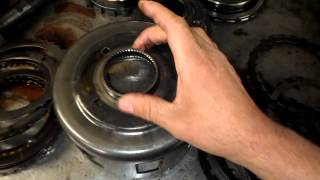
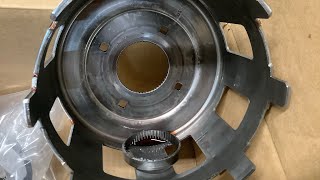
Est. part cost: $50-$120 for fluid and a filter kit. - Broken Reaction Sun Shell 🔴 High Probability → Shop Transmission Assembly The factory sun shell in the 4L60-E/4L65-E is a well-documented weak point. The hub area where the splines engage the rear sun gear 🎬 Watch: See exactly how a stripped sun shell causes failure. is prone to cracking or stripping completely, especially with the torque of the 6.0L V8 in the Denali.
How to confirm: This is a catastrophic internal failure. The primary symptom is the complete loss of reverse, 2nd, and 4th gears. Dropping the transmission pan will reveal significant metal debris, specifically parts of the sun shell collar. Diagnosis is confirmed upon disassembly.
Typical fix: The transmission must be removed and completely disassembled to replace the sun shell. It is strongly recommended to use a hardened, upgraded version like the Sonnax SmartShell (77749-02K) or a 'Beast Shell' to prevent a repeat failure. This repair is almost always part of a full transmission rebuild.
Est. part cost: $40-$100 for the upgraded part itself, but labor is extensive. - Worn or Failed Reverse Input Clutch Pack 🟡 Medium Probability Overheating, extended periods of low fluid pressure, or high mileage can cause the friction material on the reverse input clutch plates to burn and wear away, preventing them from engaging.
How to confirm: Symptoms include slipping, flaring RPMs, or no engagement in reverse. A transmission pan inspection will likely show dark, burnt fluid and fine, black clutch material that looks like sludge.
Typical fix: Requires a full transmission rebuild to replace the worn clutch pack, steels, and all associated seals. The pistons and seals in the reverse input drum should also be replaced as they can become hard and brittle, causing pressure loss.
Est. part cost: $100-$200 for a clutch module as part of a larger rebuild kit. - Failed Valve Body or Solenoids ⚪ Low Probability → Shop Transmission Valve Body Debris from wear (especially clutch material) can clog passages in the valve body or cause solenoids to stick. While possible, this is a less common cause for a complete loss of reverse on the 4L65-E compared to a major mechanical failure.
How to confirm: A technician can use a high-end scan tool to command solenoids and monitor pressures. A valve body inspection can reveal worn bores or stuck valves. However, this often requires specialized knowledge of the hydraulic circuits.
Typical fix: Cleaning or replacing the valve body and/or shift solenoids. The 1-2 and 2-3 shift solenoids are the same part (ACDelco 24230298). This should only be attempted after confirming the major mechanical parts are intact.
Est. part cost: $40-$80 per solenoid.
Rare But Worth Checking
- Cracked Low/Reverse Piston: The piston that applies the low/reverse clutches can develop cracks, leading to a loss of hydraulic pressure for reverse engagement. This is an internal failure requiring a rebuild to fix.
- Leaking Reverse Apply Circuit: A leak in the hydraulic circuit responsible for applying the reverse clutches can cause this code. This could be due to a worn boost valve or a problem in the servo assembly, which can sometimes be accessed by removing the valve body.
Diagnosis Steps
- Check the transmission fluid level and condition. Ensure the engine is running and the transmission is warm. If the fluid is low, top it off and check for leaks. If it's dark, burnt, or has metal particles, suspect internal damage.
- Scan for all stored trouble codes. Note any other transmission-related codes, as they can help pinpoint the problem (e.g., P0732/P0734 with P0736 points strongly to a sun shell failure).
- Perform a visual inspection of the transmission wiring harness and connectors for any visible damage, corrosion, or loose connections.
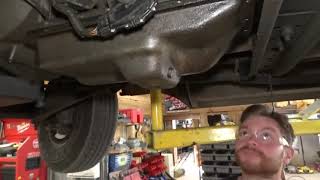
- If the fluid is clean and the level is correct, the next step is to drop the transmission oil pan. Inspect the pan magnet for excessive metal 🎬 See what debris in your fluid means for your transmission. shavings or chunks. Large pieces of steel are a definitive sign of a broken sun shell or other hard part failure.
- If the pan is relatively clean, a technician may perform hydraulic pressure tests to check for internal leaks in the reverse circuit.
- If a mechanical failure is confirmed by debris in the pan, the transmission will need to be removed from the vehicle for disassembly and repair.
Parts You'll Likely Need
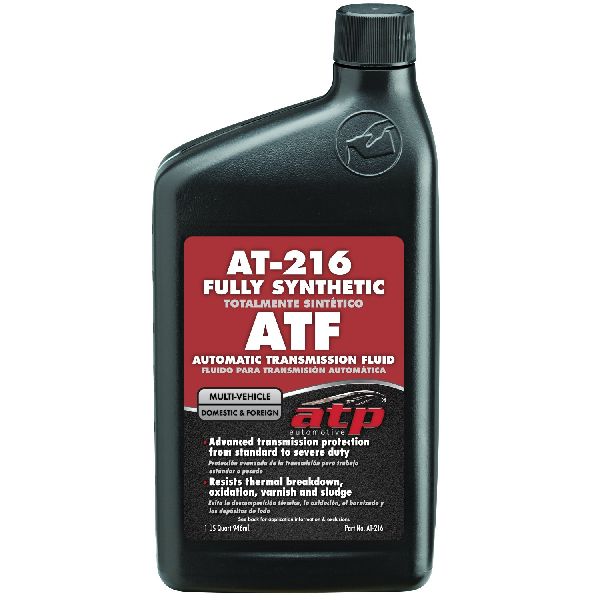
- Automatic Transmission Fluid (DEXRON-VI)
(OEM #88864060)— This is required for any service, from a simple top-off to refilling after a rebuild. Low or old fluid is a primary cause of transmission problems.
Trusted brands: ACDelco
OEM price range: $10-$15 per quart
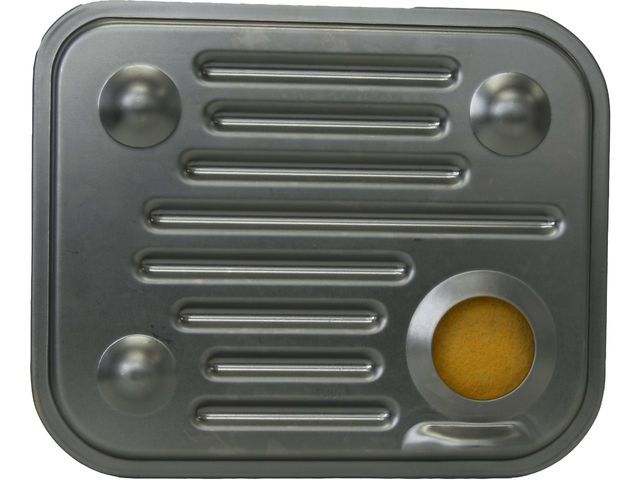
Aftermarket price range: $8-$12 per quart - Transmission Filter Kit — Should be replaced whenever the transmission pan is removed for inspection or service.
Trusted brands: ACDelco, Wix, ATP
OEM price range: $30-$50
Aftermarket price range: $15-$30 - Upgraded Reaction Sun Shell ('SmartShell' or 'Beast Shell')
(OEM #77749-02K (Sonnax SmartShell))— This is the most common major mechanical failure point in the 4L65-E that leads to a loss of reverse gear.
Trusted brands: Sonnax, The Beast
OEM price range: N/A (OEM is the weak part)
Aftermarket price range: $40-$100
Related Codes That Often Appear With This One
- P0731-P0735 — These codes indicate incorrect gear ratios in forward gears. Seeing them with P0736 strongly suggests a widespread internal transmission problem, such as low fluid pressure or a major mechanical failure affecting multiple gear sets.
- P0701 — This is a general Transmission Control System Malfunction code. It often appears alongside more specific codes like P0736 to indicate a fault has been registered by the TCM. [TSB #PIP4379M]
- P1870 — This code indicates transmission component slipping. It often points to a worn TCC regulator valve bore in the valve body, which causes pressure regulation issues that can exacerbate wear on clutches, including the reverse input clutch.
Technical Service Bulletins (TSBs) & Recalls
- PIP4379M: Mentions P0736 in a long list of DTCs related to delayed or no engagement into reverse on 2007 models, suggesting investigation of the valve body and other internal components.
Platform-Specific Known Issues
- The GMT800 platform (2003-2007 Classic) with the 4L65-E transmission is highly susceptible to sun shell failure, which leads to a loss of reverse and a P0736 code.
- TSB #PIP4379M applies to 2007 models and lists P0736 as one of many potential codes related to engagement issues or no reverse, indicating possible valve body or control issues on the newer GMT900 platform. [TSB #PIP4379M]
Mechanic-Grade Diagnostic Values
- 1-2 (A) & 2-3 (B) Shift Solenoid Resistance — expected: 20 - 40 Ohms. Failure: A reading outside this range (open or shorted) indicates a failed solenoid.
- Pressure Control (PC) Solenoid Resistance — expected: 3.5 - 8.0 Ohms. Failure: A reading outside this range indicates a failed PC solenoid, which can cause widespread pressure issues.
- Transmission Line Pressure at Idle (Park/Neutral) — expected: 50 - 100 PSI. Failure: Pressure significantly below this range indicates a potential clogged filter, weak pump, or major internal leak.
- Transmission Line Pressure at Stall/WOT (Reverse) — expected: Up to 300+ PSI. Failure: Extremely low pressure (e.g., 15 PSI) when commanding reverse confirms a massive hydraulic leak or mechanical failure in the reverse circuit.
Scan Tool Commands That Help
- Tech2 / High-End Scan Tool: Line Pressure Control / EPC Solenoid Test — Used to command the Electronic Pressure Control (EPC) solenoid through its duty cycle (e.g., 0.0 to 1.0 amps) while monitoring line pressure. This helps determine if the PC solenoid is responding correctly to commands from the TCM or if it is stuck.
Wiring & Ground Locations
- Main Transmission Connector — On the passenger side of the transmission case, it is a large, round, 20-way connector.. This is the primary electrical interface for all internal solenoids and sensors. Corrosion or damage to pins for the shift solenoids (Pins A, B) or the pressure switch manifold can cause erratic behavior or failure to engage gears.
- G103 (Engine to Frame Ground) — Typically located on the right rear (passenger side) of the engine block.. A poor engine block ground can cause electrical noise and voltage drops, affecting the TCM and transmission solenoids, leading to incorrect operation and potentially setting false codes.
- Engine Block to Firewall Ground Strap — A braided strap running from the back of the driver's side cylinder head/engine block to the firewall.. This is a critical ground path for the body and its modules. It is notoriously difficult to access and prone to corrosion or breaking, which can cause a host of electrical issues, including erratic transmission behavior.
- Battery to Frame/Engine Ground — The main negative battery cable connects directly to the engine block and often has a smaller wire that connects to the frame or radiator support.. This is the primary ground for the entire vehicle's electrical system. Corrosion or looseness here can cause system-wide low voltage and unpredictable module behavior.
Real Owner Repair Stories
- Reddit user on r/transmissionbuilding (2004 Trailblazer with 4.2L I6 (uses 4L60E/4L65E)) — Slipping under acceleration, loss of Overdrive, and eventually a complete loss of 3rd, 4th, and Reverse gears after a valve body replacement attempt.
❌ Tried (didn't work) Replacing the valve body with a remanufactured unit., Replacing all solenoids and the internal wiring harness.
✅ What actually fixed it The user acknowledged the fluid was black, gritty, and had metal on the magnet. The consensus from other technicians was that a valve body replacement will never fix a slipping transmission with burnt clutches, and a full rebuild was the necessary and correct fix. The loss of reverse after the attempted repair was likely the final failure of the already-damaged internal components (sun shell or clutches).
OEM Part Supersession History
10478131→24230298— Part number consolidation and potential minor updates by the manufacturer.
Heads up: The 1-2 Shift Solenoid (A) and 2-3 Shift Solenoid (B) are identical and interchangeable. The current part number, 24230298, replaces several older numbers including 10478131 and is the correct service part for the entire 1993+ 4L60E/4L65E family.
Model Year Variations Within This Range
- 2006-2007: GM began factory-filling transmissions with DEXRON-VI fluid starting with the 2006 model year. While 2003-2005 models were filled with DEXRON-III, DEXRON-VI is fully backward-compatible and is the recommended service fluid for all prior models. GM ceased licensing DEXRON-III at the end of 2006.
- 2007: The 2007 model year is a split between the 'Classic' (GMT800 platform) and the new body style (GMT900 platform). While both could have a 4L65-E, the GMT900 Denali was more likely to feature the newer 6-speed 6L80 transmission, which has different internal components and common failure points.
Helpful Videos
We Have This Part in Stock


The information in this article is provided for general reference and educational purposes only. Vehicle specifications, procedures, and part compatibility can vary by production date, trim level, and region. Always consult your vehicle's factory service manual and verify part numbers before purchasing or performing repairs. Safety-critical components such as airbags, seat belts, and braking systems should be installed by a qualified professional.
- Gmc SIERRA DENALI:
- 🧭 Diagnostic Flowchart
- 🎬 Helpful Videos
- 🛍️ Shop This Part
- What's Unique About the 2003-2007 Gmc SIERRA DENALI
- Symptoms You May Notice
- Most Likely Causes
- Rare But Worth Checking
- Diagnosis Steps
- Parts You'll Likely Need
- Related Codes That Often Appear With This One
- Technical Service Bulletins (TSBs) & Recalls
- Platform-Specific Known Issues
- Mechanic-Grade Diagnostic Values
- Scan Tool Commands That Help
- Wiring & Ground Locations
- Real Owner Repair Stories
- OEM Part Supersession History
- Model Year Variations Within This Range
- 🎟️ Get 5% Off