

P0740 on 2017-2020 Dodge Journey: TCC Solenoid & Torque Converter Guide
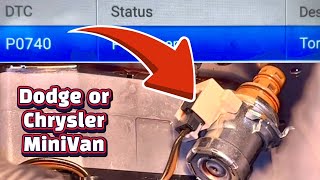
For a 2017-2020 Dodge Journey, code P0740 almost always points to a problem with the 62TE transmission's torque converter lockup system. A manufacturer bulletin (TSB #9004206) states the most likely causes are a failed Torque Converter Clutch (TCC) solenoid or the torque converter itself. While the solenoid can be replaced, many experienced technicians report that the ultimate fix is often a new torque converter, as the solenoid is frequently replaced mistakenly when the converter's internal clu
- P0740 on a 2017-2020 Dodge Journey indicates a failure in the torque converter lock-up system.
- A specific manufacturer TSB (#9004206) provides a clear diagnostic path: the issue is almost certainly a bad TCC solenoid or a failed torque converter.
- Always check the transmission fluid level and condition first, as low or dirty fluid can cause shifting problems.
- Due to the complexity and labor involved, especially if the torque converter needs replacement, this repair is best left to a professional mechanic.
- Do not be surprised if the final diagnosis is a failed torque converter, even though the code points to a 'circuit' issue; this is a known issue with the 62TE transmission.
What's Unique About the 2017-2020 Dodge JOURNEY

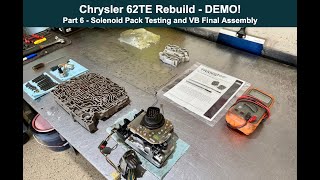
The Dodge Journey in this year range uses the 6-speed 62TE automatic transmission 🎬 Watch: Overview of common 62TE transmission problems and specs, which has a well-documented history of torque converter and solenoid issues across many Chrysler, Dodge, and Ram platforms. The manufacturer issued a Technical Service Bulletin (TSB #9004206) that provides a clear diagnostic path for this exact code. This TSB, combined with extensive technician and owner reports, elevates the likelihood of either the TCC solenoid or the torque converter itself being the root cause. Many mechanics familiar with the 62TE transmission warn that P0740 is very often caused by a worn-out torque converter, even though the code definition points to an electrical circuit.
Diagnostic Flowchart

Tap your situation to follow the diagnostic path that matches what you're seeing on this vehicle.
Symptoms You May Notice
- Check Engine Light is on
- Vehicle jerking or slipping, especially at highway speeds
- Transmission shuddering or vibrating during acceleration or at steady cruising speeds
- Engine RPMs are unstable or higher than usual at cruising speed
- Reduced fuel economy
- Engine stalling when coming to a stop
- A whining noise from the transmission area
- Replacing the TCC solenoid when the torque converter itself has failed. This is the most common misdiagnosis for P0740 on a 62TE. An owner or shop replaces the cheaper, easier part, only for the code to return shortly after.
- Replacing the entire transmission when only the torque converter or solenoid pack was needed.
- Attributing the issue to a fluid problem when the fluid is dirty because of a failing torque converter, not the other way around. A fluid change may temporarily help but won't solve the root mechanical failure.
Most Likely Causes

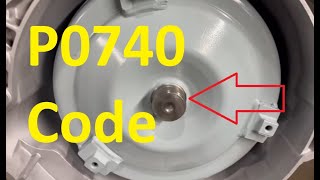
- Failed Torque Converter 🔴 High Probability → Shop Automatic Transmission Torque Converter TSB #9004206 explicitly states that if the TCC solenoid is functioning correctly, a P0740 code is indicative of torque converter failure. The internal clutch material wears out, preventing lock-up and causing excessive slip. Many experienced technicians consider this the primary cause, even before the solenoid.
How to confirm: This is diagnosed after confirming the TCC solenoid and its circuit are good. A scan tool showing commanded lock-up with continued high slip RPM (over 100 RPM) points to the converter. Excessive dark or metallic debris in the transmission pan is also a strong indicator.
Typical fix: Replace the torque converter. This is a labor-intensive job that requires removing the transmission from the vehicle.
Est. part cost: $200-$500 - Failed Torque Converter Clutch (TCC) Solenoid 🟡 Medium Probability → Shop Automatic Transmission Torque Converter The TCC solenoid (also called an EMCC or LR/TCC solenoid) on the 62TE transmission is a known failure point. However, it is often misdiagnosed as the cause of P0740 when the torque converter is the real issue.
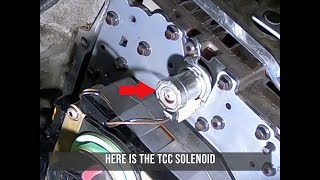
How to confirm: A mechanic can use a scan tool to command the solenoid on and off to check its response. It can also be removed and tested for correct electrical resistance with a multimeter. The solenoid is located behind the front side cover of the transmission.
Typical fix: Replace the TCC solenoid. This is often done by removing the transmission side pan, and does not require full transmission removal.
Est. part cost: $25-$100 - Low or Dirty Transmission Fluid 🟡 Medium Probability → Shop Transmission Assembly
How to confirm: Check the transmission fluid level and condition. The fluid should be at the correct level and red, not dark brown, black, or burnt-smelling. The 62TE transmission does not have a traditional dipstick, so checking the level is a more involved process.
Typical fix: Perform a transmission fluid and filter change using the correct Mopar ATF+4 fluid. If the fluid is very dirty or contains metal shavings, it strongly indicates a more severe internal failure, likely the torque converter.
Est. part cost: $75-$200 - Damaged Wiring or Connectors ⚪ Low Probability
How to confirm: Visually inspect the wiring harness leading to the transmission for any signs of damage, corrosion, or loose connections. A multimeter can be used to check for continuity and shorts in the TCC solenoid circuit from the main transmission connector.
Typical fix: Repair or replace the damaged section of the wiring harness or connector.
Est. part cost: $20-$100
Rare But Worth Checking
- Faulty Transmission Control Module (TCM) or Powertrain Control Module (PCM): → Shop Engine Control Module (ECM) This is a last-resort diagnosis. The control module itself can fail, but this is uncommon and should only be considered after all other possibilities (solenoid, converter, fluid, wiring) have been exhaustively ruled out.
- Clogged Transmission Cooler or Hydraulic Passages: → Shop Transmission Assembly If the torque converter has failed, it can send debris throughout the transmission, clogging the cooler and internal valve body passages. This can cause a repeat P0740 code even after replacing the converter if the system is not thoroughly flushed.
Diagnosis Steps
- Scan for any other trouble codes to see if other issues are present. Note P0700 is expected.
- Check the transmission fluid level and condition. This requires a special procedure as there is no dipstick. Look for burnt smell or excessive metal/clutch material.
- Using a capable scan tool, monitor real-time data for Torque Converter Clutch slip RPM while driving. When lock-up is commanded, slip should drop to near-zero. Consistent slip over 100 RPM indicates a failure.
- Follow the guidance in TSB #9004206: Test the operation of the TCC solenoid. This can be done via a scan tool command or by checking its electrical resistance.
- Inspect the transmission wiring harness and main connector for any damage, corrosion, or fluid intrusion.
- If the TCC solenoid and wiring test good, the TSB and extensive field experience indicate the torque converter is the point of failure.
- If a torque converter is replaced, it is critical to also flush the transmission cooler and lines to remove any debris that could damage the new parts.
- If the torque converter is replaced and the code persists, investigate the rare possibility of a faulty PCM/TCM.
Parts You'll Likely Need

- Torque Converter — Per TSB #9004206 and extensive technician experience, this is the most likely true cause of P0740 on a 62TE transmission when slip is detected. The internal clutch wears out.
Trusted brands: Mopar, Dacco, LuK, Transtar
OEM price range: $400-$600
Aftermarket price range: $200-$400 - Torque Converter Clutch (TCC) Solenoid
(OEM #Part of Solenoid Block/Pack, e.g., Mopar 68376714AA)— This solenoid controls lock-up and is a potential failure point, though often replaced unnecessarily. It is located on the front of the valve body, accessible by removing a side pan.
Trusted brands: Mopar, Dorman, Rostra
OEM price range: $80-$150 (for individual solenoid)
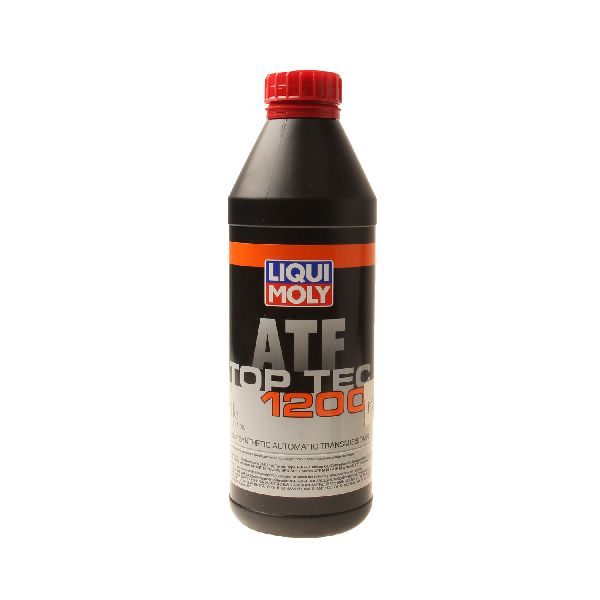
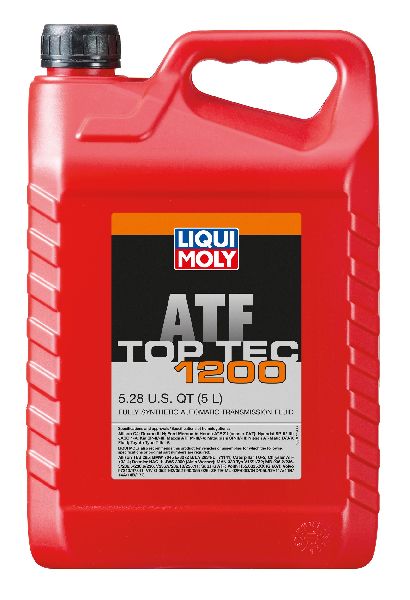
Aftermarket price range: $25-$75 - Automatic Transmission Fluid (ATF+4)
(OEM #Mopar 68218057AB (Quart), 68218058AB (Gallon))— Any repair involving the solenoid or torque converter will require draining and refilling the transmission fluid. Using the correct Mopar ATF+4 fluid is critical for the 62TE transmission's health.
Trusted brands: Mopar, Valvoline, Castrol
OEM price range: $15-$25 per quart
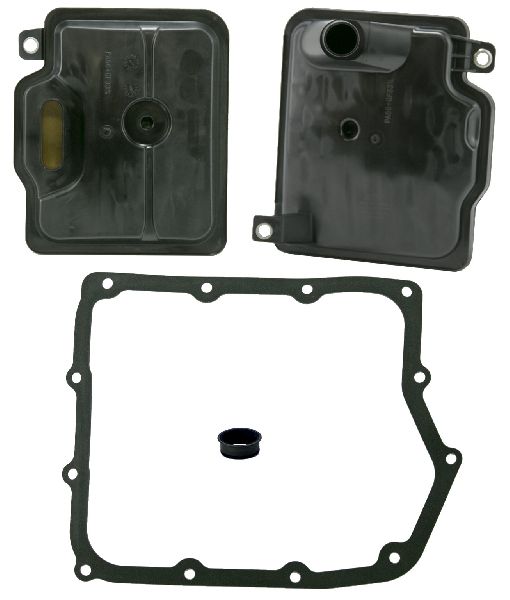
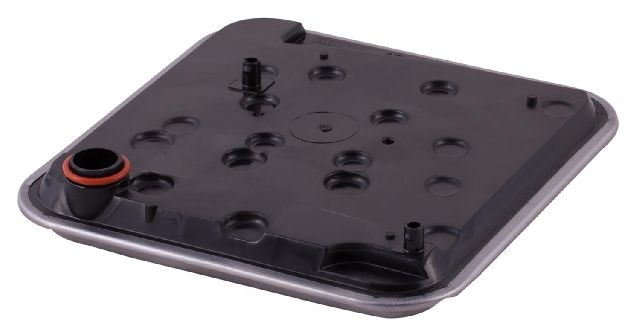
Aftermarket price range: $8-$15 per quart - Transmission Filter Kit
(OEM #Mopar 68018555AA)— Should be replaced any time the transmission pan is removed for service. A new filter is essential after an internal component failure to ensure debris is removed.
Trusted brands: Mopar, Wix, ATP
OEM price range: $40-$70
Aftermarket price range: $20-$40
Related Codes That Often Appear With This One
- P2764 — This code for 'Torque Converter Clutch Pressure Control Solenoid Control Circuit Low' is mentioned alongside P0740 in TSB #9004206 as pointing to the same potential failures (TCC solenoid or torque converter).
- P0700 — This is a generic code indicating the Transmission Control Module (TCM) has stored a fault code. It will almost always be present when a specific transmission code like P0740 is set.
Technical Service Bulletins (TSBs) & Recalls
- Bulletin #9004206: Addresses jerking/slipping with code P0740, advising to check the TCC solenoid and, if it's okay, to replace the torque converter.
Platform-Specific Known Issues
- A Technical Service Bulletin (TSB #9004206) was issued for all vehicles with the 62TE transmission, including the Journey. It states: '...If vehicle is jerking/slipping with MIL code(s) P0740 or P2764, check TCC Solenoid operation. If TCC Solenoid is ok, the codes are indicative of a torque converter failure. Replace the torque converter.'
- A common owner experience is replacing the TCC solenoid as a first step, only to have the P0740 code return, confirming the root cause was the torque converter itself.
- Due to the design of the 62TE, the TCC solenoid can be replaced by removing the front transmission side cover without pulling the entire transmission, making it a tempting but often incorrect first repair attempt.
Mechanic-Grade Diagnostic Values
- Torque Converter Clutch (TCC) Solenoid Resistance — expected: Approximately 5.0 Ohms. Some sources state a range up to 5.2 Ohms is acceptable.. Failure: A reading that is significantly higher (open circuit) or lower (short circuit) than the specified value.
- Other 62TE Shift Solenoid Resistances (e.g., Low/Reverse, Overdrive, Direct Clutch) — expected: Approximately 1.6 - 2.0 Ohms.. Failure: Readings outside of this range can indicate a failure within the solenoid pack, even if not directly related to the TCC circuit.
- Scan Tool TCC Slip RPM — expected: Near 0 RPM when TCC lockup is commanded by the PCM.. Failure: The PCM will set code P0740 if it detects slip greater than 100 RPM for a period of 10 seconds after commanding lockup.
Scan Tool Commands That Help
- wiTECH (Dodge/Chrysler Dealer Tool): Reset Adaptive Values — After replacing transmission components like the solenoid pack or the entire transmission, this function should be used to clear the old learned shift data from the TCM.
- wiTECH (Dodge/Chrysler Dealer Tool): Quick Learn — This procedure is performed immediately after 'Reset Adaptive Values'. It forces the transmission to perform a series of static tests to learn the new characteristics of the clutches and solenoids, which is critical for proper shift quality.
Wiring & Ground Locations
- Transmission Main Connector (C1 - Gray) — On the front of the 62TE transmission, where the main vehicle harness connects.. Pin 3 is the TCC VFS (Variable Force Solenoid) control circuit. Technicians can test for continuity and voltage at this pin to diagnose issues in the wiring between the PCM/TCM and the transmission solenoid.
- G903 Ground — On the top of the transmission housing (for the 3.6L engine).. A poor ground connection at this point can cause a variety of powertrain and transmission control issues, including erratic solenoid behavior.
- Main Battery Ground Stud — Located on the driver's side strut tower in the engine bay.. This is the central grounding point for the battery, engine block, and chassis. Corrosion or looseness here can cause widespread, difficult-to-diagnose electrical problems, including transmission codes.
Real Owner Repair Stories
- YouTube channel "Part 1 2016 Chrysler Town & Country P0740 Transmission code repair" (2016 Chrysler Town & Country (with 62TE transmission, same as Journey)) — Check Engine Light with code P0740.
❌ Tried (didn't work) The owner first replaced the transmission filter and fluid. Some metal was found on the magnet, but not an alarming amount., The owner then replaced the TCC lock-up solenoid while the side pan was off, but did not believe it was the actual problem.
✅ What actually fixed it The owner determined through research that the physical torque converter was the likely culprit. The final repair was to remove the transmission and replace the torque converter. - DodgeForum.com user (2016 Dodge Journey with 3.6L engine) — P0740 code. A mechanic with a scan tool confirmed the torque converter was 'not in range' and slipping slightly, though it wasn't visible on the tachometer.
❌ Tried (didn't work) The user was considering a transmission fluid change to fix the solenoid.
✅ What actually fixed it While the final fix wasn't posted by the original user, another user in the thread strongly advised that the TCC solenoid can be replaced with the transmission in the vehicle by removing the side cover, noting the factory part is inexpensive and this should be tried before a full rebuild.
When the Usual Fixes Don't Work
- In one documented case on a Dodge Journey forum, a user with a 2016 model reported that the P0740 code persisted even after both the torque converter and the TCC solenoid were replaced. This highlights that while those are the most common causes, the issue can sometimes lie in the wiring harness or, in rare cases, the Powertrain Control Module (PCM) itself, requiring further electrical diagnosis.
Helpful Videos

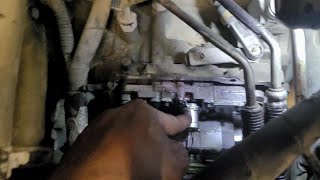
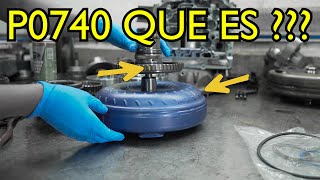
We Have This Part in Stock


The information in this article is provided for general reference and educational purposes only. Vehicle specifications, procedures, and part compatibility can vary by production date, trim level, and region. Always consult your vehicle's factory service manual and verify part numbers before purchasing or performing repairs. Safety-critical components such as airbags, seat belts, and braking systems should be installed by a qualified professional.
- Dodge JOURNEY:
- 🧭 Diagnostic Flowchart
- 🎬 Helpful Videos
- 🛍️ Shop This Part
- What's Unique About the 2017-2020 Dodge JOURNEY
- Symptoms You May Notice
- Most Likely Causes
- Rare But Worth Checking
- Diagnosis Steps
- Parts You'll Likely Need
- Related Codes That Often Appear With This One
- Technical Service Bulletins (TSBs) & Recalls
- Platform-Specific Known Issues
- Mechanic-Grade Diagnostic Values
- Scan Tool Commands That Help
- Wiring & Ground Locations
- Real Owner Repair Stories
- When the Usual Fixes Don't Work
- 🎟️ Get 5% Off