

P0740 on 2013-2019 Ford Escape: Torque Converter Clutch Circuit Fixes
On a 2013-2019 Ford Escape, code P0740 is most often caused by a failed torque converter clutch (TCC) solenoid inside the 6F35 transmission or low/dirty transmission fluid. In some cases, internal torque converter failure can be the root cause. Expect to pay $250-$600 to have a shop replace the solenoid, but a full torque converter or transmission replacement can cost thousands.
- P0740 on a 2013-2019 Escape indicates an electrical fault with the torque converter clutch circuit, preventing the transmission from locking up efficiently on the highway.
- Always start diagnosis by checking the transmission fluid level and condition, as this is a simple and common cause.
- The most likely failed part is the TCC solenoid, which is located inside the transmission oil pan and is a moderately difficult repair.
- Do not immediately assume the torque converter or the entire transmission has failed; proper electrical diagnosis is required to pinpoint the fault.
- Be aware of the open safety recall (22S43) for the shifter cable bushing on these vehicles, which can cause a dangerous rollaway situation.
What's Unique About the 2013-2019 Ford Escape
The 2013-2019 Ford Escape uses the 6F35 automatic transmission, which was co-developed with GM. These transmissions are known to be sensitive to fluid condition and level, and many owners report issues like shuddering, harsh shifts, and eventual failure. A class-action lawsuit 🎬 Watch: A former Ford tech explains why these transmissions fail. was filed against Ford concerning the 6F35 transmission in Escapes and Fusions, alleging premature wear and known defects. While P0740 points to an electrical fault, it's critical to not rule out mechanical issues within the torque converter itself, which can fail and create debris that damages the solenoids and valve body. Some owners have experienced complete torque converter failure even after diligent maintenance with the correct Motorcraft MERCON LV fluid.
Symptoms You May Notice
- Check Engine Light is on
- Transmission warning light may illuminate
- Noticeable decrease in fuel economy
- Engine RPMs are higher than normal at highway speeds
- Harsh or delayed shifts
- Vehicle shudders or vibrates, especially during light acceleration or at low speeds
- Engine may stall when coming to a stop
- Whining noise from the transmission area
- Vehicle feels like it's in neutral or has poor acceleration from a stop
- Replacing the entire transmission when only a solenoid or wiring repair is needed.
- Replacing the torque converter before confirming the TCC solenoid and its circuit are functioning correctly.
- Assuming a fluid change will fix a problem caused by a failed electrical component or internal mechanical damage.
Most Likely Causes
- Low or Dirty Transmission Fluid 🔴 High Probability → Shop Transmission Assembly The 6F35 transmission is known to be very sensitive to fluid quality and level. Degraded or contaminated fluid can cause solenoids to stick, overheat, and fail.
How to confirm: Check the transmission fluid level and condition. The fluid should be at the correct level, red in color, and not smell burnt. The 6F35 does not have a traditional dipstick, requiring a specific procedure involving a check plug on the side of the case to verify the level.
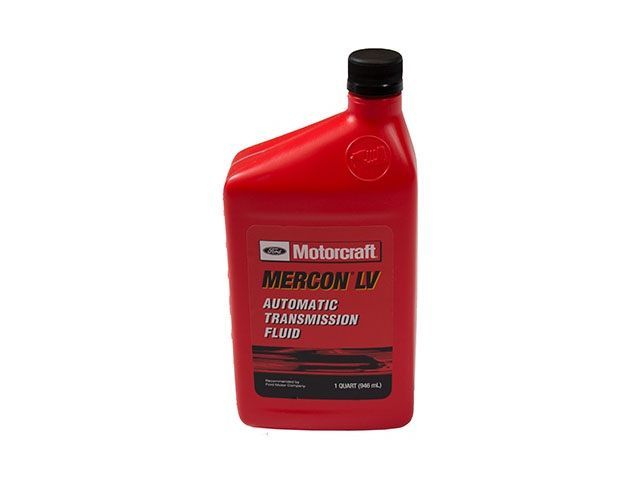
Typical fix: Perform a transmission fluid drain and fill or a full fluid exchange with the correct Motorcraft MERCON LV fluid (Part # XT-10-QLVC).
Est. part cost: $70-$160 for fluid - Faulty Torque Converter Clutch (TCC) Solenoid 🔴 High Probability → Shop Automatic Transmission Torque Converter The TCC solenoid is an electronic component that can fail over time due to heat and electrical issues, resulting in an open or shorted internal coil. It is often part of the main solenoid body assembly inside the transmission.
How to confirm: After checking fluid, a technician will test the solenoid's resistance with a multimeter. Per ATRA Technical Bulletin #1718, the resistance should be between 4.00 - 5.89 Ω at room temperature (68-86°F). This requires accessing the solenoid by removing the transmission pan and sometimes the valve body.
Typical fix: Replace the TCC solenoid or the entire solenoid body assembly. This part is located inside the transmission oil pan.
Est. part cost: $50-$150 for a single solenoid, $150-$300 for a full solenoid body assembly. - Damaged Wiring or Connectors 🟡 Medium Probability The wiring harness leading to the transmission can be damaged by road debris or heat, and the internal harness can be affected by degraded fluid or high temperatures.
How to confirm: Visually inspect the external wiring harness for any signs of damage, corrosion, or loose connections. Test the circuit for continuity from the PCM connector (C175T) to the transmission connector.
Typical fix: Repair the damaged section of the wiring harness or replace the affected connector.
Est. part cost: $20-$100 - Internal Torque Converter Failure 🟡 Medium Probability → Shop Automatic Transmission Torque Converter
How to confirm: This is typically diagnosed after all electrical causes have been ruled out. A whining noise, poor acceleration, and excessive metal shavings in the transmission pan are strong indicators of a failing torque converter. Some owners report the vehicle feels like it slips into neutral.
Typical fix: The torque converter must be replaced, which requires removing the transmission from the vehicle. A transmission fluid flush is also necessary to remove debris.
Est. part cost: $450-$900
Rare But Worth Checking
- Faulty Transmission Control Module (TCM): → Shop Transmission Assembly While rare, the TCM itself (which is integrated into the PCM on this vehicle) can fail or have corrupted software, causing it to send false error codes. This should only be considered after all other possibilities have been thoroughly tested. A reflash of the module with updated software may be attempted before replacement.
Diagnosis Steps
- Verify the code with an OBD-II scanner capable of reading transmission data.
- Check the transmission fluid level and condition. The fluid must be the correct type (MERCON LV) and at the proper level, checked via the side plug.
- Inspect the external transmission wiring harness and connectors for any visible damage, corrosion, or loose connections.
- Use a scan tool to monitor live data, observing the commanded state of the TCC solenoid and the torque converter slip speed. Compare commanded vs. actual state.
- Perform electrical tests on the TCC solenoid circuit. Disconnect the harness and check for the correct resistance at the solenoid pins (4.00 - 5.89 ohms at room temp) and check for continuity in the wiring between the PCM (at connector C175T) and the transmission.
- If the wiring and solenoid test good, the fault may be mechanical. Inspect the transmission pan for excessive metal debris, which could indicate a failing torque converter.
- If no other cause is found, the Powertrain Control Module (PCM) may be at fault, requiring further specialized testing or a software update.
Parts You'll Likely Need
- Torque Converter Clutch (TCC) Solenoid / Solenoid Body
(OEM #CV6Z-7G391-A (Reference for solenoid body))— This solenoid is the most common point of failure for the P0740 code, either due to an electrical fault in its coil or becoming mechanically stuck. It is often replaced as part of the complete solenoid body assembly.
Trusted brands: Motorcraft, Rostra
OEM price range: $150-$300
Aftermarket price range: $80-$170 - Automatic Transmission Fluid
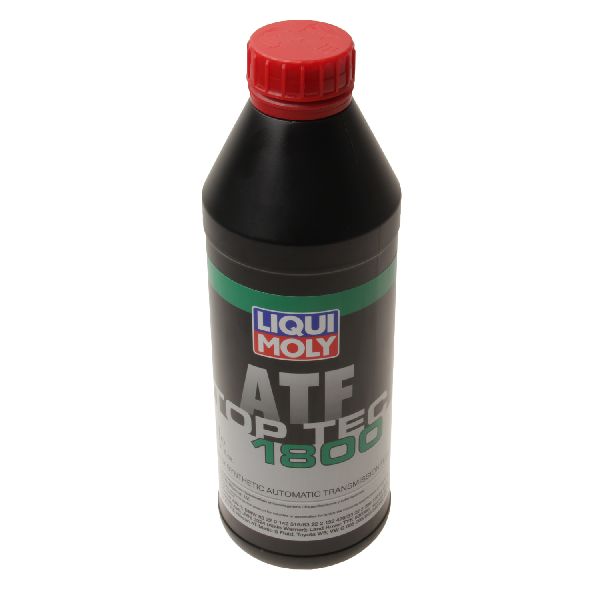
(OEM #XT-10-QLVC)— Low or contaminated fluid is a frequent cause of transmission problems, including this code. A fluid service is a critical first step and required for any internal repair. The 6F35 requires Motorcraft MERCON LV.
Trusted brands: Motorcraft (Mercon LV)
OEM price range: $10-$18 per quart
Aftermarket price range: $8-$12 per quart - Torque Converter
(OEM #DG9Z-7902-V (Common Replacement))— If the torque converter has failed internally, it must be replaced. This is a common failure point on 6F35 transmissions, even on well-maintained vehicles.
Trusted brands: Motorcraft, Transtar, Precision of New Hampton
OEM price range: $500-$900
Aftermarket price range: $300-$600
Related Codes That Often Appear With This One
- P0741 — P0741 indicates 'TCC System Stuck Off,' which is a performance-related code, whereas P0740 is an electrical circuit code. They can appear together if an electrical fault leads to a mechanical performance issue.
- P0743 — This code indicates a specific electrical issue (short circuit) in the TCC solenoid, which is a more detailed version of the general circuit fault reported by P0740.
- P2769 — This code indicates a 'Torque Converter Clutch Pressure Control Solenoid Control Circuit Low' condition, pointing to a specific electrical fault that can accompany the general P0740 code.
Technical Service Bulletins (TSBs) & Recalls
- TSB 16-0111: Mentions issues with an auxiliary pump on start-stop models letting air into the system, causing pressure issues.
- SSM 46355 / 45736: Relates to shift solenoid binding due to contamination, a classic issue with the 6F35 transmission.
Platform-Specific Known Issues
- Recall 22S43: Affects 2013-2019 Escapes for a degraded shifter cable bushing that may prevent the vehicle from shifting into the selected gear. While this does not directly cause P0740, it is a critical transmission-related safety recall for this vehicle.
- Customer Satisfaction Program 20B27: Ford issued this program for some vehicles with 6F35 transmissions to reprogram the PCM to help prevent torque converter overheating. However, some owners reported transmission failure even after the update was performed.
Mechanic-Grade Diagnostic Values
- TCC Solenoid Resistance (Cold) — expected: 4.00 - 5.89 Ω @ 68-86°F (20-30°C). Failure: A reading outside this range indicates a faulty solenoid coil.
- TCC Solenoid Resistance (Hot) — expected: 5.32 - 7.21 Ω @ 194-212°F (90-100°C). Failure: A reading outside this range at operating temperature indicates a faulty solenoid coil.
Scan Tool Commands That Help
- Ford IDS (or FORScan): Output State Control (OSC) / Solenoid Functional Test — To manually command the TCC solenoid on and off to verify the electrical circuit's integrity and the solenoid's mechanical response without having to remove it from the transmission.
- Ford IDS / FORScan: Update Solenoid Strategy / Clear Transmission Adaptive Tables — This is a mandatory step after replacing the transmission or the solenoid body. The new component will have a unique Solenoid Strategy ID number (printed on a sticker on the part) that must be programmed into the PCM for the transmission to shift correctly.
Wiring & Ground Locations
- C175T — The main electrical connector at the Powertrain Control Module (PCM).. This is the starting point for testing the TCC solenoid circuit from the control module side. Technicians will test for voltage and continuity at the specific pins in this connector that lead to the transmission.
- G104 — Right rear of the transmission.. This is a primary ground point for the transmission assembly. A loose or corroded ground here can cause a variety of electrical faults and erratic behavior in transmission components, including solenoids.
- G108 — Left rear of the engine compartment.. This is a major chassis and engine ground point. While not directly on the transmission, a poor connection here can affect the overall grounding scheme of the powertrain control system, potentially leading to intermittent electrical codes.
- Bell Housing Ground — A ground strap or wire with an eyelet that typically bolts to one of the bell housing bolts, connecting the engine block and transmission case.. This ground is often forgotten or improperly reinstalled during transmission replacement. A missing or poor connection can cause stray voltage and electrical noise, leading to phantom codes and incorrect solenoid operation.
Real Owner Repair Stories
- BobIsTheOilGuy forum user (Ford with 6F35 Transmission) — Whining noise on startup and when shifting, shuddering while driving uphill.
❌ Tried (didn't work) Adding Lucas Transmission Fix.
✅ What actually fixed it A transmission shop diagnosed and replaced the failed torque converter. The owner noted the failure occurred after switching from the specified Motorcraft Mercon LV fluid to Valvoline MaxLife on the previous fluid change, suggesting a potential fluid incompatibility issue. - Ford Forums user (2012 Ford Escape XLT 3.0L V6) — Check engine light and wrench light on, car stutters when slowing down, feels like a downshifting problem.
❌ Tried (didn't work) Initial diagnosis was inconclusive.
✅ What actually fixed it The Ford dealer diagnosed a broken cable/wire between the PCM and the torque converter. The final resolution was not posted by the user, but the professional diagnosis pointed directly to a wiring fault rather than a component failure.
OEM Part Supersession History
CV6Z-7G391-A→CV6Z-7G391-B— Part revision, likely for improved durability or material changes.
Heads up: The new part number should be a direct replacement, but it is critical to also program the new solenoid strategy ID into the PCM after installation.
Model Year Variations Within This Range
- 2013-2019: While the 6F35 transmission was used throughout this period, the solenoid body/valve body assemblies are not universally interchangeable without issue. The most critical variation is the 'Solenoid Strategy ID,' a unique calibration code printed on the part. When replacing a solenoid body or the entire transmission, this new ID must be programmed into the vehicle's PCM using a capable scan tool (like Ford's IDS or FORScan) to ensure correct shift timing and pressure control.
Diagnostic Flowchart
Other Known Issues on This Vehicle
Issues unrelated to this code that are worth knowing about as an owner of this generation:
- Engine Coolant Intrusion (1.5L, 1.6L, 2.0L EcoBoost) 🔴 High — Widespread issue, can occur from 60,000 miles onward. A design flaw in the engine block allows coolant to leak into the cylinders. (Ref: TSB 19-2375 (for 1.5L), Recall 13S12 (for 1.6L).)
- Transmission Failure (6F35) 🔴 High → Shop Transmission Assembly — Very common, with failures reported from 40,000 miles. Issues include shuddering, slipping, and complete failure of the torque converter or internal components. (Ref: Subject of class-action lawsuits.)
- Degrading Shifter Cable Bushing 🔴 High — Common enough to warrant a major safety recall. The bushing degrades, preventing the vehicle from being in the gear selected by the driver. (Ref: Recall 22V413000)
- EVAP Purge Valve Failure 🟠 Medium — A common failure part causing rough idle, stalling after refueling, and a check engine light.
- Rear Axle Binding/Shudder (AWD Models) 🟠 Medium — Affects AWD models, causing a clunk, shudder, or binding feeling from the rear when turning at low speeds. (Ref: SSM 46965)
Used vs. New Parts: Buying Guide for This Vehicle
When a used part is the smart pick: A complete transmission assembly from a documented low-mileage donor vehicle can be a cost-effective option, but it carries significant risk due to the 6F35's known issues. It is generally not recommended to buy individual used electronic components like solenoids.
Donor-vehicle mileage cap: roughly under 60000 miles for the part to have meaningful remaining life.
What to inspect on the donor part:
- Verify the donor vehicle's mileage and VIN.
- Ensure the solenoid strategy ID sticker is present and legible on the transmission case.
- Inspect for any signs of fluid leaks, case damage, or corrosion around connectors.
- If possible, get a warranty from the salvage yard.
OEM-only on this vehicle (don't cheap out):
- Automatic Transmission Fluid (Motorcraft MERCON LV is the only fluid that should be used to avoid compatibility issues).
- Solenoid Body / Valve Body (While aftermarket options exist, OEM Motorcraft parts ensure correct fitment and compatibility with PCM software, though they must still be programmed).
Aftermarket brands forum-validated for this vehicle:
- Precision of New Hampton (For remanufactured torque converters).
- Transtar (For remanufactured torque converters and transmission components).
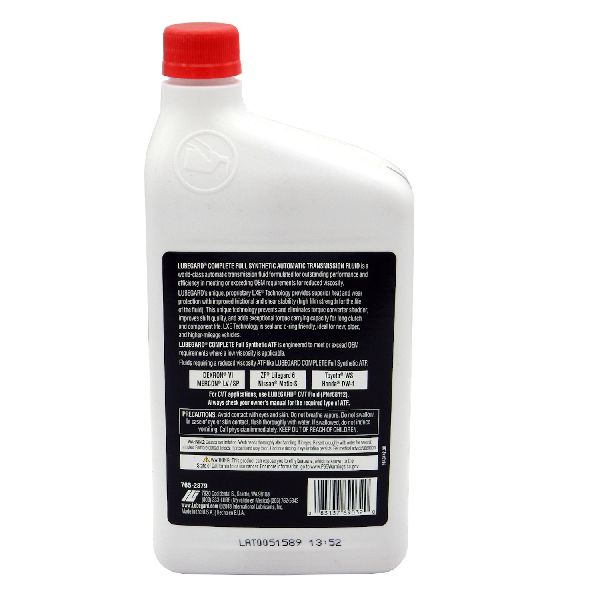
- LubeGard (Specifically 'Shudder Fixx' or 'Platinum ATF Protectant') is mentioned in forums as a potential remedy for shudder, but should be seen as a supplement, not a replacement for correct fluid or mechanical repairs.
Brands owners have reported issues with on this vehicle:
- Non-specific 'universal' or 'multi-vehicle' transmission fluids. A user on a forum reported failure after using a non-Mercon LV fluid.
- Lucas Transmission Fix (Generally regarded by professionals as a temporary 'band-aid' that thickens fluid but does not solve underlying mechanical or electrical problems).
Real Owner Stories
Aggregated from forums and TSBs cited above. Mileages and costs reflect what owners reported in those sources.
2013 Ford Escape
Symptoms: Vehicle experiencing shuddering issues.
What fixed it: The context notes this as a common 6F35 issue, often requiring fluid service or torque converter attention, though the specific user was seeking diagnosis for the shudder.
Source hint: BobIsTheOilGuy.com - 'Ford Escape w/6F35 transmission issues'
2017 Ford Explorer (6F35 Transmission) — 99700 miles
Symptoms: Transmission failure due to torque converter overheating despite frequent fluid changes and having the CSP 20B27 update performed.
What fixed it: Transmission rebuild; however, the rebuilder noted that the replacement parts used were not improved versions.
Source hint: BobIsTheOilGuy.com - 'Ford 6F35 Transmission Failure'
2014 Ford Escape
Symptoms: Whining noise from the transmission, poor acceleration requiring 3000rpm just to move, and the vehicle intermittently feeling like it is in neutral.
What fixed it: These symptoms indicate severe torque converter or transmission pump failure requiring mechanical replacement.
Source hint: reddit.com/r/fordescape - 'How can I confirm that it's just my torque converter failing?'
2018 Ford Escape
Symptoms: Recurring transmission failures leading to multiple replacements in a short timeframe.
What fixed it: The transmission was replaced twice in under four years, with a third unit installed shortly after the second.
Source hint: reddit.com/r/fordescape - '6f35 transmission'
Related OBD-II Codes
Frequently Asked Questions
What specific transmission fluid should I use for my 2013-2019 Ford Escape to avoid P0740?
Is there a recall for the 2013-2019 Ford Escape transmission that causes this code?
How can I check the transmission fluid level on my Escape if there is no dipstick?
What is the correct resistance for the TCC solenoid on a Ford Escape 6F35 transmission?
Does TSB 16-0111 apply to my Ford Escape?
Can a software update fix my transmission shuddering?
Helpful Videos
![How to Program Ford Escape 6F35 Transmission Solenoid Strategy [Required if Replaced Transmission!]](https://img.youtube.com/vi/gKPTkzr1Hd0/mqdefault.jpg)
We Have This Part in Stock



The information in this article is provided for general reference and educational purposes only. Vehicle specifications, procedures, and part compatibility can vary by production date, trim level, and region. Always consult your vehicle's factory service manual and verify part numbers before purchasing or performing repairs. Safety-critical components such as airbags, seat belts, and braking systems should be installed by a qualified professional.
- Ford Escape:
- 🧭 Diagnostic Flowchart
- 🎬 Helpful Videos
- 🛍️ Shop This Part
- What's Unique About the 2013-2019 Ford Escape
- Symptoms You May Notice
- Most Likely Causes
- Rare But Worth Checking
- Diagnosis Steps
- Parts You'll Likely Need
- Related Codes That Often Appear With This One
- Technical Service Bulletins (TSBs) & Recalls
- Platform-Specific Known Issues
- Mechanic-Grade Diagnostic Values
- Scan Tool Commands That Help
- Wiring & Ground Locations
- Real Owner Repair Stories
- OEM Part Supersession History
- Model Year Variations Within This Range
- Other Known Issues on This Vehicle
- Used vs. New Parts: Buying Guide for This Vehicle
- Real Owner Stories
- 2013 Ford Escape
- 2017 Ford Explorer (6F35 Transmission) — 99700 miles
- 2014 Ford Escape
- 2018 Ford Escape
- Related OBD-II Codes
- Frequently Asked Questions
- 🎟️ Get 5% Off