

P0740 on 2013-2020 Ford Fusion: Torque Converter Clutch Circuit Malfunction Causes and Fixes
P0740 on a 2013-2020 Ford Fusion indicates an electrical fault with the torque converter clutch (TCC) solenoid. The most common underlying cause is degraded or low transmission fluid, a known issue with the 6F35 transmission. A fluid and filter change may resolve it, but often the TCC solenoid itself requires replacement. This code points to an electrical problem, but the root cause is frequently hydraulic or mechanical in nature.
- P0740 on a 2013-2020 Fusion is an electrical code, but the root cause is very often mechanical/hydraulic, starting with old transmission fluid.
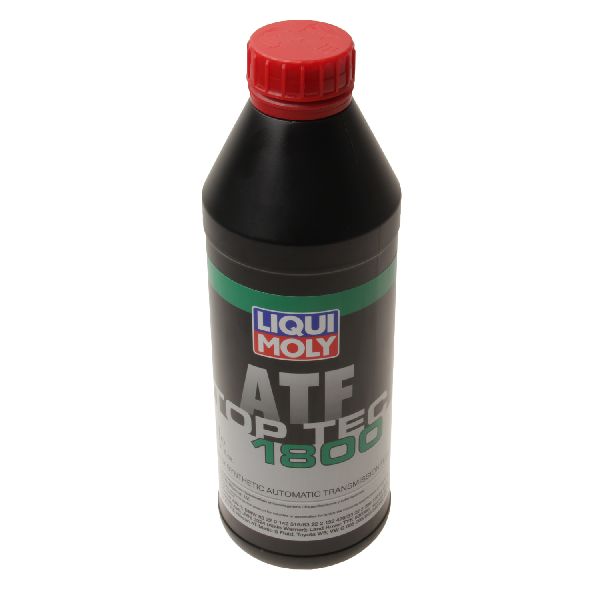
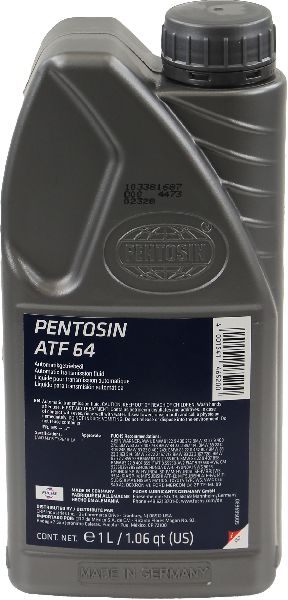
- Always start diagnosis by checking the transmission fluid level and condition. Use only Motorcraft MERCON LV fluid.
- Do not immediately assume the transmission needs to be replaced. The fix is often a much cheaper TCC solenoid and fluid service.
- Due to the complexity and the need to remove the transmission pan, this repair is best left to a professional unless you are an experienced DIYer.
- Ignoring this code will lead to poor fuel economy and can cause severe, expensive damage to the transmission from overheating.
What's Unique About the 2013-2020 Ford Fusion
The 2013-2020 Ford Fusion primarily uses the Ford-GM co-developed 6F35 automatic transmission, which is notoriously sensitive to the condition of its transmission fluid. Ford's long service interval recommendations can lead to premature fluid breakdown. This degraded fluid can cause torque converter shudder, sticky solenoids, and clogged valve body passages, which are often the root cause of the electrical fault that triggers a P0740 code. While the code is electrical, the problem on this platform often starts with the fluid's mechanical and hydraulic properties, a point emphasized by many former Ford technicians.
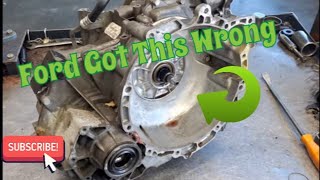
🎬 Watch: A former Ford tech explains why these transmissions fail.Symptoms You May Notice
- Check Engine Light is on
- Engine RPMs are higher than usual at highway speeds
- Noticeably worse fuel economy
- Transmission may feel like it's slipping or not shifting into the final gear
- Vehicle may shudder or vibrate at steady cruising speeds (40-50 mph), feeling like driving over rumble strips. 🎬 See how to fix that 35mph jumping and shuddering sensation.
- In some cases, the engine may stall when coming to a stop if the clutch is stuck engaged.
- Transmission overheating or a burning smell from the fluid.
- Replacing the entire transmission without first diagnosing the fluid, solenoid, and wiring.
- Replacing the torque converter when the actual fault is a simple and inexpensive solenoid or a wiring issue.
- Assuming the issue is mechanical when it could be a software glitch in the TCM that requires an update.
Most Likely Causes
- Low or Degraded Transmission Fluid 🔴 High Probability → Shop Transmission Assembly The 6F35 transmission is known to be very hard on its fluid, causing it to break down faster than the recommended service interval. This is the most common starting point for many 6F35 transmission issues, including shudder and solenoid failure.
How to confirm: Check the transmission fluid level and condition via the dipstick (if equipped) or the check plug. The fluid should be bright red and clear. If it is dark brown, black, or smells burnt, it is degraded.
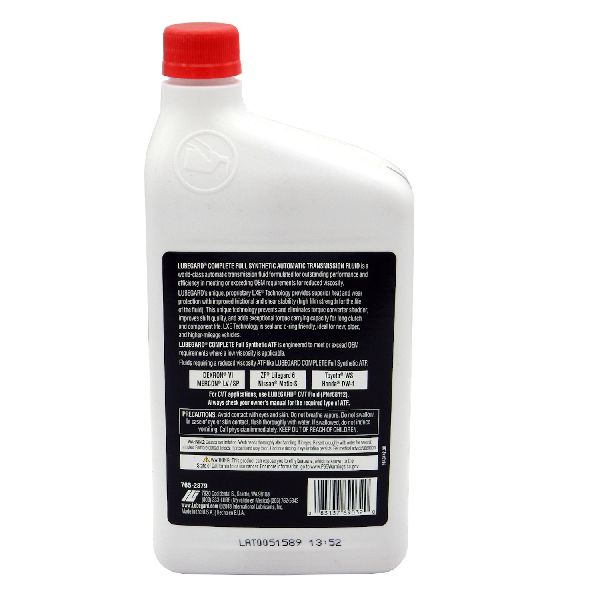
Typical fix: Perform a transmission fluid drain-and-fill or a full fluid exchange with the correct Motorcraft MERCON LV fluid. It is highly recommended to also replace the transmission filter. Some technicians recommend adding a friction modifier (like LubeGard Shutter Fixx) during the fluid change to combat shudder.
Est. part cost: $70-$150 - Faulty Torque Converter Clutch (TCC) Solenoid 🔴 High Probability → Shop Automatic Transmission Torque Converter Degraded fluid can cause the solenoid's internal coil to burn out or the mechanical plunger to stick, creating an electrical fault. These solenoids are a known failure point in the 6F35 transmission.
How to confirm: A technician can use a high-end scan tool to command the TCC solenoid on and off to check its response. The solenoid's electrical resistance can also be tested with a multimeter after removing the transmission pan; it should be within the manufacturer's specified range (often 4.00 - 5.89 ohms at room temperature).
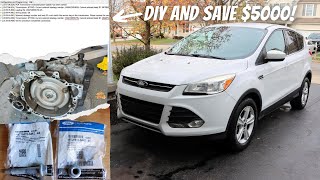
Typical fix: Replace the TCC solenoid, which is located inside the transmission on the valve body. This requires draining the fluid and removing the transmission pan. It is often sold as part of a complete solenoid block. 🎬 Watch this step-by-step guide to replacing solenoids in the 6F35.
Est. part cost: $50-$120 - Damaged Wiring or Connectors 🟡 Medium Probability The wiring harness leading to and inside the transmission can become damaged from heat, vibration, or fluid contamination, causing an open or short circuit. Rodent damage is also a notable cause. A manufacturer service bulletin for other Ford models, TSB Bulletin #SSM 46719, notes that P0740 can be caused by incorrect fitment of pins within the electrical connectors.
How to confirm: Visually inspect the external transmission wiring harness for any obvious damage, especially where it may rub against the chassis or engine. Test for continuity and shorts from the TCM connector to the transmission case connector, and on the internal harness to the solenoid itself.
Typical fix: Repair the damaged section of the wiring harness or replace the faulty connector. In some cases, the internal transmission harness may need to be replaced.
Est. part cost: $20-$200 - Worn Torque Converter or Internal Transmission Failure ⚪ Low Probability → Shop Automatic Transmission Torque Converter Chronic issues with fluid quality and overheating can lead to mechanical failure of the torque converter's clutch lining or other internal components like the valve body. A class-action lawsuit alleged premature torque converter failure in these transmissions, though it was later dismissed.
How to confirm: This is typically diagnosed after all other electrical causes have been ruled out. If the fluid is full of clutch material or metal shavings, it's a strong indicator of mechanical failure. A torque converter stall test can also be performed by a professional.
Typical fix: Replacement of the torque converter or a complete rebuild/replacement of the transmission.
Est. part cost: $400-$2500+
Rare But Worth Checking
- Faulty Powertrain or Transmission Control Module (PCM/TCM): → Shop Transmission Assembly This is very rare. The control module should only be considered after all other possibilities, including wiring, solenoids, and mechanical components, have been thoroughly tested and ruled out. Sometimes a software update or re-flash can resolve the issue without replacing the module.
Diagnosis Steps
- Check the transmission fluid level and condition. If low, top it off with Motorcraft MERCON LV and check for leaks. If the fluid is dark or burnt, a fluid and filter change is the first step.
- Use an OBD-II scanner to check for any other transmission-related codes that could provide more context.
- Check for any relevant Technical Service Bulletins (TSBs) for your vehicle's VIN, especially related to transmission shifting or shudder.
- With an advanced scan tool, monitor the live data for TCC slip speed and command status while driving to confirm the lock-up is not engaging as commanded.
- Inspect the main electrical connector at the transmission case for corrosion, damage, or fluid intrusion. Per TSB Bulletin #SSM 46719, ensure all pins have correct fitment before replacing components.
- Test the TCC solenoid circuit. This involves checking for power, ground, and continuity in the wiring between the TCM and the transmission.
- If wiring is confirmed to be good, the next step is to remove the transmission pan to access the TCC solenoid.
- Test the resistance of the TCC solenoid itself using a multimeter. Compare the reading to the OEM specification (typically 4.00 - 5.89 ohms at room temp 68-86°F). If it's out of spec, the solenoid is bad.
- If the solenoid and wiring both test good, the problem is likely deeper inside the transmission, such as a worn valve body or a failing torque converter.
Parts You'll Likely Need
- Torque Converter Clutch (TCC) Solenoid
(OEM #7T4Z-7G383-E (This is a common part number, but always verify with VIN))— This solenoid is the component directly identified by the code. It often fails due to electrical burnout or becomes mechanically stuck from contaminated fluid.
Trusted brands: Motorcraft, Duralast, Rostra
OEM price range: $80-$150
Aftermarket price range: $50-$120 - Automatic Transmission Fluid (MERCON LV)
(OEM #XT-10-QLVC)— The 6F35 transmission is highly sensitive to fluid condition. Fresh, correct-spec fluid is critical for proper hydraulic and solenoid function.
Trusted brands: Motorcraft, Valvoline MaxLife LV
OEM price range: $10-$15 per quart
Aftermarket price range: $8-$12 per quart - Transmission Filter Kit
(OEM #FT-188 (Motorcraft))— If the fluid is being changed, the filter should always be replaced to remove contaminants that can clog solenoids and passages.
Trusted brands: Motorcraft, Wix, ATP
OEM price range: $30-$50
Aftermarket price range: $15-$30
Related Codes That Often Appear With This One
- P0741 — P0741 indicates a TCC performance issue (stuck off), while P0740 is an electrical circuit fault. They can appear together if an electrical problem causes a performance issue, or if a mechanical problem (like a sticking valve in the valve body) triggers both codes.
- P0743 — This code indicates a short circuit in the TCC solenoid, which is a more specific version of the general circuit malfunction reported by P0740. TSB Bulletin #SSM 46719 notes these codes can appear together due to connector pin issues.
Technical Service Bulletins (TSBs) & Recalls
- TSB 19-2375 / 20-2100 / 22-2134: Addresses coolant intrusion on 1.5L EcoBoost engines, a major known issue for this platform.
- SSM 48106: Further information regarding coolant consumption on the 1.5L EcoBoost, recommending short block replacement if intrusion is confirmed.
- Recall 22S43 / NHTSA 22V-413: Pertains to the degrading shifter cable bushing that can cause the vehicle to be in a different gear than what the shifter indicates, increasing rollaway risk.
- TSB Bulletin #SSM 46719: Advises that P0740 or P0743 can be stored in the PCM memory and recommends checking connector pin fitment prior to component replacement.
Platform-Specific Known Issues
- The 6F35 transmission used in this Fusion is subject to a class-action lawsuit alleging defects that lead to shuddering, slipping, and premature failure, often linked to torque converter and solenoid issues.
- Torque converter shudder is a very common complaint on this platform, often caused by fluid breakdown. While this might not directly set P0740, it's indicative of the underlying problems that can lead to it.
Mechanic-Grade Diagnostic Values
- TCC Solenoid Resistance — expected: 4.00 - 5.89 Ohms at 20-30°C (68-86°F). The resistance changes with temperature.. Failure: A reading outside the specified range for a given temperature indicates a faulty solenoid coil.
- TCC Solenoid Circuit Test at Connector C1472 — expected: Resistance between C1472-1 and C1472-2 should match the solenoid's specified resistance (e.g., 4.00 - 5.89 Ohms at room temp).. Failure: Resistance greater than 10,000 ohms indicates an open in the harness or solenoid. A reading of 0 ohms indicates a short.
Hidden / Shadow Codes Worth Checking
- Solenoid Body Strategy ID: This is not a trouble code, but a 13-digit alphanumeric identifier printed on the valve body and stored in the PCM/TCM. It defines the exact flow characteristics of the installed solenoids. If the valve body is replaced, this new ID must be programmed into the vehicle's computer. (see via A sticker on the transmission case or replacement valve body. It can be read from the PCM/TCM using a dealer-level scanner like Ford IDS or an advanced aftermarket tool like Forscan.)
Scan Tool Commands That Help
- Forscan / Ford IDS: Transmission Characterization Update — This function is mandatory after replacing the transmission valve body or the entire transmission. It allows the technician to input the new Solenoid Body Strategy ID from the replacement part into the PCM/TCM.
- Forscan / Ford IDS: Clear Transmission Adaptive Tables — After any transmission repair, especially valve body or solenoid replacement, this function should be used to erase the learned shift pressure values. The vehicle will then perform a relearn process to adapt to the new components.
- Advanced OBD-II Scanner: TCC Solenoid Output State Control — During diagnosis, a technician can use this bidirectional command to manually turn the TCC solenoid ON and OFF while monitoring system response to verify if the solenoid is functioning electrically and mechanically.
Wiring & Ground Locations
- C1472 — This is the main transmission vehicle harness connector, located on the transmission case.. This is the primary external access point for testing the internal transmission wiring and solenoids. For the P0740 code, a technician would measure resistance between pin 1 (Power) and pin 2 (TCC Control) to test the TCC solenoid and its internal harness.
- Transmission Wiring Harness — Runs from the Powertrain Control Module (PCM), often near the firewall or in the engine bay, down to the transmission case.. This harness is susceptible to damage from heat, vibration, and rodents. A chewed or chafed wire can cause an open or short in the TCC solenoid circuit, directly triggering a P0740 code. A visual inspection of this harness is a critical diagnostic step.
Real Owner Repair Stories
- Reddit user on r/fordfusion (2017 Ford Fusion) — Check engine light with codes P0713, P0765, and P0740 appeared suddenly. Transmission would shift into gear harshly.
❌ Tried (didn't work) Clearing codes (they came back immediately).
✅ What actually fixed it The user found that the wiring harness running from the transmission to the PCM had been chewed by rodents. Repairing the chewed wires resolved all the trouble codes. - NHTSA ODI #10191579 — An owner of a related Ford model reported a persistent P0740 code accompanied by a rough ride and stalling, suggesting the issue can significantly impact drivability.
"I Checked Everything" — The Actual Cause
- A common scenario for the 6F35 transmission is passing all electrical tests (solenoid resistance is correct, wiring has continuity) yet the P0740 code persists or TCC shudder is present. The actual cause is often mechanical wear in the TCC control valve bore within the valve body. This wear allows hydraulic pressure to leak, preventing the TCC from applying correctly, even though the electronics are commanding it to. The fix is to ream the valve body and install an oversized TCC control valve kit, such as those made by Sonnax.
OEM Part Supersession History
Varies by year and specific build→Varies— Ford has updated solenoid and valve body designs over the life of the 6F35 transmission to improve reliability.
Heads up: The most critical factor is the 'Solenoid Body Strategy ID'. A replacement valve body or solenoid pack MUST have its unique ID programmed into the vehicle's computer using a tool like Forscan or IDS. Failure to do this will result in poor shifting and potential damage, even if the part physically fits.
Model Year Variations Within This Range
- 2013-2020: The 6F35 transmission exists in Generation 1, 2, and 3 variants, with changes made to internal components including the valve body and solenoids. Parts are generally not interchangeable between generations. For example, aftermarket companies like Rostra sell different solenoid kits specifically for 'Gen 2' transmissions, indicating significant design changes. Always verify the correct part using the vehicle's VIN.
Diagnostic Flowchart
Other Known Issues on This Vehicle
Issues unrelated to this code that are worth knowing about as an owner of this generation:
- 1.5L EcoBoost Coolant Intrusion 🔴 High — Common in 2014-2019 Fusions. A defect in the engine block design allows coolant to leak into the cylinders, causing misfires, white smoke, and eventual engine failure. (Ref: TSB 22-2134, 20-2100, 19-2375.)
- Degraded Shifter Cable Bushing 🔴 High — Widespread across 2013-2016 Fusions. The bushing on the transmission end of the shift cable degrades, which can prevent the car from going into the selected gear or cause it to roll away when in Park. (Ref: NHTSA Recall 22V-413 (Ford Recall 22S43).)
- Faulty Canister Purge Valve 🟠 Medium — Common across many engine types. The valve sticks open, causing a check engine light (P0496, P1450) and difficulty starting the engine immediately after refueling. (Ref: None, but it is a very well-documented failure.)
- Harsh or Delayed Shifting 🟠 Medium — A frequent complaint related to the 6F35 transmission, often linked to fluid breakdown or software calibration. Can sometimes be improved with a fluid service or PCM update.
- Swollen/Capped Lug Nuts 🟡 Low — Extremely common. The two-piece lug nuts have a decorative chrome cap that swells and deforms over time, making it impossible to fit a standard lug wrench on them.
Used vs. New Parts: Buying Guide for This Vehicle
When a used part is the smart pick: Due to the high failure rate and sensitivity of the 6F35, using used parts is generally not recommended. A complete used transmission is a significant gamble. A used valve body might be considered only if it is from a very low-mileage vehicle and, most importantly, the Solenoid Body Strategy ID sticker is intact and legible, as it must be programmed to your vehicle.
Donor-vehicle mileage cap: roughly under 50000 miles for the part to have meaningful remaining life.
What to inspect on the donor part:
- Verify the donor vehicle's mileage.
- For a valve body, ensure the Solenoid Body Strategy ID sticker is present and undamaged.
- Inspect fluid from the donor transmission if possible; if dark, burnt, or full of metal, avoid the part.
- Check for any physical damage to connectors or the casing.
OEM-only on this vehicle (don't cheap out):
- Transmission Fluid: While some aftermarket fluids meet the MERCON LV spec, using genuine Motorcraft fluid is the safest choice to prevent compatibility issues.
Aftermarket brands forum-validated for this vehicle:
- Solenoids: Rostra is a well-regarded aftermarket brand that offers redesigned solenoids for the 6F35, sometimes claimed to be more durable than OEM.
- Valve Body Repair Kits: Sonnax is the industry leader for fixing internal valve body issues, such as worn TCC control valve bores, by providing oversized valve kits.
Brands owners have reported issues with on this vehicle:
- Unbranded, low-cost solenoid kits from online marketplaces are a high risk and often fail quickly, requiring the labor-intensive job to be done a second time.
Real Owner Stories
Aggregated from forums and TSBs cited above. Mileages and costs reflect what owners reported in those sources.
2013 Ford Fusion — 101000 miles
Symptoms: The owner received a P0741 code (a performance code related to the TCC) which indicated the torque converter was not performing correctly.
What fixed it: The issue escalated to the point where a full transmission replacement was required.
Source hint: Blue Oval Forums - Transmission Issues (P0741)
Ford Fusion (Year Unspecified)
Symptoms: The vehicle experienced multiple transmission circuit codes simultaneously, including P0713, P0765, and P0740.
What fixed it: The diagnosis revealed a wiring harness that had been chewed by rodents.
Source hint: Reddit r/fordfusion - P0713 P0765 & P0740
2010 Ford Escape (6F35 Platform Mate)
Symptoms: Harsh shifting issues that felt mechanical in nature.
What fixed it: A PCM reprogram according to a TSB, demonstrating that some 6F35 shifting issues are software-related rather than mechanical.
Source hint: Ford Escape Forum - 6F35 Harsh Shifting TSB
Related OBD-II Codes
Frequently Asked Questions
Is there a recall for the transmission issues on my 2013-2020 Ford Fusion?
My Fusion shudders at 45 mph like I'm driving over rumble strips; is this related to P0740?
What specific transmission fluid should I use to fix the shudder in my 2013-2020 Fusion?
Can a rodent problem cause the P0740 code on my Ford Fusion?
I have a 1.5L EcoBoost Fusion with transmission codes; could it be related to my coolant loss?
What is the correct electrical resistance for the TCC solenoid in the 6F35 transmission?
Helpful Videos
We Have This Part in Stock


The information in this article is provided for general reference and educational purposes only. Vehicle specifications, procedures, and part compatibility can vary by production date, trim level, and region. Always consult your vehicle's factory service manual and verify part numbers before purchasing or performing repairs. Safety-critical components such as airbags, seat belts, and braking systems should be installed by a qualified professional.
- Ford Fusion:
- 🧭 Diagnostic Flowchart
- 🎬 Helpful Videos
- 🛍️ Shop This Part
- What's Unique About the 2013-2020 Ford Fusion
- Symptoms You May Notice
- Most Likely Causes
- Rare But Worth Checking
- Diagnosis Steps
- Parts You'll Likely Need
- Related Codes That Often Appear With This One
- Technical Service Bulletins (TSBs) & Recalls
- Platform-Specific Known Issues
- Mechanic-Grade Diagnostic Values
- Hidden / Shadow Codes Worth Checking
- Scan Tool Commands That Help
- Wiring & Ground Locations
- Real Owner Repair Stories
- "I Checked Everything" — The Actual Cause
- OEM Part Supersession History
- Model Year Variations Within This Range
- Other Known Issues on This Vehicle
- Used vs. New Parts: Buying Guide for This Vehicle
- Real Owner Stories
- 2013 Ford Fusion — 101000 miles
- Ford Fusion (Year Unspecified)
- 2010 Ford Escape (6F35 Platform Mate)
- Related OBD-II Codes
- Frequently Asked Questions
- 🎟️ Get 5% Off