

P0740 on 2007-2013 Mitsubishi Outlander: Torque Converter Clutch Circuit Malfunction Explained
This code indicates an electrical fault in the torque converter clutch (TCC) solenoid circuit. The most common causes are a failed TCC solenoid, dirty or low transmission fluid, or wiring issues. On models with a CVT, this can be an early sign of more significant transmission problems, often related to the valve body or internal wear.
- P0740 on a 2007-2013 Outlander points to an electrical problem with the torque converter lock-up system.
- Always start your diagnosis by checking the transmission fluid's level and condition, especially on CVT models.
- On CVT-equipped Outlanders, this code is frequently a symptom of a more serious underlying issue with the valve body or the transmission itself, not just a simple solenoid failure.
What's Unique About the 2007-2013 Mitsubishi Outlander
The 2007-2013 Outlander was available with both a traditional 6-speed automatic (primarily on V6 models) and a Jatco JF011E Continuously Variable Transmission (CVT) on four-cylinder models. While P0740 is an electrical code, on the CVT models it can often be a symptom of a larger mechanical or hydraulic issue within the transmission, such as a failing valve body or problems caused by degraded fluid. It's crucial to correctly identify which transmission your Outlander has, as the diagnostic approach and potential for severe underlying issues can differ significantly. The JF011E CVT is known for reliability issues, and P0740 can be an early indicator of failure.
Symptoms You May Notice
- Check Engine Light is on
- Reduced fuel economy
- Vehicle may not shift into the highest gear or feel like it's 'hunting' for a gear
- Engine RPM is higher than usual at highway speeds
- Shuddering or vibration at cruising speeds
- Stalling when coming to a stop (if the TCC is stuck engaged)
- Harsh or delayed shifts
- Whining noise from the transmission, which may get louder with acceleration
- Replacing the entire transmission when only a solenoid or wiring repair was needed.
- Replacing the torque converter when the issue was a less expensive hydraulic or electrical problem.
- Replacing the TCC solenoid when the actual fault lies within a worn valve body, leading to a quick return of the code.
Most Likely Causes
- Low or Dirty Transmission Fluid 🔴 High Probability → Shop Transmission Assembly CVT transmissions, in particular, are very sensitive to fluid condition and level. Old, contaminated fluid can cause solenoids to stick or clog passages in the valve body, leading to pressure issues that can trigger a circuit code.
How to confirm: Check the transmission fluid level and condition via the dipstick. The fluid should be clean, at the correct level, and not smell burnt. The presence of metal shavings is a sign of severe internal damage.
Typical fix: Perform a transmission fluid drain and fill or a complete fluid exchange. Use only the Mitsubishi-specified fluid, which is DiaQueen CVTF-J1 or the updated CVTF-J4. The CVT models have two filters (pan and cooler) that should be changed during the service.
Est. part cost: $80-$200 - Failed Torque Converter Clutch (TCC) Solenoid 🔴 High Probability → Shop Automatic Transmission Torque Converter The solenoid is an electronic component that can fail over time due to heat and electrical issues. It's a known failure point on the Jatco JF011E transmission used in these vehicles.
How to confirm: A technician can test the solenoid's resistance with a multimeter and use a scan tool to command it on/off to check for operation. This requires dropping the transmission pan for access. According to service data, the TCM monitors the current and will set the code if it's below 400mA or above 1.34A.
Typical fix: Replace the TCC solenoid, which is located on the valve body inside the transmission.
Est. part cost: $50-$200 - Damaged Wiring or Connectors 🟡 Medium Probability The wiring harness leading to the transmission is exposed to heat and debris, which can cause wires to fray or connectors to become corroded or loose. The main transmission connector (B-08) and the TCM connector (C-41) are key areas to inspect.
How to confirm: Visually inspect the wiring harness between the TCM and the transmission case connector. Check for continuity and shorts to ground using a multimeter on the specific circuit for the TCC solenoid.
Typical fix: Repair the damaged section of the wiring harness or replace the faulty connector.
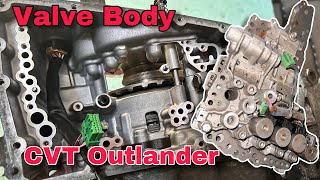
Est. part cost: $20-$100 - Faulty Transmission Valve Body 🟡 Medium Probability → Shop Transmission Valve Body On CVT models, wear in the valve body's hydraulic passages or bores (especially the flow control valve bore) can prevent the TCC from getting the pressure it needs to operate. The TCM can interpret this hydraulic failure as an electrical circuit fault, setting P0740.
How to confirm: This is difficult to confirm without ruling out all other causes. It often requires a transmission specialist to perform pressure tests or vacuum test the valve body bores.
Typical fix: Replace the entire valve body assembly or have it rebuilt by a specialist.
Est. part cost: $500-$1500
Rare But Worth Checking
- Internal Torque Converter Failure: → Shop Automatic Transmission Torque Converter The lock-up clutch inside the torque converter itself can fail mechanically. This is a major repair that requires removing the transmission.
- Faulty Transmission Control Module (TCM): → Shop Transmission Assembly While rare, the TCM itself can fail, sending an erroneous P0740 code. This should be the last item to consider after all other possibilities have been exhausted and confirmed good.
Diagnosis Steps
- Check and verify the code with a quality OBD-II scanner. Note any other pending or active codes, especially P0741 or P0746.
- Inspect the transmission fluid level and condition. If it's low, dark, or smells burnt, service the transmission fluid first. On CVT models, this includes changing both the pan filter and the cooler filter.
- Visually inspect the transmission wiring harness and connectors (specifically B-08 at the transmission and C-41 at the TCM) for any signs of damage, corrosion, or loose connections.
- Use an advanced scan tool (like Mitsubishi's M.U.T.-III) to monitor live data for torque converter slip RPM, TCC solenoid commanded current, and TCC solenoid monitored current. A large discrepancy between commanded and monitored current points to an electrical fault.
- Test the TCC solenoid's internal resistance with a multimeter to see if it's within the manufacturer's specifications. Check for shorts or opens in the wiring between the TCM and the transmission connector.
- If the solenoid and wiring test good, the problem likely lies within the valve body (common on CVTs), the torque converter itself, or the TCM.
Parts You'll Likely Need
- Torque Converter Clutch (TCC) Solenoid
(OEM #MD758981 (check specific application))— This solenoid is the most common point of failure in the TCC circuit, either failing electrically or getting stuck mechanically.
Trusted brands: Rostra, Mitsubishi Genuine
OEM price range: $100-$250
Aftermarket price range: $45-$150 - Automatic Transmission Fluid
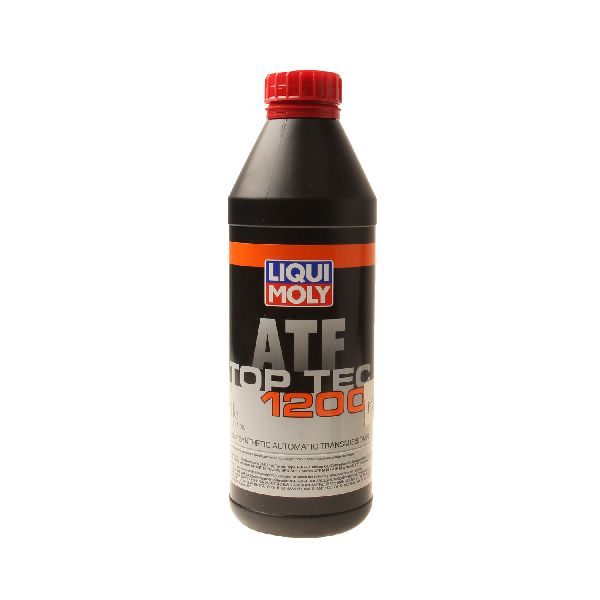
(OEM #MZ320185 (DiaQueen CVTF-J4))— Correct and clean fluid is essential for the proper function of all transmission components, including solenoids. Always use the specific fluid required by Mitsubishi.
Trusted brands: Mitsubishi Diamond (DiaQueen) CVTF-J4
OEM price range: $20-$30 per quart
Aftermarket price range: $15-$25 per quart - Transmission Filter and Pan Gasket — These should always be replaced whenever the transmission pan is removed to service a solenoid or valve body.
Trusted brands: Wix, ATP
OEM price range: $40-$80
Aftermarket price range: $20-$50
Related Codes That Often Appear With This One
- P0741 — P0741 indicates a performance issue (clutch stuck off), which can be caused by the same underlying hydraulic or mechanical issues that trigger the P0740 electrical circuit fault.
- P0746 — This code relates to a pressure control solenoid issue, which can occur alongside a TCC circuit fault if there are widespread hydraulic problems in the valve body.
- P0700 — This is a general transmission fault code that simply tells the ECM to turn on the Check Engine Light. It is almost always present with other transmission-specific codes like P0740.
Platform-Specific Known Issues
- CVT Transmission Failures: → Shop Transmission Assembly The Jatco JF011E CVT in 4-cylinder Outlanders is known for a higher-than-average failure rate. Symptoms often start with a whine, followed by shuddering, and can include codes like P0740. In many forum discussions, P0740 is an early warning sign of a deteriorating transmission that may eventually require a full rebuild or replacement.
- Fluid Sensitivity: Owners and technicians emphasize the critical importance of using only genuine Mitsubishi DiaQueen CVT fluid (J1 or J4). Using universal or incorrect fluid types can accelerate wear and cause operational problems, including solenoid and valve body malfunctions that lead to P0740.
Mechanic-Grade Diagnostic Values
- Torque Converter Clutch (Lock-up) Solenoid Resistance (CVT Models) — expected: 3.0 - 7.0 Ohms. Failure: A reading of 0 Ohms (short circuit) or infinite/OL (open circuit) indicates a failed solenoid coil.
- M.U.T.-III Live Data: LU Solenoid Output Current vs. Monitor Current — expected: Values should be closely matched. Target current is typically 750 mA or more during lock-up command.. Failure: The TCM will set P0740 if the monitored current is below 400 mA for 5 seconds, or above 1.34 A for 1 second, indicating a significant discrepancy.
Scan Tool Commands That Help
- Mitsubishi M.U.T.-III: Data List Items 30 & 31 (LU solenoid monitor/output current) — This is the primary diagnostic step to confirm if the TCM is seeing an electrical fault in the TCC circuit by comparing the commanded current to the actual monitored current.
- Mitsubishi M.U.T.-III: Reset (item No.1: Control learning value) — This function is mandatory after replacing the entire CVT assembly or the valve body assembly. It initializes the learned values within the CVT's control unit.
- Mitsubishi M.U.T.-III: Clear CVT oil degradation level — This must be performed after changing the CVT fluid to reset the internal fluid life monitor. Failure to do so can result in incorrect line pressure calculations and shifting problems.
Wiring & Ground Locations
- B-08 — The main electrical harness connector at the CVT assembly.. This is the primary connection point for all transmission solenoids. It should be checked for corrosion, moisture intrusion, or pushed-out pins.
- C-41 — The main electrical connector at the Transmission Control Module (TCM).. This is the other end of the circuit from the transmission. Testing continuity between this connector and B-08 verifies the integrity of the wiring harness.
- Pin 3 (at both B-08 and C-41) — The specific pin within both the TCM and CVT connectors for the lock-up solenoid valve circuit.. When performing continuity or short-to-ground tests with a multimeter, this is the exact wire that needs to be checked.
- Internal Transmission Ground — Inside the transmission, all solenoids in Mitsubishi applications of the JF011E are grounded internally to the transmission case.. Unlike some Chrysler/Jeep applications of this same CVT which use an external ground pin, the Outlander relies on a clean internal ground path. This makes external ground strap issues less likely to be a cause for this specific code.
Model Year Variations Within This Range
- 2007: The 2007 model year Outlander was launched exclusively with a 3.0L V6 engine and a 6-speed automatic transmission.
- 2008-2013: Starting in the 2008 model year, a 2.4L four-cylinder engine paired with the Jatco JF011E CVT became available on lower trim levels. This is the powertrain most commonly associated with P0740 and the related valve body issues.
- 2010-2013: A facelift occurred for the 2010 model year, but powertrain options (and the associated causes of P0740) remained largely the same as the 2008-2009 models.
Diagnostic Flowchart
Other Known Issues on This Vehicle
Issues unrelated to this code that are worth knowing about as an owner of this generation:
- ETACS ECU Failure 🔴 High — A notable number of owners report sudden failure of the ETACS (body control module), leading to a no-start condition and multiple warning lights. This can be an expensive repair. (Ref: Recall Campaign for 2009-2010 models due to high electrical resistance in the ETACS ECU that could cause loss of headlights or wipers.)
- Clear Coat Peeling / Paint Failure 🟠 Medium — Common on this generation, especially with silver and gold colors. The clear coat fails and peels, typically on the roof and hood, due to UV degradation.
- Premature Lower Control Arm Bushing Wear 🟠 Medium — The bushings on the front lower control arms can wear out prematurely, causing squeaking or rattling noises over bumps and affecting alignment.
- Corroding Wiper Linkage 🟠 Medium — Water can enter the front wiper link ball joint area, causing corrosion that can lead to the linkage separating and the wipers failing. (Ref: NHTSA Recall 16V825000)
- Blower Motor / Resistor Failure 🟡 Low — The HVAC blower motor or its resistor can fail, causing the fan to only work on certain speeds or not at all. This is a common issue across many Mitsubishi models of this era.
- Broken Tire Pressure Valve Stems 🟡 Low — Some owners of early models (especially 2007) reported the metal valve stems for the TPMS sensors becoming brittle and breaking off when checking tire pressure or adding air.
Used vs. New Parts: Buying Guide for This Vehicle
When a used part is the smart pick: A complete used transmission assembly from a low-mileage donor can be a cost-effective alternative to rebuilding, especially if internal hard parts (beyond the valve body) are damaged. A used valve body can also be an option, but it carries risk as the original failure point is often wear within the valve body itself.
Donor-vehicle mileage cap: roughly under 80000 miles for the part to have meaningful remaining life.
What to inspect on the donor part:
- Check the donor vehicle's VIN to confirm it had the same engine and transmission type.
- Ask for maintenance records if available, specifically looking for regular CVT fluid changes.
- Inspect the fluid from the donor transmission. If it is dark, burnt, or contains excessive metal, avoid it.
- Look for external damage to the transmission case, connectors, and sensors.
OEM-only on this vehicle (don't cheap out):
- Transmission Fluid (Mitsubishi DiaQueen CVTF-J1 or J4)
- Transmission Control Module (TCM) - used units can have compatibility issues and may not be reprogrammable.
Aftermarket brands forum-validated for this vehicle:
- Sonnax (for valve body rebuild kits and individual components)
- Rostra (for replacement solenoids)
Brands owners have reported issues with on this vehicle:
- Generic, unbranded solenoids and valve bodies from online marketplaces often have high failure rates.
Real Owner Stories
Aggregated from forums and TSBs cited above. Mileages and costs reflect what owners reported in those sources.
2008 Mitsubishi Outlander CVT
Symptoms: The transmission began making a whining noise followed by shuddering and the Check Engine Light appearing with code P0740.
What fixed it: A fluid and filter change was attempted, but it did not solve the problem long-term, suggesting the issue was internal to the valve body.
Source hint: mitsubishiforum.com: Multiple threads discuss P0740 on CVT models
Related OBD-II Codes
Frequently Asked Questions
Can I use any transmission fluid to fix the P0740 code in my Outlander CVT?
Is there a recall for the wiper failure mentioned in the known issues?
My 2010 Outlander has multiple warning lights and won't start; is this related to the P0740 code?
What are the specific electrical limits the TCM looks for regarding the TCC solenoid?
Which connectors should I check if I suspect a wiring issue is causing the P0740?
Does the Outlander CVT have filters that need to be replaced during a fluid service?
Helpful Videos
We Have This Part in Stock


The information in this article is provided for general reference and educational purposes only. Vehicle specifications, procedures, and part compatibility can vary by production date, trim level, and region. Always consult your vehicle's factory service manual and verify part numbers before purchasing or performing repairs. Safety-critical components such as airbags, seat belts, and braking systems should be installed by a qualified professional.
- Mitsubishi Outlander:
- 🧭 Diagnostic Flowchart
- 🎬 Helpful Videos
- 🛍️ Shop This Part
- What's Unique About the 2007-2013 Mitsubishi Outlander
- Symptoms You May Notice
- Most Likely Causes
- Rare But Worth Checking
- Diagnosis Steps
- Parts You'll Likely Need
- Related Codes That Often Appear With This One
- Platform-Specific Known Issues
- Mechanic-Grade Diagnostic Values
- Scan Tool Commands That Help
- Wiring & Ground Locations
- Model Year Variations Within This Range
- Other Known Issues on This Vehicle
- Used vs. New Parts: Buying Guide for This Vehicle
- Real Owner Stories
- 2008 Mitsubishi Outlander CVT
- Related OBD-II Codes
- Frequently Asked Questions
- 🎟️ Get 5% Off