

P0740 on 2014-2018 Ram ProMaster: Torque Converter & TCC Solenoid Guide
On a 2014-2018 Ram ProMaster with the 62TE transmission, P0740 often points to a serious internal issue. While it can be a faulty TCC solenoid, it's frequently indicative of a failing torque converter, a major repair. Thorough diagnosis is critical to avoid replacing the wrong parts, as this issue is common across many Dodge/Chrysler vehicles with this transmission.
- P0740 on a 2014-2018 ProMaster indicates a problem with the torque converter clutch system.
- While the code can be caused by a bad solenoid or wiring, a manufacturer TSB strongly suggests it's often a failed torque converter on this specific 62TE transmission.
- Proper diagnosis is crucial. Don't automatically replace the TCC solenoid without testing; you may be wasting money on a part that won't fix the root cause.
- This is a serious issue that requires professional attention, as the most common fix involves removing the transmission to replace the torque converter.
- Always use Mopar ATF+4 fluid when servicing this transmission to prevent further complications.
What's Unique About the 2014-2018 Ram PROMASTER
The Ram ProMaster uses the 62TE 6-speed automatic transmission, which has a well-documented history of issues related to this code across multiple vehicle platforms. A manufacturer Technical Service Bulletin (TSB #9004206) for this transmission explicitly states that if the TCC solenoid is functioning correctly, code P0740 is indicative of a torque converter failure. Owner complaints and mechanic consensus strongly support this, with many experienced technicians stating that the vast majority of P0740 repairs on the 62TE require a new torque converter due to worn internal clutch material. The ProMaster's typical use as a heavy commercial vehicle can also accelerate this wear.
Diagnostic Flowchart
Tap your situation to follow the diagnostic path that matches what you're seeing on this vehicle.
Symptoms You May Notice
- Check Engine Light illuminated
- Engine RPMs are higher than usual at highway speeds
- Noticeable decrease in fuel economy
- Vehicle may jerk or slip, especially when the TCC is supposed to engage
- Transmission shudder or chatter at cruising speeds
- Engine may stall when coming to a stop if the TCC is stuck engaged
- Transmission may overheat, potentially causing a burning smell
- Replacing only the TCC solenoid when the torque converter is the actual point of failure. Mechanics familiar with the 62TE transmission often warn that replacing the solenoid is a waste of money if the underlying issue is a mechanically failed converter.
- Conversely, immediately condemning the torque converter without proper electrical diagnosis. A faulty solenoid, wiring issue, or even a needed PCM update can cause this code and are significantly cheaper to fix. A YouTube commenter shared a story of replacing a converter only to find the solenoid was the true culprit.
Most Likely Causes
- Failed Torque Converter 🔴 High Probability → Shop Automatic Transmission Torque Converter A manufacturer TSB (#9004206) directly identifies this as the likely cause on 62TE transmissions if the solenoid tests okay. The lock-up clutch material inside the converter wears out, shedding debris into the fluid and preventing a proper lock-up. An owner complaint noted metal debris in the fluid along with this code, pointing to internal mechanical failure. This is the most commonly cited definitive fix by independent mechanics familiar with the 62TE.
How to confirm: After confirming the TCC solenoid and its circuit are good, a scan tool monitoring TCC slip speed is the best method. If slip remains high (e.g., >100 RPM) when lock-up is commanded, the converter is failing. Dropping the transmission pan and finding significant dark, gritty clutch material (not just fine metallic paste on the magnet) is another strong indicator.
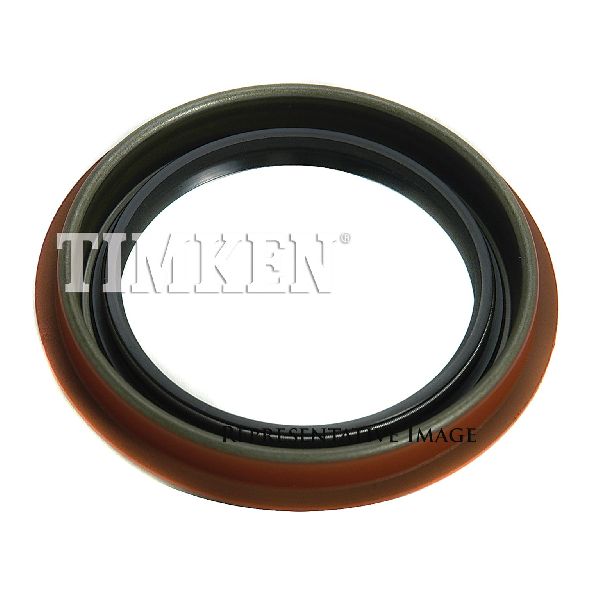
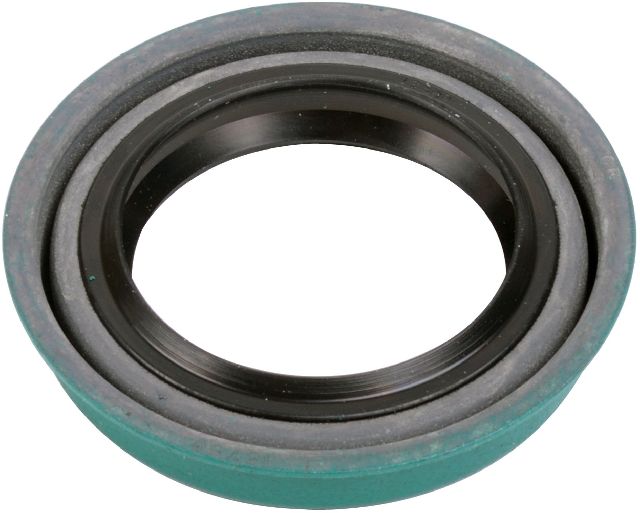
Typical fix: Replace the torque converter. This requires removing the transmission. It is also highly recommended to flush the transmission cooler lines and replace the front pump seal at the same time.
Est. part cost: $300-$600 - Failed Torque Converter Clutch (TCC) Solenoid 🟡 Medium Probability → Shop Automatic Transmission Torque Converter The solenoid pack in the 62TE transmission is a known failure point. A Customer Satisfaction Notification (V46) was issued for some 2016-2017 models for solenoid terminals built out of spec, causing intermittent connections and requiring replacement of the solenoid pack. The solenoid can fail electrically (open circuit) or mechanically (sticking).
How to confirm: Use a high-end scan tool to command the TCC solenoid on and off to check for an audible click and response. The solenoid's resistance can also be tested with a multimeter by accessing the transmission's main electrical connector; an out-of-spec reading indicates failure. The TCC solenoid should have a resistance of approximately 5.0-5.2 Ohms at 70°F.
Typical fix: Replace the TCC solenoid or the entire solenoid pack/valve body assembly. 🎬 Watch: Step-by-step solenoid pack replacement on a ProMaster. This is done by dropping the transmission pan and sometimes a side cover.
Est. part cost: $150-$400 - Low or Contaminated Transmission Fluid 🟡 Medium Probability → Shop Transmission Assembly The 62TE is sensitive to fluid type and condition. Only Mopar ATF+4 fluid should be used. Low fluid levels due to leaks can cause pressure issues that prevent proper solenoid and clutch operation. Fluid contaminated with clutch material or metal shavings from internal wear can clog solenoid passages and the filter, causing this code.
How to confirm: Check the transmission fluid level and condition using the proper procedure (vehicle at operating temperature, running in neutral). The fluid should be bright red and not have a burnt smell. Inspect for excessive metal particles or clutch debris in the fluid or pan.
Typical fix: Perform a transmission fluid and filter change. If the fluid is heavily contaminated, it often indicates a larger mechanical problem (like a failing converter) is the root cause.
Est. part cost: $100-$200 - Wiring or Connector Issues ⚪ Low Probability
How to confirm: Visually inspect the wiring harness leading to the transmission for any signs of damage, corrosion, or loose connections, particularly at the main 20-pin connector. Check for continuity and shorts in the TCC solenoid circuit between the TCM 🎬 See this video for common TCC solenoid circuit causes and fixes. and the transmission connector using a multimeter and wiring diagram. The TCC VFS control circuit is on Pin 3 of the main transmission connector.
Typical fix: Repair or replace the damaged section of the wiring harness or the connector.
Est. part cost: $20-$150
Rare But Worth Checking
- Faulty Powertrain Control Module (PCM): → Shop Engine Control Module (ECM) This is very uncommon. The PCM's internal driver for the TCC solenoid can fail, but all other potential causes should be exhaustively ruled out before condemning the PCM. In some cases, a PCM software update (reflash) has been reported to fix the P0740 code, suggesting a logic issue rather than a hardware failure.
Diagnosis Steps
- Check and confirm the transmission fluid level is correct and the fluid is in good condition (not burnt or full of debris). Use only ATF+4 fluid.
- Use an OBD-II scanner to check for any other transmission-related codes, especially P0700 or P2764. 🎬 Watch: Diagnostic walkthrough for P0740 and related 62TE codes.
- With a capable scan tool, monitor the live data for 'TCC Slip Speed' or 'Torque Converter Slip' while driving. Command the TCC to lock (usually at steady cruising speed above 45 mph). If slip remains high (over 100 RPM for 10 seconds), it strongly points to a mechanical torque converter or hydraulic issue. Normal slip in full lock-up should be 0 (± 20 RPM).
- Inspect the main transmission wiring harness and connector for any visible damage, corrosion, or fluid intrusion.
- Test the TCC solenoid circuit. Using a multimeter and a wiring diagram, check for proper resistance at the solenoid and verify continuity in the wiring between the TCM and the transmission. The TCC solenoid should measure ~5.0-5.2 Ohms at 70°F. Test at the main transmission connector between Pin 10 (power from relay) and Pin 3 (TCC VFS control).
- If the circuit and wiring are good, the TCC solenoid is the next suspect. It can be commanded on/off with a scan tool to listen for a click. If it fails tests, it should be replaced.
- As a diagnostic aid, some mechanics suggest adding a quality friction modifier. If this temporarily improves symptoms or makes the code disappear, it further confirms the issue is the clutch material inside the torque converter.
- Check with a dealer for any available Powertrain Control Module (PCM) software updates. A reflash has been known to resolve this code in some instances.
- If the solenoid and circuit test good, and a PCM update is not available or does not help, the problem is almost certainly the torque converter itself, as stated in TSB #9004206.
Parts You'll Likely Need
- Torque Converter — Per TSB #9004206 and extensive mechanic feedback, this is the most likely failure on the 62TE transmission when P0740 is present and the solenoid is okay.
Trusted brands: Mopar (Remanufactured), Transtar, Dacco (e.g., 5TPP12), Jasper (often with upgrades)
OEM price range: $500-$800
Aftermarket price range: $300-$500 - Transmission Solenoid Pack
(OEM #68376696AA (supersedes 05078709AB))— This contains the TCC solenoid. It's a common failure point and may be replaced as a first step, especially on 2016-2017 models covered by Customer Satisfaction Notification V46.
Trusted brands: Mopar, Rostra, Standard Motor Products
OEM price range: $300-$450
Aftermarket price range: $150-$250 - Mopar ATF+4 Transmission Fluid
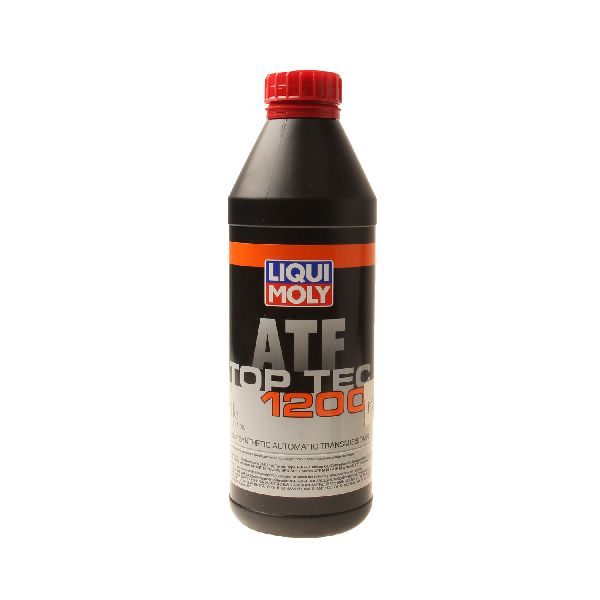
(OEM #68218057AB (quart), 68218058AB (gallon))— The 62TE transmission is specified to use only ATF+4 fluid. Any fluid service or part replacement will require refilling with the correct fluid.
Trusted brands: Mopar, Valvoline, Castrol
OEM price range: $10-$15 per quart
Aftermarket price range: $7-$12 per quart
Related Codes That Often Appear With This One
- P2764 — This code for 'Torque Converter Clutch Pressure Control Solenoid Control Circuit Range/Performance' is mentioned alongside P0740 in TSB #9004206 as an indicator of potential torque converter failure.
- P0700 — This is a generic code indicating that the Transmission Control Module (TCM) has stored a fault code. It often appears with more specific transmission codes like P0740.
Technical Service Bulletins (TSBs) & Recalls
- Bulletin #9004206: If vehicle is jerking/slipping with MIL code(s) P0740 or P2764, check TCC Solenoid operation. If TCC Solenoid is ok, the codes are indicative of a torque converter failure. Replace the torque converter.
Platform-Specific Known Issues
- NHTSA TSB #9004206: States that for the 62TE transmission, if the vehicle jerks/slips with code P0740 and the TCC solenoid tests okay, the torque converter has failed and must be replaced.
- Customer Satisfaction Notification V46: Issued for some 2016-2017 models for a solenoid pack with out-of-spec terminals, causing intermittent electrical connection. The fix is a free replacement of the solenoid pack by a dealer.
- Commercial Use Impact: As ProMasters are often used as work vans, they are frequently subjected to heavy loads and high mileage, which puts additional stress on the transmission and can lead to premature wear of the torque converter's internal clutch, a primary cause of P0740.
Mechanic-Grade Diagnostic Values
- TCC Solenoid Resistance — expected: ~5.0 - 5.2 Ohms at 70°F. Failure: A reading that is significantly higher (approaching infinite for an open circuit) or lower indicates a failed solenoid coil.
- TCC Slip Speed (Live Scan Tool Data) — expected: 0 (± 20) RPM when TCC is commanded to full lock (FEMCC).. Failure: The P0740 code will set if slip exceeds 100 RPM for 10 seconds when full lock-up is commanded. This indicates the clutch inside the torque converter is not holding.
Scan Tool Commands That Help
- wiTECH (or equivalent high-level scanner): Live Data Monitoring: 'TCC Slip Speed' — This is the primary diagnostic function for P0740. It is used during a road test to definitively confirm if the torque converter clutch is mechanically slipping when commanded to lock by the PCM.
- wiTECH (or equivalent high-level scanner): Actuator Test: TCC Solenoid Command — Used to verify the electrical side of the circuit. By commanding the solenoid on and off while the engine is off, a technician can listen for an audible 'click' from the transmission, indicating the solenoid is physically moving. This helps isolate a wiring/PCM issue from a stuck or dead solenoid.
- wiTECH: Transmission Quick Learn Procedure — This procedure is required after replacing the transmission, valve body, solenoid pack, or PCM to allow the controller to learn the new components' hydraulic and electronic characteristics for proper shifting.
Wiring & Ground Locations
- Transmission Main Connector (C1) — The main 20-pin electrical connector on the front side of the 62TE transmission case.. This is the primary access point for testing the entire transmission electrical system without removing internal parts. The TCC solenoid circuit can be tested here. Pin 3 is the TCC VFS (Variable Force Solenoid) control wire, and Pin 10 is the power feed from the transmission relay.
- Engine/Transmission Ground Strap — The factory ground strap is part number 4727654AC and is located on the transmission. Some owners and mechanics add a supplementary ground cable from one of the starter mounting bolts to a solid point on the chassis frame, often near the under-hood fuse box, to resolve intermittent electrical issues.. Poor grounding can cause a host of unpredictable electrical problems, including incorrect sensor readings and erratic solenoid operation. While not a direct cause of P0740, verifying a solid ground connection is a crucial step in diagnosing any electrical fault on the ProMaster.
Real Owner Repair Stories
- Codeman's Auto YouTube Channel (Dodge Grand Caravan with 62TE (same transmission and common issue)) — P0740 code that returned instantly after being cleared.
❌ Tried (didn't work) The video starts with the diagnosis. The mechanic notes that an instant return of the code usually points to a hard electrical fault, not a mechanical one.
✅ What actually fixed it The diagnosis pointed towards an electrical issue. The mechanic inspected the external wiring harness, which had been previously tampered with, before proceeding to replace the TCC solenoid, which is located inside the side cover of the transmission. The final fix was replacing the TCC solenoid.
"I Checked Everything" — The Actual Cause
- The equivalent for this code is when all electrical tests (solenoid resistance, wiring continuity) pass, but the P0740 code persists. In this scenario, the actual cause is mechanical wear of the clutch material inside the torque converter. The clutch is slipping physically, causing excessive TCC slip RPM detected by the sensors, but there is no electrical fault to be found. This aligns with manufacturer TSB #9004206, which directs technicians to replace the torque converter if the solenoid and circuit are confirmed to be good.
OEM Part Supersession History
05078709AB→68376696AA— Updated part to address reliability issues, including terminal connection problems identified in service campaigns.4727654AB→4727654AC— Revision of the engine/transmission ground wiring harness.
Model Year Variations Within This Range
- 2016-2017: These model years were subject to Customer Satisfaction Notification V46. The transmission solenoid coil terminals were potentially built out of specification, causing intermittent electrical connections. For vehicles in this range presenting with P0740 or other transmission electrical codes, the solenoid pack is a higher-probability cause and should be inspected per the campaign.
Helpful Videos
We Have This Part in Stock


The information in this article is provided for general reference and educational purposes only. Vehicle specifications, procedures, and part compatibility can vary by production date, trim level, and region. Always consult your vehicle's factory service manual and verify part numbers before purchasing or performing repairs. Safety-critical components such as airbags, seat belts, and braking systems should be installed by a qualified professional.
- Ram PROMASTER:
- 🧭 Diagnostic Flowchart
- 🎬 Helpful Videos
- 🛍️ Shop This Part
- What's Unique About the 2014-2018 Ram PROMASTER
- Symptoms You May Notice
- Most Likely Causes
- Rare But Worth Checking
- Diagnosis Steps
- Parts You'll Likely Need
- Related Codes That Often Appear With This One
- Technical Service Bulletins (TSBs) & Recalls
- Platform-Specific Known Issues
- Mechanic-Grade Diagnostic Values
- Scan Tool Commands That Help
- Wiring & Ground Locations
- Real Owner Repair Stories
- "I Checked Everything" — The Actual Cause
- OEM Part Supersession History
- Model Year Variations Within This Range
- 🎟️ Get 5% Off