

P0741 on 2012-2020 Chevrolet Sonic: Torque Converter Clutch Causes and Fixes
P0741 on a Chevy Sonic most often points to a problem with the torque converter clutch (TCC) system, commonly a failing TCC solenoid inside the transmission, or a worn-out torque converter. Start by checking the transmission fluid level and condition, but expect a repair that involves accessing internal transmission components. This is a very common issue on the GM 6T30/6T40 platform.
- P0741 on a Chevy Sonic indicates the torque converter clutch is failing to lock up as commanded.
- The most common fixes are replacing the TCC solenoid (located inside the transmission) or replacing the entire torque converter (requires transmission removal).
- Always start diagnosis by checking the transmission fluid level and condition, but be prepared for a more complex mechanical repair.
- Do not ignore this code. Continued driving can lead to transmission overheating and catastrophic failure.
- This is not a recommended DIY repair for beginners due to the complexity and need for special tools.
What's Unique About the 2012-2020 Chevrolet Sonic
The Chevrolet Sonic uses a GM 6T30 or 6T40 6-speed automatic transmission, shared with the Chevy Cruze, Trax, and Buick Encore. On this platform, code P0741 is a well-documented issue that often points beyond simple fluid problems to mechanical or hydraulic failures. The TCC solenoid is a common failure point and is located inside the transmission on the valve body, making it a labor-intensive repair. Furthermore, GM has issued service bulletins for similar transmissions that highlight premature wear of the torque converter itself, where the clutch friction material delaminates and contaminates the entire transmission system, leading to this code and potentially other damage.
Generation note: The 2012-2020 Chevrolet Sonic belongs to a single generation, but it received a major facelift for the 2017 model year which updated its exterior styling and interior features. The underlying powertrain and transmission (6T30/6T40), where this code originates, remained largely the same, so the causes and fixes apply to the entire year range.
Symptoms You May Notice
- Check Engine Light is on
- Engine RPM is higher than normal at highway speeds
- Noticeable decrease in fuel economy
- Vehicle shudders or vibrates when accelerating or cruising at a steady speed
- Transmission may feel like it's slipping or shifts may feel harsh
- Transmission overheating warning light may illuminate
- In some cases, a buzzing or whooshing noise may be heard at idle that changes with engine speed.
- Replacing only the transmission fluid when the torque converter has already failed. A fluid change will not fix a mechanically failed converter, and the code will return quickly.
- Replacing the torque converter when the actual problem is a less expensive, but difficult to access, TCC solenoid.
- Replacing only the TCC solenoid when the torque converter has already failed and contaminated the system. The new solenoid will likely fail again in a short time due to debris.
Most Likely Causes
- Low or Dirty Transmission Fluid 🟡 Medium Probability → Shop Transmission Assembly Over time, fluid breaks down and can become contaminated with clutch material. The 6T30/40 transmission does not have an easily accessible dipstick, so fluid level is often neglected. Contaminated fluid can clog solenoid passages.
How to confirm: The fluid level must be checked via a check/fill plug on the side of the transmission case while the vehicle is level and at operating temperature (typically 185-203°F). Inspect the fluid's color and smell; it should be bright red (DEXRON-VI) and not smell burnt. Dark, brown, or black fluid with metallic debris indicates a more serious internal problem, likely a failing torque converter.
Typical fix: Perform a transmission fluid drain-and-fill using the correct DEXRON-VI fluid. A full fluid exchange (flush) is better if the fluid is very dirty, but this is often a first step and may not solve the problem if a component has already failed.
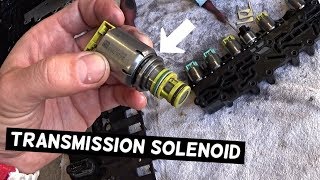
Est. part cost: $50-$120 - Faulty Torque Converter Clutch (TCC) Solenoid 🔴 High Probability → Shop Automatic Transmission Torque Converter The TCC solenoid in the 6T30/40 transmission is a known high-failure part. It can become clogged with debris, fail electrically, or stick mechanically, preventing it from properly regulating hydraulic pressure to the lockup clutch.
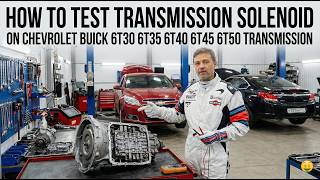
How to confirm: A technician can command the solenoid on and off with a professional scan tool while monitoring TCC slip RPM. If the solenoid is commanded but there is no change in slip speed, and the wiring is confirmed to be good, the solenoid is likely faulty. Its resistance can also be tested with a multimeter once accessed. For Gen 1 and Gen 2 6T40/6T45 transmissions, the TCC pressure control solenoid should have a resistance between 3-5 ohms. In many cases, the solenoid may test fine when cold but fail at operating temperature.
Typical fix: Replace the TCC solenoid. This requires removing the transmission oil pan and the valve body to access the solenoid pack. Many technicians recommend replacing the entire solenoid pack (which includes all solenoids, often as part of a remanufactured TEHCM assembly) at the same time, as they are all the same age and subject to the same conditions.
Est. part cost: $60-$150 for a single solenoid, $200-$400 for a full kit. - Failed Torque Converter 🔴 High Probability → Shop Automatic Transmission Torque Converter GM service bulletins for the 6T40 family of transmissions indicate that the internal clutch friction material can delaminate or 'debond' from its backing plate. This failure prevents lock-up and contaminates the entire transmission with abrasive debris, which can then cause other failures like a stuck TCC solenoid or worn valve body.
How to confirm: This is often diagnosed after confirming the solenoid and fluid are not the cause. Finding significant metallic or clutch material debris in the transmission pan is a strong indicator of torque converter failure. A technician will monitor TCC slip speed with a scan tool; if it remains high despite the solenoid being commanded on and fluid pressure being present, the converter is the prime suspect.
Typical fix: The torque converter must be replaced. This is a major repair that requires removing the entire transmission from the vehicle. The transmission cooler and lines must also be thoroughly flushed or replaced to remove all debris, otherwise the new transmission/converter will be damaged quickly.
Est. part cost: $250-$600 - Worn Transmission Valve Body ⚪ Low Probability → Shop Transmission Valve Body The bore for the TCC control valve within the aluminum valve body can wear over time, especially if contaminated fluid is present. This wear creates a hydraulic leak that prevents sufficient pressure from reaching the clutch to engage it.
How to confirm: This is difficult to confirm without specialized vacuum testing tools. It's typically suspected when a new TCC solenoid does not fix the issue and the torque converter is believed to be good. Aftermarket companies like Sonnax sell kits to repair these worn bores.
Typical fix: The valve body may be repaired with oversized valves and reamed bores, or the entire valve body assembly can be replaced.
Est. part cost: $300-$700
Rare But Worth Checking
- Worn Turbine Shaft Front Bushing: A GM TSB for other models with similar transmissions notes this as a cause for P0741 on low-mileage vehicles (under 10,000 miles). A worn bushing causes a pressure leak, preventing the TCC from applying correctly. This would require transmission removal and disassembly to fix.
- Wiring Harness Issues: Damage to the wiring harness leading to the transmission, or the internal harness connecting to the TCC solenoid, can cause an electrical fault. This would more commonly set a P0740 (circuit code) but can sometimes lead to a P0741 performance code.
Diagnosis Steps
- Check the transmission fluid level and condition. The vehicle must be warm, running, and on a level surface. Note any burnt smell or metallic particles. Dark, glittery fluid is a bad sign.
- Use a professional OBD-II scanner to view live data. Monitor the TCC slip speed while driving at a steady cruise (above 45 mph). A slip of over 200 RPM when lockup is commanded indicates a problem.
- While monitoring live data, command the TCC solenoid on and off using the scanner's bidirectional controls. Observe if the TCC slip RPM drops to near zero when commanded on. If it doesn't, a problem exists in the control system or mechanical components.
- If the solenoid does not activate, inspect the transmission wiring harness and connectors for any damage, corrosion, or loose connections.
- If the wiring is intact, drop the transmission pan to access the valve body and TCC solenoid. Inspect the pan magnet for excessive metal debris. A large amount of shavings or clutch material points to a failing torque converter or other internal hard parts.
- Test the electrical resistance of the TCC solenoid with a multimeter and compare it to the manufacturer's specifications (3-5 ohms for Gen 1/2 pressure control solenoids). Remember that it can test good cold and still fail when hot.
- If the solenoid tests good and there is minimal debris in the pan, the issue may be a worn valve body bore or a failing torque converter. At this point, professional diagnosis with specialized tools is highly recommended.
Parts You'll Likely Need
- Torque Converter Clutch (TCC) Solenoid
(OEM #24256523 (often part of a kit))— This solenoid is a common failure point in the 6T30/6T40 transmission and is responsible for controlling the lock-up function. It can stick or fail electrically.
Trusted brands: ACDelco, Rostra, Sonnax (offers improved versions)
OEM price range: $80-$120 - Transmission Solenoid Kit (All 7)
(OEM #24256525 (Gen 1, check application))— Since accessing the solenoids requires significant labor, it is best practice to replace all of them at once. The other solenoids have been subjected to the same heat and fluid conditions and may fail soon.
Trusted brands: ACDelco, Rostra
OEM price range: $250-$400 - Torque Converter — The internal clutch lining is known to fail, contaminating the transmission fluid with debris and preventing lockup. This is a very common root cause for P0741.
Trusted brands: ACDelco (Remanufactured), Transtar, Whatever the transmission shop recommends
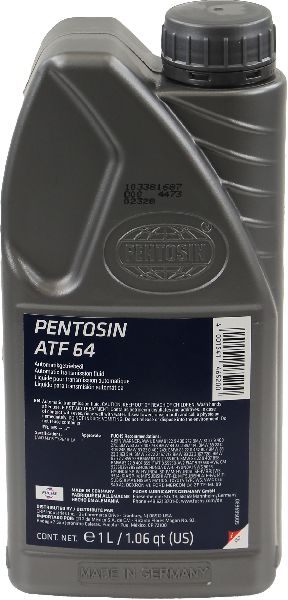
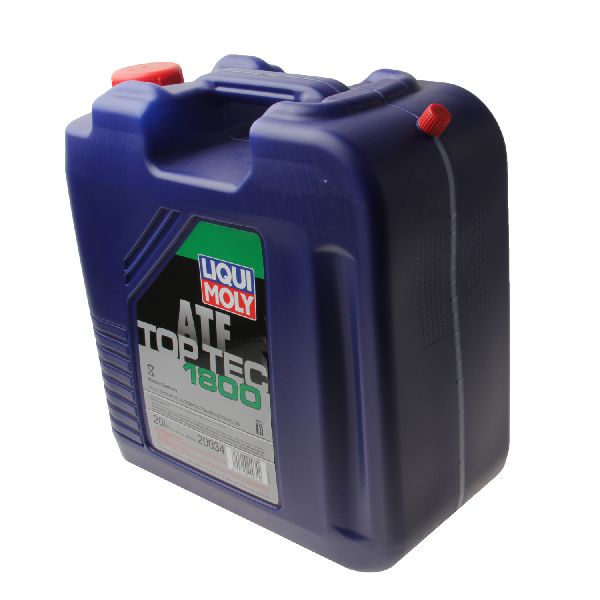
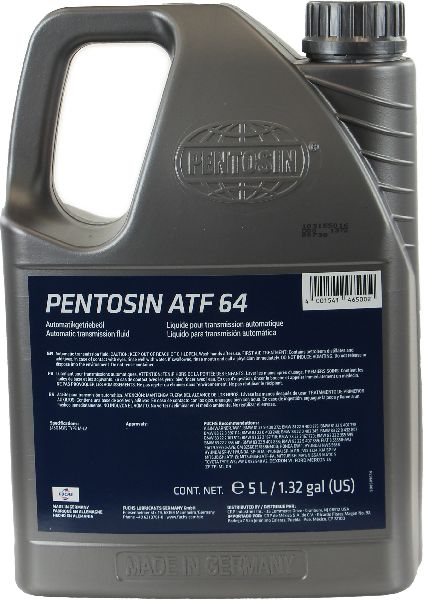
OEM price range: $300-$500 - DEXRON-VI Automatic Transmission Fluid — Required for any service involving the transmission pan or internal components. A drain and fill requires about 5-6 quarts.
Trusted brands: ACDelco, Valvoline, Castrol
OEM price range: $8-$15 per quart
Related Codes That Often Appear With This One
- P0740 — P0740 indicates an electrical circuit malfunction for the TCC solenoid. If there is an electrical fault (like a broken wire or bad coil) that prevents the solenoid from activating, the system will also fail the performance test, potentially setting both codes.
- P0700 — P0700 is a generic code indicating that the Transmission Control Module (TCM) has stored a fault code. It's an informational code that tells you to check the TCM for more specific codes, like P0741.
- P0796 — This code indicates a fault with the Pressure Control Solenoid 3. Debris from a failing torque converter can affect multiple solenoids and clutches, and a GM TSB notes that a failing 4-5-6 clutch (related to P0796) can be a symptom of torque converter debris.
Technical Service Bulletins (TSBs) & Recalls
- GM TSB PI1393A / #14-07-30-001: Discusses DTC P0741 being caused by damaged torque converter clutch friction material. It advises checking line pressure and inspecting the pan for debris. It warns that this debris can damage the pump and other clutches, like the 4-5-6 clutch (setting a P0796).
- GM TSB 14371B: This is a special coverage adjustment (extended warranty) for leaking water pumps on 2011-2014 Cruze and 2012-2014 Sonic models with the 1.4L engine. While not related to P0741, it's a critical platform issue.
- GM TSB PIP5197: Relates to the 1.4L engine's PCV system, covering codes like P0171 and P0106 due to a failed PCV diaphragm or missing intake manifold check valve.
Mechanic-Grade Diagnostic Values
- TCC Pressure Control Solenoid Resistance (Gen 1 & Gen 2) — expected: 3-5 ohms. Failure: A reading of infinity (OL) indicates an open circuit; a reading of zero indicates a short. The solenoid should be removed from the TEHCM before testing to prevent damage.
- Shift Solenoid Resistance (Gen 1 & Gen 2) — expected: 16-20 ohms. Failure: Readings outside this range indicate a faulty shift solenoid, which can sometimes be related to overall transmission performance issues.
- TCC Slip Speed (Live Data) — expected: Near 0 RPM when TCC is commanded ON at cruising speed.. Failure: A consistent slip of over 200 RPM when lockup is commanded indicates the clutch is not engaging.
Scan Tool Commands That Help
- GDS2 (GM Global Diagnostic System 2): TCC Solenoid Control — This bidirectional command allows a technician to manually command the TCC solenoid ON and OFF while monitoring live data like TCC slip speed. This is a critical step to isolate whether the fault is with the solenoid/hydraulics or the torque converter itself.
- GDS2 (GM Global Diagnostic System 2): Service Fast Learn — After replacing the valve body, TEHCM (solenoid assembly), or the entire transmission, this procedure must be performed. It allows the TCM to learn the apply characteristics of the new components to ensure proper shift quality and TCC operation.
Wiring & Ground Locations
- G105 — On the frame rail, directly under the battery tray. The tray must be removed to access it.. A GM Preliminary Information bulletin (PIC5574A) notes that a poor connection at this ground due to paint or weld slag can cause intermittent no-start conditions and multiple communication codes. While not a direct cause of P0741, poor grounding can affect TCM operation and should be inspected during electrical diagnosis.
- G104 — On the engine block/transmission case area. A GM bulletin notes that the location is incorrect in some service information but is a known point for loose connections or improper wire crimps.. This is a primary ground for powertrain components. A poor connection here can cause erratic behavior from sensors and modules, including the TCM, potentially contributing to performance-related codes like P0741.
- Main Chassis Grounds — On the chassis frame rail beneath the battery tray, in front of the transmission mount.. A forum post by an owner highlights a design where the engine block ground and battery ground attach to two separate studs a few inches apart. For optimal conductivity, it's suggested to clean these contact points and consolidate them onto a single stud to ensure a robust ground path for the entire powertrain, which can prevent intermittent electrical issues.
Real Owner Repair Stories
- Sonic Owners Forum (2012 Sonic LT with automatic transmission labeled 2GBS) — Transmission blew.
✅ What actually fixed it The user replaced the failed 2012 transmission (labeled 2GBS) with a used unit from a 2015 Sonic LT (labeled 5GBS). Another user in the thread confirmed that a used, newer transmission will work and the computer does not seem to have an issue with the swap.
OEM Part Supersession History
Varies by year (e.g., 24256525 for early models)→Varies (e.g., 24275860, 24256523)— Revisions to address solenoid failure rates and improve performance. The entire TEHCM (TCM and solenoid assembly) is often superseded as a complete unit.
Heads up: The 6T30/6T40 family has three distinct generations (Gen 1, Gen 2, Gen 3) with different valve bodies, pumps, and TEHCMs. It is critical to match the generation of the replacement part to the vehicle's original transmission. A Gen 2 TEHCM will not work in a Gen 1 transmission.
Model Year Variations Within This Range
- 2012-onward: The 6T40 transmission evolved through three generations. Gen 1 was used in early models. Gen 2, introduced around 2012, made significant revisions, including removing pressure switches from the TEHCM and adding a low/reverse boost valve to the valve body. Gen 3, introduced around 2015, featured an off-axis, chain-driven oil pump for better efficiency. While the P0741 code can occur on all generations, the specific internal parts (TEHCM, valve body, pump) are not interchangeable between generations.
- 2012 vs 2013+: While the automatic transmission generations are the primary difference, a forum member noted that for the 1.4T engine, there were also changes to the cam phasers between the 2012 and 2013 model years, which required different tuning parameters. This is an engine-specific change but highlights that mid-cycle updates occurred.
Diagnostic Flowchart
Other Known Issues on This Vehicle
Issues unrelated to this code that are worth knowing about as an owner of this generation:
- 1.4L Turbo PCV System Failure 🔴 High — Very common, can occur at any mileage. Failure of the intake manifold check valve often leads to failure of the diaphragm in the valve cover. (Ref: TSB PIP5197, Special Coverage Adjustment 14582)
- Cracked Plastic Coolant Outlet / Thermostat Housing 🔴 High — Extremely common on both 1.4L and 1.8L engines. The plastic becomes brittle and cracks, causing major coolant leaks. Often occurs between 60,000-120,000 miles.
- Leaking Water Pump (1.4L Engine) 🟠 Medium — Common enough that GM issued an extended warranty. Leaks can be slow at first but lead to overheating. (Ref: TSB 14371B (Special Coverage))
- Ignition Coil Pack Failure (1.4L Engine) 🟠 Medium — The single coil pack design on the 1.4L turbo is a frequent failure item, causing misfires (P0300-P0304) and a flashing check engine light.
- Valve Cover and Oil Cooler Gasket Leaks 🟠 Medium — Oil leaks from the valve cover gasket and the oil cooler/filter housing assembly are very common as the vehicle ages.
Used vs. New Parts: Buying Guide for This Vehicle
When a used part is the smart pick: A complete used transmission assembly from a newer, low-mileage donor vehicle can be a cost-effective solution, especially if your current transmission has catastrophic internal damage (like a failed torque converter that contaminated the system). Forum users have reported successfully swapping newer generation transmissions into older Sonics.
Donor-vehicle mileage cap: roughly under 75000 miles for the part to have meaningful remaining life.
What to inspect on the donor part:
- Verify the transmission generation (Gen 1, 2, or 3) matches your vehicle or is a known compatible swap.
- Check the fluid color and smell from the donor car if possible. Bright red fluid without a burnt smell is a good sign.
- Ask for any available service history of the donor vehicle.
- Obtain the VIN of the donor car to check for any reported transmission issues or accidents.
OEM-only on this vehicle (don't cheap out):
- Torque Converter Clutch (TCC) Solenoid / TEHCM Assembly: Due to high failure rates and the complexity of the part (integrating the TCM and solenoids), using a new or remanufactured OEM (ACDelco) unit is highly recommended over a used one to ensure reliability.
- Torque Converter: Given that torque converter failure (delamination) is a primary cause of P0741 and subsequent transmission contamination, installing a used converter is a major risk. A new or quality remanufactured unit is the safest choice.
Aftermarket brands forum-validated for this vehicle:
- Sonnax: Sells valve body repair kits (oversized valves, sleeves) and other components to address known wear points in the 6T40 valve body, which can be a root cause of P0741.
- TransGo: Offers pressure regulator valve repair kits that can help prevent seal blowouts and pressure issues, though this is more commonly associated with other transmission problems, it can be part of a comprehensive rebuild.
Brands owners have reported issues with on this vehicle:
- Unbranded, generic solenoid kits from online marketplaces can have high failure rates. It is generally safer to stick with OEM/ACDelco for critical electronic components like the TEHCM.
Real Owner Stories
Aggregated from forums and TSBs cited above. Mileages and costs reflect what owners reported in those sources.
2012-2020 Chevrolet Sonic
Symptoms: The user experienced the classic P0741 symptoms where the code would be cleared but would eventually return, indicating a persistent torque converter clutch performance issue.
What fixed it: Replacement of the torque converter.
Source hint: https://www.sonicownersforum.com/threads/p0741-torque-converter-clutch-solenoid-stuck-off.23841/
2012-2020 Chevrolet Sonic
Symptoms: A buzzing or whooshing noise heard at idle that changes with engine speed, accompanied by the Check Engine Light.
What fixed it: Replacement of the TCC solenoid pack/TEHCM assembly due to debris clogging the solenoid passages.
Source hint: Article Context - Symptoms and Faulty Torque Converter Clutch (TCC) Solenoid cause section
Related OBD-II Codes
Frequently Asked Questions
Does GM TSB PI1393A apply to my Chevrolet Sonic if I have code P0741?
I have a 2012 Chevrolet Sonic with a 1.4L engine; is there a special warranty for related issues?
Can I check the transmission fluid level myself on a 2012-2020 Sonic?
What type of transmission fluid should I use for my Sonic to prevent TCC issues?
If I need to replace the TCC solenoid, do I have to replace the whole TEHCM?
Could my P0741 code be related to the PCV issues common on the 1.4L Sonic?
Helpful Videos
We Have This Part in Stock


The information in this article is provided for general reference and educational purposes only. Vehicle specifications, procedures, and part compatibility can vary by production date, trim level, and region. Always consult your vehicle's factory service manual and verify part numbers before purchasing or performing repairs. Safety-critical components such as airbags, seat belts, and braking systems should be installed by a qualified professional.
- Chevrolet Sonic:
- 🧭 Diagnostic Flowchart
- 🎬 Helpful Videos
- 🛍️ Shop This Part
- What's Unique About the 2012-2020 Chevrolet Sonic
- Symptoms You May Notice
- Most Likely Causes
- Rare But Worth Checking
- Diagnosis Steps
- Parts You'll Likely Need
- Related Codes That Often Appear With This One
- Technical Service Bulletins (TSBs) & Recalls
- Mechanic-Grade Diagnostic Values
- Scan Tool Commands That Help
- Wiring & Ground Locations
- Real Owner Repair Stories
- OEM Part Supersession History
- Model Year Variations Within This Range
- Other Known Issues on This Vehicle
- Used vs. New Parts: Buying Guide for This Vehicle
- Real Owner Stories
- 2012-2020 Chevrolet Sonic
- 2012-2020 Chevrolet Sonic
- Related OBD-II Codes
- Frequently Asked Questions
- 🎟️ Get 5% Off