

P0741 on 2014-2020 GMC Yukon: Torque Converter Clutch Failure Causes and Fixes
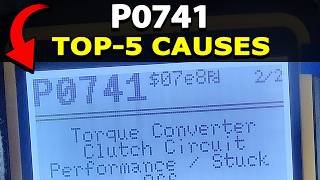
On 2014-2020 GMC Yukons, code P0741 almost always points to a problem inside the transmission, most commonly a failed torque converter. This is not a simple sensor fix; expect a significant repair costing several thousand dollars. Continued driving will spread debris and lead to a full transmission replacement.
- P0741 on a 2014-2020 Yukon is a serious code that almost always indicates an internal transmission problem, not a simple sensor issue.
- The most likely cause is a failed torque converter, where the clutch material has broken down.
- Do not ignore this code. Driving with it can spread debris throughout the transmission, turning a torque converter replacement into a much more expensive transmission rebuild or replacement.
- A proper repair involves replacing the torque converter, thoroughly flushing the transmission cooler lines, and inspecting the rest of the transmission for damage.
- Due to the complexity and need for special tools, this repair is best left to a professional transmission shop.
What's Unique About the 2014-2020 GMC Yukon
The 2014-2020 GMC Yukon, particularly models with the 6L80 and 8L90 transmissions, are known for torque converter issues that lead to code P0741. GM has issued multiple Technical Service Bulletins (TSBs) acknowledging that the torque converter clutch friction material can fail and delaminate. This debris then circulates through the transmission, contaminating the fluid, clogging the filter, and damaging the oil pump, valve body, and cooler, leading to a cascade of failures beyond just the converter itself. Models with the 8-speed (8L90/8L45) are also famous for a 'shudder' which is an early symptom of the torque converter failing, addressed in TSB 18-NA-355.
Generation note: This range covers two Yukon generations. The 2014 model is the last year of the third generation (GMT900 platform). The 2015-2020 models are the fourth generation (K2XX platform). Both generations commonly used the 6L80 automatic transmission, which is frequently associated with this code. Later fourth-gen models (2015+) introduced the 8-speed (8L90) and eventually a 10-speed, with the 8-speed being particularly known for TCC-related shudder and failure that sets P0741.
Symptoms You May Notice
- Check Engine Light is on
- Engine RPM is higher than usual at highway speeds (feels like it's not shifting into the final gear)
- Noticeable decrease in fuel economy
- Transmission may feel like it's slipping or flaring between shifts
- Vehicle may shudder or surge at steady speeds, often described as 'driving over rumble strips'
- In some cases, the vehicle may stall when coming to a stop
- Delayed or harsh shifting after the transmission warms up
- Replacing only the TCC solenoid 🎬 Watch: Learn how the TCC solenoid circuit functions and fails without addressing the root cause. If the torque converter is failing, a new solenoid will soon be clogged with debris and the code will return.
- Simply performing a transmission fluid flush. While new fluid is good, it cannot repair a mechanically failed torque converter clutch or a damaged oil pump.
- Ignoring the transmission cooler. A debris-filled cooler will immediately contaminate a new transmission or torque converter, causing the failure to repeat.
Most Likely Causes
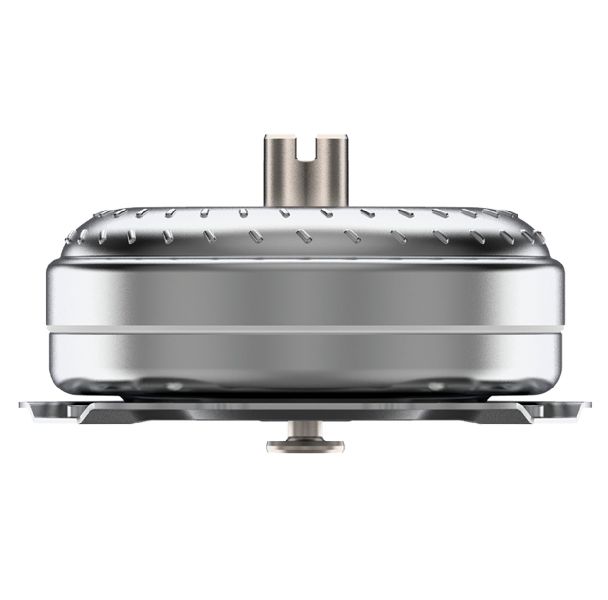
- Failed Torque Converter 🔴 High Probability → Shop Automatic Transmission Torque Converter GM TSBs PI1393B and 19-NA-153 directly state that damaged torque converter clutch friction material is a primary cause for P0741 on these vehicles, especially on models with over 30,000 miles. The clutch lining delaminates, sheds debris, and fails to lock up. For the 8L90, the shudder is a well-documented precursor to converter failure.
How to confirm: A professional technician will use a scan tool to monitor TCC slip speed while driving. If slip is high when lock-up is commanded and the solenoid/circuit is good, the converter is condemned. Dropping the pan and finding significant metallic 'sparkles' or clutch material in the fluid and on the magnet is a definitive sign.
Typical fix: Replacement of the torque converter. This requires removing the transmission from the vehicle. It is critical to also flush the transmission cooler lines and replace the cooler if it cannot be flushed clean. The valve body must be inspected and cleaned of debris.
Est. part cost: $300-$800 - Low or Contaminated Transmission Fluid 🟡 Medium Probability → Shop Transmission Assembly If the torque converter clutch material is failing, it contaminates the fluid with debris. This debris can clog hydraulic passages, the filter, and the valve body, preventing proper TCC operation. For 8-speed models, the original factory fluid was found to absorb moisture, contributing to TCC shudder and failure; TSB 18-NA-355 recommends a flush with a newer Mobil 1 Synthetic LV ATF HP fluid formulation. 🎬 Watch: How this fluid flush resolves the 8L90 shudder
How to confirm: Check the transmission fluid level and condition. The fluid will likely be dark, smell burnt, and have visible metallic particles, often described as looking like metallic paint.
Typical fix: A fluid and filter change is not a fix. It is a diagnostic step. If the fluid is full of debris, the source (torque converter) must be replaced. A full system flush is mandatory *after* replacing the failed components.
Est. part cost: $75-$200 - Faulty Torque Converter Clutch (TCC) Solenoid or Valve Body 🟡 Medium Probability → Shop Automatic Transmission Torque Converter Debris from a failing torque converter can damage the TCC solenoid or cause valves in the valve body to stick. Additionally, the bores for the TCC regulator valve in the valve body are known to wear, causing a hydraulic leak that prevents the TCC from applying correctly, even with a good converter.
How to confirm: A scan tool can command the TCC solenoid on/off to test its electrical circuit. The valve body must be dropped and inspected for scoring and stuck valves. Vacuum testing the valve body is a professional method to find worn bores, with specific test locations outlined in Sonnax technical guides.
Typical fix: Replacement of the TCC solenoid and/or the entire valve body assembly. Upgraded kits like the Sonnax Zip Kit (6L45-6L90-ZIP) are often installed to repair worn valve bores and prevent future leaks.
Est. part cost: $150-$600 - Internal Transmission Hydraulic Leak / Worn Bushings ⚪ Low Probability → Shop Transmission Assembly GM TSB 19-NA-153 notes that on some very low-mileage vehicles (<7,000 miles), a worn turbine shaft bushing can cause a pressure leak in the TCC apply circuit, preventing lock-up. This is less common than converter failure on higher mileage vehicles.
How to confirm: This requires transmission disassembly and inspection by a qualified technician. Checking transmission line pressure can point towards an internal leak.
Typical fix: Requires transmission removal and overhaul to replace the worn bushings, seals, and potentially the turbine shaft or oil pump.
Est. part cost: $50-$200 in parts, but extensive labor
Rare But Worth Checking
- Damaged Wiring Harness: While less common than internal failures, the wiring to the transmission can be damaged by road debris or improper repairs, leading to a loss of signal to the TCC solenoid. This should be ruled out before condemning the transmission.
Diagnosis Steps
- Verify the transmission fluid level and condition. If the fluid is dark, burnt, or full of metal ('glitter'), a major internal failure is likely.
- Use a professional-grade scan tool to monitor the TCC slip speed in real-time while driving. The PCM commands TCC lock-up, but the slip RPM remains high (over 200 RPM).
- Command the TCC solenoid ON and OFF with the scan tool to verify the electrical circuit integrity.
- If the circuit is good, drop the transmission oil pan and inspect the magnet for excessive metal debris. A small amount of fine fuzz is normal, but chunks or a thick paste of metal indicates a hard part failure.
- If significant debris is found, the torque converter has failed. The transmission must be removed to replace the converter and flush the system.
- If little to no debris is found, the issue may be isolated to the TCC solenoid 🎬 Watch: Step-by-step diagnostic guide for the P0741 code or a hydraulic leak in the valve body. Consider valve body inspection and vacuum testing.
- Perform a transmission line pressure test to check for internal hydraulic leaks or a failing pump, as recommended by TSB PI1393B.
Parts You'll Likely Need
- Torque Converter
(OEM #24293110 (Varies by specific model/year, verify with VIN))— This is the most common failure part for a P0741 code on this platform, due to the clutch material delaminating.
Trusted brands: ACDelco (OEM), Sonnax (upgraded), Transtar, Circle D (Performance/HD)
OEM price range: $400-$800
Aftermarket price range: $300-$1000 - Transmission Filter Kit
(OEM #24236933 (ACDelco for 6L80))— Must be replaced anytime the transmission pan is removed. It is critical for filtering out debris from the old failure.
Trusted brands: ACDelco, Wix, ATP
OEM price range: $40-$70
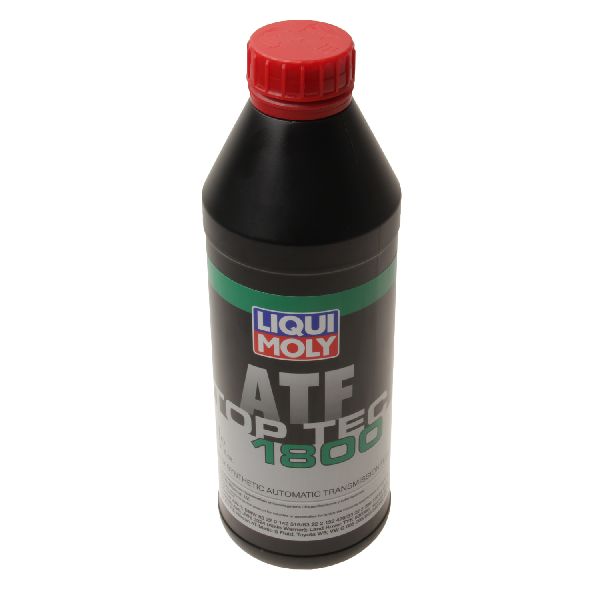
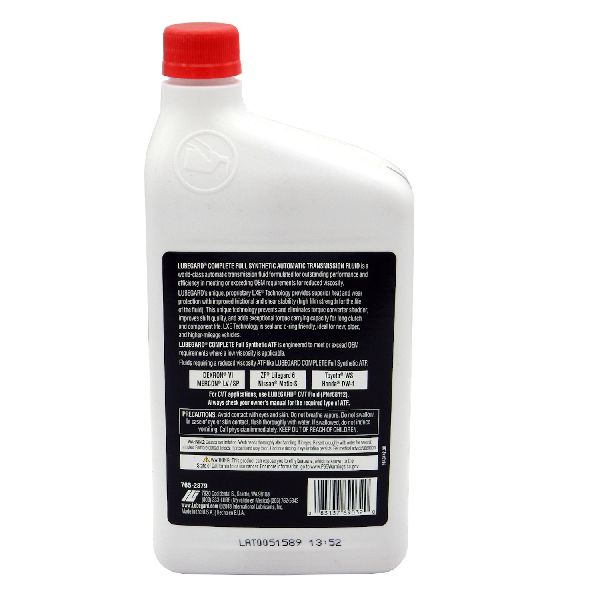
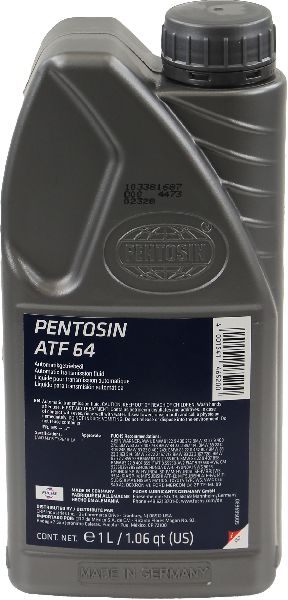
Aftermarket price range: $20-$50 - DEXRON-VI or Mobil 1 Synthetic LV ATF HP Fluid — The correct fluid is required. For 8-speeds with shudder, TSB 18-NA-355 specifically calls for the Mobil 1 fluid. A full rebuild/replacement can take 12+ quarts.
Trusted brands: ACDelco (DEXRON-VI), Mobil 1 (LV ATF HP), Valvoline
Related Codes That Often Appear With This One
- P0796 — GM TSB PI1393B notes that debris from the torque converter can damage the transmission pump, leading to low line pressure and causing the 4-5-6 clutch to slip, which sets a P0741 code.
- P0700 — This is a generic code indicating the Transmission Control Module (TCM) has requested the Malfunction Indicator Lamp (MIL) be turned on. It will always be present alongside a specific transmission code like P0741.
Technical Service Bulletins (TSBs) & Recalls
- 19-NA-153: The primary TSB for P0741. Details diagnosis based on mileage, pointing to turbine shaft bushings on low-mileage trucks and TCC delamination on trucks over 30k miles.
- PI1393B: Explains how TCC delamination sends debris through the pump, causing low line pressure and collateral damage to clutches like the 4-5-6 clutch (P0796). This bulletin provides diagnostic tips for correcting a Malfunction Indicator Lamp (MIL) illuminated by DTC P0741.
- 18-NA-355: Addresses the infamous transmission 'shudder' on 8-speed models. The prescribed fix is a complete fluid exchange using the newer Mobil 1 Synthetic LV ATF HP fluid. This is often a precursor to P0741.
- 20-NA-078: Mentions worn turbine shaft bushings as a cause for P0741 on low-mileage vehicles.
- Bulletin #PI1393A: This preliminary informational bulletin provides repair information for a customer concern of Malfunction Indicator Lamp (MIL) on when a technician finds DTC P0741: Torque Converter Clutch Stuck Off.
- Bulletin #PI1393: Provides diagnostic tips to correct a customer concern of a Malfunction Indicator Lamp (MIL) illuminated and a technician finding DTC P0741: Torque Converter Clutch Stuck Off set.
Platform-Specific Known Issues
- Owner Experience: From Shudder to Full Replacement: A common story on forums begins with a 2016 Yukon owner noticing a slight shudder at highway speeds, like driving over rumble strips. They follow TSB 18-NA-355 and have the transmission fluid flushed, which seems to fix it for a few months. Eventually, the shudder returns, followed by the Check Engine Light and code P0741. A reputable transmission shop inspects the fluid and finds it full of metallic debris. The owner is quoted $5,433 for a rebuilt transmission, new heavy-duty torque converter, rebuilt pump, and an upgraded cooler bypass valve, as the debris from the original converter had damaged the entire unit.
Mechanic-Grade Diagnostic Values
- 6L80 TCC Solenoid (PWM) Resistance — expected: 3.0-8.0 Ohms. Failure: Reading outside this range indicates a failed solenoid coil within the TEHCM.
- 8L90 TCC Solenoid (Variable Force) Resistance — expected: 4.5-5.5 Ohms. Failure: A reading outside this range indicates a failed solenoid coil.
- 6L80 TCC Solenoid Operational Voltage from TCM — expected: 8.3–9.3 volts. Failure: Incorrect voltage points to a problem with the TCM (TEHCM) itself or the wiring.
- Valve Body Vacuum Test at TCC Regulator Valve Bore — expected: Consult Sonnax documentation for specific vacuum level (typically above 18-20 in-Hg for a good bore).. Failure: Low vacuum reading indicates a worn bore, causing a hydraulic leak that prevents TCC apply.
Scan Tool Commands That Help
- GDS2 / Tech2: Solenoid Valve State Control / TCC Solenoid ON/OFF Test — Used to verify the electrical integrity of the TCC solenoid circuit. The technician can command the solenoid on and off while monitoring system response to isolate the problem between the electrical circuit and a mechanical/hydraulic fault.
- GDS2 / Tech2: Transmission Service Fast Learn / Adaptations Reset — This procedure is mandatory after replacing the valve body, TEHCM, or the entire transmission. It allows the TCM to relearn the clutch fill volumes and shift timing, preventing harsh shifts and premature wear on the new components.
- GDS2 / Tech2: Solenoid Cleaning Process — If a solenoid performance code is present and a sticky valve is suspected, this automated process can sometimes clear debris from the solenoid before resorting to replacement. It's a dealer-level function to attempt a non-invasive fix.
Wiring & Ground Locations
- G103 / G104 (Gas Engines) — Located on the left rear of the engine block.. These are primary engine block grounds. The Transmission Control Module (TCM) relies on a clean engine ground path. A corroded or loose connection here can cause erratic voltage and unpredictable behavior from transmission sensors and solenoids.
- Transmission Case Connector (X2) — The main round electrical connector on the side of the transmission case.. This is the single point of connection for all electronic controls, including the TCC solenoid. Damage to the pins or harness at this location from road debris or improper service can directly cause a P0741 by interrupting the signal to the TCC solenoid.
- Frame Grounds (Behind Front Wheels) — On the frame rail, located behind both front wheels.. These grounds are notoriously exposed to road spray and corrosion. While not a direct ground for the TCM, poor chassis grounds can create electrical noise and voltage differentials that affect various modules, potentially contributing to control issues.
Real Owner Repair Stories
- YouTube Commenter (Corvette with 8-speed transmission (likely 8L90), 39k miles) — Hard shifts into 5th, 6th, and 7th gears, followed by a shudder while in those gears.
❌ Tried (didn't work) The owner was skeptical that a fluid change alone would work.
✅ What actually fixed it The owner performed a multi-step fluid exchange at home. They drained and filled the transmission four separate times (using a total of 23 quarts) with the new specification fluid. The shudder and hard shifting were gone instantly after the procedure. - GM-Trucks.com Forum Member (GMC Sierra with 8L90E transmission) — Very hard 1-2 shifting when cold.
✅ What actually fixed it The dealership performed the fluid exchange service as per TSB 18-NA-355. The owner reported the hard shifting was fixed immediately. The cause is noted as the original fluid absorbing water, which the new fluid formulation is designed to prevent.
OEM Part Supersession History
Various older DEXRON-VI formulations→Mobil 1 Synthetic LV ATF HP (Blue Label) / ACDelco 10-9243— The original fluid in many 8L45/8L90 transmissions was found to be hygroscopic (absorbs moisture), which changed its friction properties and caused TCC shudder. The new fluid has a different formulation to prevent this.
Heads up: Using the old fluid formulation in an 8-speed with a shudder issue will likely result in the problem returning.
Model Year Variations Within This Range
- 2015-2020: Starting in 2015, the 8-speed 8L90 transmission was introduced, primarily on Yukon Denali models with the 6.2L V8. This transmission is distinct from the 6L80 used in other models and has its own unique failure pattern related to TCC shudder caused by fluid contamination, addressed by TSB 18-NA-355.
- 2014: The 2014 model year is the final year of the GMT900 platform and primarily uses the 6L80 transmission. While it also suffers from P0741 due to torque converter failure, it is not subject to the specific 8-speed 'shudder' TSB related to moisture-contaminated fluid.
Diagnostic Flowchart
Other Known Issues on This Vehicle
Issues unrelated to this code that are worth knowing about as an owner of this generation:
- AFM/DFM V8 Lifter Failure 🔴 High — Extremely common on 5.3L (L83) and 6.2L (L86) engines, can occur anytime but frequently seen between 60,000 and 120,000 miles. Leads to misfires (P0300), ticking noise, and often requires camshaft replacement. (Ref: TSB 21-NA-199, 15-06-01-002K)
- A/C Condenser Leak 🟠 Medium — Very common failure where the condenser develops leaks at the welds or seams, causing loss of A/C performance. (Ref: Special Coverage N172080780 / TSB 17336)
- Cracked Dashboard 🟡 Low — Widespread cosmetic issue, especially on 2014 models, where the dashboard develops cracks near the passenger airbag and instrument cluster surround. (Ref: Class action lawsuits filed, but no recall issued by GM.)
- 8-Speed Transmission Shudder (8L90/8L45) 🟠 Medium → Shop Transmission Assembly — Infamous issue on 2015+ models with the 8-speed transmission. Causes a vibration or shudder during light acceleration. Often precedes P0741. (Ref: TSB 18-NA-355 (recommends fluid flush with Mobil 1 LV ATF HP))
Used vs. New Parts: Buying Guide for This Vehicle
When a used part is the smart pick: For this specific repair, using major used components is highly discouraged. The only potentially viable used part would be a complete transmission assembly from a very low-mileage, verified wreck, but it still carries significant risk.
Donor-vehicle mileage cap: roughly under 30000 miles for the part to have meaningful remaining life.
What to inspect on the donor part:
- Verify the donor vehicle was not in a severe front-end collision that could damage the transmission or cooler.
- Inspect the transmission electrical connector for any bent or damaged pins before purchase; this part is integral to the expensive TEHCM.
- Pull the dipstick or a drain plug to inspect the fluid. If it's dark, burnt, or contains glitter, reject the unit immediately.
- Attempt to spin the input and output shafts. They should spin smoothly without grinding or binding.
OEM-only on this vehicle (don't cheap out):
- Torque Converter: This is the primary failure point. A used converter is a massive gamble and likely contains the same defect. New OEM or a reputable remanufactured unit is the only reliable choice.
- TEHCM (TCM): While a used one could work, it requires vehicle-specific programming. Given the high failure rate of internal components, a new or professionally remanufactured TEHCM is a safer investment.
Aftermarket brands forum-validated for this vehicle:
- Sonnax: Widely regarded as the top choice for fixing design flaws in GM transmissions. Their Zip Kits address valve body wear, and they offer upgraded torque converters.
- Circle D / Transtar: Known for performance and heavy-duty torque converters that are often more durable than the OEM part.
- Mobil 1: The LV ATF HP fluid is the specific OEM-recommended fix for the 8-speed shudder issue.
Brands owners have reported issues with on this vehicle:
- No-name, white-box torque converters or solenoids from online marketplaces. These often fail quickly and do not address the underlying design weaknesses.
Real Owner Stories
Aggregated from forums and TSBs cited above. Mileages and costs reflect what owners reported in those sources.
2016 GMC Yukon
Symptoms: Noticed a slight shudder at highway speeds, like driving over rumble strips. After a fluid flush, the shudder returned followed by a Check Engine Light and P0741.
What fixed it: Rebuilt transmission, new heavy-duty torque converter, rebuilt pump, and an upgraded cooler bypass valve.
Cost: $5,433-$5,433
Source hint: tahoeyukonforum.com - '2016 Tahoe LTZ Transmission issue (P0741 Code)' and 'Owner Experience: From Shudder to Full Replacement'
2019 Chevrolet Tahoe Z71
Symptoms: Vehicle threw P0741 codes twice despite having very low mileage.
What fixed it: The dealer replaced the torque converter.
Source hint: gm-trucks.com - '2019 Tahoe Z71 P0741 codes'
2014-2020 GMC Yukon/Tahoe
Symptoms: Delayed shifts when the transmission is hot and 'sparkles' (metallic debris) visible in the transmission fluid.
What fixed it: Resolved after addressing the torque converter and internal debris issues.
Source hint: tahoeyukonforum.com - 'Sick 6L80 Transmission - P0700 & B2AAA, P0741 & B2AAA - Resolved'
Related OBD-II Codes
Frequently Asked Questions
My 2016 Yukon has a shudder like driving over rumble strips; does TSB 18-NA-355 apply to me?
I have a very low-mileage 2019 Yukon with P0741. Is it still likely a failed torque converter?
Can I just change the fluid and filter to fix the P0741 code on my GMC Yukon?
Is there a specific valve body kit recommended for the 6L80/8L90 transmissions to prevent P0741?
What happens if I keep driving my Yukon with the P0741 code active?
Helpful Videos

We Have This Part in Stock


The information in this article is provided for general reference and educational purposes only. Vehicle specifications, procedures, and part compatibility can vary by production date, trim level, and region. Always consult your vehicle's factory service manual and verify part numbers before purchasing or performing repairs. Safety-critical components such as airbags, seat belts, and braking systems should be installed by a qualified professional.
- GMC Yukon:
- 🧭 Diagnostic Flowchart
- 🎬 Helpful Videos
- 🛍️ Shop This Part
- What's Unique About the 2014-2020 GMC Yukon
- Symptoms You May Notice
- Most Likely Causes
- Rare But Worth Checking
- Diagnosis Steps
- Parts You'll Likely Need
- Related Codes That Often Appear With This One
- Technical Service Bulletins (TSBs) & Recalls
- Platform-Specific Known Issues
- Mechanic-Grade Diagnostic Values
- Scan Tool Commands That Help
- Wiring & Ground Locations
- Real Owner Repair Stories
- OEM Part Supersession History
- Model Year Variations Within This Range
- Other Known Issues on This Vehicle
- Used vs. New Parts: Buying Guide for This Vehicle
- Real Owner Stories
- 2016 GMC Yukon
- 2019 Chevrolet Tahoe Z71
- 2014-2020 GMC Yukon/Tahoe
- Related OBD-II Codes
- Frequently Asked Questions
- 🎟️ Get 5% Off