

P0741 on 2017 Honda Accord: Causes and Fixes for Torque Converter Clutch Failure
On a 2017 Honda Accord, especially V6 models with the 6-speed automatic, code P0741 almost always indicates a failed torque converter due to a cracked internal lock-up piston. This is a known issue confirmed by Honda TSBs and a warranty extension. The definitive fix is a torque converter replacement, which may be covered by Honda's extended warranty.
- For a 2017 Honda Accord, especially a V6 model, P0741 is very likely caused by a cracked lock-up piston inside the torque converter.
- Before paying for repairs, check with a Honda dealer using your VIN to see if your vehicle is covered by the warranty extension (10 years/150,000 miles) for this specific issue.
- The correct fix is replacing the torque converter with an updated part; simply changing the fluid or replacing a solenoid is unlikely to solve the problem.
- Do not ignore this code. Driving with a failing torque converter can cause transmission overheating and lead to more expensive, widespread damage.
What's Unique About the 2017-2017 Honda ACCORD

For the 9th generation Honda Accord, especially the 2017 V6 models with the 6-speed automatic transmission, P0741 is very frequently caused by a specific, documented mechanical failure inside the torque converter itself. Multiple Honda Technical Service Bulletins (TSBs), including A23-076, and a subsequent warranty extension confirm that the lock-up piston inside the converter is prone to cracking. This crack allows hydraulic pressure to bleed off, preventing the clutch from engaging. This is a much more specific root cause than the generic possibilities of bad fluid or faulty solenoids that affect other vehicles.
Diagnostic Flowchart

Tap your situation to follow the diagnostic path that matches what you're seeing on this vehicle.
Symptoms You May Notice
- Flashing "D" (Drive) indicator light on the dashboard.
- Check Engine Light (Malfunction Indicator Lamp) is on.
- "Transmission System Problem" or "Transmission Overheat" message on the information display.
- Engine RPM is higher than usual at highway speeds (e.g., above 2000 RPM at 60-70 mph).
- Engine RPM fluctuates or jumps up with gentle throttle application at cruising speeds, when it should be steady.
- Reduced fuel efficiency.
- Vehicle may feel like it's slipping or shuddering at cruising speeds.
- Delayed or harsh shifting.
- Replacing the TCC solenoid without confirming the torque converter is healthy. Given the known TSBs, the solenoid is highly unlikely to be the root cause.
- Performing a transmission fluid flush hoping it will clear a blockage. While good for maintenance, a simple fluid change will not repair a cracked piston inside the torque converter.
- Replacing the entire transmission when only the torque converter is faulty. However, if driven for too long with the issue, debris can damage the transmission, making a full replacement necessary.
Most Likely Causes

- Cracked Lock-Up Piston in Torque Converter 🔴 High Probability → Shop Automatic Transmission Torque Converter This is a widespread, known manufacturing defect acknowledged by Honda through multiple Technical Service Bulletins (TSBs) and a warranty extension for 2017 Accord V6 models with the 6-speed automatic transmission. The piston develops a crack, causing a loss of hydraulic pressure needed to engage the lock-up clutch.
How to confirm: A technician will confirm P0741 is stored, check the VIN for warranty eligibility, and use a diagnostic scan tool to monitor TCC slip. If fluid level/condition and solenoid function are good, the TSBs point directly to this internal failure as the root cause.
Typical fix: Replace the torque converter with an updated part. This repair is covered under Honda's warranty extension (10 years/150,000 miles) for eligible vehicles.
Est. part cost: $700-$1400 (for OEM V6 part) - Low or Degraded Transmission Fluid ⚪ Low Probability → Shop Transmission Assembly While possible, this is rarely the root cause for P0741 on this specific platform given the known torque converter defect. However, driving with the defect can degrade the fluid faster. TSB 23-076 also notes that an overfilled transmission can cause overheating, which contributes to fluid degradation.
How to confirm: Check the transmission fluid level and condition. The fluid should be at the correct level on the dipstick when hot (at or above 176°F / 80°C), pinkish-red, and not smell burnt. Using non-Honda fluid can also cause issues.
Typical fix: Perform a transmission fluid drain and fill using only Honda Genuine ATF DW-1 fluid. A fluid change alone is highly unlikely to fix the P0741 code if the torque converter has failed.
Est. part cost: $50-$150 - Faulty Torque Converter Clutch (TCC) Solenoid ⚪ Low Probability → Shop Automatic Transmission Torque Converter This is an uncommon cause for P0741 on this specific vehicle due to the prevalence of the torque converter defect. It is more likely to be misdiagnosed than to be the actual root cause.
How to confirm: A technician can test the solenoid's electrical resistance and check for proper operation using a scan tool or by applying 12V directly to listen for a click. The expected resistance for the TCC solenoid 🎬 See how to test if your solenoid is actually the problem. is typically between 12 and 25 Ohms.
Typical fix: Replace the faulty TCC solenoid. This is often attempted before the torque converter but rarely solves the problem on this platform.
Est. part cost: $50-$150
Rare But Worth Checking
- Internal Valve Body Issue: → Shop Transmission Valve Body Debris from a failing torque converter can contaminate the valve body, causing pressure issues or sticking valves. In some cases, a new trouble code (like P0756 for a shift solenoid) can appear after the torque converter is replaced, potentially indicating debris has moved and caused a new blockage.
- Wiring or Connector Issue: Damage to the wiring harness leading to the transmission or a corroded connector at the TCC solenoid can interrupt the signal from the TCM. This is a generic possibility for any vehicle but is not a common cause for this specific Honda issue.
Diagnosis Steps
- Contact a Honda dealership service center with your Vehicle Identification Number (VIN) and inquire about the warranty extension for P0741 under TSB A23-076. This should be the absolute first step.
- Check the transmission fluid level and condition. Ensure it is at the proper level when the transmission is hot (at or above 176°F / 80°C) and does not appear burnt or contain excessive metallic debris.
- Use an OBD-II scanner to confirm P0741 and check for any other related codes, like P0700.
- With a professional scan tool (like the Honda HDS), monitor the live data for Torque Converter Clutch slip RPM while driving at highway speed (e.g., 55 mph). A high or fluctuating slip RPM when lock-up is commanded confirms the failure.
- Inspect the wiring and connectors for the transmission and TCC solenoid for any visible damage, corrosion, or loose connections.
- If fluid and electrical checks pass, and the warranty status is confirmed, the diagnosis per Honda's TSB is conclusive: the torque converter has failed internally and requires replacement.
Parts You'll Likely Need

- Torque Converter (V6 Engine)
(OEM #26000-5B7-325)— This is the most common point of failure for this code on the V6 model, due to a manufacturing defect in the lock-up piston as documented by Honda.
Trusted brands: Honda Genuine
OEM price range: $1300-$1400
Aftermarket price range: $300-$600 - Torque Converter (2.4L 4-Cyl Engine)
(OEM #26000-5LJ-325)— While the V6 is more commonly cited, the 4-cylinder can also experience this code, though less frequently due to the specific defect. This is the corresponding part for the 2.4L engine.
Trusted brands: Honda Genuine
OEM price range: $700-$750
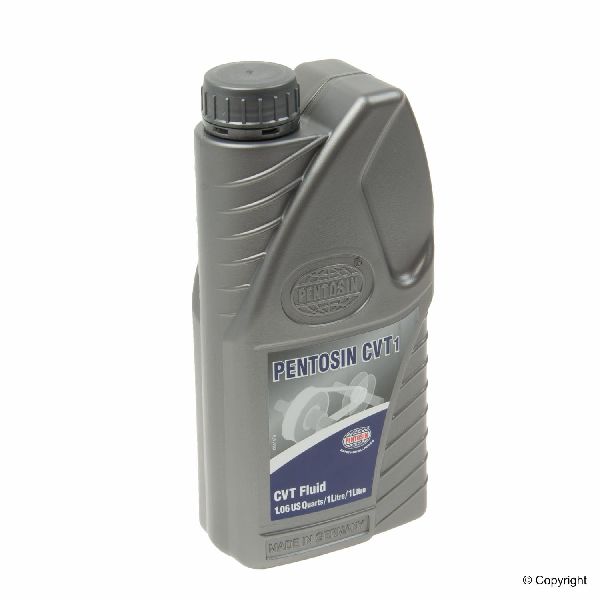
Aftermarket price range: $250-$450 - Honda Genuine ATF DW-1 Transmission Fluid
(OEM #08200-9008)— Required to refill the transmission after replacing the torque converter. Using the correct OEM fluid is critical for Honda transmissions. Approximately 3.1-3.3 quarts are needed for a drain and fill.
Trusted brands: Honda Genuine
OEM price range: $10-$15 per quart
Related Codes That Often Appear With This One
- P0700 — P0700 is a general Transmission Control System Malfunction code. It often appears alongside more specific transmission codes like P0741 to indicate that the Transmission Control Module (TCM) has stored a fault.
- P0756 — Shift Solenoid 'B' Performance/Stuck Off. This code has been reported by owners to appear *after* a P0741-related torque converter replacement, suggesting that debris from the original failure may have contaminated the valve body and affected other solenoids during the repair process.
Technical Service Bulletins (TSBs) & Recalls

- A23-076: Warranty Extension: 2017 Accord 6AT Torque Converter – DTC P0741 Stored. Extends coverage 🎬 Watch: A quick overview of the P0741 code on this Accord. to 10 years/150,000 miles.
- A23-078: A similar warranty extension for the 2017-19 Pilot and Ridgeline with the 6AT, showing the problem is platform-wide.
- A23-077: A similar warranty extension for the 2017 Odyssey with the 6AT.
- 23-029 (Acura): A similar warranty extension for the 2017-18 Acura RDX with the 6AT.
Platform-Specific Known Issues
- Honda issued Service Bulletin A23-076, which supersedes a previous version and extends the warranty on the torque converter for some 2017 Accord V6 models (EX-L, Touring) with the 6-speed automatic transmission.
- The warranty was extended to 10 years from the original purchase date or 150,000 miles, whichever comes first, specifically for failures resulting in code P0741.
- The root cause is explicitly stated in the TSB as a torque converter that was not manufactured to proper specifications, allowing pressure to bleed down through a crack in the lock-up piston.
- Owners of affected vehicles were to be sent a notification letter about the campaign. A dealer can confirm eligibility via a VIN status inquiry.
Mechanic-Grade Diagnostic Values
- Torque Converter Clutch (TCC) Solenoid Resistance — expected: 12 - 25 Ohms. Failure: A reading outside this range indicates a faulty solenoid coil.
- TCC Solenoid Voltage Application Test — expected: Audible 'click' when 12V is applied directly to the solenoid's power and ground pins.. Failure: No click indicates the solenoid is mechanically stuck.
- Live Data: TCC Slip RPM at cruise — expected: Near 0 RPM when lock-up is commanded by the PCM (typically above 40-50 mph).. Failure: Significant or fluctuating slip RPM (e.g., >50 RPM) when lock-up should be engaged points to clutch slippage.
- Transmission Fluid Temperature (ATF Temp) — expected: Check fluid level only when temperature is at or above 176°F (80°C).. Failure: Checking fluid when cold will result in an inaccurate low reading. Overfilling when cold can cause foaming and overheating when hot.
Scan Tool Commands That Help
- Honda Diagnostic System (HDS): Lockup Solenoid Test (in Miscellaneous Test Menu) — This bidirectional command allows a technician to manually activate the TCC solenoid while the engine is running to listen for an audible click, confirming the solenoid's mechanical operation without removing it from the vehicle.
- Honda Diagnostic System (HDS): Clear DTCs — Used after a repair to clear the P0741 code and reset the transmission's adaptive learn parameters before a confirmation test drive.
Wiring & Ground Locations
- TCC Solenoid Connector — Externally on the automatic transmission housing, often accessible after removing the battery and tray. The lock-up control solenoid typically has a black electrical connector.. This is the primary electrical connection for the TCC solenoid. Pin #1 is typically for the TCC solenoid itself, which can be used for resistance and voltage tests. Corrosion or damage here can cause an electrical fault.
- Transmission Range Switch Connector (C204) — A large connector that interfaces between the main harness and transmission components. Pinouts can be found in official Honda wiring diagrams.. While not directly the TCC solenoid, a fault in the transmission range switch or its wiring can send incorrect gear position data to the PCM/TCM, which could indirectly affect lock-up command logic. A full wiring diagram is needed for pin-point tests.
- Main Transmission Ground — Typically bolted from the transmission case to the vehicle's chassis frame rail in the engine bay.. A poor or corroded ground connection can cause erratic behavior in all transmission solenoids, including the TCC solenoid, leading to intermittent performance issues.
Real Owner Repair Stories
- Reddit user in r/accord (Honda Accord V6 with a 5-speed P79A transmission (similar architecture to the 9th gen 6-speed).) — P0741 trouble code.
❌ Tried (didn't work) Initial diagnosis pointed to either the torque converter or a shift solenoid.
✅ What actually fixed it The owner dropped the transmission and replaced both the torque converter and the shift solenoids proactively. The issue was completely resolved, confirming the fault was within those components, with the torque converter being the most likely primary culprit. - Honda Accord Forum user (2006 Honda Accord EX V6 with 111,000 miles.) — Check engine light with code P0741. No other noticeable performance issues initially.
❌ Tried (didn't work) A transmission fluid flush was performed, but the P0741 code returned three weeks later.
✅ What actually fixed it The consensus from expert replies was that a fluid flush would not fix the issue and that the definitive cause was a defective torque converter clutch or a blockage in the valve body circuit, requiring torque converter replacement.
OEM Part Supersession History
26000-5B7-305, 26000-5B7-315→26000-5B7-325— The original part numbers were superseded by an updated version. Given the known manufacturing defect causing P0741, it is highly likely the new part number incorporates a revised lock-up piston design to correct the cracking issue.
Heads up: The newest part (26000-5B7-325) is the correct and required replacement for the earlier versions when performing this repair.
Helpful Videos
We Have This Part in Stock

The information in this article is provided for general reference and educational purposes only. Vehicle specifications, procedures, and part compatibility can vary by production date, trim level, and region. Always consult your vehicle's factory service manual and verify part numbers before purchasing or performing repairs. Safety-critical components such as airbags, seat belts, and braking systems should be installed by a qualified professional.
- Honda ACCORD:
- 🧭 Diagnostic Flowchart
- 🎬 Helpful Videos
- 🛍️ Shop This Part
- What's Unique About the 2017-2017 Honda ACCORD
- Symptoms You May Notice
- Most Likely Causes
- Rare But Worth Checking
- Diagnosis Steps
- Parts You'll Likely Need
- Related Codes That Often Appear With This One
- Technical Service Bulletins (TSBs) & Recalls
- Platform-Specific Known Issues
- Mechanic-Grade Diagnostic Values
- Scan Tool Commands That Help
- Wiring & Ground Locations
- Real Owner Repair Stories
- OEM Part Supersession History
- 🎟️ Get 5% Off