

P0741 on 2011-2015 Kia Forte: Causes and Fixes for Torque Converter Clutch Issues
On a 2011-2015 Kia Forte, code P0741 is most often caused by a faulty torque converter clutch solenoid, also called the Damper Clutch Solenoid by Kia. This is a known issue addressed by Technical Service Bulletins. The fix involves replacing the solenoid inside the transmission valve body, a job that requires dropping the transmission pan.
- P0741 on a 2011-2015 Forte almost always points to a bad TCC (Damper Clutch) solenoid.
- This is a known issue confirmed by Kia's own service bulletins (TSB-TRA051, TSBTRA051R1).
- The repair requires dropping the transmission pan to replace the solenoid; it is not a simple external part swap.
- Always check transmission fluid level and condition first, as low or dirty fluid can cause shifting problems.
- Ignoring this code can lead to transmission overheating and more costly internal damage.
What's Unique About the 2011-2015 Kia FORTE
For the 2011-2015 Kia Forte equipped with the A6MF1 6-speed automatic transmission, this code has a very specific and well-documented cause. Kia issued Technical Service Bulletins (TSB-TRA051 and its revision TSBTRA051R1) that directly point to a faulty Damper Clutch (D/C) Solenoid, which is Kia's term for the Torque Converter Clutch (TCC) solenoid. This makes the solenoid the primary suspect, far more so than on other vehicles where causes might be more varied. This issue is common across other Kia and Hyundai models that use the same A6MF1/A6MF2 family of transmissions.
Diagnostic Flowchart
Tap your situation to follow the diagnostic path that matches what you're seeing on this vehicle.
Generation note: This range covers the end of the first generation (TD, 2011-2013) and the beginning of the second generation (YD, 2014-2015). Both generations used the A6MF1 6-speed automatic transmission, and the TSBs regarding the faulty solenoid apply to this transmission type, making the issue relevant across these model years.
Symptoms You May Notice
- Check Engine Light is on
- Reduced fuel efficiency
- Engine RPMs are higher than usual at highway speeds, sometimes fluctuating by 200-400 RPM.
- A sensation of the transmission slipping or shuddering, sometimes feeling like driving over rumble strips, especially at speeds of 40-55 mph.
- Possible stalling when coming to a stop if the solenoid fails in the 'on' position.
- Harsh or delayed shifts as the transmission control module (TCM) tries to compensate for the failure.
- Vehicle may enter 'limp mode', limiting available gears and vehicle speed.
- Replacing the entire torque converter when only the solenoid is bad. Given the TSBs for this vehicle, the solenoid should be the first component to be diagnosed and replaced.
- Assuming the entire transmission has failed without first diagnosing the specific, and much cheaper, solenoid issue. Some shops may quote a full transmission replacement upon seeing metal debris in the pan.
Most Likely Causes
- Faulty Torque Converter Clutch (Damper Clutch) Solenoid 🔴 High Probability → Shop Automatic Transmission Torque Converter This is a known issue documented by Kia in Technical Service Bulletins TSB-TRA051 and TSBTRA051R1, which specifically call for the replacement of this solenoid for code P0741 on the A6MF1 transmission.
How to confirm: A technician can use a professional scan tool to command the TCC solenoid on and off while monitoring live data for TCC slip RPM. The slip should drop to near zero when the TCC is commanded to lock. The solenoid's electrical resistance can also be tested with a multimeter and should be approximately 5.1-5.3 ohms for the TCC solenoid in the A6MF1 transmission.
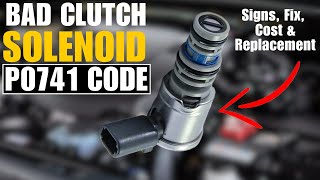
Typical fix: Replace the Damper Clutch (TCC) solenoid. This requires draining the transmission fluid, removing the oil pan, and accessing the valve body where the solenoid is located. In some cases, the entire solenoid block is replaced.
Est. part cost: $50-$150 - Low or Dirty Transmission Fluid 🟡 Medium Probability → Shop Transmission Assembly While not specific to this vehicle, all automatic transmissions rely on clean fluid at the proper level for hydraulic pressure. Old, burnt, or contaminated fluid can cause solenoids to stick or passages to clog.
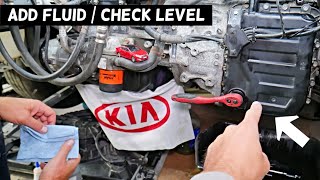
How to confirm: Check the transmission fluid level and condition. The fluid should be at the correct level, bright red, and not smell burnt. The A6MF1 transmission does not have a traditional dipstick, so checking the fluid level must be done via the service plug on the side of the transmission case.
Typical fix: Perform a transmission fluid drain-and-fill using the correct Kia SP-IV specification fluid. A full flush is sometimes debated on higher-mileage vehicles where it has not been done regularly.
Est. part cost: $60-$200 for fluid - Damaged Wiring or Connectors ⚪ Low Probability
How to confirm: Visually inspect the wiring harness leading to the transmission for any signs of damage, corrosion, or loose connections. The internal transmission harness, which connects to the solenoids, should also be inspected when the oil pan is removed.
Typical fix: Repair or replace the damaged section of the wiring harness or the connector.
Est. part cost: $20-$100
Rare But Worth Checking
- Failing Torque Converter: → Shop Automatic Transmission Torque Converter While less common than the solenoid, the internal lock-up clutch within the torque converter itself can fail mechanically. This is a much more expensive repair that often requires transmission removal.
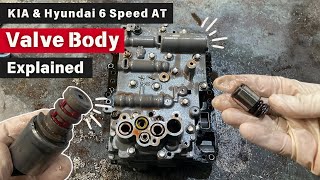
- Worn Valve Body: → Shop Transmission Valve Body The valve body contains intricate channels and valves that direct fluid flow. Wear or blockage in the TCC valve bore can cause P0741 even with a functional solenoid. Sometimes the valve body is replaced as a unit.
- Faulty Transmission Control Module (TCM): → Shop Transmission Assembly In rare cases, the computer that controls the transmission can fail. This should only be considered after all other possibilities, including solenoids and wiring, have been thoroughly ruled out.
Diagnosis Steps
- Use an OBD-II scanner to confirm P0741 is the only code present. Note any other transmission-related codes.
- Check the level and condition of the automatic transmission fluid via the service plug. Low, burnt, or dirty fluid can cause numerous issues. Ensure Kia SP-IV or a compatible fluid is used.
- Inspect the external wiring harness and connectors to the transmission for any visible damage, corrosion, or loose connections.
- Using an advanced scan tool, monitor live data for Torque Converter Clutch slip speed (TCC Slip) while driving at a steady highway speed (e.g., 50 mph). The slip should drop to near zero RPM when the TCC is commanded to lock.
- If slip remains high, the TCC solenoid is the primary suspect per Kia TSBs. A technician will then test the solenoid's circuit for proper voltage and resistance. The expected resistance for the TCC solenoid is approximately 5.1-5.3 ohms.
- If the circuit and solenoid test good electrically, the solenoid may be mechanically stuck. The next step is to remove the transmission oil pan to access and replace the Damper Clutch (TCC) solenoid.
- While the pan is off, inspect for excessive metal debris on the pan magnets. A small amount of fine, metallic paste is normal, but large shavings indicate a more serious mechanical failure.
- If a new solenoid does not resolve the issue, further diagnosis of the valve body, the torque converter itself, or the TCM is required.
Parts You'll Likely Need
- Torque Converter Clutch Solenoid (Damper Clutch Solenoid)
(OEM #46313-3B030 (or part of a solenoid block))— This is the most common failure point for P0741 on this vehicle, as identified in official Kia Technical Service Bulletins.
Trusted brands: Kia (OEM), Rostra, Standard Motor Products
OEM price range: $100-$180
Aftermarket price range: $50-$100 - Automatic Transmission Fluid
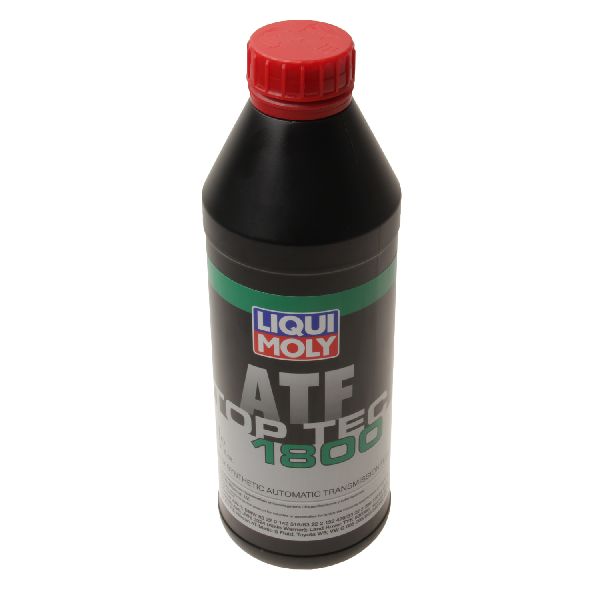
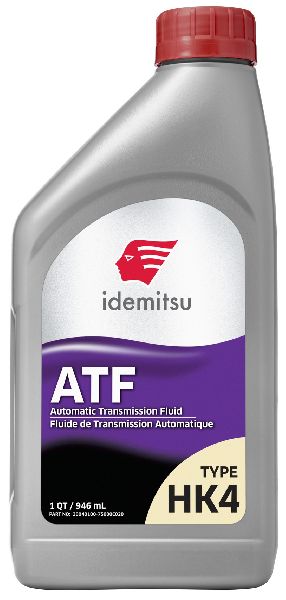
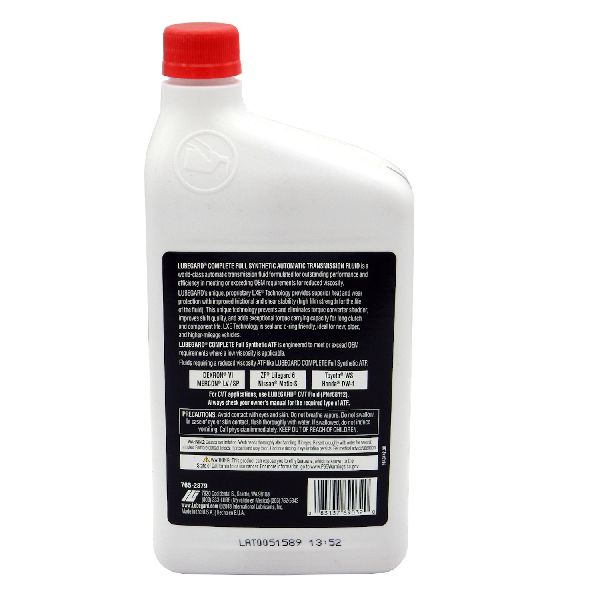
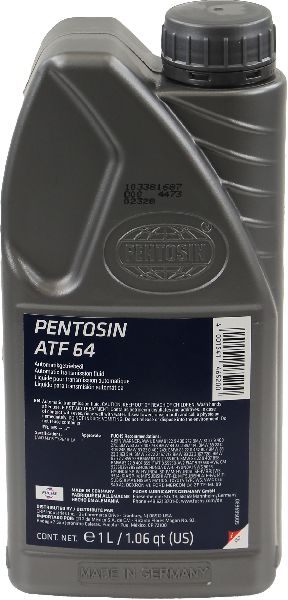
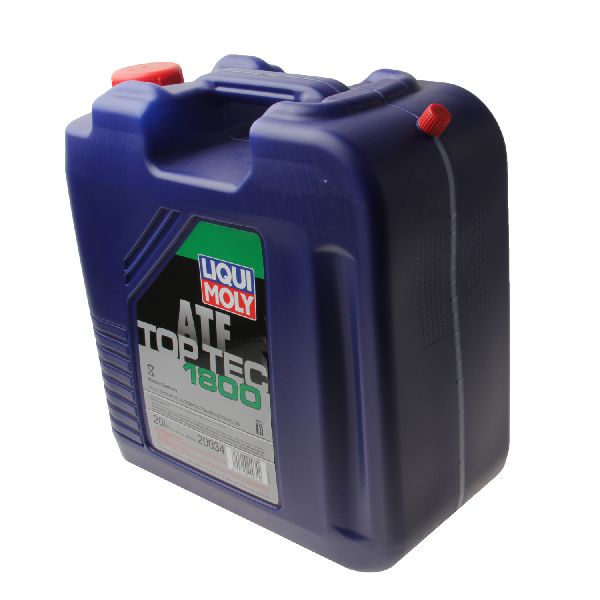
(OEM #Kia SP-IV)— Fluid must be drained and replaced as part of the solenoid replacement procedure. Using the correct OEM-spec fluid is critical for transmission health.
Trusted brands: Kia SP-IV (OEM), Idemitsu Type-HK, Valvoline MaxLife Full Synthetic Multi-Vehicle ATF
OEM price range: $15-$25 per quart
Aftermarket price range: $8-$15 per quart - Transmission Pan Gasket
(OEM #45285-3B700)— Required to re-seal the transmission oil pan after replacing the internal solenoid. Often a reusable gasket, but replacement is recommended if it is old or damaged.
Trusted brands: Kia (OEM), Fel-Pro, Mahle
OEM price range: $20-$40
Aftermarket price range: $10-$25
Technical Service Bulletins (TSBs) & Recalls
- TSB-TRA051: Provides information for replacing the Damper Clutch (D/C) Solenoid on 6-speed automatic transaxles in response to DTC P0741.
- TSBTRA051R1: Revises and expands on the previous bulletin, instructing technicians to replace various shift solenoids, including the one related to P0741, if the code is present along with other specific solenoid codes.
Platform-Specific Known Issues
- Kia has issued Technical Service Bulletins (TSB-TRA051 and TSBTRA051R1) that specifically identify a faulty Damper Clutch (D/C) Solenoid as the cause for P0741 on models with the A6MF1 6-speed automatic transmission. This makes the diagnosis more straightforward than on many other vehicles.
- The revised bulletin, TSBTRA051R1, expands the procedure to include replacing a set of solenoids if multiple DTCs are present, indicating a known pattern of failure for the solenoid pack in this transmission.
Mechanic-Grade Diagnostic Values
- Torque Converter Clutch (TCC) Solenoid Resistance — expected: 5.1 - 5.3 ohms. Failure: A reading outside of this range, or an open/short circuit, indicates a faulty solenoid.
- Other VFS (Variable Force Solenoid) Resistance — expected: 5.3 ohms. Failure: Readings that deviate significantly suggest a problem with that specific solenoid.
- On/Off Shift Solenoid Resistance — expected: 10 - 11 ohms. Failure: A reading outside this range indicates a failure of the on/off type solenoid.
Wiring & Ground Locations
- 91860-1M140 — This is the part number for the transmission ground wiring assembly for the 2009-2013 Kia Forte.. A poor ground connection for the transmission can cause erratic electrical behavior and trigger various fault codes, including those related to solenoids. Ensuring this ground is clean and secure is a valid, low-cost diagnostic step.
- GF21 — A service manual reference for the ground distribution diagram on a 2012 Kia Forte.. This diagram is essential for tracing the ground circuit from the transmission and its control module to identify potential points of failure, such as corroded ground points on the chassis or engine block.
Real Owner Repair Stories
- Reddit user in r/MechanicAdvice (2014 Hyundai Elantra (uses the same A6MF1 transmission)) — Vehicle goes into limp mode, P0741 code present.
❌ Tried (didn't work) The user was contemplating the repair and had not yet tried any fixes.
✅ What actually fixed it A technician in the thread advised that the standard procedure is to follow the TSB and replace the associated solenoid first. They noted that this is a common failure and often resolves the code, but also cautioned that if the solenoid replacement doesn't work, the next step per the TSB is often a full transmission replacement.
OEM Part Supersession History
46313-3B020→46313-3B030— Standard part revision and update by the manufacturer.
Heads up: The new part number (46313-3B030) is the correct replacement for the old one and should be used for repairs.46313-3B070 / 46313-3B073→N/A - Alternative Part— These part numbers are also listed for the TCC solenoid in the A6MF1 transmission family.
Heads up: There appear to be several part numbers for the TCC solenoid depending on the specific valve body version. It is critical to verify the correct part number by VIN or by visually matching the old solenoid, as there may be variations.
Model Year Variations Within This Range
- 2011-2015: While both the first generation (TD) and second generation (YD) Forte in this range use the A6MF1 transmission, there can be minor variations in wiring harnesses and connector locations. The core issue with the TCC solenoid remains consistent across these years as they share the same basic transmission design.
Helpful Videos



We Have This Part in Stock


The information in this article is provided for general reference and educational purposes only. Vehicle specifications, procedures, and part compatibility can vary by production date, trim level, and region. Always consult your vehicle's factory service manual and verify part numbers before purchasing or performing repairs. Safety-critical components such as airbags, seat belts, and braking systems should be installed by a qualified professional.
- Kia FORTE:
- 🧭 Diagnostic Flowchart
- 🎬 Helpful Videos
- 🛍️ Shop This Part
- What's Unique About the 2011-2015 Kia FORTE
- Symptoms You May Notice
- Most Likely Causes
- Rare But Worth Checking
- Diagnosis Steps
- Parts You'll Likely Need
- Technical Service Bulletins (TSBs) & Recalls
- Platform-Specific Known Issues
- Mechanic-Grade Diagnostic Values
- Wiring & Ground Locations
- Real Owner Repair Stories
- OEM Part Supersession History
- Model Year Variations Within This Range
- 🎟️ Get 5% Off