

P0741 on 2018-2021 Mazda 6 2.5L: Torque Converter Clutch Failure Causes and Fixes
On a 2018-2021 Mazda 6, code P0741 is almost always caused by a failing torque converter, a known issue covered by a Technical Service Bulletin (TSB 05-005/23, superseded by MC-10246127-0001). The repair requires replacing the torque converter and is not a DIY job, with shop costs typically ranging from $1,500 to $2,500, though some out-of-warranty quotes have reached $4,800.
- P0741 on a 2018-2021 Mazda 6 is not a random electrical fault; it is most often a specific, known mechanical failure of the torque converter.
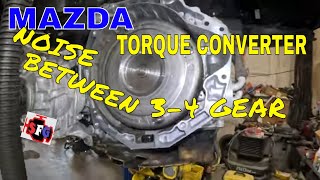
- Listen for a 'chirp' noise when the transmission shifts from 3rd to 4th gear. This is a key symptom pointing directly to the known torque converter issue.
- Checking the transmission fluid condition is a critical diagnostic step. If the fluid is dark, burnt, or contains metallic glitter, it confirms internal mechanical wear.
- Do not opt for a simple fluid change or solenoid replacement as a final fix. The official repair for this common issue is to replace the torque converter and flush the system, which is a job for a professional shop.
What's Unique About the 2018-2021 Mazda 6
The 2018-2021 Mazda 6 with the 2.5L SKYACTIV-G engine (PY-VPS), specifically models with cylinder deactivation (identified by an 'M' as the 8th VIN digit), is prone to a well-documented torque converter failure. Mazda issued Technical Service Bulletin TSB 05-005/23 (later updated to MC-10246127-0001) that identifies excessive wear of the internal lock-up clutch. This wear contaminates the automatic transmission fluid (ATF) with 'iron powder', which directly causes the failure to lock up that triggers code P0741. A very common precursor symptom to this specific failure is a distinct 'chirp' or 'stick-slip' noise during the 3rd-to-4th gear shift.
Symptoms You May Notice
- Check Engine Light is on
- Engine RPM is higher than usual at highway speeds
- Noticeable decrease in fuel economy
- A shuddering or vibration feeling when driving at a steady speed
- A distinct 'chirp' or 'squeak' noise when the transmission shifts from 3rd to 4th gear
- Transmission may feel like it's slipping or shifts may be delayed
- Replacing only the TCC solenoid without addressing a failing torque converter. If the fluid is full of debris from a worn-out converter, the new solenoid can quickly become clogged and fail as well.
- Performing only a transmission fluid flush. While a necessary step in the repair, a fluid change alone is only a temporary fix if the torque converter itself is the source of contamination and mechanical failure.
Most Likely Causes
- Failing Torque Converter 🔴 High Probability → Shop Automatic Transmission Torque Converter A known defect documented in Mazda TSB 05-005/23 points to excessive wear of the internal lock-up clutch on models with the 2.5L engine with cylinder deactivation. The wear contaminates the ATF with metallic 'iron powder'.
How to confirm: Check the transmission fluid for a dark, burnt appearance or metallic particles ('glitter'). The presence of a 3-4 shift chirp is a key indicator. A professional can confirm with a road test while monitoring TCC slip data on a scan tool; a slip of over 200 RPM when lock-up is commanded confirms the fault.
Typical fix: Replace the torque converter with the updated part number and perform multiple transmission fluid flushes to remove all contaminated fluid, as per the procedure in TSB 05-005/23. This requires removing the transmission.
Est. part cost: $400-$1000 - Low or Contaminated Transmission Fluid 🟡 Medium Probability → Shop Transmission Assembly The fluid becomes contaminated with metallic debris as a direct result of the torque converter wearing out, which is the known TSB issue on this platform. Low fluid can also prevent proper hydraulic pressure for lock-up.
How to confirm: Check the transmission fluid level and condition. The SKYACTIV-Drive transmission does not have a dipstick and must be checked via a fill plug at a specific fluid temperature (50°C / 122°F). Fluid should be blue (Mazda ATF-FZ); if it is dark, brown, or smells burnt, it is contaminated.
Typical fix: If the fluid is only low, a top-off might help temporarily. If contaminated due to the known TSB issue, it must be flushed multiple times during the torque converter replacement. A flush alone will not solve the mechanical failure.
Est. part cost: $20-$30 per quart - Faulty Torque Converter Clutch (TCC) Solenoid / Valve Body ⚪ Low Probability → Shop Automatic Transmission Torque Converter This is an uncommon primary cause for P0741 on this platform compared to the mechanical converter failure. However, the 'iron powder' debris from a failing torque converter can clog the solenoid screens or cause valves in the valve body to stick, leading to a secondary failure.
How to confirm: A technician can test the solenoid's resistance and command it on/off with a professional scan tool. This requires dropping the transmission oil pan to access the valve body.
Typical fix: Replace the TCC solenoid or the entire valve body assembly. This is often done alongside a torque converter replacement if significant fluid contamination is found.
Est. part cost: $200-$600
Diagnosis Steps
- Scan for Codes: Confirm P0741 is the primary code and check for any other transmission-related DTCs.
- Check Transmission Fluid: This is the most critical first step. Check the fluid level and condition. On this vehicle, this must be done via the fill plug at a specific temperature (50°C / 122°F). Note if the fluid is dark, burnt, or contains metallic particles.
- Road Test: Drive the vehicle and listen for a 'chirp' noise during the 3-4 gear shift, which is a strong indicator of the TSB-related issue. Note if RPMs fail to drop at cruising speeds.
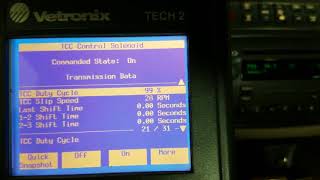
- Advanced Scan Tool Analysis: Use a scan tool to monitor live data for 'TCC Slip RPM' while driving. When lock-up is commanded, the slip should be near zero. A consistent slip of over 200 RPM confirms the fault.
- Review TSB MC-10246127-0001: Given the high prevalence of this issue, the TSB should be consulted. If the vehicle is a cylinder deactivation model and exhibits the 3-4 chirp and contaminated fluid, the diagnosis is almost certainly a failed torque converter.
- Solenoid Electrical Test: If the cause is still unclear, a technician can drop the transmission pan to access the valve body and test the TCC solenoid's resistance with a multimeter and command it with a scan tool.
- Final Diagnosis: Based on the TSB for this platform, if symptoms like contaminated fluid and a 3-4 shift chirp are present, the diagnosis is a failed torque converter requiring replacement.
Parts You'll Likely Need
- Automatic Transmission Torque Converter
(OEM #FZC1-19-100A-9U)— This is the most common point of failure for code P0741 on this vehicle, as documented by Mazda TSB MC-10246127-0001. The internal lock-up clutch wears out prematurely. This is the updated part number that supersedes the original.
Trusted brands: Mazda OE
OEM price range: $900-$1200
Aftermarket price range: $400-$700 - Automatic Transmission Fluid (ATF)
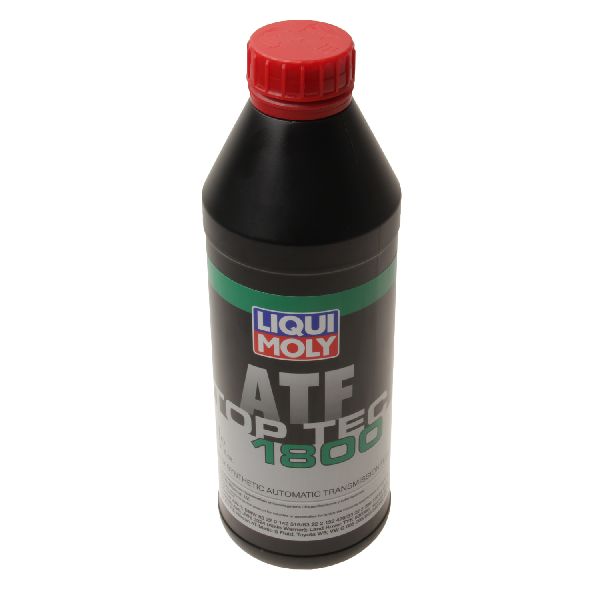
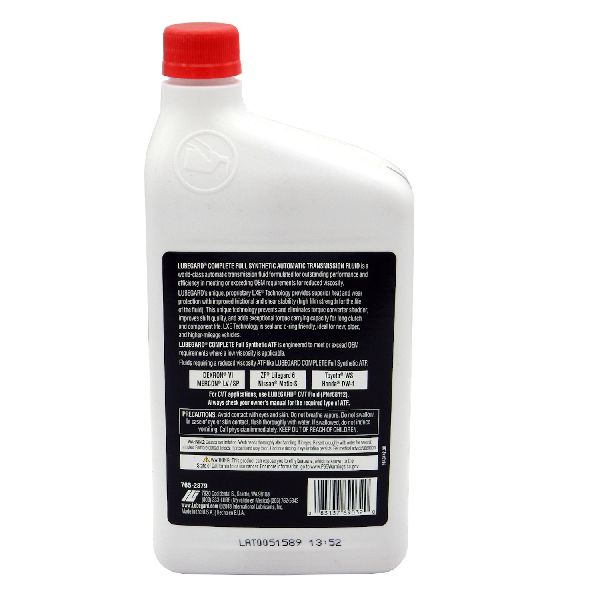
(OEM #0000-FZ-113E-01)— The correct fluid (Mazda ATF-FZ) is required for any repair. The TSB specifies a multi-flush procedure, requiring approximately 10L (10.6 qt) of new fluid to remove metal debris from the failing torque converter.
Trusted brands: Mazda OE, Ravenol ATF FZ, Idemitsu TLS-LV
OEM price range: $25-$35 per quart
Aftermarket price range: $15-$25 per quart
Technical Service Bulletins (TSBs) & Recalls
- MC-10246127-0001 (Supersedes 05-005/23): Addresses a 'chirp noise (stick-slip noise)' from the automatic transaxle during the 3-4 shift. It states the cause is ATF contaminated by 'iron powder due to excessive wearing of the lock up clutch in the torque converter'. The fix is to replace the torque converter and perform a multi-flush procedure. It applies to 2018-2021 Mazda6, as well as CX-5, Mazda3, and CX-30 models with the 2.5L engine with cylinder deactivation. The specified labor time for the Mazda 6 is 7.3 hours.
Platform-Specific Known Issues
- A Mazda Technical Service Bulletin (TSB 05-005/23, updated by MC-10246127-0001) was issued for a chirp noise during the 3-4 shift caused by excessive wear of the torque converter's lock-up clutch. This contaminates the ATF with 'iron powder' and is a direct cause of code P0741 on models with the 2.5L engine with cylinder deactivation (8th VIN digit 'M').
Mechanic-Grade Diagnostic Values
- TCC Slip RPM vs. TCC Feedback Hydraulic Pressure (Live Data) — expected: When TCC lock-up is commanded, slip RPM should be near 0 and hydraulic pressure should rise.. Failure: The P0741 code is set when TCC slip is greater than 200 RPM for over 5 seconds while TCC feedback hydraulic pressure is simultaneously 200 kPa (29.0 psi) or more. This indicates the TCM is commanding lock-up with sufficient pressure, but a mechanical failure prevents it.
- Automatic Transmission Fluid (ATF) Temperature for Level Check — expected: The fluid level should be checked when the ATF is warm, at least 50°C (122°F). Some dipsticks have markings for a range, with the most accurate warm reading taken at 65°C (149°F).. Failure: Checking the fluid when cold will result in an inaccurate, low reading, potentially leading to overfilling.
Hidden / Shadow Codes Worth Checking
- Freeze Frame / Snapshot Data: While not a separate code, Mazda's official diagnostic procedure with the MDARS scanner emphasizes capturing the 'Freeze Frame' or 'Snapshot' data. This records all vehicle parameters (ATF temperature, vehicle speed, engine RPM, etc.) at the exact moment the P0741 DTC was triggered, providing critical context for diagnosis. (see via Mazda Diagnostic and Repair Software (MDARS) or equivalent professional scan tool.)
Scan Tool Commands That Help
- Mazda M-MDS / MDARS: TCC Dynamic Test / Solenoid Simulation — This bidirectional control allows a technician to manually command the TCC solenoid on and off during a road test while monitoring live data. It helps verify if the solenoid is electrically responsive to commands from the TCM, isolating a wiring or solenoid issue from a mechanical or hydraulic one.
- Mazda M-MDS / MDARS: Initial Learning Procedure — This is a mandatory procedure after replacing the torque converter, valve body, or the entire transmission. It resets the TCM's adaptive learning values, forcing it to relearn shift points and clutch apply pressures with the new components to ensure smooth operation and prevent future codes.
Real Owner Repair Stories
- Reddit user comment cited in a repair article (2020 Mazda 6 with 50,000 miles) — Jerking, incorrect shifting, and a chirp from 3rd to 4th gear, followed by the P0741 code.
❌ Tried (didn't work) A transmission fluid flush and a TCM software update were performed, but the problem returned two months later.
✅ What actually fixed it The dealership diagnosed a failed transmission. The torque converter had failed and contaminated the unit. Mazda covered the cost of parts for a replacement transmission, but the owner had to pay for labor. - NHTSA ODI #10536609 — An owner of a Mazda Tribute Hybrid reported code P0741 indicating the torque converter solenoid needed replacement, noting after research that this appears to be a recurring problem with Mazda vehicles.
- NHTSA ODI #751990 — A Mazda 626 owner was told they were having transmission failure after diagnostics returned codes P1744, P0741, and P1783; the dealer suggested a transmission service and a "wait and see" approach.
- NHTSA ODI #10162479 — A technician pulled code P0741 for a slipping torque converter on a Mazda 626, leading to a recommendation for a full transmission replacement.
Documented NHTSA Reports
- NHTSA ODI #747289: An owner reported code P0741 where the vehicle would reset after being shut off and restarted, though no immediate problem was found or fixed by the dealer at the time of the report.
- NHTSA ODI #738516: A report for a Mazda 626 detailed diagnostic codes P1744 (TCC Performance) and P0741 (TCC Stuck), with the owner noting that internet research showed many others had experienced the same transmission issues.
OEM Part Supersession History
fzc119100a→FZC1-19-100A-9U— The original torque converter was prone to premature wear of the lock-up clutch. The updated part is designed to correct this defect as outlined in TSB MC-10246127-0001.
Heads up: Using the original or a non-updated part will likely lead to a repeat failure.
Model Year Variations Within This Range
- 2018-2021: While trim levels and infotainment features (e.g., addition of wireless CarPlay in later years) changed, the core powertrain components (PY-VPS engine with cylinder deactivation and FW6A-EL transmission) and the associated torque converter failure mode remained consistent throughout this period for the affected models.
Diagnostic Flowchart
Other Known Issues on This Vehicle
Issues unrelated to this code that are worth knowing about as an owner of this generation:
- Cracked Cylinder Head (2.5L Turbo Models) 🔴 High — Reported in some 2018+ turbo models, particularly CX-9s, but has been seen on the Mazda 6. Can cause coolant leakage and engine overheating.
- Excessive Oil Consumption (2.5L Turbo Models) 🟠 Medium — Primarily affects 2021 Turbo models due to faulty valve stem seals. A TSB and class action lawsuit exist for this issue. (Ref: TSB exists, related to a class-action lawsuit.)
- Failing Serpentine Belt Tensioner 🟡 Low — A known weak point where the tensioner can go bad, requiring replacement of the tensioner and belt. This is a commonly discussed issue in owner forums.
- Infotainment System Glitches 🟡 Low — Owners report issues like slow boot-up/phone connection times and delamination of the screen's layers.
- Warped OEM Brake Rotors 🟡 Low — A common complaint among owners is that the factory brake rotors tend to warp prematurely, causing vibrations during braking.
Used vs. New Parts: Buying Guide for This Vehicle
When a used part is the smart pick: For this specific repair, a used part is almost never a smart choice. A used torque converter is highly likely to have the same defect or be near failure. A complete used transmission is only a viable option if it's from a very low-mileage donor and you are willing to accept the risk of the same failure occurring.
Donor-vehicle mileage cap: roughly under 30000 miles for the part to have meaningful remaining life.
What to inspect on the donor part:
- Check donor vehicle VIN to confirm it is NOT a cylinder deactivation model, if possible (though this is the engine type that fails).
- If possible, get a video of the donor car running and driving with no check engine lights.
- Ask for the maintenance history; evidence of regular ATF changes is a positive, though rare, sign.
OEM-only on this vehicle (don't cheap out):
- Automatic Transmission Torque Converter: Due to the specific defect documented in the TSB, only the updated Mazda OE part (FZC1-19-100A-9U) should be used to guarantee a permanent fix.
- Automatic Transmission Fluid: Use of the specified Mazda ATF-FZ (blue) fluid is critical for the proper function of the SKYACTIV-Drive transmission.
Aftermarket brands forum-validated for this vehicle:
- For this specific torque converter failure, no aftermarket brands are consistently cited in forums as a reliable alternative to the updated Mazda OE part.
Brands owners have reported issues with on this vehicle:
- Any unbranded, low-cost torque converter from online marketplaces should be avoided, as they are unlikely to have incorporated the design improvements of the updated OEM part.
Real Owner Stories
Aggregated from forums and TSBs cited above. Mileages and costs reflect what owners reported in those sources.
2018-2021 Mazda platform-mate (CX-5) 2.5L — ~35000 miles
Symptoms: Exact failure pattern of the torque converter lock-up clutch failing.
What fixed it: Replacement of the torque converter.
Cost: $4,800-$4,800
Source hint: Reddit r/CX5
2018 Mazda 6 2.5L Turbo
Symptoms: Numerous engine issues including a cracked head.
What fixed it: Not specified, but highlights reliability concerns with the turbo variant compared to the PY-VPS.
Source hint: Mazdas247.com
Related OBD-II Codes
Frequently Asked Questions
Does TSB 05-005/23 apply to my 2018-2021 Mazda 6?
What is the 'chirp' noise I hear during the 3-4 shift?
Can I just flush the transmission fluid to fix the P0741 code?
How can a technician confirm the torque converter is failing on my Mazda 6?
Is the P0741 issue related to the cylinder deactivation feature?
How long does the repair take according to Mazda?
Helpful Videos

We Have This Part in Stock

The information in this article is provided for general reference and educational purposes only. Vehicle specifications, procedures, and part compatibility can vary by production date, trim level, and region. Always consult your vehicle's factory service manual and verify part numbers before purchasing or performing repairs. Safety-critical components such as airbags, seat belts, and braking systems should be installed by a qualified professional.
- Mazda 6:
- 🧭 Diagnostic Flowchart
- 🎬 Helpful Videos
- 🛍️ Shop This Part
- What's Unique About the 2018-2021 Mazda 6
- Symptoms You May Notice
- Most Likely Causes
- Diagnosis Steps
- Parts You'll Likely Need
- Technical Service Bulletins (TSBs) & Recalls
- Platform-Specific Known Issues
- Mechanic-Grade Diagnostic Values
- Hidden / Shadow Codes Worth Checking
- Scan Tool Commands That Help
- Real Owner Repair Stories
- Documented NHTSA Reports
- OEM Part Supersession History
- Model Year Variations Within This Range
- Other Known Issues on This Vehicle
- Used vs. New Parts: Buying Guide for This Vehicle
- Real Owner Stories
- 2018-2021 Mazda platform-mate (CX-5) 2.5L — ~35000 miles
- 2018 Mazda 6 2.5L Turbo
- Related OBD-II Codes
- Frequently Asked Questions
- 🎟️ Get 5% Off