

P0741 on 2003-2009 Toyota 4Runner 4.7L V8: Torque Converter Clutch Causes and Fixes
P0741 on the 4th Gen 4Runner V8 usually points to a bad torque converter clutch (TCC) lock-up solenoid (specifically, the 'SL' solenoid) inside the transmission. Other causes include old/low fluid or a failing torque converter. A solenoid replacement is the most common, cost-effective fix.
- P0741 on the 4.7L V8 4Runner means the torque converter clutch is failing to lock up as commanded.
- The most probable cause is a faulty lock-up (SL) solenoid inside the transmission.
- Always start diagnosis by checking the transmission fluid level and condition. Use only Toyota WS compatible fluid.
- Do not immediately assume the torque converter needs replacement; it is a costly repair and less common than a solenoid failure.
- This is a job best left to professionals due to the complexity of working inside the transmission.
What's Unique About the 2003-2009 Toyota 4Runner
The 4.7L 2UZ-FE V8 in the 4th generation 4Runner is paired with the robust Aisin A750F 5-speed automatic transmission, a unit also used in the Lexus GX470, Toyota Tundra, and Sequoia. While generally reliable, this transmission is not immune to issues that cause P0741. The most frequently reported cause in owner forums is a failure of the torque converter lock-up solenoid (also called the TCC or SL solenoid). This is often due to age, heat, and fluid condition. Unlike some other Toyota models from the era, there are no widespread TSBs or recalls specifically for P0741 on this V8 platform, making diagnosis a matter of following standard procedure. The issue is so common that many owners on forums like T4R.org and IH8MUD.com have documented their DIY repairs.
Symptoms You May Notice
- Check Engine Light is on
- Engine RPMs are higher than normal at highway speeds (e.g., feels like it's not shifting into the final gear)
- Noticeable decrease in fuel economy
- A sensation of slipping or a slight shudder/vibration at cruising speeds, sometimes described as a 'rumble strip' feeling.
- Transmission may feel like it's hunting for gears on the highway
- In rare cases, the vehicle may stall when coming to a stop if the clutch is stuck engaged.
- Replacing the torque converter immediately. This is a costly repair, and the issue is more frequently a much cheaper solenoid. Always diagnose the solenoids and fluid first.
- Replacing the entire transmission. Many shops will recommend a full rebuild or replacement when a targeted solenoid or valve body repair could solve the issue for a fraction of the cost.
Most Likely Causes
- Faulty Torque Converter Clutch (TCC) Lock-Up Solenoid (SL) 🔴 High Probability → Shop Automatic Transmission Torque Converter The SL solenoid is an electro-mechanical part inside the transmission that wears out over time due to heat cycles and constant use. It's the most common point of failure for this code on the A750F transmission, as confirmed by numerous owner experiences in online forums.
How to confirm: Use a professional scan tool to monitor the TCC command vs. actual slip RPM. If the ECM commands lock-up and slip remains high, and the solenoid's resistance is out of spec (should be 5.0-5.6 ohms at 68°F/20°C), the solenoid is bad. This test is performed with a multimeter on the solenoid terminals after removing the transmission pan.
Typical fix: Replace the TCC/Lock-Up solenoid (SL). This requires draining the fluid, dropping the transmission pan, and sometimes removing the valve body to access the solenoid. 🎬 Watch: A step-by-step solenoid replacement and filter service walkthrough.
Est. part cost: $70-$250 - Low, Old, or Dirty Transmission Fluid 🟡 Medium Probability → Shop Transmission Assembly The A750F transmission is specified to use Toyota WS (World Standard) fluid. Old, broken-down fluid loses its hydraulic properties and can contain debris that clogs solenoid passages or the solenoid filter itself, preventing proper operation. Many owners neglect fluid changes due to the 'sealed' transmission design lacking a dipstick on some models.
How to confirm: Check the transmission fluid level and condition. This requires a specific procedure involving an overflow plug and checking the temperature. 🎬 See this guide on servicing a sealed Toyota transmission. The fluid should be reddish-pink and clear. If it's dark brown, black, or smells burnt, it's degraded and should be changed.
Typical fix: Perform a series of transmission fluid drain-and-fills or a full fluid exchange with the correct Toyota WS fluid. A filter replacement is also recommended. This is often the first and cheapest step in diagnosis.
Est. part cost: $80-$250 - Failing Torque Converter ⚪ Low Probability → Shop Automatic Transmission Torque Converter The internal clutch inside the torque converter can wear out, especially on high-mileage vehicles (150k+ miles). When the friction material is gone, it can no longer lock up effectively, even with a functional solenoid.
How to confirm: This is typically diagnosed after confirming the fluid and solenoids are good. A large amount of clutch material or metallic shavings in the transmission pan is a strong indicator of converter failure. A transmission shop can perform a stall test or line pressure test for further confirmation.
Typical fix: Replace the torque converter. This is a major repair that requires removing the entire transmission from the vehicle.
Est. part cost: $400-$1200 - Clogged Passages in the Valve Body ⚪ Low Probability → Shop Transmission Valve Body Sludge and debris from old fluid can clog the small channels within the transmission valve body, preventing hydraulic pressure from reaching the TCC apply circuit.
How to confirm: This is difficult to confirm without disassembly. It's usually suspected if new solenoids and fresh fluid do not resolve the code. Sometimes a valve body cleaning or rebuild is attempted before replacing the entire transmission.
Typical fix: Remove, disassemble, and professionally clean the valve body, or replace it entirely. Some shops offer remanufactured valve bodies.
Est. part cost: $300-$1200
Rare But Worth Checking
- Damaged Internal Wiring Harness: → Shop Transmission Wiring Harness The wiring harness inside the transmission can become brittle from heat and age, leading to shorts or open circuits that affect solenoid operation. This should be inspected any time the pan is off for repairs.
- Faulty Engine Coolant Temperature (ECT) Sensor: The ECM will prevent TCC lock-up if it thinks the engine is not at full operating temperature. A faulty ECT sensor providing a false 'cold' reading can inhibit lock-up and trigger P0741. This can be verified by checking live data on a scan tool to ensure the ECT reading is logical.
- Faulty Transmission Control Module (TCM/ECM): → Shop Transmission Assembly In very rare cases, the driver circuit within the main computer that controls the solenoid can fail. This is a last resort diagnosis after all other components and wiring have been proven to be good.
Diagnosis Steps
- Check and verify the transmission fluid level and condition. Use the proper procedure for the sealed A750F transmission, which involves a specific temperature range.
- Use an OBD-II scanner to confirm P0741 is the only code present. If other transmission or sensor codes are active, diagnose them first.
- With a professional scan tool, monitor live data. Observe 'TCC Command' status and 'Torque Converter Slip Speed' while driving at a steady 45-60 mph.
- If the ECM commands lock-up ('ON') but slip remains high (over 100 RPM), the issue is confirmed to be in the lock-up circuit.
- If possible, use the scan tool to manually command the TCC solenoid on and off to check for engagement.
- Drain the transmission fluid and remove the pan. Inspect the fluid and pan magnet for excessive metal shavings or clutch material, which would indicate a failing torque converter or other internal damage.
- Identify the TCC/SL solenoid on the valve body. Disconnect its connector.
- Test the resistance of the TCC/SL solenoid with a multimeter. It should be between 5.0 and 5.6 ohms at 68°F (20°C). A reading that is open (infinite) or shorted (zero) indicates a failed solenoid.
- Inspect the internal wiring harness for any signs of damage, brittleness, or corrosion on the connectors.
- If the solenoid and wiring are good, the problem is likely a clogged valve body or a mechanical failure within the torque converter itself.
Parts You'll Likely Need
- Torque Converter Lock-Up Solenoid (SL)
(OEM #35280-30050)— This solenoid directly controls the fluid flow for the lock-up clutch and is the most common electrical failure point for this code.
Trusted brands: Aisin (OEM), Rostra, Natpro
OEM price range: $150-$250
Aftermarket price range: $70-$150 - Transmission Fluid (Toyota WS)
(OEM #00289-ATFWS)— Correct, clean fluid is essential for the proper function of all hydraulic components. The A750F specifies WS fluid. Using incorrect fluid can cause shifting problems.
Trusted brands: Toyota, Idemitsu (OEM supplier), Valvoline MaxLife ATF (a commonly cited compatible alternative in forums)
OEM price range: $12-$20 per quart
Aftermarket price range: $8-$15 per quart - Transmission Filter Kit
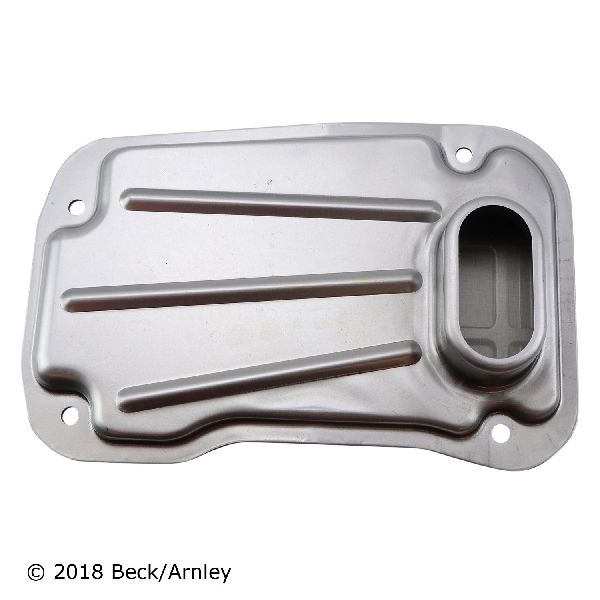
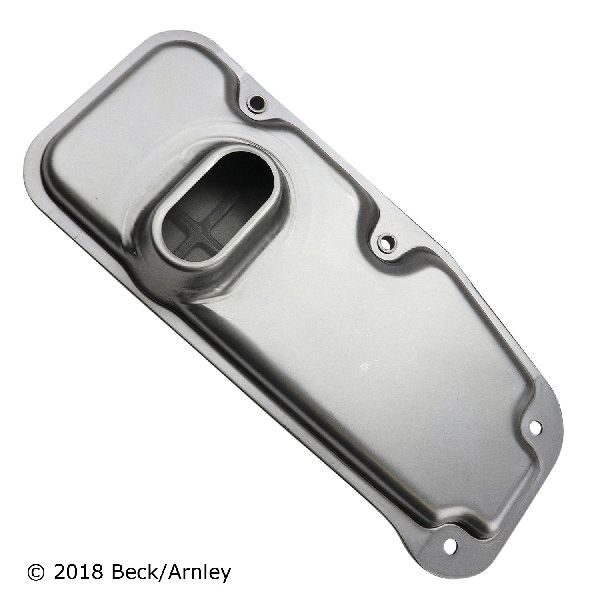
(OEM #35330-60050)— Should be replaced whenever the transmission pan is removed to ensure clean fluid flow and remove trapped debris.
Trusted brands: Toyota, Wix, ATP, Beck/Arnley
OEM price range: $50-$80
Aftermarket price range: $20-$40 - Transmission Pan Gasket
(OEM #35168-60010)— A new gasket is required to properly seal the transmission pan after it has been removed.
Mechanic-Grade Diagnostic Values
- TCC (SL) Solenoid Resistance — expected: 5.0 to 5.6 Ω at 20°C (68°F). Failure: A reading outside this range, or infinite (open) / zero (shorted) resistance.
- Torque Converter Slip Speed (during commanded lock-up) — expected: Near 0 RPM. Failure: A slip of more than 100 RPM between engine speed and input turbine speed when lock-up is commanded ON.
- Torque Converter Slip Speed (during commanded lock-up OFF) — expected: Greater than 35 RPM. Failure: A slip rate of less than 35 RPM when lock-up is commanded OFF, which indicates the clutch may be stuck ON.
Scan Tool Commands That Help
- Toyota Techstream: Active Test: 'Control the Lock-Up' — This function allows a technician to manually command the TCC (SL) solenoid ON and OFF while the vehicle is stationary or at low speeds to audibly and functionally check for solenoid operation without having to drive at highway speeds. A clicking sound should be heard from the transmission pan area when the command is toggled.
Real Owner Repair Stories
- Reddit user 'BEEFY-MAMA' on r/4thGen4Runner (2004 4Runner SR5 V6) — Initially, failure to engage reverse. After a fluid change, it also hesitated to engage drive. Then, Check Engine Light with code P0741 appeared.
❌ Tried (didn't work) Transmission fluid and filter change.
✅ What actually fixed it The owner took the vehicle to a transmission shop and had the transmission rebuilt. The shop mentioned an issue with the 'clutch packs', indicating a deeper mechanical failure beyond just the TCC solenoid or torque converter. - NHTSA ODI #11384226 — An owner reported that three years after purchasing their vehicle new, the engine light came on and was diagnosed as P0741. A service advisor reportedly stated there was no recall and suggested not fixing it if it wasn't "broken."
- NHTSA ODI #11128737 — One driver described symptoms including a lag when shifting from first to second gear and a feeling that the transmission was "pushing the max" when trying to reach highway speeds, coinciding with a P0741 code.
OEM Part Supersession History
35280-50020→35280-30050— Part number consolidation and potential minor internal revisions by the manufacturer.
Heads up: The new part number (35280-30050) is the correct and direct replacement for the original.
Model Year Variations Within This Range
- 2003-2009: While the A750F transmission was used throughout this period, there were no significant internal changes affecting the diagnosis or common causes of P0741. The primary components like the valve body, solenoids, and torque converter are interchangeable across these years for the V8 model.
Diagnostic Flowchart
Other Known Issues on This Vehicle
Issues unrelated to this code that are worth knowing about as an owner of this generation:
- Cracked Exhaust Manifolds 🟠 Medium — Very common, especially on pre-updated manifold designs. Often presents as a ticking noise when the engine is cold that may disappear as it warms up.
- Secondary Air Injection System (SAIS) Failure 🔴 High — Extremely common on 2005+ V8 models. The air pump fails, sending debris into the switching valves, causing them to stick. Triggers limp mode and is very expensive to repair at a dealer.
- Seized/Frozen Brake Calipers 🟠 Medium — Notorious issue for this platform, especially in rust-prone areas. Pistons in the front calipers stick, causing pulling, uneven pad wear, and a burning smell.
- Frame Rust 🔴 High — A significant problem, particularly for vehicles in the 'salt belt'. Can lead to structural failure. Toyota faced a class-action lawsuit for related trucks, but the 4Runner was not officially recalled in the US. (Ref: Part of a wider Toyota frame rust settlement program, but coverage for 4Runners was limited.)
- Timing Belt Replacement Interval 🔴 High — Not a failure, but a critical maintenance item. The 2UZ-FE is an interference engine, and the timing belt has a 90,000-mile replacement interval. Failure to replace it can result in catastrophic engine damage.
Used vs. New Parts: Buying Guide for This Vehicle
When a used part is the smart pick: A complete used transmission assembly or a used valve body from a reputable salvage yard can be a cost-effective alternative to a full rebuild, especially if the donor vehicle has documented low mileage. Given the high cost of a new torque converter, a low-mileage used unit is also a viable option.
Donor-vehicle mileage cap: roughly under 120000 miles for the part to have meaningful remaining life.
What to inspect on the donor part:
- Verify the donor vehicle's mileage. Aim for under 120,000 miles if possible.
- If possible, inspect the transmission fluid from the donor unit. It should be reddish/pink, not black or burnt-smelling.
- Obtain a warranty from the salvage yard (typically 30-90 days) to protect against a defective part.
- Check for any external damage to the transmission case, connectors, or cooling lines.
OEM-only on this vehicle (don't cheap out):
- Torque Converter Clutch (SL) Solenoid: While aftermarket options exist, the Aisin (OEM) solenoid is highly recommended for reliability and to avoid repeat labor costs. A faulty aftermarket solenoid is a common complaint in forums.
Aftermarket brands forum-validated for this vehicle:
- Aisin (for solenoids - they are the Original Equipment Manufacturer)
- Valvoline MaxLife ATF (as a widely forum-accepted compatible fluid for Toyota WS)
- Idemitsu (OEM supplier for Toyota WS fluid)
- Rostra (for transmission solenoids)
Brands owners have reported issues with on this vehicle:
- Unbranded, no-name solenoid kits from online marketplaces. These often have high failure rates and can cause more diagnostic headaches.
Documented NHTSA Reports
While the following records involve other Toyota models, they describe the same P0741 fault behavior relevant to Toyota's torque converter systems:
- NHTSA ODI #11596407: A vehicle inspection report noted a P0741 fault code indicating the torque converter clutch circuit was underperforming or stuck off.
- NHTSA ODI #11579413: An owner reported that an OBD-II scan pulled codes P2714, P0741, and P2757, leading to a dealership inspection of the transmission system.
- NHTSA ODI #11723306: Following a vehicle failure, a mechanic retrieved several codes including P0741 and P2757, which were identified as being related to the torque converter.
Real Owner Stories
Aggregated from forums and TSBs cited above. Mileages and costs reflect what owners reported in those sources.
2005 Toyota 4Runner 4.7L V8
Symptoms: The owner experienced a P0741 code shortly after performing a transmission fluid change.
What fixed it: The transmission required a rebuild due to issues with the internal clutch packs.
Source hint: Reddit r/4thGen4Runner - P0741 Discussion
Related OBD-II Codes
Frequently Asked Questions
Is it true that the 2003-2009 4Runner transmission is 'sealed' and doesn't need fluid changes?
I'm feeling a 'rumble strip' vibration at highway speeds in my V8 4Runner; is this related to P0741?
What is the specific resistance spec for the SL solenoid on the A750F transmission?
Can I just replace the solenoid, or do I need a whole new transmission for my 2003-2009 4Runner?
Does the Lexus GX470 suffer from the same P0741 issues as the 4Runner?
Helpful Videos

We Have This Part in Stock

The information in this article is provided for general reference and educational purposes only. Vehicle specifications, procedures, and part compatibility can vary by production date, trim level, and region. Always consult your vehicle's factory service manual and verify part numbers before purchasing or performing repairs. Safety-critical components such as airbags, seat belts, and braking systems should be installed by a qualified professional.
- Toyota 4Runner:
- 🧭 Diagnostic Flowchart
- 🎬 Helpful Videos
- 🛍️ Shop This Part
- What's Unique About the 2003-2009 Toyota 4Runner
- Symptoms You May Notice
- Most Likely Causes
- Rare But Worth Checking
- Diagnosis Steps
- Parts You'll Likely Need
- Mechanic-Grade Diagnostic Values
- Scan Tool Commands That Help
- Real Owner Repair Stories
- OEM Part Supersession History
- Model Year Variations Within This Range
- Other Known Issues on This Vehicle
- Used vs. New Parts: Buying Guide for This Vehicle
- Documented NHTSA Reports
- Real Owner Stories
- 2005 Toyota 4Runner 4.7L V8
- Related OBD-II Codes
- Frequently Asked Questions
- 🎟️ Get 5% Off