

P0742 on 2007-2011 GMC Sierra Denali: TCC Stuck On Causes and Fixes
P0742 on a 2007-2011 Sierra Denali means the torque converter clutch (TCC) is stuck on, which will likely cause the engine to stall or shudder violently when you come to a stop. The most common causes are a faulty TCC solenoid, a worn TCC regulator valve bore in the valve body, or contaminated transmission fluid. A common repair involves replacing the TCC solenoid and servicing the valve body, along with a fluid and filter change.
- P0742 means the torque converter clutch is stuck engaged, which is very likely to cause your truck to stall when you stop.
- The most probable cause is a failed TCC solenoid inside the transmission.
- A GM Technical Service Bulletin (PIP4290A) exists for this exact issue and provides a reliable diagnostic procedure for your mechanic to follow.
- Do not ignore this code. The stalling is a safety hazard, and continued driving can lead to more expensive transmission damage.
- Repair almost always involves dropping the transmission pan, so it's a good time to also replace the transmission filter and fluid.
What's Unique About the 2007-2011 Gmc SIERRA DENALI
The 2007-2011 Sierra Denali typically uses the GM 6L80 or 6L90 automatic transmission. While generally robust, these transmissions are known to have issues with their torque converters and valve bodies over time. A very common failure point leading to P0742 is wear in the TCC regulator valve bore within the valve body, which prevents hydraulic pressure from releasing the clutch. A GM Technical Service Bulletin (PIP4290A) was issued specifically for this problem, indicating it's a recognized issue. High mileage, high operating temperatures, and fluid contamination can lead to the TCC solenoid or its related valves sticking, which is a primary trigger for the P0742 code 🎬 Watch: A quick breakdown of what causes the P0742 code. on this specific platform. A GM Technical Service Bulletin (PIP4290A) was issued specifically for this problem, indicating it's a recognized issue.
Diagnostic Flowchart
Tap your situation to follow the diagnostic path that matches what you're seeing on this vehicle.
Symptoms You May Notice
- Engine stalling or dying when coming to a stop, feels like stopping a manual car without using the clutch.
- Vehicle surges or feels like it wants to keep moving while stopped in gear.
- A violent shudder or jerking sensation at low speeds (under 15 mph) or during deceleration.
- Harsh or delayed gear shifts.
- Transmission overheating, especially under load.
- Check Engine Light is illuminated.
- Replacing the entire transmission when only a solenoid, valve body repair, or wiring fix was needed.
- Replacing the torque converter without first addressing the root cause, which is often a faulty solenoid or, more likely, a worn valve body bore that is causing the converter clutch to drag and fail.
Most Likely Causes
- Sticking Valve or Worn Bore in the Transmission Valve Body 🔴 High Probability → Shop Transmission Valve Body The TCC regulator valve bore in the 6L80/6L90 valve body is a known weak point that wears over time. This wear allows hydraulic fluid to leak, preventing the TCC from disengaging or causing it to apply erratically. Debris from normal wear accelerates this problem.
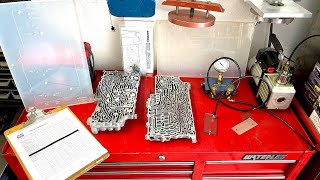
How to confirm: This is diagnosed after confirming the solenoid and wiring are good. A technician can perform a vacuum test on the valve body to check for leaks at the TCC regulator valve bore. A reading below 18 in-Hg indicates significant wear.
Typical fix: The valve body must be removed. The worn bore can be reamed out and an oversized valve kit, like the Sonnax 104740-07K, can be installed. Alternatively, a drop-in kit with longer valve lands (Sonnax 104740-46K) can be used for moderately worn bores. Some shops opt to replace the entire valve body assembly.
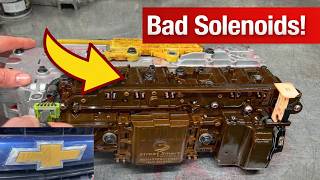
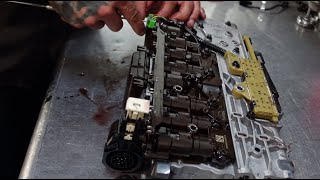
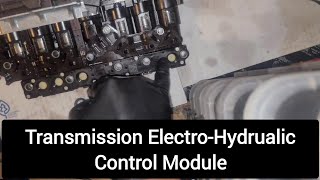
Est. part cost: $90-$150 for a Sonnax kit, $400-$800 for a remanufactured valve body. - Faulty Torque Converter Clutch (TCC) Solenoid 🔴 High Probability → Shop Automatic Transmission Torque Converter The TCC solenoid is part of the Transmission Electro-Hydraulic Control Module (TEHCM) which is located inside the oil pan. It can fail electrically or become clogged with metallic debris from the transmission fluid, causing it to stick in the 'on' position.
How to confirm: A technician can use a scan tool to command the TCC solenoid on and off while monitoring its status. The diagnostic procedure in TSB PIP4290A, which involves disconnecting the transmission connector, is the definitive test to isolate an internal vs. external fault. A resistance check on the TCC solenoid should yield a reading between 5 and 6 ohms.
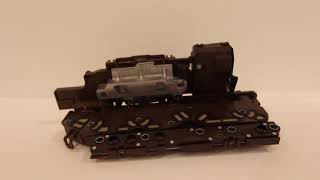
Typical fix: The entire TEHCM assembly (which includes all solenoids and the TCM) is often replaced as a single unit. This is located on the valve body inside the transmission oil pan. The replacement unit must be programmed to the vehicle's VIN. This service should include a new transmission filter and fluid.
Est. part cost: $50-$150 for a single solenoid (if sourced separately), $300-$600 for a complete remanufactured TEHCM assembly. - Dirty or Low Transmission Fluid 🟡 Medium Probability → Shop Transmission Assembly The 6L80 is sensitive to fluid condition. Over time, the fluid breaks down and becomes contaminated with clutch material and metal shavings. This debris is the primary cause of sticking valves and solenoids.
How to confirm: Check the transmission fluid level and condition on the dipstick. If the fluid is dark brown/black, smells burnt, or has visible metallic particles, it is contaminated and causing issues.
Typical fix: Perform a transmission fluid and filter change using DEXRON-VI fluid. If significant debris is found in the pan, it's a strong indicator that the valve body and solenoids are contaminated and require service. A simple fluid change may not be enough to fix the issue.
Est. part cost: $75-$200 for fluid and filter kit - Wiring Harness or Connector Issue ⚪ Low Probability
How to confirm: TSB PIP4290A outlines a diagnostic step of disconnecting the 20-way transmission connector to isolate the problem between external wiring and internal components. If the stalling stops with the connector unplugged, the issue is external. A visual inspection of the harness for damage, corrosion, or shorted wires is necessary.
Typical fix: Repair the damaged section of the wiring harness or clean/replace the corroded connector.
Est. part cost: $20-$300 depending on the extent of damage
Rare But Worth Checking
- Failed Torque Converter: → Shop Automatic Transmission Torque Converter While often misdiagnosed, a true mechanical failure of the internal lock-up clutch can cause P0742. This failure typically generates a large amount of debris that contaminates the entire system, leading to the solenoid and valve body issues. This is usually a last resort after solenoids and the valve body have been checked.
- Faulty Transmission Control Module (TCM): → Shop Transmission Assembly In the 6L80/6L90, the TCM is integrated into the TEHCM assembly with the solenoids inside the transmission pan. A failure of the TCM driver circuit can cause it to send a constant 'on' signal to the TCC solenoid. TSB PIP4290A suggests swapping the TCM with a known good unit as a final diagnostic step if no other cause is found. This is addressed by replacing the entire TEHCM assembly.
Diagnosis Steps
- Verify the P0742 code is present using an OBD-II scanner.
- Check the transmission fluid level and condition. Note any burnt smell or significant debris.
- Follow the diagnostic procedure in TSB PIP4290A: With the engine off, disconnect the 20-way transmission connector (X-175).
- Start the engine and place the shifter in Drive with the service brakes firmly applied.
- If the engine still stalls or severely shudders, the problem is mechanical/hydraulic and internal to the transmission. The most likely culprits are a stuck TCC solenoid or a stuck TCC regulator valve in the valve body.
- If the engine does NOT stall, the issue is external to the transmission. Inspect the wiring harness between the TCM and the transmission for shorts to power or damage. If wiring is good, the TCM itself (part of the TEHCM) is likely faulty.
- If the problem is internal, drop the transmission oil pan and inspect for excessive metal debris or clutch material. A large amount indicates a more severe internal failure (like the torque converter).
- Remove the valve body to access the TEHCM (solenoid body). The entire TEHCM is typically replaced as an assembly.
- While the valve body is out, it is highly recommended to inspect the TCC regulator valve bore for wear. Use a vacuum tester if available. If worn, install a Sonnax repair kit or replace the valve body.
- If all internal and external electrical components test good and the valve body is confirmed to be in good condition, the issue may be a mechanical failure within the torque converter itself.
Parts You'll Likely Need
- Valve Body TCC Regulator Valve Kit — Addresses the common failure of a worn TCC regulator valve bore in the valve body, which is a primary cause of P0742.
Trusted brands: Sonnax (P/N: 104740-46K for drop-in, or F-104740-TL7 & 104740-07K for oversized repair)
OEM price range: N/A
Aftermarket price range: $90-$150 - Control Solenoid Body and TCM (TEHCM)
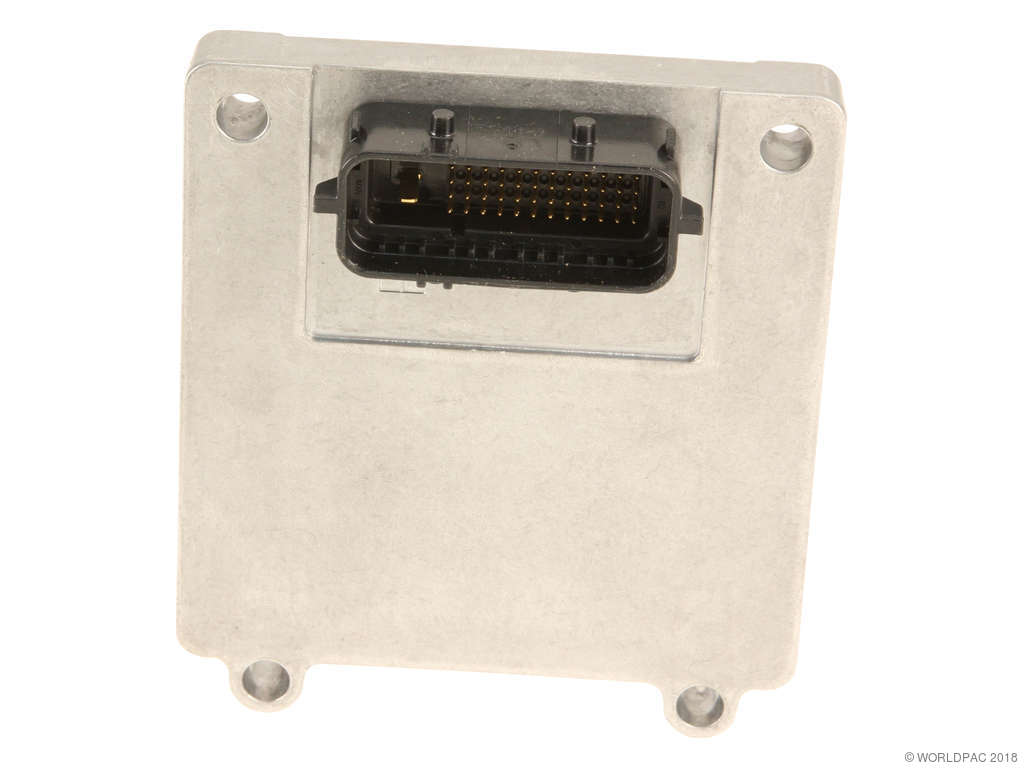
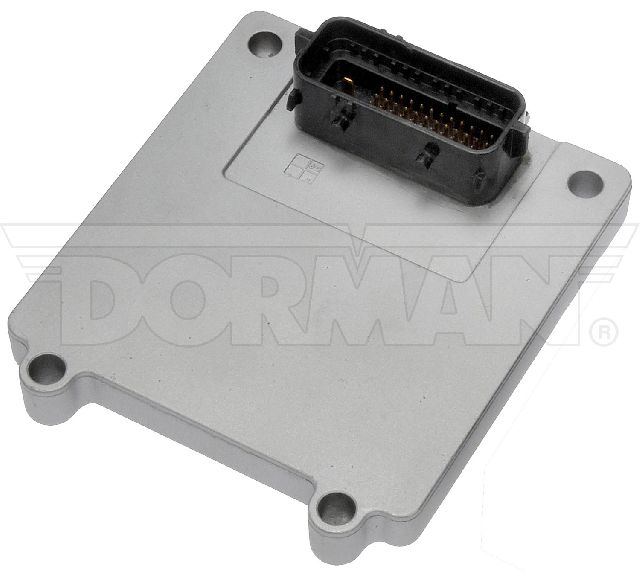
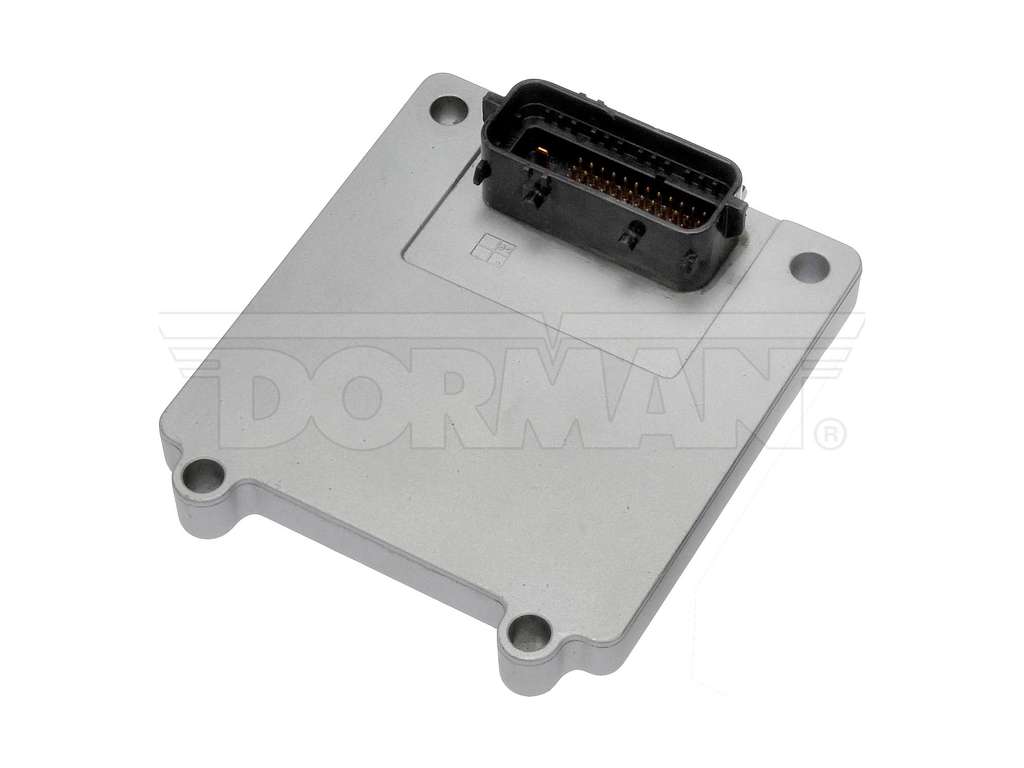
(OEM #24256861, 24275872 (superseded))— This assembly contains the TCC solenoid and the TCM. It's the most common electrical failure point and is replaced as a unit. Requires programming.
Trusted brands: ACDelco (Remanufactured), Rostra
OEM price range: $400-$600
Aftermarket price range: $300-$600
Related Codes That Often Appear With This One
- P0741 - Torque Converter Clutch Circuit Performance or Stuck Off (can occur if the valve/solenoid is sticking intermittently)
- P0776 - Pressure Control Solenoid 'B' Performance or Stuck Off (indicates broader valve body/solenoid issues)
Technical Service Bulletins (TSBs) & Recalls
- TSB #PIP4290A: 'Engine Surge or Stall at Stop and Or DTC P0742 Possible TCC Applied'. This is the primary document for diagnosing this issue. It guides technicians to disconnect the transmission's 20-way electrical connector to determine if the fault is internal (solenoid, valve body) or external (wiring, TCM). If the engine still stalls, the problem is internal.
Platform-Specific Known Issues
- A known issue exists for this code, as documented in GM Technical Service Bulletin #PIP4290A, which provides a specific diagnostic path for stalling at a stop with P0742.
- The wear of the TCC regulator valve bore in the valve body is a very common point of failure on the 6L80/6L90 transmission, often being the true root cause even when the TCC solenoid is also replaced.
Mechanic-Grade Diagnostic Values
- TCC Solenoid Resistance — expected: 5.0 - 6.0 Ohms. Failure: A reading outside this range indicates a faulty solenoid coil.
- TCC Regulator Valve Bore Vacuum Test — expected: 18 in-Hg or higher. Failure: A reading below 18 in-Hg indicates excessive wear in the valve bore, requiring a repair kit or valve body replacement.
- TCC Solenoid Operational Voltage (from TCM) — expected: 8.3 - 9.3 Volts. Failure: Voltage outside this range could indicate a problem with the TCM or wiring.
- Scan Tool TCC Slip Speed PID — expected: Should not be above 50 RPM when TCC is commanded ON.. Failure: For P0742, the slip speed will be near zero when it should be disengaged (at a stop). The PCM sets the code when it sees less than a 200 RPM difference when lockup should be off.
Scan Tool Commands That Help
- GDS2 / Techline Connect: Replace and Reprogram TCM/TEHCM — This is a mandatory procedure after replacing the TEHCM. The new module must be flashed with the vehicle's specific VIN and calibration file from GM's service site before the vehicle is started.
- GDS2 / Techline Connect: Fast Learn / Reset Transmission Adapts — This should be performed immediately after programming a new TEHCM. It resets the learned shift parameters and clutch volume indexes, allowing the transmission to learn new shift points smoothly.
- GDS2 / Tech2: Solenoid Test / Solenoid Cleansing — This function allows a technician to cycle individual solenoids, including the TCC solenoid, on and off. This can help determine if a solenoid is mechanically stuck or responding to commands. It can also sometimes free up minor debris.
Wiring & Ground Locations
- X175 — The main 16-way (sometimes called 20-way) pass-through connector on the side of the transmission case.. This is the connector referenced in TSB PIP4290A. Disconnecting it isolates the internal transmission components (solenoids, internal harness) from the external wiring and TCM for diagnosis. Pin 4 (RD/WH) is Battery Positive Voltage, and Pin 5 (BK/WH) is Ground.
- G103 / G104 — On the back of the cylinder head on the passenger side. A braided strap often connects from here to the firewall.. This is a primary engine-to-chassis ground. A poor connection here can cause a host of electrical issues, including erratic sensor readings and module behavior that could potentially affect transmission operation.
- G107 — On the driver's side of the engine block, below the cylinder head.. This is the main ground point for the PCM/ECM. A compromised ground here is a known cause of numerous and bizarre electrical faults and codes on GMT900 trucks.
Real Owner Repair Stories
- YouTube user 'GM Transmission Fix' (2010 Chevrolet Silverado with 6L80) — Stalling when coming to a stop, P0742 code present.
❌ Tried (didn't work) The user did not report trying other fixes first.
✅ What actually fixed it The problem was a worn TCC regulator valve bore in the valve body. The technician dropped the valve body, vacuum tested the bore which confirmed a leak, and installed a Sonnax drop-in valve kit (104740-46K) to restore hydraulic integrity. This resolved the stalling issue.
OEM Part Supersession History
24256861→19434978 (current as of late 2025)— Part has been updated and superseded multiple times by GM. Other numbers in the chain include 24275872, 19435614, and 19431596.
Heads up: TEHCMs are year- and model-specific. Installing a TEHCM with the wrong hardware or software calibration (identified by a 'Tag ID' on the unit) will result in a no-start condition or immediate limp mode. The module must be programmed to the vehicle's VIN after installation.
Model Year Variations Within This Range
- 2007-2010: Early 6L80/6L90 TEHCM units are known to be more susceptible to TCC apply solenoid failure and logic issues under heat compared to later models.
- Mid-2008: An interim change was made to the valve body spacer plate and the spring load on the clutch select valves was lowered to address a P0751 code. While not directly for P0742, it shows that internal hydraulic calibrations were being updated during this period.
Helpful Videos


We Have This Part in Stock

The information in this article is provided for general reference and educational purposes only. Vehicle specifications, procedures, and part compatibility can vary by production date, trim level, and region. Always consult your vehicle's factory service manual and verify part numbers before purchasing or performing repairs. Safety-critical components such as airbags, seat belts, and braking systems should be installed by a qualified professional.
- Gmc SIERRA DENALI:
- 🧭 Diagnostic Flowchart
- 🎬 Helpful Videos
- 🛍️ Shop This Part
- What's Unique About the 2007-2011 Gmc SIERRA DENALI
- Symptoms You May Notice
- Most Likely Causes
- Rare But Worth Checking
- Diagnosis Steps
- Parts You'll Likely Need
- Related Codes That Often Appear With This One
- Technical Service Bulletins (TSBs) & Recalls
- Platform-Specific Known Issues
- Mechanic-Grade Diagnostic Values
- Scan Tool Commands That Help
- Wiring & Ground Locations
- Real Owner Repair Stories
- OEM Part Supersession History
- Model Year Variations Within This Range
- 🎟️ Get 5% Off