

P0746 on 2018-2024 GMC Terrain: Pressure Control Solenoid 'A' Stuck Off Causes and Fixes
On a 2018-2024 GMC Terrain, code P0746 is a critical transmission code that often points to a serious internal mechanical failure, not just a bad solenoid. Manufacturer TSBs indicate faulty or out-of-round snap rings are a likely cause, requiring transmission disassembly. Do not drive the vehicle and seek professional diagnosis immediately, as continued operation can lead to a 'no move' condition and catastrophic transmission damage.
- P0746 on a 2018-2024 GMC Terrain is a critical fault that requires immediate professional attention.
- Do not drive the vehicle. There is a high risk of being stranded, as confirmed by manufacturer service bulletins.
- The most likely cause is a serious internal mechanical failure (broken snap rings), not a simple solenoid replacement.
- Diagnosis must be thorough, starting with fluid checks but likely proceeding to internal inspection.
- The most common and reliable repair is often a complete transmission rebuild or replacement.
What's Unique About the 2018-2024 Gmc TERRAIN
For the 2018-2024 GMC Terrain, equipped with a 9-speed automatic transmission (GM 9T45/9T50), this code is frequently linked to a specific, documented mechanical failure. General Motors has issued Technical Service Bulletins (TSBs) indicating that out-of-round or broken internal snap rings for the 1-2-3-4-5-6 clutch are a primary cause for P0746. This means the problem is often not the solenoid itself, but a more serious internal issue that requires significant transmission work to correct. TSB PIP5974E specifically warns technicians *not* to replace the control valve body or solenoid body, as they are not the cause of this specific snap ring-related failure.
Diagnostic Flowchart
Tap your situation to follow the diagnostic path that matches what you're seeing on this vehicle.
Symptoms You May Notice
- Vehicle will not move when placed in Drive or Reverse. 🎬 Watch: See how these symptoms look during a real transmission failure.
- Extremely harsh or violent shifts, often described as "slamming" into gear.
- Transmission slipping (engine RPMs rise without an increase in speed).
- Delayed engagement when shifting out of Park.
- Vehicle enters "limp mode," limiting speed and gear selection.
- Check Engine Light is on.
- Transmission overheating.
- Vehicle will barely creep forward, even with significant throttle application.
- Replacing only the Pressure Control Solenoid without inspecting for internal mechanical damage. GM's TSBs specifically highlight that the root cause is often the snap rings, and replacing the solenoid alone will not fix the problem and is explicitly advised against.
Most Likely Causes
- Internal Transmission Snap Ring Failure 🔴 High Probability → Shop Transmission Assembly As documented in GM Technical Service Bulletin #PIP5974E, 🎬 Watch: A deep dive into GM's recent transmission TSBs and fixes. the 1-2-3-4-5-6 clutch apply plate snap rings can be out-of-round, distorted, or break, leading directly to the pressure control issues that trigger P0746. TSB PIP5974A identifies a specific batch of transmissions built between 10/1/2023 and 4/22/2024 (Julian dates 23274 to 24113) as being highly susceptible.
How to confirm: This requires internal inspection of the transmission. A technician will drop the transmission pan and look for metal debris, which are pieces of the failed snap ring. Confirmation requires transmission disassembly to visually inspect the 1-2-3-4-5-6 clutch housing.
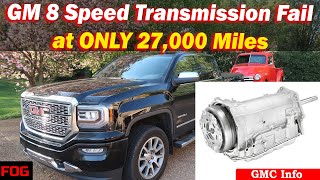
Typical fix: The transmission must be removed and disassembled to replace the faulty snap rings and any collateral damage. Often, the 1-Reverse and 1-2-3-4-5-6 Clutch Piston Housing is damaged and must be replaced along with the clutch plates. A full transmission rebuild or replacement with an updated unit 🎬 See this video for an example of common GM transmission failures. is the most reliable repair.
Est. part cost: $100-$5000 - Low or Contaminated Transmission Fluid 🟡 Medium Probability → Shop Transmission Assembly While not a design flaw, the 9-speed transmission is sensitive to fluid level and quality. Low fluid levels can cause pressure drops, while contaminated fluid (often from a failing snap ring) can clog hydraulic passages or damage solenoids.
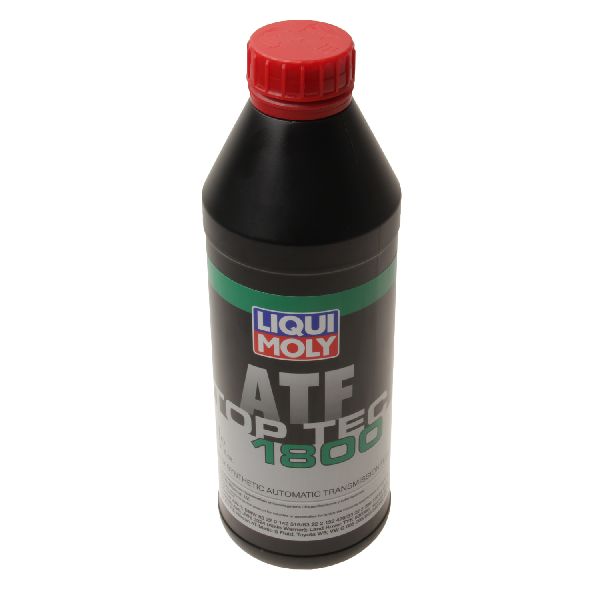
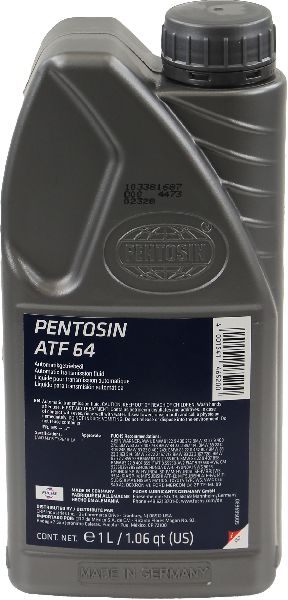
How to confirm: Check the transmission fluid level and condition. The correct fluid is ACDelco DEXRON VI Automatic Transmission Fluid (GM Part #10-9394). The fluid should be red and translucent, not brown, black, or containing visible metal particles.
Typical fix: If the fluid is low, top it off and inspect for leaks. If the fluid is dirty, a fluid and filter change is necessary. However, if metal debris is present, this indicates a severe mechanical failure and a fluid change alone will not solve the problem.
Est. part cost: $100-$300 - Faulty Pressure Control Solenoid 'A' ⚪ Low Probability → Shop Transmission Valve Body While the code directly names the solenoid, on this platform it is more often a symptom of the mechanical snap ring failure rather than the root cause. TSB #PIP5974E specifically warns against replacing the solenoid body alone for this issue. However, an independent electrical failure of the solenoid itself is still possible, though rare.
How to confirm: A technician can use a bi-directional scan tool to command the solenoid on and off while monitoring transmission pressure data. The solenoid's electrical circuit can also be tested for resistance and continuity.
Typical fix: Replacement of the pressure control solenoid, which is typically part of the valve body (or solenoid body) inside the transmission. This should only be done after confirming the snap rings are intact.
Est. part cost: $120-$250
Rare But Worth Checking
- Faulty Transmission Control Module (TCM): → Shop Transmission Assembly A software glitch or internal failure in the TCM can prevent it from correctly commanding the solenoid. This is uncommon but possible, especially if no mechanical or electrical faults are found with the transmission itself.
- Clogged Transmission Filter or Hydraulic Passages: → Shop Transmission Assembly Debris from normal wear or a component failure (like the snap rings) can clog the transmission filter or internal fluid passages, restricting pressure and triggering the code.
Diagnosis Steps
- Verify the code with a professional OBD-II scanner.
- Check the transmission fluid level and condition. The fluid must be the correct type (DEXRON VI), at the proper level, and free of debris or a burnt smell. Note any metal particles in the fluid.
- Check the transmission build date. Per TSB PIP5974A/E, transmissions built between October 2023 and April 2024 are at high risk for snap ring failure.
- Inspect the transmission wiring harness and connectors for any visible damage, corrosion, or loose connections.
- Use a bi-directional scan tool to monitor transmission line pressure and to command Solenoid 'A' on and off. This helps determine if the issue is mechanical or electrical.
- If the solenoid does not respond electrically, test the circuit's integrity and the solenoid's internal resistance with a multimeter.
- If fluid and electrical checks are inconclusive, the next step is to drop the transmission pan to inspect for metal debris. Finding broken pieces of a snap ring confirms the internal mechanical failure mentioned in TSB #PIP5974E.
- If significant debris is found, internal transmission inspection and repair are required. Do not replace the valve body or solenoids if snap ring failure is the cause.
Parts You'll Likely Need
- Transmission Assembly — Due to the high probability of severe internal damage from snap ring failure, a complete transmission replacement or rebuild is often the most reliable and recommended fix. A replacement unit typically costs between $4,900 and $8,000.
Trusted brands: ACDelco (GM Genuine Parts)
OEM price range: $3000-$5000
Aftermarket price range: $2500-$4500 - Transmission Snap Ring Kit
(OEM #24043595)— If the issue is caught early and the damage is isolated, a technician may be able to rebuild the transmission using a new set of snap rings as identified in TSB #PIP5974E. This part contains the updated, correctly manufactured snap rings.
Trusted brands: ACDelco (GM Genuine Parts)
OEM price range: $40-$150
Aftermarket price range: $30-$100 - Pressure Control Solenoid / Valve Body Assembly — In the rare case that the solenoid itself has failed electrically or mechanically (and the snap rings are confirmed to be intact), it will need to be replaced. This is often part of the valve body assembly. TSBs warn against this being the primary fix for P0746 on this platform.
Trusted brands: ACDelco, Bosch
OEM price range: $800-$1500
Aftermarket price range: $600-$1200 - ACDelco DEXRON VI Automatic Transmission Fluid
(OEM #10-9394 (88865601))— The correct fluid is required for any repair, whether a simple fluid change or a full transmission replacement.
Trusted brands: ACDelco
OEM price range: $10-$15 per quart
Related Codes That Often Appear With This One
- P0747 — This code means 'Pressure Control Solenoid 'A' Stuck On'. P0746 and P0747 are direct counterparts indicating a fault in the same hydraulic circuit for the 1-2-3-4-5-6 clutch. TSBs like #PIP5974E and #PIE0720A list them together as they both point to the same underlying mechanical snap ring failure.
- P0700 — This is a generic code indicating that the Transmission Control Module (TCM) has stored a fault code. It acts as a general alert that a more specific transmission code, like P0746, is present.
Technical Service Bulletins (TSBs) & Recalls
- PIP5974E: Communicates that out-of-round transmission snap rings can cause code P0746 or P0747 and explicitly warns against replacing the valve body or solenoids for this issue.
- PIE0720A: Ends the need for further data gathering on a "Vehicle Will Not Move" condition associated with DTCs P0746 and P0747, confirming it's a known, serious issue.
- PIE0720: Initiated a request for technicians to provide data on a "Vehicle Will Not Move" condition related to DTCs P0746 and P0747.
- PIP5974A: Updates the snap ring issue with specific transmission build date ranges (Oct 2023 - Apr 2024) that are affected.
Platform-Specific Known Issues
- A known issue, documented in TSB #PIP5974E, involves the 1-2-3-4-5-6 clutch snap rings becoming distorted or popping out of the groove, causing a loss of clutch pressure and setting code P0746.
Mechanic-Grade Diagnostic Values
- Transmission Fluid Temperature Sensor Resistance — expected: 2.641 kΩ to 2.645 kΩ at 20°C (68°F), or 908 to 912 Ω at 50°C (122°F). Resistance decreases as temperature increases.. Failure: A reading that is significantly outside the expected range for a given temperature indicates a faulty sensor.
- Pressure Control Solenoid Resistance — expected: General specification for many automotive solenoids is between 5 and 30 ohms.. Failure: A reading of infinite resistance (open circuit) or near-zero resistance (short circuit) indicates a failed solenoid coil. Note: Vehicle-specific values from a service manual should always take precedence.
Scan Tool Commands That Help
- GDS2 (or equivalent professional scan tool): Monitor Live Data Parameters — During a test drive, monitor PIDs like 'Command Gear', 'Transmission ISS', 'Transmission OSS', and the pressure commands for the various solenoids (e.g., 'PC Sol. 2 Pressure Cmd.'). Comparing the commanded state to the actual state is crucial for diagnosis. The TCM sets P0746 when the gear ratio (calculated from speed sensors) does not match the commanded gear, indicating the clutch did not apply.
- GDS2 (or equivalent professional scan tool): Active Test / Solenoid Actuation — To verify if the solenoid is electrically functional and can be commanded by the scan tool. A technician can command the solenoid on and off to check for a response, which helps differentiate between a control circuit problem and a stuck solenoid or mechanical issue.
- GDS2 (or equivalent professional scan tool): Transmission Adaptation Reset — After replacing the transmission, valve body, or solenoids, the learned shift adapts must be cleared. This forces the TCM to relearn the clutch fill times and pressures for the new components.
Wiring & Ground Locations
- Underhood Fuse Block — In the engine compartment on the driver's side, near the battery.. This fuse block contains fuses and relays critical to the operation of the Powertrain Control Module (PCM) and Transmission Control Module (TCM), which control the transmission solenoids.
- Instrument Panel Fuse Block — Located on the left side of the dashboard, accessible when the driver's door is open (may be behind a trim panel or storage compartment).. Contains fuses related to the TCM and other control modules that communicate with the transmission.
- Ground Points (e.g., G110, G114) — Various locations on the engine block, frame, and firewall.. A poor ground connection can cause erratic behavior in control modules and sensors. While not specific to the Terrain, GM has issued bulletins for other vehicles (like the Silverado/Sierra) regarding loose grounds at points G110 and G114 causing various electrical issues. Verifying major chassis and engine grounds is a critical step in diagnosing any electronic fault.
Model Year Variations Within This Range
- 2024 (and potentially late 2023): A specific batch of 9T45/9T50 transmissions built between October 1, 2023, and April 22, 2024 (identified by Julian dates 23274 to 24113) are highly susceptible to the 1-2-3-4-5-6 clutch snap ring failure due to out-of-round snap rings from the supplier. This is documented in TSB PIP5974A/E.
Helpful Videos


We Have This Part in Stock

The information in this article is provided for general reference and educational purposes only. Vehicle specifications, procedures, and part compatibility can vary by production date, trim level, and region. Always consult your vehicle's factory service manual and verify part numbers before purchasing or performing repairs. Safety-critical components such as airbags, seat belts, and braking systems should be installed by a qualified professional.
- Gmc TERRAIN:
- 🧭 Diagnostic Flowchart
- 🎬 Helpful Videos
- 🛍️ Shop This Part
- What's Unique About the 2018-2024 Gmc TERRAIN
- Symptoms You May Notice
- Most Likely Causes
- Rare But Worth Checking
- Diagnosis Steps
- Parts You'll Likely Need
- Related Codes That Often Appear With This One
- Technical Service Bulletins (TSBs) & Recalls
- Platform-Specific Known Issues
- Mechanic-Grade Diagnostic Values
- Scan Tool Commands That Help
- Wiring & Ground Locations
- Model Year Variations Within This Range
- 🎟️ Get 5% Off