

P0746 on 2006-2012 Toyota RAV4 3.5L V6: Shift Solenoid 'A' (SL1) Causes and Fixes
On a 2006-2012 RAV4 V6, P0746 almost always points to a problem with the Shift Solenoid 'SL1' or low/dirty transmission fluid. The fix is often replacing the faulty solenoid inside the transmission pan, which costs around $50-$150 for the part and requires a few hours of labor. This is a common issue on the U151F transmission.
- P0746 on your V6 RAV4 specifically points to a problem with Shift Solenoid SL1.
- Always start by checking the transmission fluid level and condition. Use only Toyota WS fluid.
- The most common fix is replacing the SL1 solenoid, which is located inside the transmission oil pan.
- Diagnosis can be confirmed by measuring the solenoid's resistance (should be 5.0-5.6 ohms).
- This is a complex DIY job; professional service is recommended to avoid causing more damage to the transmission.
What's Unique About the 2006-2012 Toyota RAV4
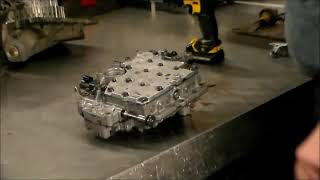
The V6-powered RAV4 from this era uses the U151E (FWD) or U151F (AWD) 5-speed automatic transmission. This is a durable but complex unit shared with other Toyota models like the Highlander, Sienna, and Lexus RX350. 🎬 Watch: Common failure points on the Toyota U151 transmission Unlike some vague codes, Toyota service documentation for the U151F is very specific, directly linking P0746 to the SL1 shift solenoid's performance. This allows for a more targeted diagnosis compared to generic interpretations of the code. The problem is typically not the computer, but a hydraulic or mechanical issue within the transmission valve body related to fluid condition or the solenoid itself.
Symptoms You May Notice
- Harsh, delayed, or erratic gear shifts
- Transmission slipping (engine revs but vehicle doesn't accelerate properly)
- Vehicle may get stuck in a single gear (limp mode)
- Check Engine Light is illuminated
- Reduced fuel economy
- Vehicle may feel like it has a loss of power
- Transmission may make a 'clunk' sound during shifts
- An unusual roaring sound coming from the vehicle (as noted in related Toyota transmission failures)
- Replacing the entire transmission without proper diagnosis. The issue is often a relatively inexpensive solenoid or fluid problem.
- Assuming the problem is the ECM. ECM failure is very uncommon for this type of fault.
- Replacing the high-pressure pump without confirming it's the cause. Wiring and solenoid issues are more likely culprits for P0746.
Most Likely Causes
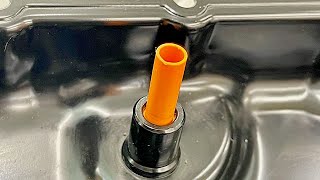
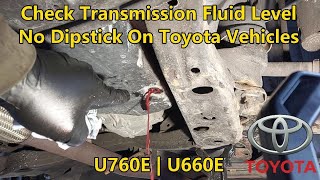
- Low or Contaminated Transmission Fluid 🔴 High Probability → Shop Transmission Assembly Over time, fluid breaks down and collects clutch material and other debris. The U151F transmission does not have a dipstick, making fluid level checks less straightforward for DIYers and often neglected. 🎬 Watch: How to check Toyota fluid levels without a dipstick This can lead to low fluid levels or the circulation of dirty, abrasive fluid that damages solenoids.
How to confirm: The fluid level must be checked via the overflow plug procedure, typically with the vehicle running and the transmission fluid at a specific temperature (usually 104-113°F or 40-45°C). The fluid color and smell should be inspected; dark, burnt-smelling fluid indicates a problem and contamination.
Typical fix: Perform a transmission fluid drain-and-fill using only Toyota World Standard (WS) fluid. If the fluid is very dirty, a full fluid exchange may be considered, but a simple drain-and-fill is often safer on higher-mileage transmissions.
Est. part cost: $60-$120 for fluid - Failed Shift Solenoid Valve (SL1) 🔴 High Probability → Shop Transmission Valve Body Solenoids are electro-mechanical parts that cycle thousands of times and wear out. They can fail electrically (open or shorted coil) or, more commonly for this code, mechanically (the internal plunger gets stuck from debris in the fluid). NHTSA ODI #11644315 describes a similar failure where Pressure Control Solenoid "A" was diagnosed as "stuck off."
How to confirm: After dropping the transmission pan, locate and remove the SL1 solenoid. Test its resistance with a multimeter; it should be between 5.0 and 5.6 Ohms at 68°F (20°C). You can also briefly apply 12V power (in series with a 21W bulb per the manual) to see if the solenoid clicks, indicating mechanical movement. A lack of a click or a weak click points to a mechanical failure.
Typical fix: Replace the faulty SL1 solenoid. It is accessible after removing the transmission pan and transmission filter. 🎬 See this step-by-step guide to replacing a Toyota shift solenoid
Est. part cost: $50-$180 - Clogged Transmission Filter or Valve Body 🟡 Medium Probability → Shop Transmission Assembly Debris from normal wear and tear can clog the fine passages within the valve body or saturate the transmission filter, restricting fluid flow. This starves the solenoids of the hydraulic pressure they need to actuate properly.
How to confirm: When the transmission pan is removed for solenoid inspection, visually inspect the filter and the magnets in the pan. A small amount of fine, metallic paste on the magnets is normal, but large metal shavings or excessive sludge indicate a more serious internal failure.
Typical fix: Replace the transmission filter and clean the pan magnets. If the valve body is suspected to be clogged, it may need to be removed for a thorough cleaning or replacement, which is a job for a specialist.
Est. part cost: $30-$60 for a filter and gasket kit
Rare But Worth Checking
- Wiring Harness Issue: The internal transmission wiring harness can become brittle from heat and age, leading to a short or open circuit. A visual inspection of the wiring to the SL1 solenoid is warranted during replacement. Damage can also occur at the external connector.
- Faulty ECM (Engine Control Module): While extremely rare for this specific fault, the driver circuit within the ECM that controls the solenoid can fail. This should only be considered after all other possibilities (fluid, solenoid, wiring, valve body) have been definitively ruled out.
Diagnosis Steps
- Check for other stored DTCs. If other codes are present, diagnose them first.
- Check the transmission fluid level and condition. This requires a specific procedure using the overflow plug, as there is no dipstick. Ensure the correct Toyota WS fluid is used. Burnt or very dark fluid is a strong indicator of internal issues.
- Use an advanced scan tool like Toyota Techstream to monitor live data and perform an 'Active Test'. Command the SL1 solenoid on and off to see if it responds and compare the commanded gear with the actual gear reported by the sensors.
- If the fluid is okay but the problem persists, drop the transmission oil pan to access the valve body.
- Locate and remove the Shift Solenoid SL1.
- Measure the solenoid's resistance using a multimeter. It should be within the factory specification of 5.0-5.6 Ω at 20°C (68°F).
- Test the solenoid for mechanical operation by carefully applying 12V power (with a 21W bulb in series) and listening for a distinct click. A missing or weak click indicates a stuck plunger.
- While the pan is off, inspect the transmission filter and the magnets for excessive metal debris, which would indicate a more serious internal problem requiring a rebuild or replacement.
- If the solenoid tests bad, replace it. If it tests good, the issue may be a blockage in the valve body, an intermittent wiring problem, or a more serious mechanical failure within the transmission.
- Reinstall the pan with a new gasket, and fill the transmission with the correct amount of Toyota WS fluid following the proper temperature check procedure.
Parts You'll Likely Need
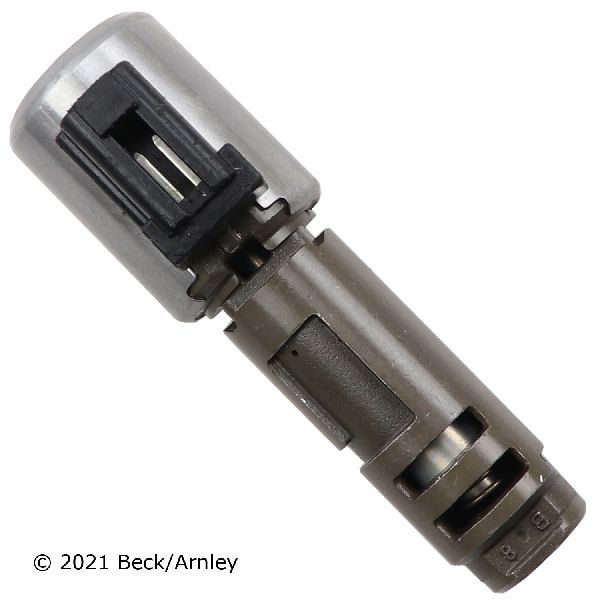
- Shift Solenoid Valve (SL1)
(OEM #35210-21010)— This specific solenoid is identified by the ECM as having a performance problem. It is the most likely component to have failed mechanically or electrically. Note: This part number may also fit other Toyota/Scion models, but is not the correct SL1 for the RAV4 V6. The correct part is often sold as part of a larger solenoid kit for the U151 transmission. Always verify with VIN.
Trusted brands: Toyota (OEM), Aisin, Rostra
OEM price range: $150-$300
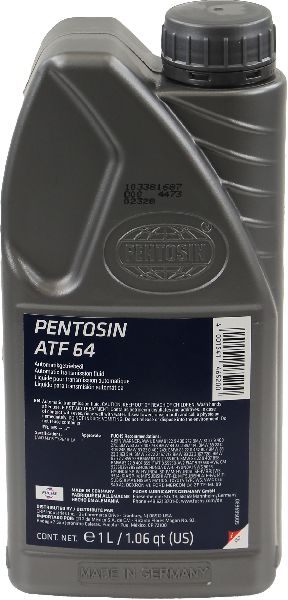
Aftermarket price range: $50-$150 - Automatic Transmission Fluid (Toyota WS)
(OEM #00289-ATFWS)— The correct fluid is required for any service. Low or dirty fluid is a primary cause, and a drain-and-fill is the first step in diagnosis and part of the final repair.
Trusted brands: Toyota (OEM), Idemitsu TLS-LV, Valvoline MaxLife ATF
OEM price range: $12-$20 per quart
Aftermarket price range: $8-$15 per quart - Transmission Filter and Pan Gasket Kit
(OEM #35330-08010)— The filter should be replaced whenever the transmission pan is removed for service to ensure clean fluid flow. A clogged filter can cause pressure issues that mimic a bad solenoid.
Related Codes That Often Appear With This One
- P0745 — This code indicates an electrical circuit malfunction for the same solenoid ('A'), such as an open or short. P0746 is a performance code that can be caused by the electrical fault indicated by P0745.
- P0747 — This is the opposite code, 'Pressure Control Solenoid 'A' Stuck On'. Seeing both could indicate an intermittent problem with the solenoid or its circuit.
- P0776 — This code relates to Pressure Control Solenoid 'B'. Seeing multiple solenoid codes together often points to a more systemic issue like widespread fluid contamination, a failing valve body, or a problem with the shared power/ground circuit.
Platform-Specific Known Issues
- A user on TacomaWorld with a P0746 code asked for a diagram to identify the correct solenoid on the valve body, highlighting the difficulty for DIYers in locating the specific component among the many solenoids present.
Mechanic-Grade Diagnostic Values
- Shift Solenoid SL1 Resistance — expected: 5.0 to 5.6 Ω at 20°C (68°F). Failure: Resistance outside this range indicates a faulty solenoid coil.
- Shift Solenoid SL1 Voltage (at ECM connector, backprobed) — expected: Voltage should drop from battery voltage to ~0V in less than 0.5 seconds when the transmission shifts from 1st to 2nd gear.. Failure: Voltage does not drop, or drops slowly, indicating a problem with the ECM driver or wiring.
- Manual Solenoid Click Test (solenoid removed) — expected: A distinct 'click' sound when 12V is applied via a 21W bulb in series.. Failure: No sound or a weak sound indicates a mechanically stuck internal plunger.
Scan Tool Commands That Help
- Toyota Techstream (GTS): Powertrain / ECT / Active Test / Control the Shift Position — This command allows a technician to manually command gear shifts while the vehicle is stopped or driving. It's used to confirm if the P0746 fault is active by comparing the commanded gear to the actual gear reported by sensors. If the transmission fails to shift into the commanded gear, it points directly to a malfunction in the corresponding solenoid's hydraulic circuit.
- Professional Scan Tool (Snap-on, Autel, etc.): Memory Reset / Transmission Learn / Reset Adaptive Values — This function must be performed after replacing solenoids or the valve body. The ECM stores adaptive values for shift timing and pressures. Failing to reset these can cause continued harsh shifting or shifting problems even with new parts, as the computer is still trying to compensate for the old, faulty components.
Wiring & Ground Locations
- Engine Harness Ground (Front Head) — A boss on the side of the front cylinder head, underneath the throttle body.. The main engine harness, which includes wiring for the ECM and its communication with the transmission, relies on this ground. A loose or corroded connection here can cause erratic sensor readings and incorrect command signals from the ECM to the transmission solenoids.
- Engine Harness Ground (Rear Head) — A wire going from the rear valve cover to the frame, near the strut tower.. This is a primary body-to-engine ground point. Poor connection can lead to a variety of electrical issues, including false DTCs and improper operation of electronically controlled components like shift solenoids.
- Transmission Case to Body Ground — A ground strap typically running from a bolt on the top of the transmission bell housing to the vehicle's chassis/firewall.. This is the main ground for the transmission assembly itself. The solenoids are grounded through the transmission case. A compromised ground strap can cause current to find alternative, higher-resistance paths, leading to weak solenoid actuation and performance codes like P0746.
Real Owner Repair Stories
- YouTube channel 'Fixchanics' (2004 Toyota Sienna with U151E (shares architecture with RAV4's U151F)) — Check engine light with code P0746, harsh shifting.
❌ Tried (didn't work) Initially, the owner was considering replacing the entire transmission.
✅ What actually fixed it The technician dropped the transmission pan, removed the valve body, and thoroughly cleaned all solenoids and valve body passages which were contaminated with fine metallic debris. After cleaning and reassembly with fresh fluid and filter, the code was resolved and shifting returned to normal. This confirmed the issue was debris causing a mechanical blockage, not a failed solenoid. - YouTube channel 'YepThatsIt' (Toyota Kluger with U151F transmission (same as RAV4 V6)) — Slipping and sluggish gear changes, significant metallic debris found in the pan.
✅ What actually fixed it The video demonstrates a full service including a pan drop, filter replacement, and flushing/cleaning of the individual solenoids. The presenter notes that fine metal contamination was heavy on the pan magnets and was the likely cause of the solenoids sticking. The fix was a thorough cleaning of the hydraulic components. - NHTSA ODI #11644315 (Toyota Sienna) — An owner reported the vehicle displayed P0746 for Pressure Control Solenoid "A" Performance stuck off. A second opinion suggested the issue was related to the valve body assembly and clutch kits inside the transmission.
- NHTSA ODI #11639882 (Toyota Camry) — An owner reported an unusual roaring sound coming from the vehicle along with error codes P27137f, P08BB, and P0746. The vehicle was subsequently diagnosed with transmission failure at the dealer.
OEM Part Supersession History
Varies by production date→35410-48050 (Full Valve Body Assembly)— Toyota often supersedes individual solenoid part numbers to a complete valve body assembly to ensure all related components (other solenoids, check balls, gaskets) are updated, reducing the chance of a comeback repair.
Heads up: While individual aftermarket solenoids are available, transmission experts often recommend replacing the linear solenoids (SL1, SL2, SL3, SLT) as a set due to similar wear patterns. Mixing old and new linear solenoids can sometimes cause shift quality issues.
Model Year Variations Within This Range
- 2009-2012: For the 2009 model year, the 2.4L four-cylinder engine was replaced by a new 2.5L four-cylinder. While this did not affect the V6 model's U151F transmission directly, it's a key differentiator in the overall model lineup for these years. The V6 and its 5-speed automatic remained consistent.
Diagnostic Flowchart
Other Known Issues on This Vehicle
Issues unrelated to this code that are worth knowing about as an owner of this generation:
- VVT-i Oil Line Rupture 🔴 High — Common on 2006-2009 models with the original rubber/metal hybrid line. Failure can occur at any mileage and leads to rapid, catastrophic oil loss. (Ref: Toyota Limited Service Campaign (LSC) to replace the line with an all-metal version.)
- Intermediate Steering Shaft Clunk 🟠 Medium — Very common across 2006-2012 models, typically appearing as a clunk or pop from the steering column area on low-speed turns. (Ref: T-SB-0318-08, T-SB-0033-11)
- Water Pump Failure 🟠 Medium — Prone to leaking coolant, often around 80,000-120,000 miles. Can lead to overheating if not addressed. Replacement is labor-intensive on the V6.
- Timing Cover Oil Leak 🟡 Low — A slow oil seep or leak can develop from the timing chain cover seal over time at higher mileage. It is a very labor-intensive repair.
Used vs. New Parts: Buying Guide for This Vehicle
When a used part is the smart pick: A complete, low-mileage used valve body assembly from a reputable salvage yard can be a cost-effective alternative to a new OEM unit, especially if multiple solenoids or the valve body itself is suspected. Buying a single used solenoid is generally not recommended as it is a primary wear item.
Donor-vehicle mileage cap: roughly under 80000 miles for the part to have meaningful remaining life.
What to inspect on the donor part:
- Verify the donor vehicle's mileage and check for signs of a major collision that could have damaged the transmission case.
- Ask the seller to drain a small amount of fluid; if it's black, burnt, or contains coolant, reject the part.
- Inspect the electrical connector pins for corrosion or damage.
OEM-only on this vehicle (don't cheap out):
- Transmission Fluid (Toyota WS): Using non-approved fluid is a leading cause of transmission problems on this model.
Aftermarket brands forum-validated for this vehicle:
- Aisin (Often the OEM supplier for Toyota)
- Rostra (Well-regarded for transmission solenoids)
- Sonnax (Provides valve body upgrade kits and remanufactured components that address known OEM weaknesses)
Brands owners have reported issues with on this vehicle:
- Unbranded, no-name solenoid kits from online marketplaces. These often have high failure rates, incorrect resistance values, and can cause more problems than they solve.
Real Owner Stories
Aggregated from forums and TSBs cited above. Mileages and costs reflect what owners reported in those sources.
2006-2012 Toyota RAV4 3.5L V6
Symptoms: The owner experienced multiple solenoid-related codes and attempted a fluid change to resolve the symptoms, but found it did not fully fix the underlying issue.
What fixed it: Solenoid replacement following the fluid change.
Source hint: Reddit r/rav4club
Toyota Tacoma (U151-family logic)
Symptoms: The user was dealing with a P0746 code and was struggling to identify the specific SL1 solenoid location on the valve body among the various components.
What fixed it: Used a valve body diagram to identify and test the specific solenoid.
Source hint: TacomaWorld - Thread 'Transmission Problem!!! P0746'
Toyota Sienna (U151-family logic)
Symptoms: An owner reported P0746 for Pressure Control Solenoid "A" Performance stuck off. Toyota of Dallas refused service after a second opinion suggested the valve body assembly and clutch kits were at fault.
What fixed it: Diagnosis of valve body assembly and internal clutch kits.
Source hint: NHTSA ODI #11644315
Toyota Camry (Related Transmission Logic)
Symptoms: The driver noticed an unusual roaring sound coming from the vehicle along with error codes P27137f, P08BB, and P0746.
What fixed it: The vehicle was taken to the dealer where it was diagnosed with transmission failure.
Source hint: NHTSA ODI #11639882
Related OBD-II Codes
Frequently Asked Questions
How do I check the transmission fluid level on my 2006-2012 RAV4 V6 since there is no dipstick?
Is there a TSB for the clunking sound I hear in my steering while driving my 2008 RAV4?
My RAV4 V6 has a P0746 code; can I just replace the fluid to fix it?
What is the resistance specification for the SL1 solenoid on the 2GR-FE RAV4?
I have a 2007 RAV4 V6; should I be worried about the VVT-i oil line?
Can I test the SL1 solenoid myself once the pan is off?
Helpful Videos

We Have This Part in Stock

The information in this article is provided for general reference and educational purposes only. Vehicle specifications, procedures, and part compatibility can vary by production date, trim level, and region. Always consult your vehicle's factory service manual and verify part numbers before purchasing or performing repairs. Safety-critical components such as airbags, seat belts, and braking systems should be installed by a qualified professional.
- Toyota RAV4:
- 🧭 Diagnostic Flowchart
- 🎬 Helpful Videos
- 🛍️ Shop This Part
- What's Unique About the 2006-2012 Toyota RAV4
- Symptoms You May Notice
- Most Likely Causes
- Rare But Worth Checking
- Diagnosis Steps
- Parts You'll Likely Need
- Related Codes That Often Appear With This One
- Platform-Specific Known Issues
- Mechanic-Grade Diagnostic Values
- Scan Tool Commands That Help
- Wiring & Ground Locations
- Real Owner Repair Stories
- OEM Part Supersession History
- Model Year Variations Within This Range
- Other Known Issues on This Vehicle
- Used vs. New Parts: Buying Guide for This Vehicle
- Real Owner Stories
- 2006-2012 Toyota RAV4 3.5L V6
- Toyota Tacoma (U151-family logic)
- Toyota Sienna (U151-family logic)
- Toyota Camry (Related Transmission Logic)
- Related OBD-II Codes
- Frequently Asked Questions
- 🎟️ Get 5% Off