

P0747 on 2018-2019 Buick Regal: Pressure Control Solenoid 'A' Stuck On Causes & Fixes
On a 2018-2019 Buick Regal, code P0747 is often not an internal transmission failure. Manufacturer bulletins (TSBs) indicate the code can be falsely triggered by a Body Control Module (BCM) or wiring issue during engine startup or shutdown. The BCM fails to keep the Transmission Control Module (TCM) powered for a required 15-second self-test after key-off, causing the fault on the next startup. Investigating this electrical fault first can prevent a costly, unnecessary transmission repair.
- For a 2018-2019 Buick Regal, P0747 is frequently an electrical issue, not a transmission one. Check for TSBs PIP5697E and PIP5697B.
- Note when the code appears. If it's right at startup or after shutdown, suspect the Body Control Module (BCM) before the transmission itself.
- Do not immediately authorize an expensive transmission repair like a solenoid or valve body replacement without ruling out the BCM fault.
- Driving with this code is not recommended as it can cause harsh shifting and potential long-term transmission damage if the problem is hydraulic.
What's Unique About the 2018-2019 Buick REGAL
While P0747 typically points to an internal transmission problem like a bad solenoid or valve body, on the 2018-2019 Buick Regal and its platform mates, this is often not the case. General Motors issued specific Technical Service Bulletins (TSBs), including PIP5697E and PIP5697B, for this platform. These bulletins state that a faulty Body Control Module (BCM) or its related wiring (specifically circuit 5985) can fail to keep the TCM powered correctly for at least 15 seconds during engine shutdown. This interruption prevents the TCM from completing its power-down self-test, causing a false P0747 code to be set on the next startup. This makes an electrical diagnosis critical before assuming a mechanical transmission failure.
Diagnostic Flowchart
Tap your situation to follow the diagnostic path that matches what you're seeing on this vehicle.
Symptoms You May Notice
- Check Engine Light or Transmission Warning Light is on.
- Harsh or jerky gear shifts, especially during upshifts at low RPM.
- Transmission gets stuck in one gear (limp mode), often 5th gear.
- Delayed engagement when shifting into Drive or Reverse.
- Vehicle may not move when put in gear.
- Engine revs rise without a corresponding increase in speed (clutch slip).
- Replacing the pressure control solenoid or the entire valve body without first investigating the BCM-related TSBs (PIP5697E, PIP5697B), especially if the code sets at startup or shutdown and no shift quality issues are present.
- Replacing the TCM when the fault lies with the BCM or the wiring (circuit 5985) between them.
Most Likely Causes
- Body Control Module (BCM) or Circuit 5985 Fault 🔴 High Probability → Shop Body Control Module This is a widely documented issue in GM Technical Service Bulletins PIP5697E and PIP5697B for this specific vehicle, its platform mates, and model year range.
How to confirm: The code typically sets during engine cranking or immediately after shutdown, with no actual shifting problems felt by the driver. A technician must follow TSB PIP5697E, which involves using a voltmeter to check for sustained voltage (within 4.0 volts of battery voltage) on circuit 5985 at the BCM (connector X4, terminal 22) for at least 15 seconds after the ignition is turned off. A known chafe point for this circuit is under the driver's side sill plate.
Typical fix: If the wiring (circuit 5985) and terminal connections are intact, the BCM needs to be replaced and reprogrammed.
Est. part cost: $300-$600 - Low or Dirty Transmission Fluid 🟡 Medium Probability → Shop Transmission Assembly
How to confirm: Check the transmission fluid level and condition. Fluid should be at the correct level, red/pink in color, and not smell burnt or contain excessive debris. Dark, black, or burnt-smelling fluid indicates internal clutch damage.
Typical fix: Perform a transmission fluid and filter change. If fluid is heavily contaminated, further internal inspection is required.
Est. part cost: $75-$200 - Failed Pressure Control Solenoid 'A' 🟡 Medium Probability → Shop Transmission Valve Body While possible, experts note that the solenoid itself is robust and rarely the true point of failure on these transmissions compared to valve body or electrical issues.
How to confirm: Using a bi-directional scan tool, a technician can command the solenoid on and off to see if it responds. If it fails the test, it needs replacement. This is done after ruling out the BCM issue.
Typical fix: Replace the faulty pressure control solenoid. This is located inside the transmission oil pan, attached to the valve body.
Est. part cost: $50-$250 - Faulty Transmission Valve Body ⚪ Low Probability → Shop Transmission Valve Body A recent TSB (24-NA-088) from May 2024 identifies a failed control valve body as a likely cause for P0747, especially if the transmission defaults to 5th gear. Bore wear or debris can cause valves to stick.
How to confirm: This is typically diagnosed after confirming the solenoid and wiring are good. Inspection of the fluid for clutch material is a key indicator; if the fluid is clean but symptoms persist, the valve body is suspect.
Typical fix: The valve body may need to be cleaned, repaired with an updated kit, or replaced entirely.
Est. part cost: $400-$1200
Rare But Worth Checking
- Faulty Transmission Control Module (TCM): → Shop Transmission Assembly While rare, the TCM itself can fail with an internally shorted driver, sending an incorrect command to the solenoid or misinterpreting data.
- Broken Internal Clutch Return Spring: A GM Engineering Information bulletin (PIE0720) notes that a broken internal spring for the 1-2-3-4-5-6 clutch can cause both P0746 and P0747 codes, leading to a no-move condition.
Diagnosis Steps
- Scan the TCM for P0747 and any other codes, like P0700. Note if the code is current or in history, and when it was set.
- Interview the driver to determine when the symptoms occur. Specifically ask if the Check Engine Light appears immediately upon starting the engine or after shutting it down, which strongly points towards the TSB-documented BCM issue.
- Check the transmission fluid level and condition. Dark, burnt, or metallic fluid suggests internal mechanical wear and may point towards a valve body or clutch issue rather than the BCM fault.
- If symptoms align with the TSB (code sets at startup/shutdown with no drivability issue), follow the diagnostic procedure in TSB PIP5697E. Use a voltmeter to check for sustained B+ voltage (minus no more than 4.0V) at BCM connector X4, terminal 22 (circuit 5985) for at least 15 seconds after key-off.
- If the BCM circuit test fails and wiring is confirmed to be good (check for chafing under the driver's sill plate), replace and reprogram the BCM.
- If the BCM circuit is functioning correctly, proceed with traditional diagnostics. Use a bi-directional scan tool to command the Pressure Control Solenoid 'A' on and off while monitoring transmission pressure data.
- Inspect the transmission wiring harness and connectors for any damage, corrosion, or loose connections.
- If the solenoid is unresponsive or pressure readings are incorrect, drop the transmission pan to visually inspect the solenoid, wiring, and valve body for debris or damage. Per TSB 24-NA-088, if the fluid is clean but the code persists, the valve body is the likely culprit.
- If the solenoid and wiring test good, the issue is likely within the valve body or, more rarely, the TCM itself.
Parts You'll Likely Need
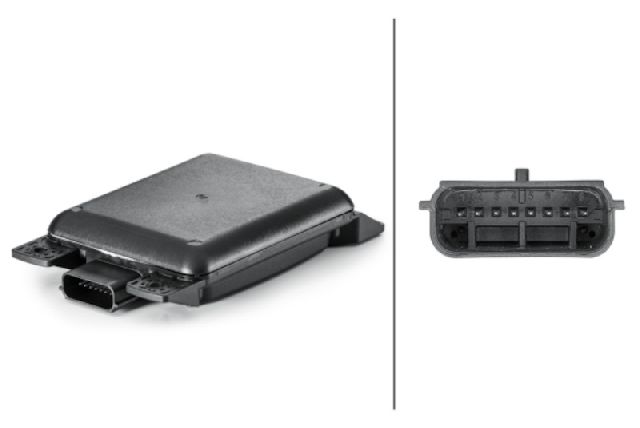
- Body Control Module (BCM)
(OEM #13534187 (supersedes 13594614))— A faulty BCM is the most documented cause for a false P0747 code on this vehicle per GM TSBs PIP5697E and PIP5697B, by failing to maintain keep-alive power to the TCM.
Trusted brands: ACDelco, GM Genuine Parts
OEM price range: $300-$600
Aftermarket price range: $150-$400 - Transmission Pressure Control Solenoid
(OEM #29541896)— If the BCM is ruled out, a failed solenoid is the next most likely mechanical cause. It can become electrically faulty or mechanically stuck.
Trusted brands: ACDelco, GM Genuine Parts, Dorman
OEM price range: $30-$60
Aftermarket price range: $25-$50 - Transmission Fluid and Filter Kit — Required when dropping the pan to replace a solenoid or valve body. Fresh fluid is critical for transmission health.
Trusted brands: ACDelco
OEM price range: $100-$200
Aftermarket price range: $75-$150
Related Codes That Often Appear With This One
- P0700 — P0700 is a generic code that simply means the Transmission Control Module (TCM) has stored a fault. It acts as a 'check engine light' for the transmission and will almost always accompany a specific code like P0747.
Technical Service Bulletins (TSBs) & Recalls
- PIP5697E: Communicates a possible BCM and/or circuit 5985 concern if DTC P0747 sets during engine shut down when the transmission is in park or neutral when no hydraulic/m
Platform-Specific Known Issues
- Bulletin #PIP5697E: Documents that P0747 can set during engine shutdown in Park or Neutral due to a BCM or circuit 5985 issue, even with no actual transmission fault. The core issue is the BCM failing to supply voltage to the TCM/ECM for at least 15 seconds post-shutdown, interrupting a self-test.
- Bulletin #PIP5697B: Notes that a BCM concern can cause P0747 to set during engine cranking while the transmission is in Park.
- Bulletin #24-NA-088: A May 2024 bulletin identifying the control valve body as a likely cause for P0747 if the transmission defaults to 5th gear.
- Circuit 5985 Chafing: A known issue for the accessory wakeup signal wire (circuit 5985) is high resistance or an open circuit caused by chafing under the driver's side sill plate.
Mechanic-Grade Diagnostic Values
- Pressure Control Solenoid Resistance — expected: 5-7 Ω. Failure: An open circuit (infinite resistance) or a value far outside the expected range indicates a failed solenoid coil.
- Circuit 5985 Voltage at BCM (Connector X4, Pin 22) — expected: Within 4.0 volts of battery voltage for at least 15 seconds after ignition is turned off.. Failure: Voltage dropping out before 15 seconds have elapsed indicates a faulty BCM or a wiring issue.
Scan Tool Commands That Help
- GDS2 (GM Dealer Scan Tool): Solenoid Valve Diagnosis / Active Test — This function allows a technician to command each pressure control solenoid on and off individually. It is used after ruling out the BCM/electrical issue to determine if the solenoid is mechanically stuck or electrically failed, helping to distinguish a solenoid failure from a valve body or wiring problem.
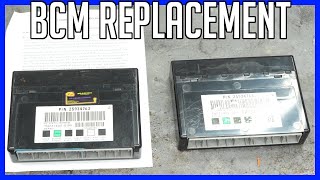
- GDS2 (GM Dealer Scan Tool): BCM Programming/Setup — This is required after replacing the Body Control Module. The new BCM must be programmed with the vehicle's specific VIN and configuration (RPO codes) to function. A used BCM cannot be simply swapped in without being 'cloned' or reprogrammed.
Wiring & Ground Locations
- Body Control Module (BCM) — On the Buick Regal, the BCM is located in the passenger-side footwell, mounted vertically on the side of the center console. It is accessible by removing the passenger-side kick panel.. This is the module that fails to provide keep-alive power to the TCM, triggering the false P0747 code. All diagnostic testing for the TSB issue centers on this component and its connectors.
- BCM Connector X4, Pin 22 — This is one of several multi-pin connectors on the BCM. The TSB specifies testing the wire at pin 22 of the X4 connector. A wiring diagram is needed to positively identify the correct connector and pin.. This specific pin carries Circuit 5985, the 'Accessory Wakeup Serial Data' signal, which is responsible for keeping the TCM powered for its post-shutdown self-test. A voltage check at this pin is the primary diagnostic step for the TSB.
- GM Ground Numbering Scheme — Vehicle-wide. GM uses a standard naming convention for grounds (e.g., G1xx, G2xx). 'G' stands for ground. A '1' indicates a location forward of the firewall, '2' is under the front seat area, '3' is under the rear seat area, and '4' is from the rear seat back. Knowing this helps locate potential bad grounds for the BCM or related circuits more quickly.
OEM Part Supersession History
13594614→13534187— Standard part revision by the manufacturer.
Heads up: The BCM is VIN-locked and must be programmed after installation using dealer software (GDS2) or cloned by a specialized service. A used module will not work if simply swapped from another vehicle.
Helpful Videos

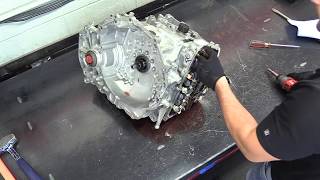
Used OEM Parts in Stock
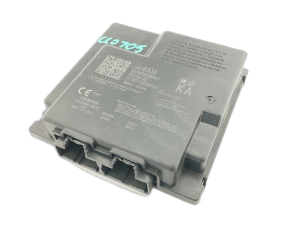
New Aftermarket Parts Available
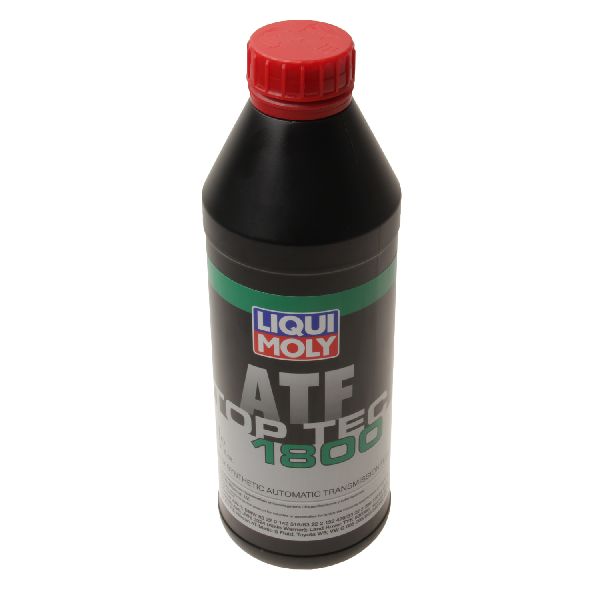

The information in this article is provided for general reference and educational purposes only. Vehicle specifications, procedures, and part compatibility can vary by production date, trim level, and region. Always consult your vehicle's factory service manual and verify part numbers before purchasing or performing repairs. Safety-critical components such as airbags, seat belts, and braking systems should be installed by a qualified professional.
- Buick REGAL:
- 🧭 Diagnostic Flowchart
- 🎬 Helpful Videos
- 🛍️ Shop This Part
- What's Unique About the 2018-2019 Buick REGAL
- Symptoms You May Notice
- Most Likely Causes
- Rare But Worth Checking
- Diagnosis Steps
- Parts You'll Likely Need
- Related Codes That Often Appear With This One
- Technical Service Bulletins (TSBs) & Recalls
- Platform-Specific Known Issues
- Mechanic-Grade Diagnostic Values
- Scan Tool Commands That Help
- Wiring & Ground Locations
- OEM Part Supersession History
- 🎟️ Get 5% Off