

P0747 on 2019-2020 Cadillac CT6: Transmission Solenoid Failure Causes and Fixes
On a 2019-2020 Cadillac CT6, code P0747 almost always points to a failed Pressure Control Solenoid 'A' inside the transmission, often related to a known issue covered by a Technical Service Bulletin (TSB). The fix requires replacing the solenoid, which is an internal transmission component.
- P0747 on a 2019-2020 CT6 almost always indicates a worn valve body, not a bad solenoid, a known issue with the 10L80 transmission.
- This is a known issue acknowledged by GM in a Special Coverage program (N242480631), extending the warranty for this specific repair to 15 years/150,000 miles.
- The recommended fix has evolved from replacing the entire valve body to repairing it with an upgraded steel internal valve and stronger spring.
- Due to the complexity of internal transmission work and the need for potential programming, this repair should be handled by a professional.
- Do not ignore this code; driving with it can lead to severe, costly damage to the transmission and, in rare cases, poses a safety risk due to potential wheel lock-up.
What's Unique About the 2019-2020 Cadillac CT6
For the 2019-2020 CT6, which primarily uses the GM 10-speed 10L80 automatic transmission, this code is often linked to a specific manufacturer TSB and a Special Coverage program (#N242480631). The issue is rarely the solenoid itself, which is described as very robust. Instead, the root cause is typically wear in the valve body, specifically in the bores for the solenoid regulator valve or the feed limit valve. This wear causes a gradual loss of control pressure, which can trigger P0747, harsh shifting, and in rare cases, momentary wheel lock-up. GM has issued multiple bulletins, including a safety recall (N242480630) for a software update to detect the wear and a special coverage program to cover the repair for 15 years or 150,000 miles.
Diagnostic Flowchart
Tap your situation to follow the diagnostic path that matches what you're seeing on this vehicle.
Symptoms You May Notice
- Harsh or jerky shifting, especially during upshifts or downshifts.
- Delayed engagement when shifting from Park to Drive.
- Check Engine Light or Service Engine Soon message is illuminated.
- Vehicle may enter a 'limp mode' with reduced engine performance, often stuck in 5th gear.
- Slipping gears or engine RPMs rising without an increase in speed.
- Transmission overheating warning.
- Engine may stall when coming to a stop.
- Replacing the entire transmission when only the valve body needs repair or replacement.
- Blaming the transmission pump when the issue is electronic or a specific solenoid.
- Replacing only the solenoid without addressing the underlying valve body bore wear that is the true root cause.
Most Likely Causes
- Worn Internal Valve Body Components 🔴 High Probability → Shop Transmission Valve Body This is the primary known issue for the 10L80 transmission. TSB #N242480631-01 and related bulletins directly address gradual pressure loss from a worn control valve. The wear occurs in the aluminum bores for the feed limit valve and/or solenoid regulator valve, preventing them from sealing and operating correctly.
How to confirm: Diagnosis requires an advanced scan tool to monitor transmission pressures and solenoid commands. A visual inspection of the valve body after removal is the definitive confirmation. Technicians may find worn bores or a stuck feed limit valve. A vacuum test of the feed limit low valve bore should hold a minimum of 18 in-Hg; a lower reading confirms wear.
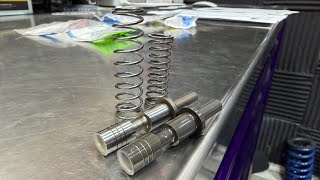
Typical fix: Initially, the fix was to replace the entire valve body. A newer GM-directed repair (TSB #25-NA-255) involves 🎬 Watch: See the new GM valve kit that fixes this issue. installing an updated, more durable steel feed limit low valve, a higher tension spring, and a new spacer plate into the existing valve body. This is covered under Special Coverage N242480631.
Est. part cost: $100-$400 (for valve body repair kit or full valve body) - Faulty Pressure Control Solenoid 'A' ⚪ Low Probability → Shop Transmission Valve Body While the code points to the solenoid, transmission specialists note that the solenoids in the 10L80 are overbuilt and rarely fail electrically or mechanically. The failure is almost always upstream in the valve body hydraulics.
How to confirm: A technician can use a high-end scan tool to command the solenoid on and off while monitoring pressure readings. A bench test with a multimeter should show a resistance of approximately 3-8 ohms for a PWM-type solenoid. However, even if it appears unresponsive, the root cause is likely hydraulic pressure loss from the valve body, not a bad solenoid.
Typical fix: Replace the Pressure Control Solenoid 'A'. This is often done alongside a valve body replacement or repair, as accessing it requires removing the transmission oil pan and valve body. An ACDelco OEM part number is 24290461.
Est. part cost: $50-$150 - Low or Contaminated Transmission Fluid 🟡 Medium Probability → Shop Transmission Assembly
How to confirm: Check the transmission fluid level and condition. The fluid should be at the correct level, red in color, and free of debris or a burnt smell. Dark or metallic fluid indicates internal wear, likely from clutches, and points towards a more serious failure.
Typical fix: Perform a transmission fluid and filter change using the correct DEXRON ULV fluid. If the fluid is very dirty, it's a symptom of the internal wear described in the high-probability cause, and a simple fluid change will not fix the root problem.
Est. part cost: $100-$250 - Transmission Control Module (TCM) or Wiring Issue ⚪ Low Probability → Shop Transmission Assembly GM issued a safety recall (N242480630) for a TCM software update. This update doesn't fix the mechanical wear but is designed to detect it early and put the vehicle into a safe limp mode before a wheel lock-up can occur. This indicates software is a key part of the system, but the P0747 fault is primarily mechanical.
How to confirm: Inspect the wiring harness to the transmission for any damage. A technician can test the circuit for proper voltage and continuity between the TCM and the solenoid.
Typical fix: Repair the damaged wiring or replace the TCM if it is diagnosed as faulty. A replacement TCM will require programming to the vehicle.
Est. part cost: $500-$1200
Rare But Worth Checking
- Internal Valve Body Failure: → Shop Transmission Valve Body The solenoid screws into the valve body, which contains intricate hydraulic passages. A crack or blockage in the valve body itself can mimic a failed solenoid. This is the most common root cause for this code on this platform.
Diagnosis Steps
- Verify the code with an OBD-II scanner. Check for other related transmission codes.
- Check the transmission fluid level and condition. Note any signs of contamination, a burnt smell, or excessive clutch material on a white towel.
- Inspect the transmission wiring harness and connectors for any visible damage, corrosion, or loose connections.
- Use an advanced scan tool to monitor live data, specifically the commanded state and feedback for Pressure Control Solenoid 'A' and transmission fluid pressure.
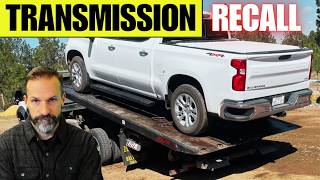
- Check the vehicle's service history (IVH) for Safety Recall N242480630 🎬 Watch: Learn more about GM's massive 10-speed transmission recall. and Special Coverage N242480631.
- If the P0747 code is present and the vehicle is covered, the dealer procedure is to replace the control valve body and perform a solenoid valve characterization reprogramming.
- If diagnosing outside of a dealer, drop the transmission pan to visually inspect for metal debris and to gain access to the valve body.
- Inspect the valve body for worn bores or a stuck feed limit valve, which is the most likely mechanical cause. Perform a vacuum test on the relevant valve bores; a reading below 18 in-Hg on the feed limit low valve bore indicates failure.
Parts You'll Likely Need
- Transmission Pressure Control Solenoid
(OEM #24290461)— While rarely the root cause, it may be replaced as part of the larger valve body service. The code directly names this component.
Trusted brands: ACDelco (GM Genuine)
OEM price range: $80-$150
Aftermarket price range: $50-$100 - Transmission Fluid and Filter Kit — Replacing the solenoid or valve body requires draining the fluid and removing the pan, making a fluid and filter change a necessary part of the service. Must use DEXRON ULV fluid.
Trusted brands: ACDelco
OEM price range: $100-$180
Aftermarket price range: $70-$120 - Control Valve Body Repair Kit — Per recent GM bulletins (like #25-NA-255 for trucks), the preferred fix is to repair the valve body with an upgraded steel feed limit valve and spring, rather than replacing the whole unit.
Trusted brands: Sonnax, ACDelco
OEM price range: $150-$250
Aftermarket price range: $100-$200
Technical Service Bulletins (TSBs) & Recalls
- N242480631: Special Coverage program that extends the warranty for the P0747/worn valve body condition to 15 years/150,000 miles for vehicles that have had the N242480630 software update.
- N242480630: A Product Safety Recall for a TCM software update to monitor for the valve wear issue and prevent potential wheel lock-up by initiating a limp mode.
- 25-NA-255: A bulletin for related truck platforms that directs technicians to repair the valve body with an updated steel valve and spring, instead of replacing the entire valve body assembly. This indicates a shift in repair strategy.
Platform-Specific Known Issues
- A known issue exists for these vehicles as described in GM Special Coverage Bulletin #N242480631. It details a condition of gradual pressure loss from a worn control valve that can set a P0747 code. This coverage extends the warranty for this specific repair to 15 years or 150,000 miles.
- This issue is preceded by a safety recall, #N242480630, which involves a TCM software update. The update is designed to detect the valve wear early and put the transmission into limp mode (5th gear) to prevent the possibility of a momentary wheel lock-up.
Mechanic-Grade Diagnostic Values
- Pressure Control Solenoid (PWM type) coil resistance — expected: 3-8 ohms. Failure: A reading of infinite ohms (open circuit) or near zero ohms (short circuit).
- Valve body vacuum test at Feed Limit Low valve bore — expected: Minimum 18 in-Hg. Failure: A reading below 18 in-Hg indicates significant bore wear allowing pressure leakage.
- Valve body vacuum test at TCC Priority valve bore — expected: Minimum 14-18 in-Hg at specified test ports. Failure: Readings below this threshold suggest bore wear affecting torque converter clutch operation.
Hidden / Shadow Codes Worth Checking
- P18A3: Park Inhibit Solenoid Control Circuit. This code can set after a valve body replacement on vehicles equipped with an Electronic Transmission Range Selector (ETRS). (see via This code will appear on a standard OBD-II scanner if the Park Inhibit Solenoid is required for the vehicle but was not transferred from the old valve body to the new 'Gen-3' service valve body, or if its connector is left disconnected.)
Scan Tool Commands That Help
- GDS2 (GM Dealer Tool): Transmission Control Solenoid Valve Characterization Programming — This procedure is mandatory after replacing the control valve body or the entire transmission assembly. It writes the unique calibration data from the new solenoids/valve body to the TCM. Failure to perform this step will result in poor shift quality.
- GDS2 (GM Dealer Tool): Solenoid Automated Cleaning Process — This function can be used as a diagnostic step before replacing components. It cycles all solenoids in a specific sequence to dislodge and flush minor debris that may be causing a solenoid to stick.
- Advanced Scan Tool: Command Range Changes (e.g., command 2nd gear) — Used to diagnose a no-move condition to determine if the transmission can be forced into a gear electronically, helping to isolate a hydraulic or mechanical issue from a control-side issue.
Real Owner Repair Stories
- Reddit user post in r/gmcsierra (2020 GMC Sierra AT4 6.2L (10L80 transmission) at 89k miles) — Experiencing the 'GM Shudder,' leading to a decision to replace the transmission.
❌ Tried (didn't work) Searching for a local shop to rebuild the transmission (many refused to work on it).
✅ What actually fixed it The owner discovered through a dealer that GM had superseded the 10L80 transmission part number multiple times, indicating internal updates. The final fix was to order the latest transmission assembly (P/N 19540602) which contains the updated valve body and internal components designed to prevent the common failures.
OEM Part Supersession History
24282946, 24294934, 19367429, 24045101, 24271649→19540602— Supersession of the entire 10L80 transmission assembly due to internal updates addressing common failure points, including significant changes to the valve body design ('Gen-2' vs 'Gen-3').
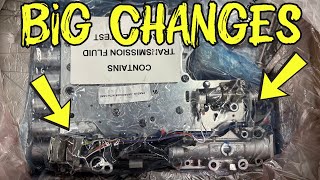
Heads up: While the assemblies are interchangeable as a whole, internal components like the valve bodies have significant design changes. A 'Gen-3' valve body introduced mid-2025 eliminates the auxiliary valve body and has different bolt requirements than earlier versions.
Model Year Variations Within This Range
- Post-2025 (Service Parts): Service replacement valve bodies for the 10L80 transitioned to a 'Gen-3' design around mid-2025. This new design eliminates the separate auxiliary valve body, relocates the TCC and other solenoids, and uses a different bolt kit. While the original 2019-2020 CT6 came with a 'Gen-1' or 'Gen-2' design, any modern dealer repair involving a valve body replacement would likely use the updated Gen-3 part.
Helpful Videos

We Have This Part in Stock


The information in this article is provided for general reference and educational purposes only. Vehicle specifications, procedures, and part compatibility can vary by production date, trim level, and region. Always consult your vehicle's factory service manual and verify part numbers before purchasing or performing repairs. Safety-critical components such as airbags, seat belts, and braking systems should be installed by a qualified professional.
- Cadillac CT6:
- 🧭 Diagnostic Flowchart
- 🎬 Helpful Videos
- 🛍️ Shop This Part
- What's Unique About the 2019-2020 Cadillac CT6
- Symptoms You May Notice
- Most Likely Causes
- Rare But Worth Checking
- Diagnosis Steps
- Parts You'll Likely Need
- Technical Service Bulletins (TSBs) & Recalls
- Platform-Specific Known Issues
- Mechanic-Grade Diagnostic Values
- Hidden / Shadow Codes Worth Checking
- Scan Tool Commands That Help
- Real Owner Repair Stories
- OEM Part Supersession History
- Model Year Variations Within This Range
- 🎟️ Get 5% Off