

P0747 Toyota Corolla (2002-2016): Pressure Control Solenoid 'A' Stuck On Fixes
On Toyota Corollas with a 4-speed automatic transmission (U340E/U341E), code P0747 is almost always caused by a failed Line Pressure Control Solenoid (SLT) or low/dirty transmission fluid. When stuck 'on', the solenoid forces maximum line pressure, causing harsh, banging shifts. The fix involves replacing the solenoid, filter, and fluid, which is about $150-$300 in parts for a DIY repair.
- This code applies almost exclusively to 2002-2016 Corollas with the 4-speed automatic, not the CVT.
- The most likely cause is a faulty Line Pressure Control Solenoid (SLT) located inside the transmission oil pan.
- Always check the transmission fluid level and condition first, as low or dirty fluid can cause this code.
- When replacing the solenoid, it is critical to also replace the transmission filter and pan gasket, and refill with the correct type of Toyota ATF.
- Ignoring this code will lead to very harsh shifting and can cause severe, expensive damage to the transmission.
What's Unique About the 2002-2016 Toyota Corolla
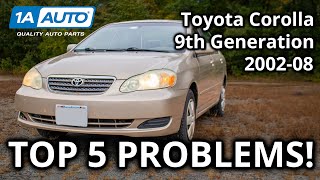
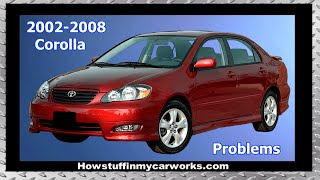
This guide primarily covers the 9th generation (2002-2008), 10th generation (2009-2013), and the base 'L' model of the 11th generation (2014-2016) equipped with the 4-speed automatic transmission (U340E/U341E). On these models, P0747 is a well-documented issue pointing to an internal transmission component. Most other 2014-2016 Corolla trims use a Continuously Variable Transmission (CVT), which has a different design and does not commonly exhibit the P0747 code; CVT-related pressure issues typically set different codes, such as P2757.
Generation note: The 2002-2016 period covers the 9th (2002-2008), 10th (2009-2013), and the beginning of the 11th (2014-2016) generations. This code is primarily relevant to models with the 4-speed automatic transmission found in the 9th, 10th, and base model 11th generations. It is not a common code for the CVT used in most 11th generation trims.
Symptoms You May Notice
- Extremely harsh or abrupt gear shifts, often described as 'banging' into gear
- Transmission getting stuck in one gear
- Delayed engagement when shifting from Park to Drive or Reverse
- Transmission slipping between gears
- Check Engine Light is on
- Vehicle may enter 'limp mode' (fail-safe mode)
- Transmission overheating
- Replacing the wrong solenoid. The U341E transmission has multiple solenoids (S1, S2, SL, SLT). P0747 specifically points to the line pressure solenoid (SLT), not the shift (S1/S2) or lock-up (SL) solenoids. TSB TC009-05 was released to clarify this naming.
Most Likely Causes
- Failed Line Pressure Control Solenoid (SLT) 🔴 High Probability → Shop Transmission Clutch Pressure Control Solenoid This solenoid is a critical moving part that can fail mechanically (sticking plunger) or electrically (burned out coil) over time and with high mileage. It is the most common point of failure for this code on the U340E/U341E transmission.
How to confirm: After dropping the transmission pan, the solenoid can be tested for resistance with a multimeter (should be within spec, typically 5.0-5.6 ohms at 68°F/20°C). An open circuit (infinite resistance) or short (near-zero resistance) indicates a failed solenoid. A 'click test' can also be performed by applying 12V to see if the plunger actuates. A professional scan tool can also command the solenoid on/off to check its response.
Typical fix: Replace the Line Pressure Control Solenoid (SLT). This is done with the transmission pan removed.
Est. part cost: $70-$180 - Low, Dirty, or Incorrect Transmission Fluid 🔴 High Probability → Shop Transmission Assembly Old, degraded fluid loses its hydraulic properties and can contain suspended debris that clogs the small passages in the solenoid and valve body, causing parts to stick. Extremely low fluid can also cause pressure issues, sometimes triggering a P0741 code first before P0747 appears.
How to confirm: Check the transmission fluid dipstick (if equipped) or the fill plug. The fluid should be at the correct level, pink/red in color, and not smell burnt. Dark brown or black fluid with a burnt smell indicates a problem and likely internal wear.
Typical fix: Perform a transmission fluid and filter change. If the fluid is extremely contaminated, a full flush may be considered, but a simple drain-and-fill is often safer for high-mileage transmissions.
Est. part cost: $60-$120 - Clogged Transmission Filter 🟡 Medium Probability → Shop Transmission Assembly The filter traps clutch material and other debris over time. If it becomes clogged, it can restrict fluid flow to the pump, leading to erratic pressure control and potentially starving the solenoid.
How to confirm: The filter can only be inspected once the transmission pan is removed. If the pan has a thick layer of sludge or metallic debris, the filter is likely clogged.
Typical fix: Replace the transmission filter and pan gasket during the solenoid replacement. This should be considered standard procedure.
Est. part cost: $20-$50 - Worn or Sticking Transmission Valve Body ⚪ Low Probability → Shop Transmission Valve Body Over time, debris in the fluid can score the aluminum bores of the valve body, causing the valves themselves to stick. This can mimic a solenoid failure and is often the next suspected part if a new solenoid doesn't fix the issue.
How to confirm: This is difficult to confirm without disassembly and inspection of the valve body by a transmission specialist. It's typically diagnosed after a new solenoid fails to resolve the issue.
Typical fix: The valve body can sometimes be cleaned and serviced, but often requires replacement with a remanufactured unit.
Est. part cost: $160-$450
Rare But Worth Checking
- Damaged Wiring Harness: The wiring harness inside the transmission can become brittle from heat and age. Check for cracked insulation or loose connector pins at the solenoid while the pan is off. An external short in the harness can also cause the solenoid to be stuck on.
- Faulty ECM/TCM: This is very rare. The engine or transmission computer is typically only suspected if all other electrical and mechanical causes have been ruled out and there are other unusual electrical symptoms or communication codes.
Diagnosis Steps
- Check the level and condition of the automatic transmission fluid. Note the color and smell. A burnt smell is a bad sign.
- Scan the TCM for any other transmission-related codes. Note codes like P0748 or P0741.
- Inspect the external wiring and connectors leading to the transmission for any visible damage.
- Safely raise the vehicle and drain the transmission fluid, removing the transmission pan.
- Inspect the pan for excessive metal shavings or clutch debris. A small amount of fine, dark material is normal, but large flakes indicate a more severe mechanical failure.
- Locate the Line Pressure Control Solenoid (SLT). It is mounted on the valve body and is often a different color or size than the shift solenoids.
- Visually inspect the solenoid's connector and wiring for damage.
- Test the solenoid's resistance with a multimeter. Compare the reading to the factory specification (typically 5.0-5.6 ohms). An open circuit (infinite resistance) or short (zero resistance) indicates a failed solenoid.
- If resistance is good, apply 12V power and ground to the solenoid's pins. You should hear a distinct 'click'. No click means it is mechanically stuck.
- If the solenoid tests good, the problem may lie within the valve body passages or, rarely, the TCM.
Parts You'll Likely Need
- Line Pressure Control Solenoid (SLT)
(OEM #35290-52020)— This is the component directly identified by the P0747 code and is the most common point of failure for this issue on the U340E/U341E transmission.
Trusted brands: Toyota (OEM), Rostra, Standard Motor Products (SMP), Sunluway
OEM price range: $180-$265
Aftermarket price range: $70-$150 - Automatic Transmission Filter Kit
(OEM #35330-0W020)— The filter should always be replaced when the transmission pan is removed to ensure clean fluid and proper flow.
Trusted brands: Toyota (OEM), Beck/Arnley, Wix, ATP
OEM price range: $40-$60
Aftermarket price range: $20-$40 - Automatic Transmission Fluid — The correct type and amount of fluid are required after dropping the pan. Using the wrong fluid can cause shifting problems. A typical drain and fill requires 3.5-4 quarts.
Trusted brands: Toyota Type T-IV (for 2002-2008 models), Toyota WS (World Standard) (for 2009-2016 models), Aisin T-IV / WS, Idemitsu TLS / TLS-LV
OEM price range: $10-$15 per quart
Aftermarket price range: $8-$12 per quart
Related Codes That Often Appear With This One
- P0748 — This code indicates an electrical circuit fault (open or short) for the same solenoid, suggesting a wiring problem or a completely failed solenoid coil rather than a mechanical 'stuck on' issue.
- P0741 — This code for 'Torque Converter Clutch Circuit Performance or Stuck Off' can sometimes appear due to severe fluid level or pressure issues that precede the P0747 code.
Technical Service Bulletins (TSBs) & Recalls
- TC009-05: This Toyota Service Bulletin from August 2005 clarifies the naming convention for the solenoids in the U340E/U341E transmission, identifying the line pressure control solenoid as 'SLT'. This was issued to help te
Platform-Specific Known Issues
- On a 2004 Corolla, a P0741 code appeared intermittently due to very low transmission fluid from a leaking cooler line. This highlights that low fluid can cause various pressure-related codes before P0747 might set, making a fluid level check the absolute first step.
Mechanic-Grade Diagnostic Values
- Line Pressure Control Solenoid (SLT) Resistance — expected: 5.0 to 5.6 Ohms at 68°F (20°C).. Failure: A reading of near-zero ohms indicates a short, while infinite resistance (OL) indicates an open circuit. Readings slightly outside the range may still be acceptable, but significant deviation points to a failing coil.
- SLT Solenoid 'Click Test' with 12V Power — expected: A distinct 'click' sound should be heard when 12V is applied and removed, indicating the internal plunger is moving freely.. Failure: No sound or a weak/muffled sound suggests the solenoid is mechanically stuck.
Scan Tool Commands That Help
- Toyota Techstream: Active Test: 'SOLENOID (SLT)' — This function allows a technician to command the SLT solenoid on and off to check its response. It can be used to verify if the solenoid is responding to electrical commands from the ECM/TCM. When used with a pressure gauge connected to the transmission, the technician can observe the resulting change in line pressure to confirm hydraulic function.
Wiring & Ground Locations
- SLT Solenoid Control Wires at ECM/TCM — The SLT solenoid is controlled by two wires running from the main transmission connector to the Engine Control Module (ECM). Based on U340E wiring diagrams, the SLT+ (power) wire is on Pin 3 and the SLT- (ground control) wire is on Pin 6 of the transmission solenoid connector.. To rule out a wiring issue, a technician can perform a continuity test between the solenoid's connector pins (with the pan dropped) and the corresponding pins at the ECM connector. A break or short in these wires could mimic a solenoid failure.
- Main Transmission Connector — Located on the top or side of the transmission case, where the main vehicle harness connects to the internal transmission harness.. This connector is a common point for corrosion or loose pins due to its exposure to heat and the elements. A poor connection here can cause intermittent electrical faults for any of the transmission solenoids, including the SLT, leading to codes like P0747 or P0748.
Real Owner Repair Stories
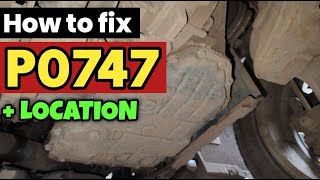
- YouTube video by 'How To Replace a Toyota Transmission Valve Body & SLT Solenoid' (Toyota Corolla (year not specified, but with U340E/U341E style transmission)) — Harsh shifting and transmission fault codes.
❌ Tried (didn't work) The video directly proceeds to the fix, implying diagnosis pointed to the solenoid.
✅ What actually fixed it The video demonstrates the replacement of the Line Pressure Control (SLT) solenoid and the internal wiring harness, which had a broken connector clip. The new solenoid measured 5.5 ohms, confirming it was within the correct specification before installation.
OEM Part Supersession History
35290-52020→35290-52020 (current)— This part number appears to be stable with no major supersessions noted for the specified vehicle range.
Model Year Variations Within This Range
- 2009 and later: According to a transmission repair specialist, if you replace the valve body on a 2009 or later Corolla with a new OEM unit, Toyota specifies that it has been redesigned and requires a different, new-style transmission filter. This implies a potential change in the valve body or filter design around that model year that technicians should be aware of.
- 2009-2016: Models from 2009 onward specify Toyota Genuine ATF WS (World Standard) fluid, which is a lower viscosity fluid than the Toyota Type T-IV used in 2002-2008 models. Using the wrong fluid type can cause shifting problems and damage the transmission.
Diagnostic Flowchart
Other Known Issues on This Vehicle
Issues unrelated to this code that are worth knowing about as an owner of this generation:
- Excessive Engine Oil Consumption (1ZZ-FE & 2AZ-FE) 🔴 High — Common in 2002-2005 models with the 1.8L 1ZZ-FE engine and 2009-2011 models with the 2.4L 2AZ-FE engine. Caused by faulty piston ring design. (Ref: T-SB-0094-11 and T-SB-0158-14 were issued for the 2AZ-FE engine, outlining an oil consumption test and repair procedure involving new pistons and rings.)
- Timing Chain Tensioner Oil Leak (1ZZ-FE) 🟠 Medium — Very common on the 9th generation (2002-2008). The O-ring/seal for the tensioner hardens over time, causing a persistent oil leak on the passenger side of the engine.
- Water Pump Failure 🟠 Medium — A known failure point, particularly on the 10th generation (2009-2013). The bearing can fail or the gasket can leak, often before 100,000 miles.
- Starter Motor Failure 🟡 Low — Reported across 9th and 10th generations. Symptoms include a single click with no crank, even with a good battery.
- Steering Intermediate Shaft Clunk 🟡 Low — Affects 10th generation (2009-2013) models, causing a clunking or popping noise during low-speed turns. The fix is to replace the intermediate shaft.
- Faulty Mass Airflow (MAF) Sensor (11th Gen) 🟡 Low — On 2014-2016 models, a failing MAF sensor can cause lean/rich codes (P0171/P0172), poor fuel economy, and throttle response issues.
Used vs. New Parts: Buying Guide for This Vehicle
When a used part is the smart pick: A complete used valve body from a low-mileage, crash-damaged donor vehicle can be a cost-effective alternative to a new OEM unit, as it often includes all solenoids. However, for just the SLT solenoid, buying new is strongly recommended due to the low cost and high reliability of new parts.
Donor-vehicle mileage cap: roughly under 80000 miles for the part to have meaningful remaining life.
What to inspect on the donor part:
- Verify the donor vehicle's mileage.
- Ask for photos of the transmission pan's contents when dropped; avoid any with significant metal debris or burnt fluid.
- Ensure the donor vehicle was not junked due to transmission failure.
OEM-only on this vehicle (don't cheap out):
- While aftermarket solenoids are available, using a genuine Toyota OEM SLT solenoid (35290-52020) is the safest bet to ensure compatibility and longevity. Some transmission issues are sensitive to the precise electrical and hydraulic characteristics of the OEM part.
Aftermarket brands forum-validated for this vehicle:
- Rostra is a well-regarded aftermarket manufacturer of transmission solenoids, with some users reporting successful repairs on various Toyota models.
Brands owners have reported issues with on this vehicle:
- Avoid unbranded, generic solenoids from online marketplaces. Forum discussions often contain mixed results with cheaper parts, with some failing shortly after installation.
Real Owner Stories
Aggregated from forums and TSBs cited above. Mileages and costs reflect what owners reported in those sources.
2005 Toyota Corolla
Symptoms: Classic P0747 symptoms including harsh shifting.
What fixed it: Replaced the SLT solenoid (part #35290-52020), transmission fluid, and filter.
Source hint: https://www.toyotanation.com/threads/p0747-pressure-control-solenoid-a-stuck-on.1688553/
2004 Toyota Corolla
Symptoms: Intermittent P0741 code appearing due to very low transmission fluid.
What fixed it: Addressing a leaking transmission cooler line and refilling the fluid.
Source hint: https://www.bobistheoilguy.com/forums/threads/corolla-atf-low-p0741.296995/
Related OBD-II Codes
Frequently Asked Questions
What does Toyota TSB TC009-05 say about the solenoids in my Corolla's U340E/U341E transmission?
I have a 2005 Corolla with harsh shifting and code P0747. What specific part number do I need?
Can low transmission fluid cause a P0747 code on my 2004 Corolla?
Is the P0747 issue common on the Pontiac Vibe or Toyota Matrix as well?
How can I test if the SLT solenoid in my Corolla is actually bad before buying a new one?
My Corolla is also burning a lot of oil; is this related to the P0747 transmission code?
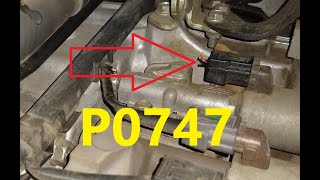
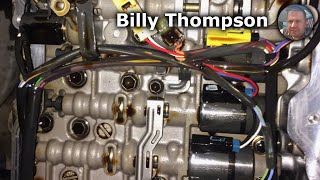
Helpful Videos

We Have This Part in Stock

The information in this article is provided for general reference and educational purposes only. Vehicle specifications, procedures, and part compatibility can vary by production date, trim level, and region. Always consult your vehicle's factory service manual and verify part numbers before purchasing or performing repairs. Safety-critical components such as airbags, seat belts, and braking systems should be installed by a qualified professional.
- Toyota Corolla:
- 🧭 Diagnostic Flowchart
- 🎬 Helpful Videos
- 🛍️ Shop This Part
- What's Unique About the 2002-2016 Toyota Corolla
- Symptoms You May Notice
- Most Likely Causes
- Rare But Worth Checking
- Diagnosis Steps
- Parts You'll Likely Need
- Related Codes That Often Appear With This One
- Technical Service Bulletins (TSBs) & Recalls
- Platform-Specific Known Issues
- Mechanic-Grade Diagnostic Values
- Scan Tool Commands That Help
- Wiring & Ground Locations
- Real Owner Repair Stories
- OEM Part Supersession History
- Model Year Variations Within This Range
- Other Known Issues on This Vehicle
- Used vs. New Parts: Buying Guide for This Vehicle
- Real Owner Stories
- 2005 Toyota Corolla
- 2004 Toyota Corolla
- Related OBD-II Codes
- Frequently Asked Questions
- 🎟️ Get 5% Off